


12 gadgets worth remembering from IFA 2026 so far, from solar laptops to AI earbuds that take your meeting notes
Berlin’s biggest tech show only opened its doors today, and it’s already served up a lighting strip that finally glows properly, a laptop that charges itself in direct sun, robot vacuums with genuinely different tricks, and headphones built around a chip designed to think for you.
IFA has a habit of burying a handful of genuinely useful ideas under a mountain of concept gadgets nobody will ever buy. This year’s edition in Berlin didn’t hold back either: self-charging laptops, a robotic arm bolted onto a vacuum cleaner, earbuds that sit through your meetings and write up the notes afterwards, a lighting strip that finally glows the way concept art always promised it would. The show only kicked off today and runs through 8 September, so this is very much a running list rather than the final word, but we went through the smart home, laptop, robot vacuum and headphone announcements so far and pulled out the twelve that actually stopped us mid-scroll.
Smart homes doing more than just changing colour
Philips Hue Liane 360° Rope Lights

Rope lights have always been the awkward cousin of smart lighting, a string of individually visible dots doing its best impression of a solid glow. Philips Hue’s new Liane fixes that with OmniGlow, a diffusion technology that spreads light evenly around the full 360 degrees of the strip rather than beaming it out in distinct points, so it reads as one continuous, colour-shifting line instead of a string of fairy lights pretending to be something grander. It bends into loops and curves far more freely than a rigid light bar, which makes it a genuine option for wrapping around shelving, headboards or doorframes rather than just running flat along a skirting board. It’s the kind of fixture that makes a strip light feel like a design object rather than an accessory bought purely to sync with a TV.
LG ThinQ Claw
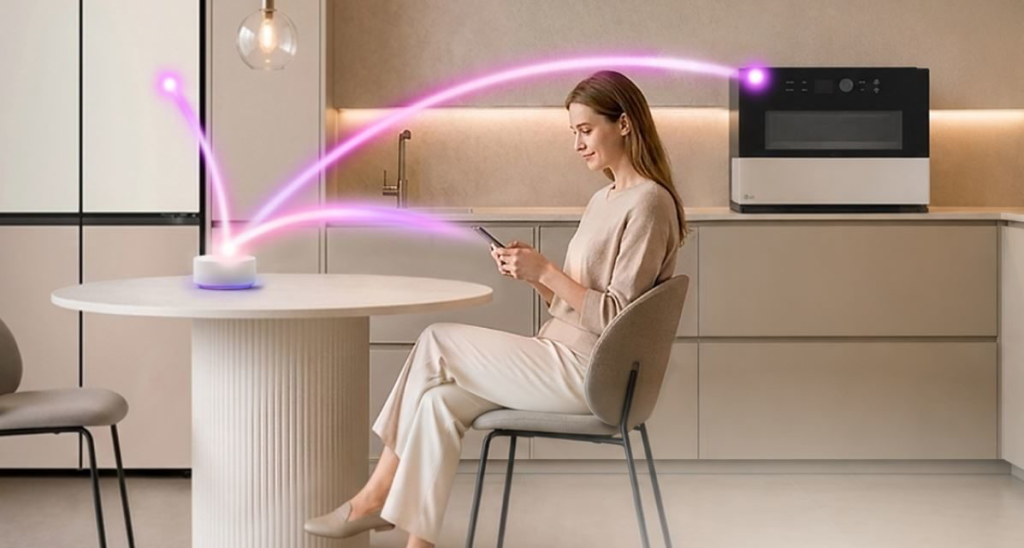
LG’s smart home pitch used to be entirely about connecting its own appliances to each other. ThinQ Claw changes that shape entirely: a text-chat AI agent, built on the same underlying concept as OpenClaw, that sits across LG’s ecosystem and third-party devices alike, working out what a request actually means rather than waiting for a specific voice command. In one of LG’s own demos on the show floor, telling it what’s sitting in the fridge gets a dinner suggestion back, followed by the oven preheating to match. It builds on Homey, the smart home platform LG bought from Dutch developer Athom in 2024, specifically for the cross-brand interoperability that a single company’s own ecosystem can never quite manage alone. No release date or pricing has been confirmed, and text-chat home assistants have a patchy track record of actually understanding real households rather than demo scripts, but the ambition here is bigger than a typical appliance software update.
SwitchBot AI Hub, Niko and Noa

SwitchBot has always leaned into the more playful end of smart home tech, and this year’s lineup doubles down rather than tempering it. The new AI Hub upgrades the company’s existing smart home controllers with both on-device and cloud-based AI, feeding in camera and sensor data to recognise events rather than just states. SwitchBot’s own example is the hub spotting an elderly person falling and triggering an alert automatically, a genuinely useful application of home AI beyond the usual light-scheduling party trick. Alongside it sit two new AI-powered companion robots named Niko and Noa, designed to react and express something closer to emotion than the average smart speaker ever bothers to. It’s a strange combination of genuinely practical safety tech and pure whimsy on the same stand, but that’s been SwitchBot’s whole approach for years now, and it’s rarely boring.
Laptops that don’t need a socket, or even a screwdriver
Four very different takes on portability turned up in Berlin this year, and only one of them is remotely conventional.
Oukitel RG14-P
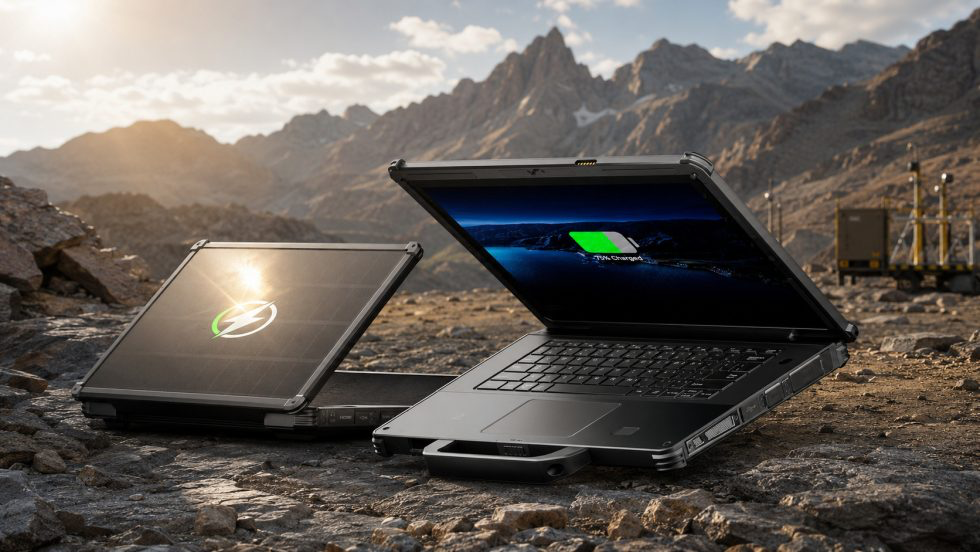
Fitting a solar panel to a laptop lid sounds like a gimmick until you’re the person whose charger died three days into a trip, and Oukitel is betting the RG14-P’s built-in panel earns its keep exactly then. Under strong direct sunlight it tops up the battery at up to 10W, and the company reckons a fully drained pack needs around six hours of that light to reach 50%, not a replacement for a plug but a genuine buffer for anyone working from a van, a campsite or a balcony with decent light. The rest of the spec sheet is comfortably mainstream rather than exciting: a 14th-generation Intel Core i7, 16GB of RAM and 512GB of storage, enough for everyday work and browser-heavy multitasking without pretending to be a creative workstation. It’s due to launch in November, and the solar panel will only ever be a nice-to-have rather than the reason to buy it, but as an extra bolted onto an otherwise normal work laptop, it costs nothing in everyday usability.
Acer Vero 16
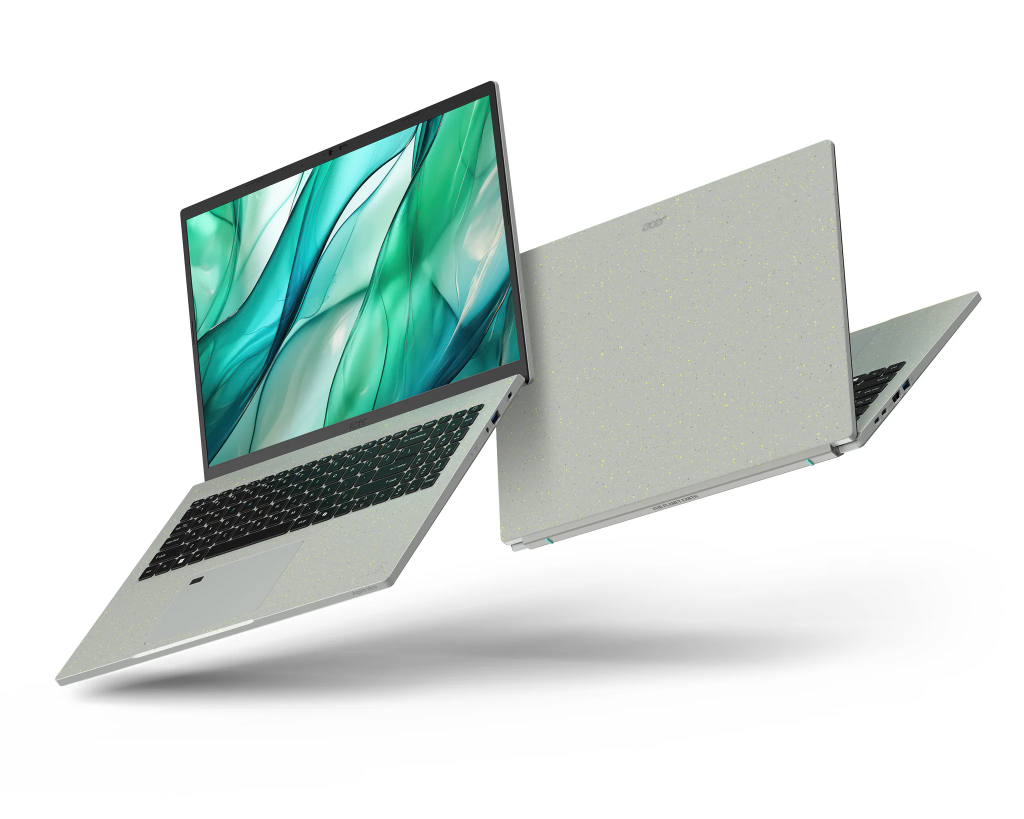
Right-to-repair has mostly stayed a talking point rather than a feature in mainstream laptops, and Acer’s Vero 16 is a rare example of a big brand actually building for it. Both the SSD and the battery are user-replaceable without tools, which sounds like a small thing until a battery starts holding half its original charge three years in and the alternative is usually a trip to a repair shop or a new laptop altogether. The Vero range has always leaned into recycled materials and lower-impact manufacturing rather than raw performance, so this isn’t the machine for anyone chasing benchmark scores, but for a work laptop that’s meant to still be worth opening up in 2029, it’s a genuinely useful difference rather than a marketing line.
Acer DualPlay Mini
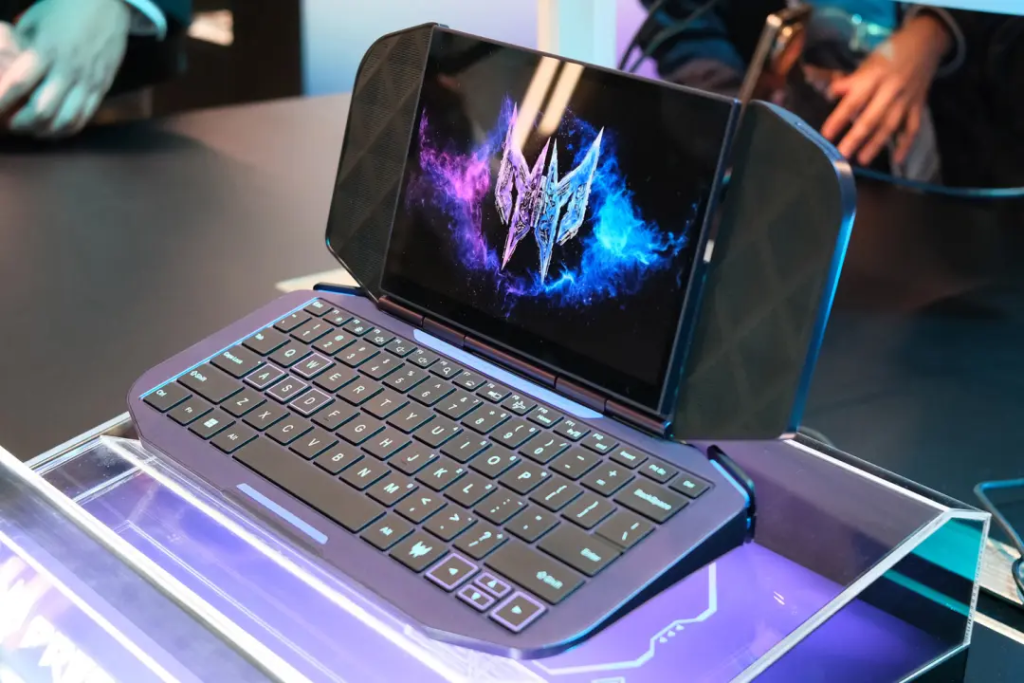
The DualPlay Mini is still a concept rather than something you can order, but the idea behind it is sharp enough to mention anyway: an 8-inch Windows handheld with a screen that physically rotates up and locks into place above a miniature keyboard, turning a gaming handheld into something closer to a genuinely usable compact laptop. Most hybrid gaming handhelds fake this versatility with software, propping a desktop interface onto a tiny touchscreen and hoping for the best. Acer’s approach solves it with a hinge instead, which is a more honest answer even if it adds moving parts that will need to survive years of folding. Nothing about pricing or a release date has been confirmed, and concepts at trade shows have a habit of quietly disappearing, but it’s the kind of idea worth keeping an eye on regardless.
Samsung Galaxy Book6 (14-inch)
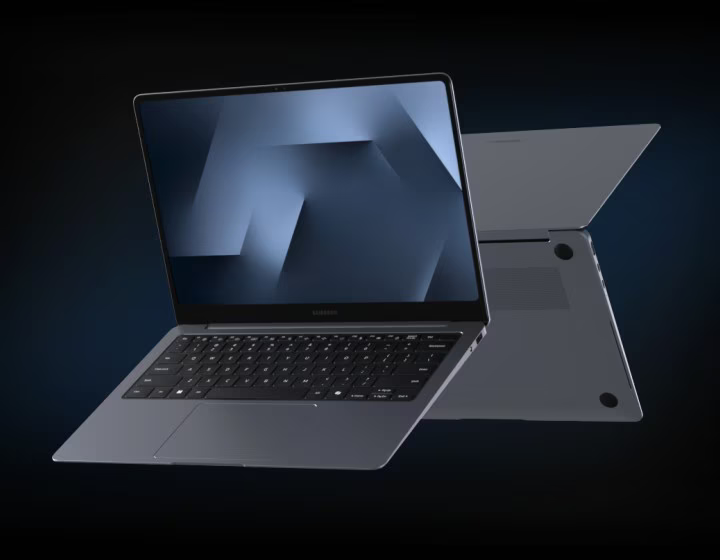
Samsung’s Galaxy Book6 range already covered the flagship end with the Ultra and Pro models, so the new 14-inch version exists purely to make the same design language cheaper to get into. It’s built around an Intel Core Series 3 processor rather than the pricier Core Ultra chips higher up the range, but still claims up to 25 hours of battery life and keeps a genuinely full port selection, HDMI, USB-A and a built-in LAN port included, at a size most ultraportables have long since sacrificed those for. Galaxy AI features like AI Select and Note Assist carry over from the rest of the lineup, and Quick Share and Storage Share mean files move between a Galaxy phone and this laptop without the usual cable or cloud-upload detour. It’s due on sale by early October, in Gray or a new Violet Silver finish making its first appearance anywhere in the Galaxy Book range.
Before you get excited about a trade show gadget
A concept is not a product. Acer’s DualPlay Mini looks brilliant on a show floor, but plenty of trade show concepts quietly vanish once the halls close, or resurface a year later looking nothing like the original. Treat anything labelled “concept” as an idea worth watching, not something to plan a purchase around.
“Launching in November” still means nothing is available today. Manufacturer launch windows given at trade shows slip more often than not, and regional availability is rarely confirmed at the same time as the announcement itself. If a firm release date and price matter to you, wait for the actual product page to go live before getting attached.
A European launch says nothing about a US or UK one. Several of this year’s announcements, including DJI’s new robot vacuums, were confirmed for European markets first with no US or UK availability locked in yet. A product going on sale somewhere doesn’t mean it’s going on sale everywhere at the same time.
Robot vacuums that trust their own eyes
Two very different flagship approaches to home cleaning showed up this year, one leaning on cameras and lidar, the other borrowing straight from drone navigation.
iRobot Roomba Max 875 Combo
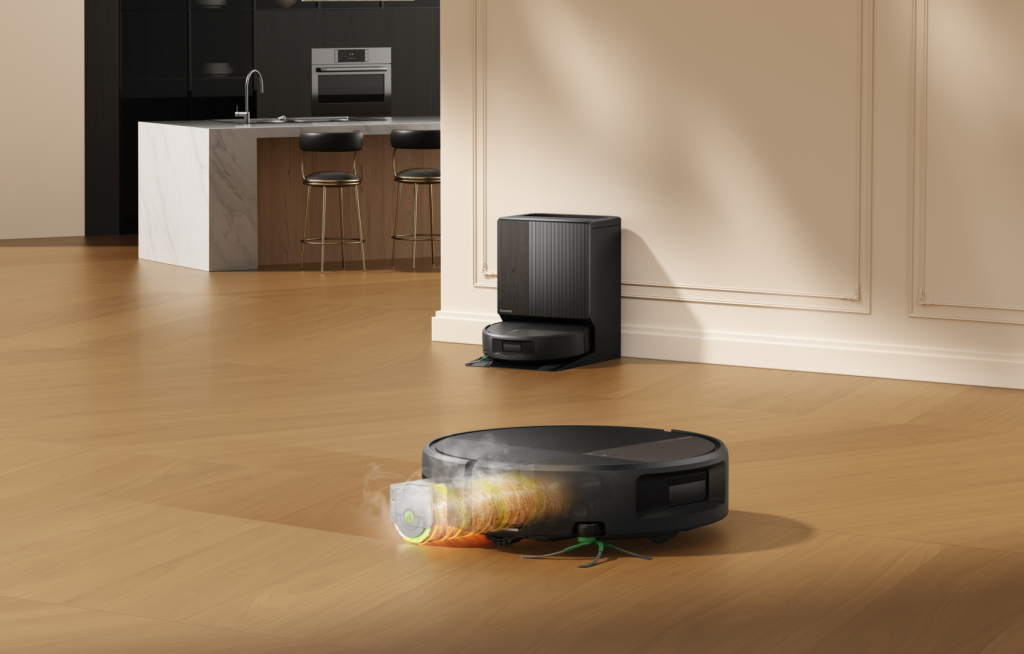
iRobot built its name on bump-and-turn navigation, so the flagship Roomba Max 875 Combo leaning on lidar and camera-based mapping instead says a lot about how far the category has moved. The standout feature is SealForce, which drops a sealing skirt around the cleaning head the moment the robot detects it has rolled onto carpet, turning ordinary suction into something closer to a proper upright vacuum’s grip on embedded dust and pet hair. It handles wet cleaning as well as vacuuming, and can climb obstacles and thresholds up to 3.5cm, enough for most door strips and rug edges that trip up cheaper robots. It’s positioned as the flagship it is, going up against the best from Roborock and Dreame rather than budget robovacs, and the real test will be whether SealForce actually changes carpet cleaning results rather than just sounding good on a spec sheet.
DJI Romo P2 and Romo A2
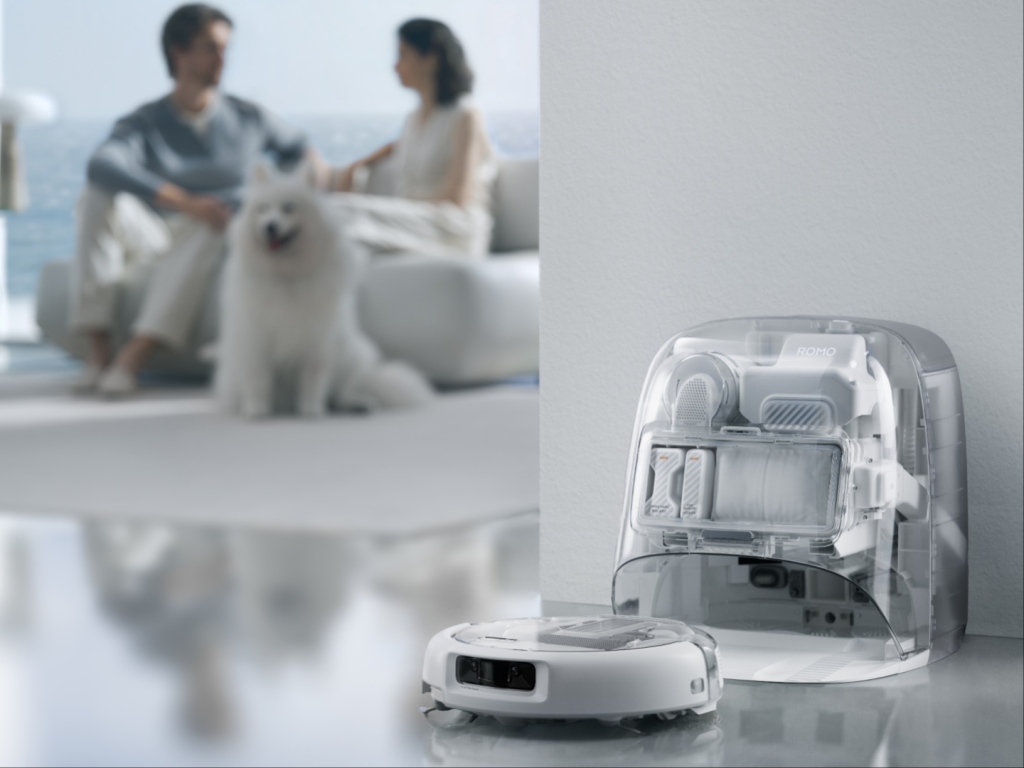
DJI’s first robot vacuum leaned hard on its drone pedigree for marketing, and the second generation actually backs that up with a genuinely unusual feature: a lidar-guided robotic arm that swings through 123 degrees to reach 7.8cm further under sofas and low furniture than the robot’s own body would normally allow, mopping right up to the skirting board instead of leaving the usual dusty margin behind. Obstacle avoidance is rated down to 2mm, and the robot can climb single-step obstacles up to 4cm and double thresholds up to 8.5cm, figures well ahead of what most rivals claim. DJI is also leaning into privacy with a Local Data Mode arriving later this year, which cuts the companion app’s internet connection entirely so nothing gets uploaded, with the camera and microphone able to be switched off at any time regardless of which mode is active. It comes in two versions with identical specs beyond colour, the transparent Romo P2 and the white Romo A2, and both fully recharge via 55W fast charging in two and a half hours.
Headphones doing more thinking than the person wearing them
Anker used IFA to introduce Thus, a new audio chip built to run AI processing inside its own memory rather than shuttling data back and forth to a separate processor, and put it into four very different products at once.
Anker Soundcore Space 2 Pro

The Space 2 Pro is the flagship showcase for Thus, and the silicon shows up in two places at once. An eight-sensor array feeds the chip real-time data to adjust noise cancellation on the fly, and the same processor handles voice and background noise separation during calls, the kind of feature that usually only shows up on much pricier headphones. Battery life is rated at 30 hours with ANC running or 60 hours with it switched off, genuinely strong numbers that make a full week of commuting between charges realistic. It’s pitched to undercut flagship noise-cancelling headphones from Sony and Bose by a wide margin, though the previous Space 2 struggled against pricier rivals on outright sound quality, so how much the new chip actually improves on that will matter more than the spec sheet alone. It’s due to ship on 22 September.
Anker Soundcore Liberty Buds 2
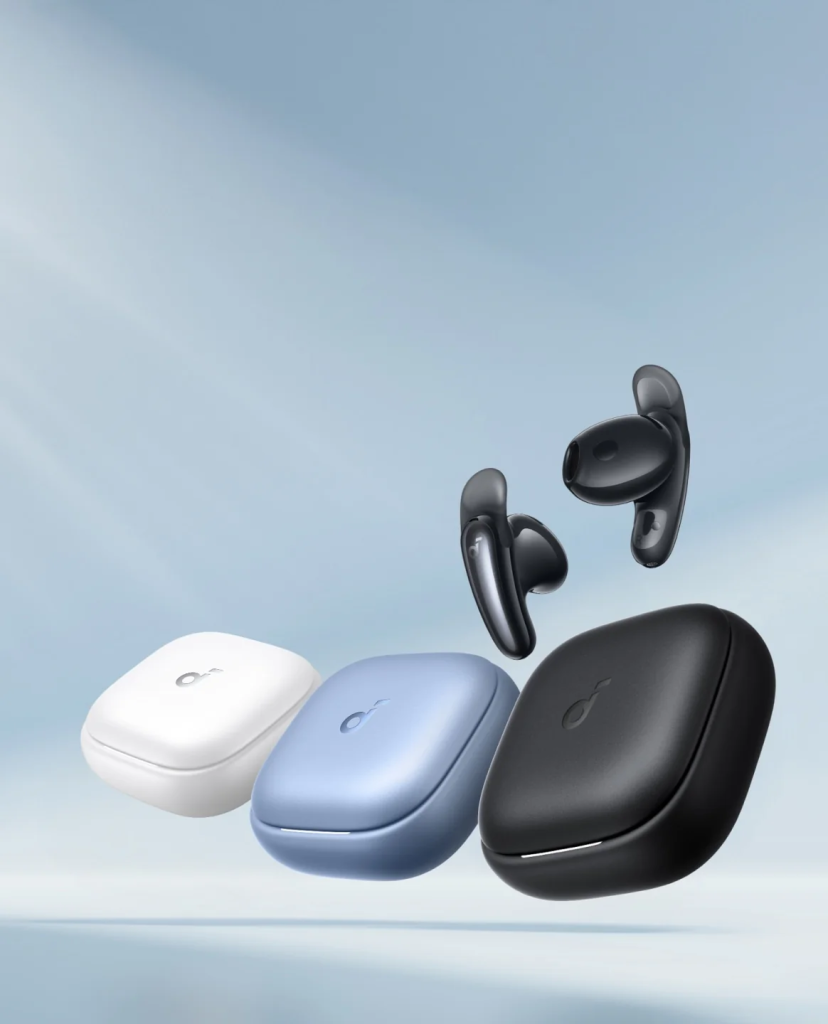
Strong active noise cancellation has a well-known side effect nobody likes to talk about: a physical pressure feeling in the ear that can turn a long flight into a headache. The Liberty Buds 2 build in a specific Comfort ANC mode aimed at reducing exactly that sensation, alongside a six-microphone system the Thus chip uses to keep noise cancellation and call quality sharp. A 9.2mm driver built from a wool paper diaphragm is an unusual material choice for earbuds at this price, and Anker is pitching it as a way to get warmer, more natural mid and low frequencies than the plastic diaphragms most budget earbuds use. They sit well under the Space 2 Pro in Anker’s own line-up while still getting the same generation of noise-cancelling silicon, arguably the more sensible pick of the two for anyone who doesn’t specifically want over-ears. They launch alongside the rest of the range on 22 September.
Anker Soundcore AeroClip 2 Pro
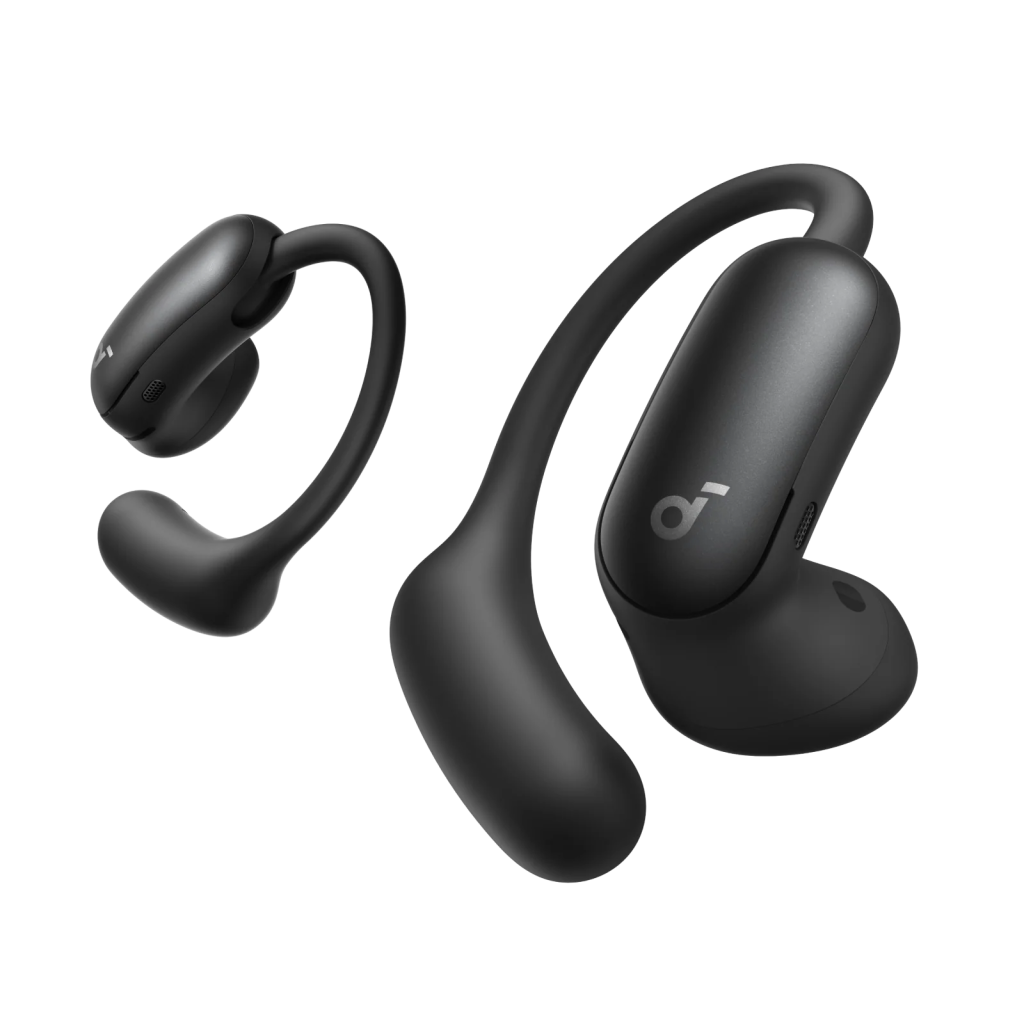
The AeroClip 2 Pro’s pitch is specific enough to be genuinely interesting rather than another vague “AI-powered” label: an open-ear clip design built to sit through meetings and conversations, quietly recording while an onboard assistant called Anka transcribes and summarises afterwards, with the results exportable as a PDF or Word document and searchable months later. Four high-signal microphones and two bone-conduction sensors are there to keep your own voice clear even in noisy rooms, while an 11mm dual-diaphragm driver with LDAC support means the earbuds are still trying to be genuinely good headphones rather than just a recording gadget with speakers attached. Open-ear designs always trade isolation for awareness, so anyone wanting to block out a train carriage should look elsewhere in the range, and Anker hasn’t confirmed a release date yet, only that it sits at the top of its new audio lineup.


