


8 gadgets that stole the show at IFA 2026
A phone that turns into an e-reader on command. TVs getting brainier instead of just brighter. AI chips hiding inside machines that don’t even carry Nvidia’s name. This year’s Berlin show didn’t just have gadgets, it had genuine surprises.
IFA rarely delivers one big “wow” moment. What it delivers instead is volume: hundreds of exhibitors, dozens of categories, and unmistakable proof that every corner of consumer tech is moving fast at once. This year, phones borrowed tricks from e-readers, TVs got smarter instead of just brighter, gaming handhelds chased full PC power, and AI chips turned up inside machines that don’t even carry their maker’s name on the box. These are the eight announcements from IFA 2026 so far that actually earned the fuss.
Phones that finally do something different
TCL P80 Ultra
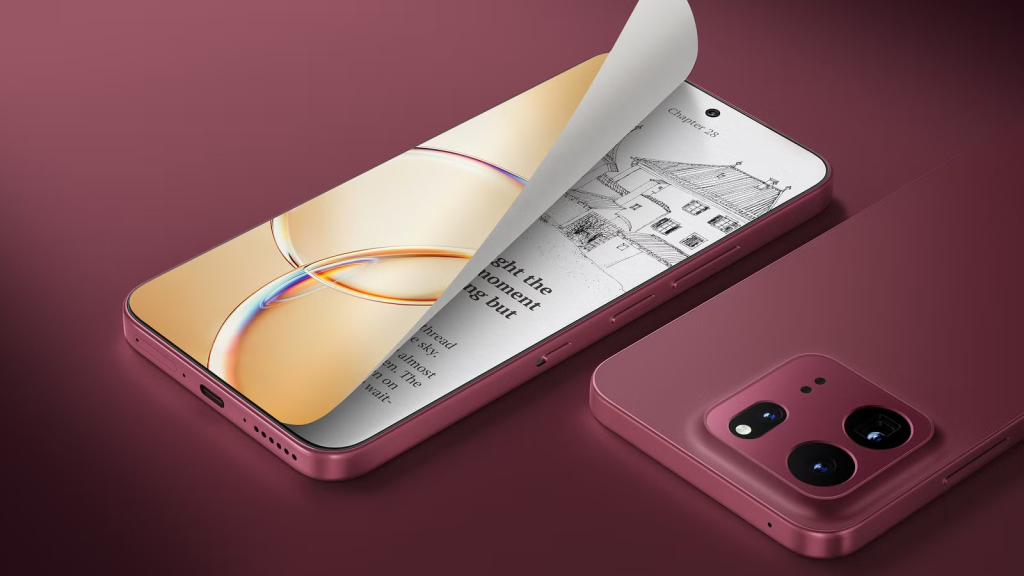
TCL’s NxtPaper phones have always meant a trade-off: a genuinely restful, glare-free reading mode, but only on a dim, LCD-grade screen the rest of the time. The P80 Ultra is the first to drop that compromise entirely, pairing a proper 6.83-inch AMOLED display, 3,200 nits of peak brightness and full DCI-P3 colour, with a dedicated NxtPaper key that flips the whole screen into a monochrome, paper-like Max Ink Mode on demand. TCL says that mode alone can stretch a single charge to seven days of continuous reading, with more than 500 books preloaded and standby lasting the better part of a month. The rest of the spec sheet holds up its end too: a 50-megapixel main camera with a genuine 3x periscope telephoto rather than a token zoom, IP68 water resistance, and 45W charging for the 5,800mAh battery. It’s already on sale across Europe, and at well under what most flagships charge, it offers a lot more display flexibility than phones costing considerably more.
TVs getting brainier, not just brighter
LG’s α11 AI Processor Gen3 lineup
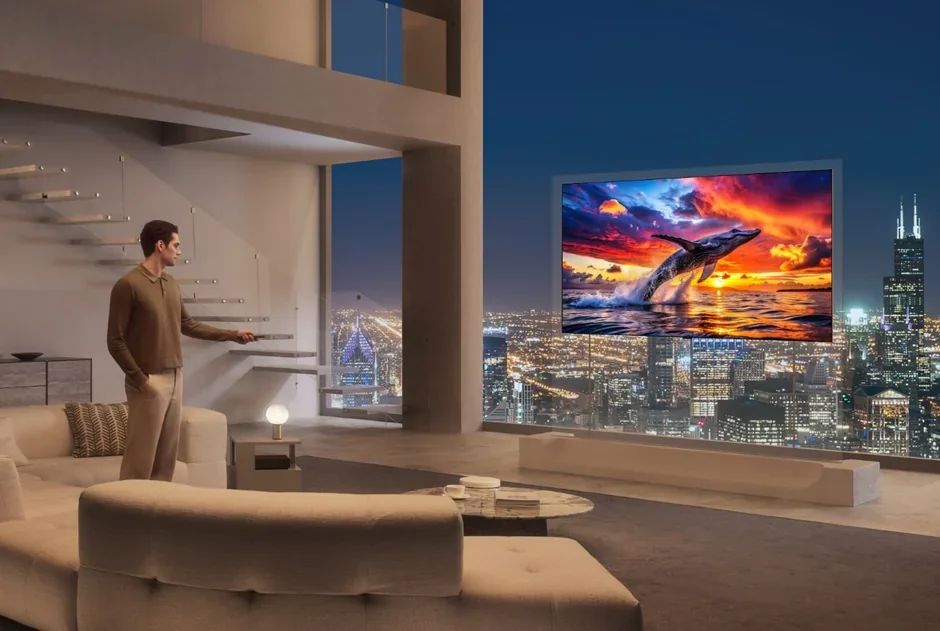
LG used its usual Hall 18 stage to lean almost entirely on software rather than a single showstopping panel this year. The new α11 AI Processor Gen3 sits at the centre of its 2026 OLED lineup, handling upscaling and tone mapping and now taking on a wider set of on-device AI tasks that LG says adjust picture and sound settings to whatever’s actually playing rather than applying one fixed profile across everything. It’s a quieter story than another headline brightness number, but arguably the more useful one: most people notice a TV that automatically handles a badly mastered stream or a dim night scene far more than they notice a few hundred extra nits nobody’s living room will ever actually use.
Samsung’s Micro RGB and TCL’s SQD Mini LED push
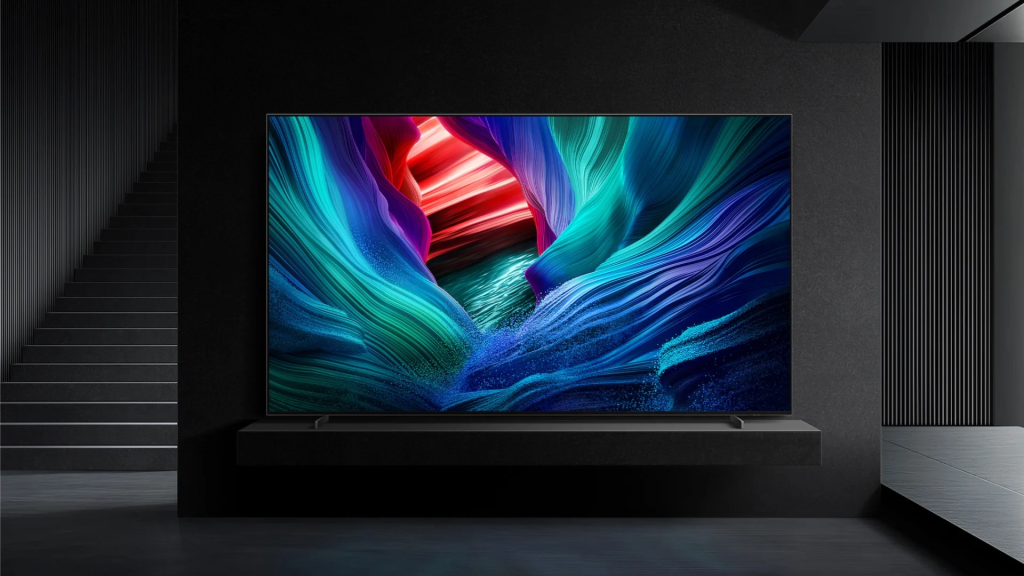
Samsung took a slightly different approach to this year’s show, running its main display away from the Messe Berlin halls at Humboldt Carré in the city centre while still showing up across IFA’s official programme, and continuing to push its Micro RGB backlight technology as its answer to OLED’s perfect blacks without OLED’s brightness ceiling. TCL, over in Hall 21A, took the more traditional route, filling its stand with SQD Mini LED panels alongside its NxtPaper devices and a broader NxtHome smart home platform push. Between the two, the underlying story is one that’s been building for a couple of years now: Mini LED and Micro RGB backlighting closing the gap on OLED’s contrast while still beating it comfortably on peak brightness, at prices that increasingly undercut it too.
Portable PCs, same fight, different angles
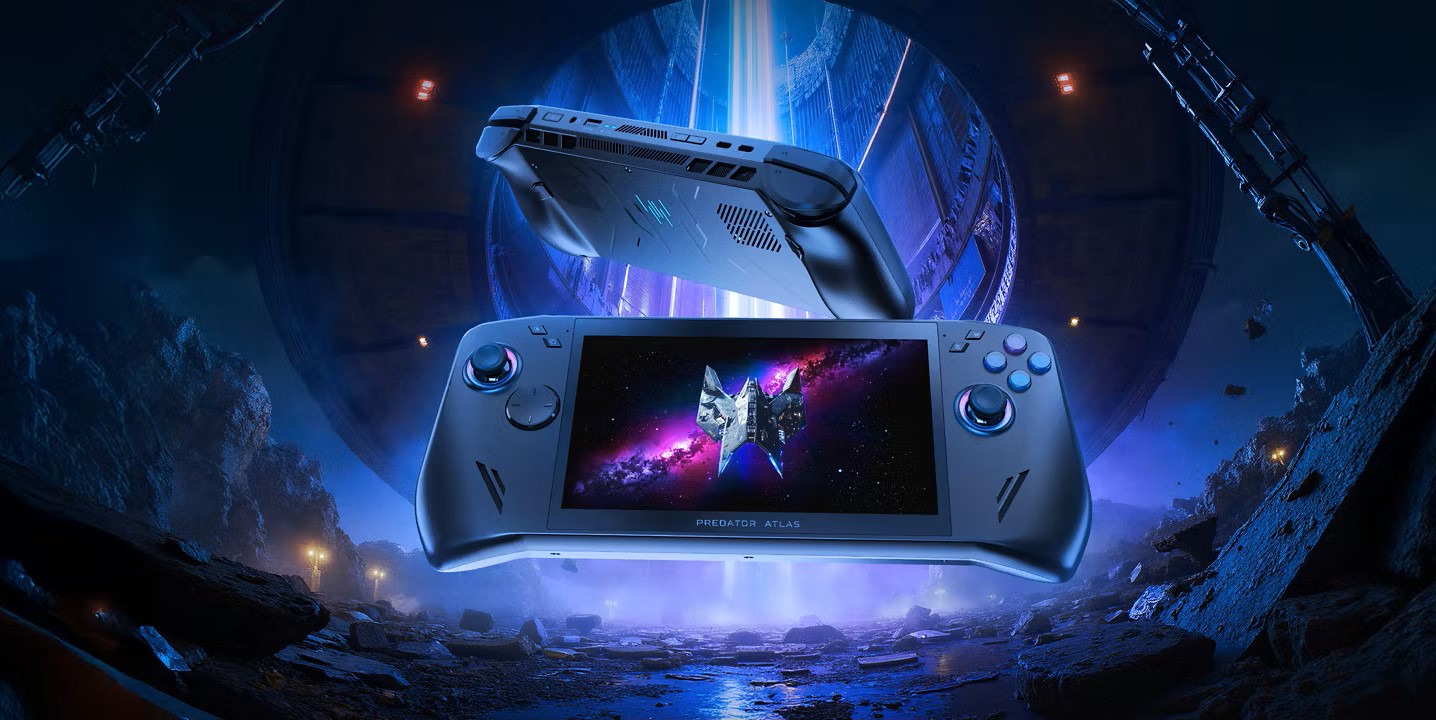
Acer Predator Atlas 7
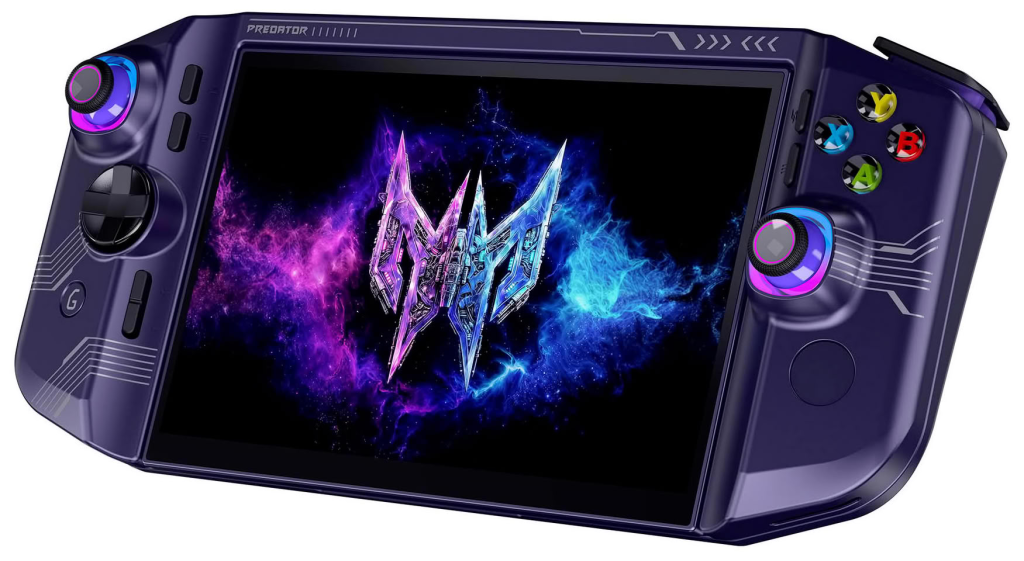
Acer’s Predator Atlas 7 is aimed squarely at people who want PC-class gaming without carrying an actual PC, and the spec sheet backs that ambition up more than most handhelds in this category manage. Configurable up to an Intel Arc G3 Extreme processor, it’s built to run genuinely demanding titles rather than the cut-down mobile ports that plague cheaper handhelds, and the 7-inch, 120Hz panel rated at 500 nits should hold up reasonably well even with a window behind you. It sits in an increasingly crowded field of PC handhelds all chasing the same Steam Deck-shaped opportunity, and the deciding factor for most of them ends up being battery life under real load rather than anything on a spec sheet, which is exactly the number Acer hasn’t confirmed yet.
Acer Swift Air 16
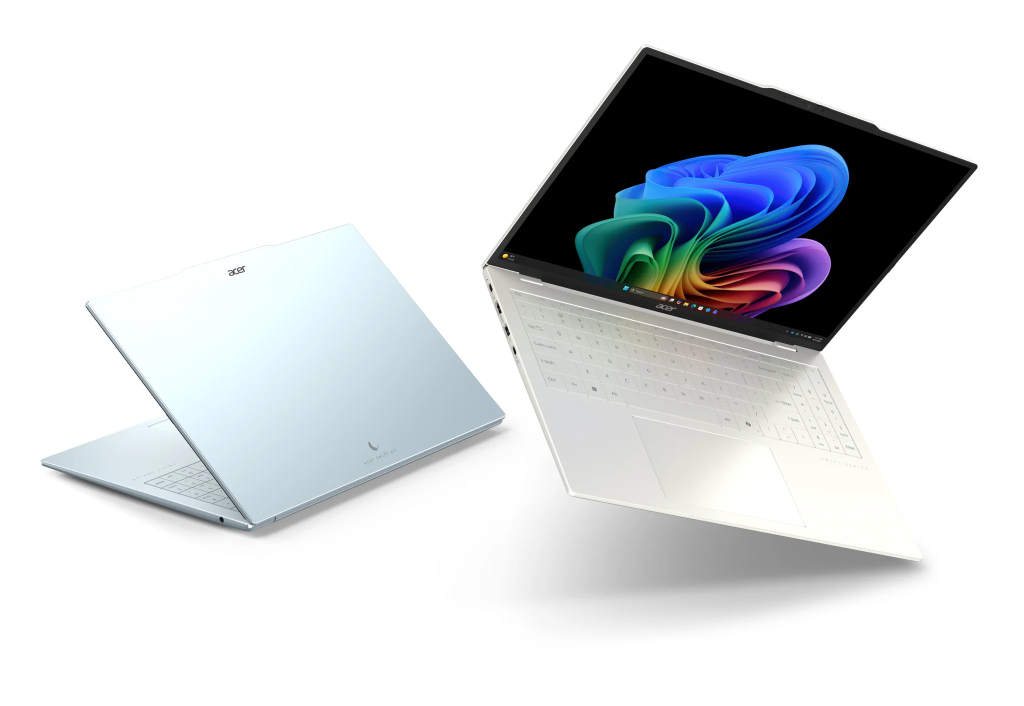
A 16-inch laptop that weighs 1.5kg and measures 13.3mm thick sounds like a contradiction, but that’s the pitch behind Acer’s new Swift Air 16, and a 3K OLED panel with quad-speaker audio mean none of that thinness comes at the cost of actually using the screen or the sound for anything beyond spreadsheets. An Intel Core 7 350 processor with up to 40 platform TOPS of AI performance keeps it in line with this year’s crop of Copilot+ style laptops, and the combination of a genuinely portable chassis with a display worth looking at is a rarer pairing than it should be at this size. North American availability wasn’t confirmed alongside the announcement, so anyone outside Europe should treat a firm release date as still pending.
AI breaks out of the cloud
Acer Veriton RI 110 AI Mini Workstation
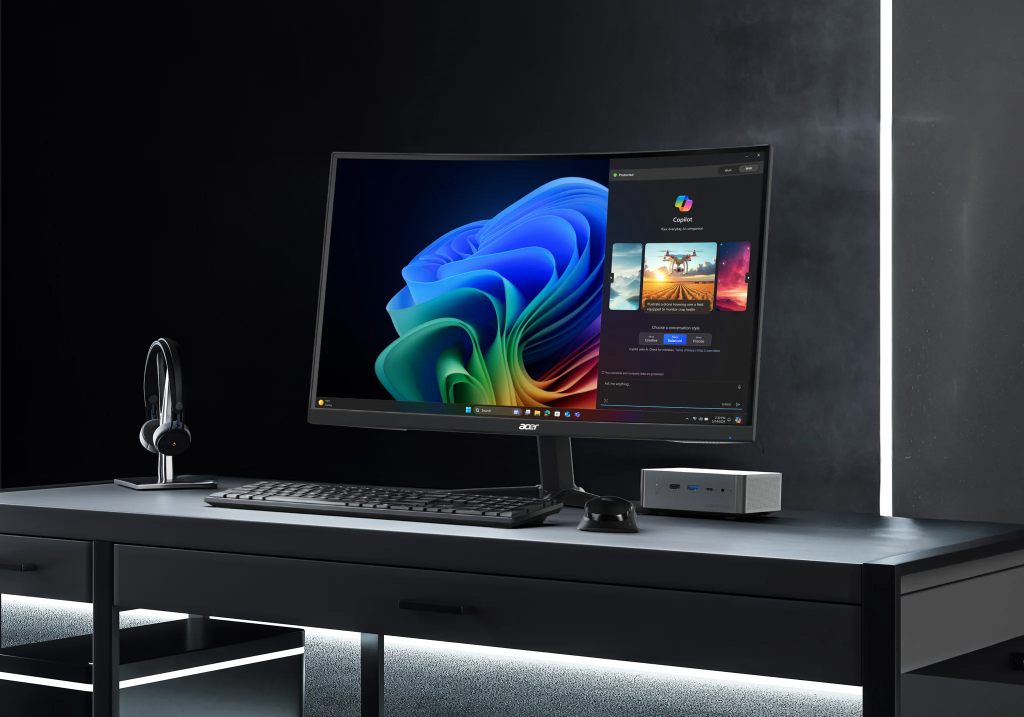
Running large AI models locally, rather than through a cloud subscription, usually means a desk-sized tower and a power bill to match, and the Veriton RI 110 is Acer’s attempt to shrink that down to something that fits in a bag. Built around an Intel Core Ultra X7 358H processor, Intel Arc B390 graphics and up to 96GB of fast LPDDR5X memory, Acer says the compact workstation can handle AI models with up to 120 billion parameters entirely on-device, with no internet connection or ongoing subscription required once it’s set up. It’s a niche machine aimed squarely at developers and small studios rather than a general laptop upgrade, but it’s a useful data point for how quickly “run it locally” has gone from a hobbyist project to something a mainstream PC maker will sell off the shelf.
Nvidia RTX Spark, everywhere and nowhere
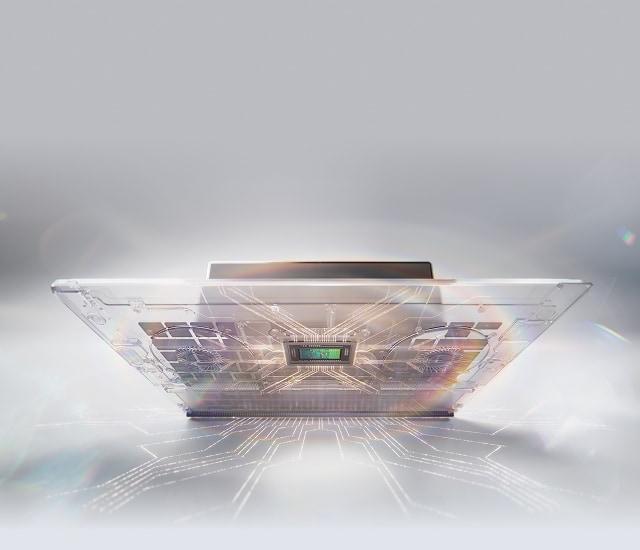
Nvidia didn’t bother with its own booth at IFA this year, choosing instead to let its hardware show up inside other companies’ machines, which if anything says more about how central its chips have become to this year’s AI PC story than a standalone display would have. RTX Spark, the platform quietly running through several partner devices on the show floor, pairs a 20-core Grace Arm CPU with a Blackwell-generation GPU, the same architecture family Nvidia’s been using to push local AI processing rather than cloud-dependent inference. It’s the kind of hardware most show visitors won’t interact with directly, buried inside laptops and mini PCs carrying other brands’ names, but it’s arguably doing more to shape what “AI PC” actually means in 2026 than any single branded product on the floor.
Sleep tech ditches the wearable
Anker SleepLab Pro

Sleep trackers have mostly meant another ring or watch to remember to charge overnight, and Anker’s SleepLab Pro skips that entirely by tracking sleep from a bedside unit using radar rather than anything worn on the body. It’s a genuinely different approach to a category that’s otherwise been stuck on the same wearable-sensor formula for years, and removing the “remember to put it on” step is likely to matter more for actual long-term use than any single extra metric a ring or watch could add. Radar-based sleep tracking has shown up in smart displays and speakers before with mixed accuracy, so the real test will be whether Anker’s version holds up against a dedicated wearable rather than just a compelling pitch on a spec sheet.
Taken together, this year’s reveals point the same direction from different angles: AI moving from a sticker on the box to something actually running on the device in your hand, screens getting smarter about what they’re already showing instead of just brighter, and portable hardware chipping away at every reason to own something bigger. IFA still has days left to run, and the biggest surprise usually lands on the last day, not the first, so treat this as the opening word, not the final one.