
Hey, listen! Ocarina of Time is reborn on Switch 2, and now you can hum your way through Hyrule
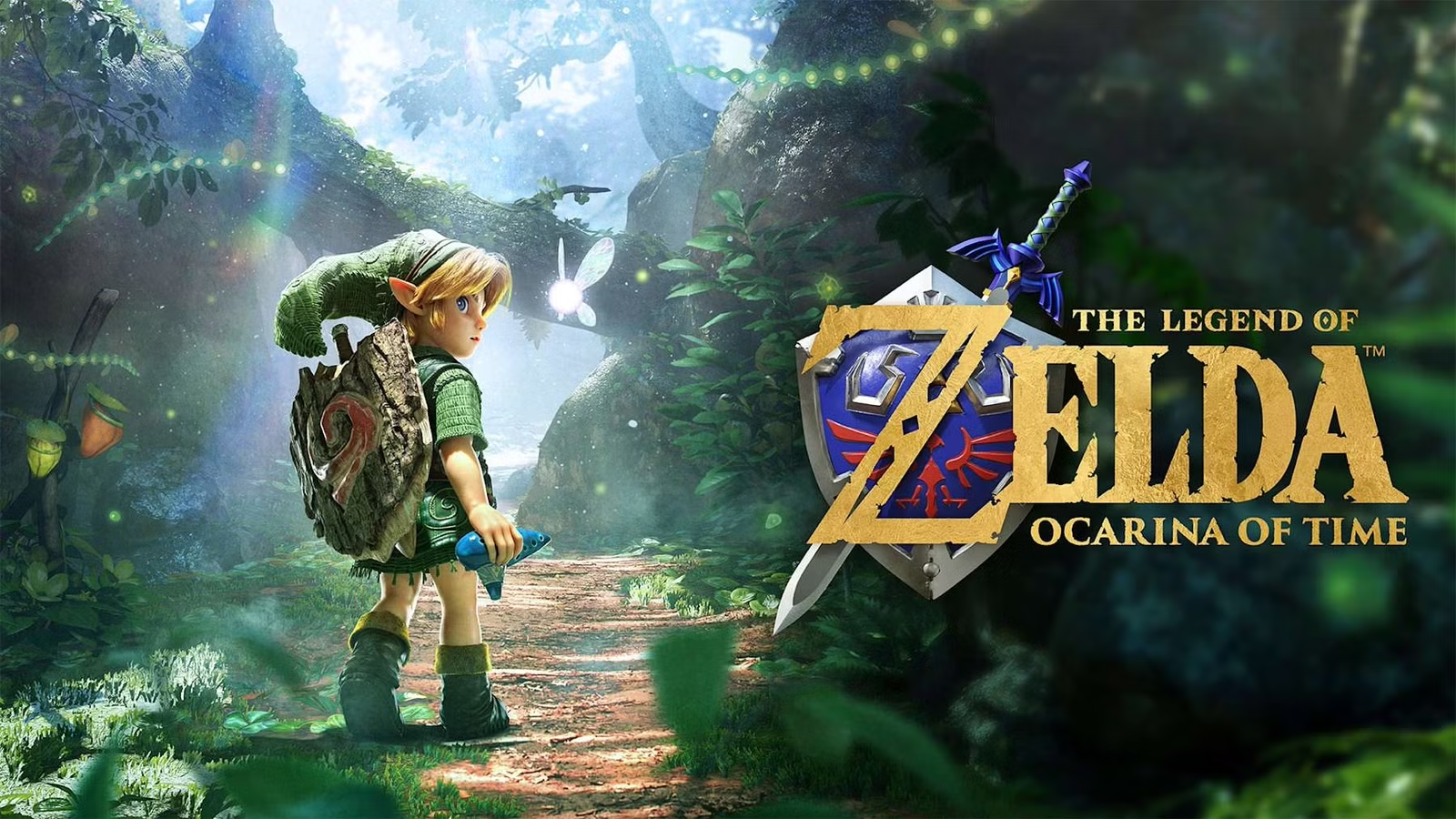
Twenty-eight years after it first arrived on the Nintendo 64, The Legend of Zelda: Ocarina of Time is back. Nintendo’s full remake launched on 5 November, exclusively on Switch 2, and from everything we’ve seen, this is no quick lick of paint. It’s a ground-up rebuild of a game that plenty of people (us included) still call the greatest ever made.
That’s a lot to live up to. So before you hand over your money, here’s what’s new, what’s stayed the same, what it costs in the UK and whether it’s worth your time if you’ve never touched a Zelda game in your life.
So, what exactly is it?
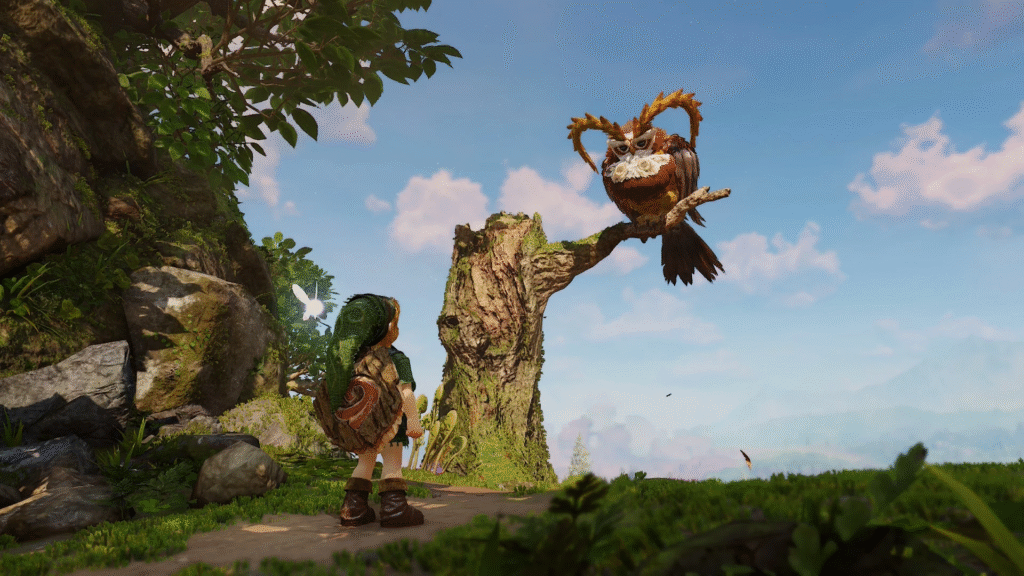
The story hasn’t changed, and frankly it shouldn’t. You play Link, a boy from the forest with a fairy called Navi permanently hovering at his shoulder, who sets out to stop the sorcerer Ganondorf from getting his hands on the Triforce. Partway through, the game jumps seven years into the future and you carry on as adult Link, in a Hyrule that has gone very badly wrong in your absence. Hopping between the two eras to crack puzzles is still one of the smartest ideas Nintendo has ever had, and it holds up beautifully.
Almost everything around that story has been rebuilt, though. Nintendo lists completely overhauled visuals, voiced cutscenes, expanded dialogue, a symphonic orchestral score and reworked camera and movement controls. That last one matters more than it sounds. The original’s camera was revolutionary in 1998, but going back to it today can feel like steering a shopping trolley with a wonky wheel.
Then there’s the voice acting. Characters who used to speak in text boxes and the odd grunt now actually talk. Hearing Zelda, Impa and Sheik with proper voices is going to feel slightly surreal if you grew up with the silent version, but we think it’s the right call for a game that leans so heavily on its characters.
Hum your way through Hyrule
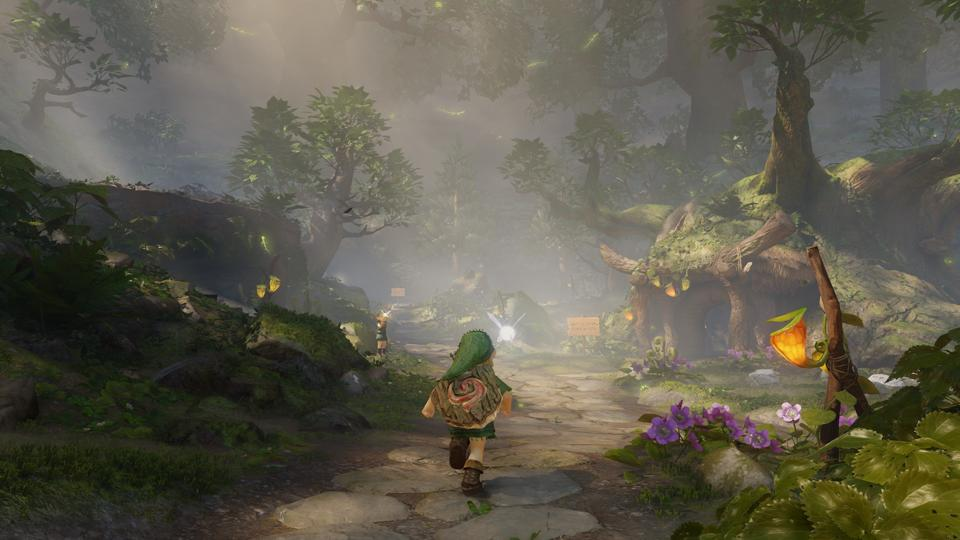
The feature we suspect will be all over your social feeds this weekend is the microphone. Switch 2 has one built in, and Ocarina of Time uses it to let you play Link’s ocarina by humming the tune. If you happen to own a recorder or a real ocarina, you can play that at the console instead. Prefer not to serenade your living room? The buttons still work exactly as before.
It’s a lovely touch, and it makes sense. The ocarina has always been the soul of this game. You use it to turn night into day, call your horse Epona, warp between temples and, at one memorable moment, summon a storm. Turning those songs into something you physically perform makes a 1998 mechanic feel fresh without breaking what made it special in the first place. Humming Zelda’s Lullaby on a packed train? Mortifying. At home? Absolutely.
New reasons for veterans to go back
If you’ve already finished the original several times over (no judgement here), Nintendo has added a few extras. The Hall of Fallen Foes lets you take on powerful enemies again after you’ve beaten them, which is ideal if you’ve always wanted a cleaner run at Volvagia or a rematch with Ganondorf that doesn’t end with your controller across the room. There are also “fairy thoughts” hidden around Hyrule, little collectibles that reveal fun titbits about the world and its inhabitants.
Nintendo has also gone big on the second screen. Inside the Nintendo Switch App, a service called ZELDA NOTES tracks your daily achievements and sets challenges where you find in-game locations from pictures in the app, earning points to swap for music scores you can play on a virtual ocarina. You can compose your own tunes, share them by QR code and take an Ocarina of Time quiz. Essential? Not really. Will we lose an evening to the quiz anyway? Almost certainly.
How much does it cost in the UK?
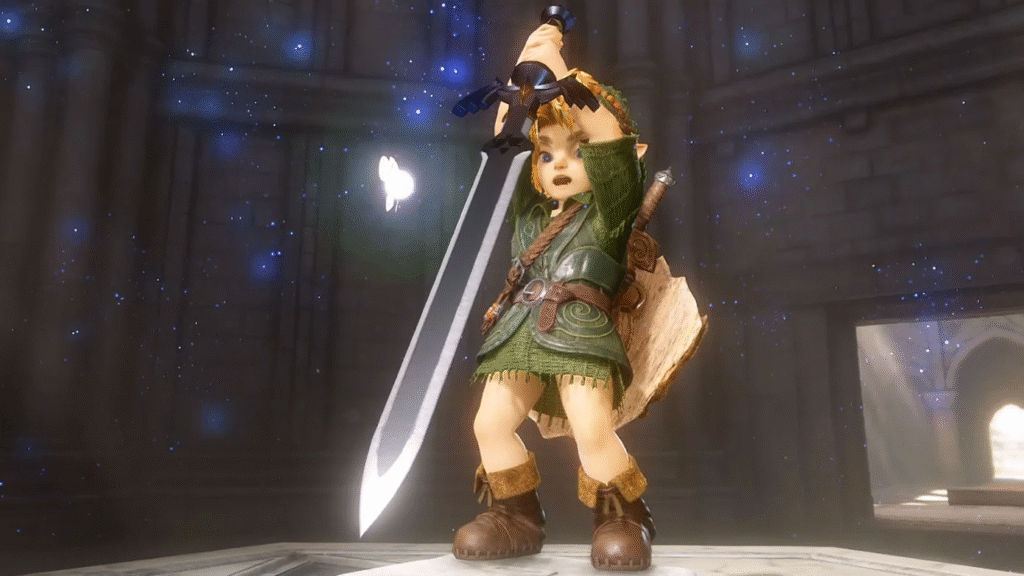
Here’s the pleasant surprise. Ocarina of Time costs £49.99 digitally from the Nintendo eShop, while the boxed version has an RRP of £59.99. At a time when big Switch 2 releases have been creeping steadily upwards, that feels refreshingly reasonable for a full rebuild of a genuine classic.
It’s also worth shopping around if you want a physical copy. Several UK retailers were already selling it below RRP during pre-orders, so don’t assume the sticker price is the final word.
One important caveat: this is a Switch 2 exclusive. It won’t run on the original Switch, so if you haven’t upgraded yet, the full cost of entry is considerably higher. If you have been holding out, Nintendo launched a special Switch 2 Legend of Zelda 40th Anniversary Edition console on 29 October, which is about as obvious a nudge as Nintendo could give.
Do you need to have played other Zelda games?
Not at all. Ocarina of Time is a standalone adventure, and Nintendo is pitching it as a jumping-off point for newcomers. We agree. It covers everything the series is known for, from dungeons and puzzles to sword fights and an awful lot of treasure chests, with trips up Death Mountain and down into Zora’s Domain along the way.
There is one thing to flag if your only Zelda experience is Breath of the Wild or Tears of the Kingdom. Ocarina is a far more structured game. You won’t be climbing any surface you like or building contraptions out of logs. Instead, you work through dungeons in a set order, collect specific items and use them to open new paths. Some players will find that a little old-fashioned. We find it refreshing, a reminder that a carefully designed temple can be every bit as thrilling as a huge open map.
Why this one matters
2026 marks the 40th anniversary of The Legend of Zelda, and Nintendo clearly wanted its biggest celebration to land on the game that defined 3D adventures for a generation. It’s not the first time Ocarina has been revisited, as it came to the 3DS as Ocarina of Time 3D back in 2011, but that was a handheld refresh. This is the first time it has been properly rebuilt for a modern home console, with the production values to match.
The timing is canny, too: a clear run at Christmas and a fortnight of headlines before GTA VI lands on 19 November.
What do we think about it
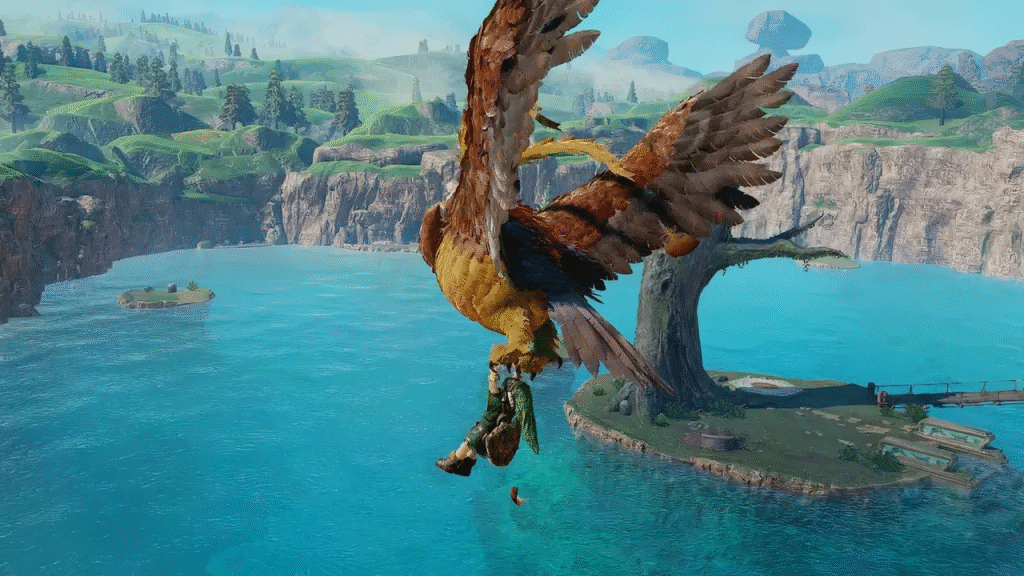
Remakes of beloved games are a risky business. Change too much and fans revolt, change too little and you’ve basically charged full price for an old game in a new box. From what Nintendo has shown, Ocarina of Time looks like it’s found that sweet spot: the same story, structure and dungeons, wrapped in modern visuals, a full orchestra, real voices and controls that won’t make you want to throw your Joy-Con out of the window.
The humming ocarina is the kind of playful, slightly silly idea only Nintendo would bother with, and we love it for that. At £49.99 digital, it’s also one of the more reasonably priced big releases on Switch 2. If you’ve never played it, this is the version to start with. If you have, we suspect hearing that opening theme with a full orchestra behind it will be enough to send you straight back to Kokiri Forest.
The Legend of Zelda: Ocarina of Time is out now, exclusively on Nintendo Switch 2. You can find more details on Nintendo’s official site.


