

The 10 Travel Gadgets That Actually Earn Their Space in Your Carry-On
Most travel gear is airport-shop panic buying dressed up as planning. These are the ten things that justify their weight every single trip.
Travel tech has a clutter problem. Every roundup, every gift guide, and every “must-have for your carry-on” listicle finds new ways to sell you things that feel essential in a product description and spend the actual holiday at the bottom of a bag. The waterproof Bluetooth speaker. The collapsible kettle. The portable espresso maker that has never made espresso outside a hotel room.
This is not that list. Everything here passes a simple test: does it solve a real problem that comes up on most trips, and would you miss it if you left it at home? Ten products, ranked loosely by how often the problem they solve actually occurs.
For the Power-Anxious Traveller
Anker Prime 65W GaN Charger (3-port)
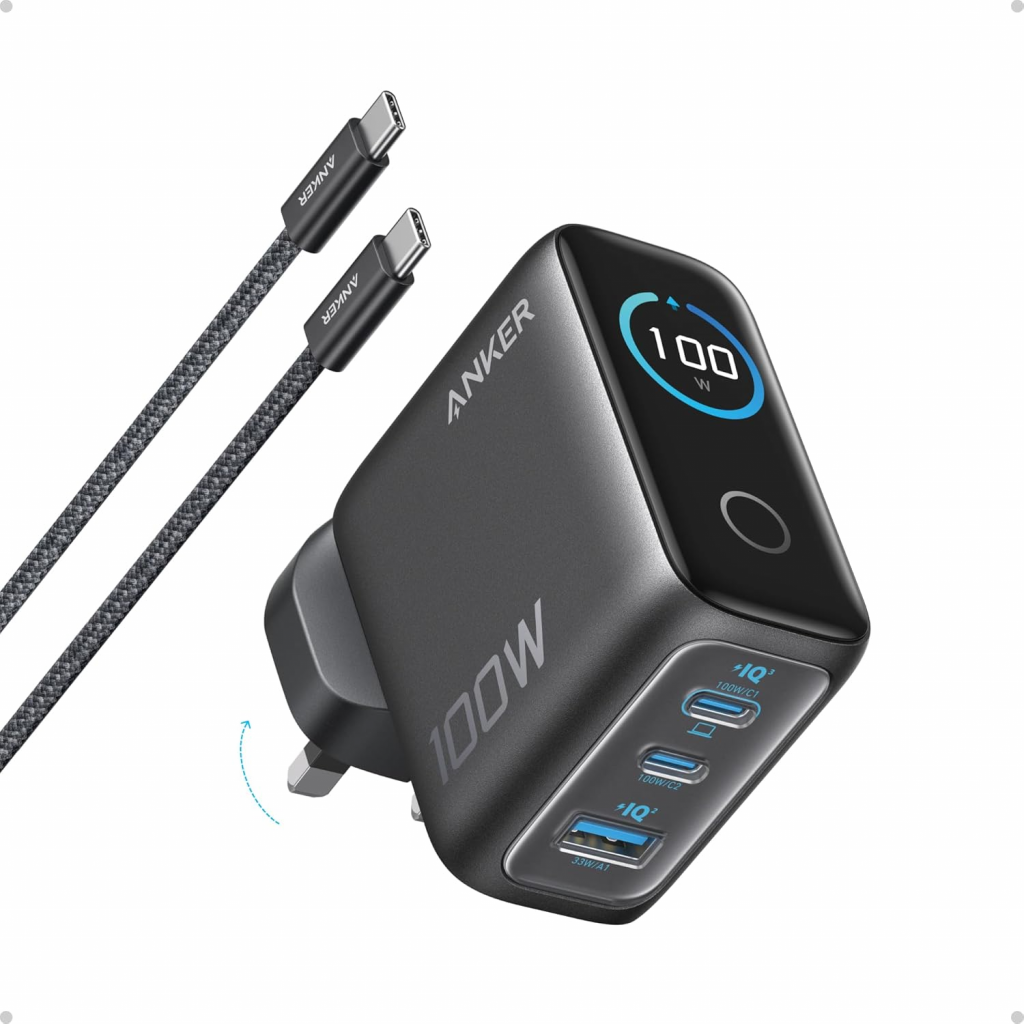
Your phone is your boarding pass, your map, your currency, your translator, and your camera. A dead phone at the wrong moment is not an inconvenience; it is a derailed day. The Anker Prime 65W solves this with a three-port GaN charger that fits in a jacket pocket and outputs enough power to charge a laptop, phone, and earbuds simultaneously. At 65W total output, it handles a MacBook or ultrabook at speed without needing a separate brick. The foldable UK plug means no sharp corners in a bag and no adaptor needed for domestic travel. For international trips, pair it with a universal adaptor rather than buying a travel-specific charger.
Anker 10,000mAh MagSafe Power Bank
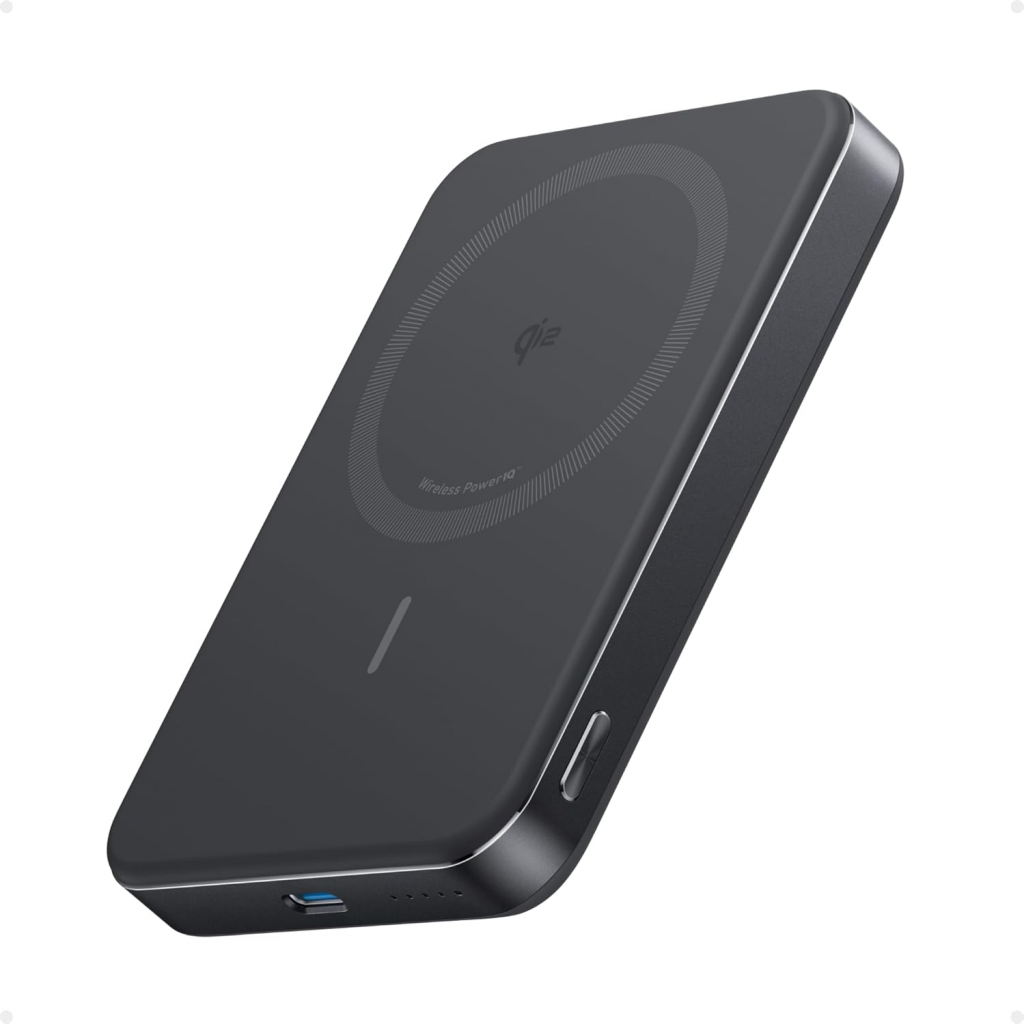
The 10,000mAh capacity here is less interesting than the form factor. This one snaps magnetically to an iPhone, charges wirelessly without being plugged in, and has a built-in kickstand for propping your phone on a tray table or hotel desk. The USB-C passthrough means it charges the phone and itself simultaneously from one cable. On a long-haul flight without a seat power port, it turns a flat iPhone into two and a half charged phones. It is not the highest-capacity power bank available. It is the one that disappears into a routine rather than requiring a separate charging ritual.
For the Silence Seeker
Sony WH-1000XM6

The category benchmark for over-ear noise cancellation in 2026. On a plane, a train, or in a city that has decided to do roadworks outside your hotel window at 7am, the XM6’s noise cancellation removes the problem rather than manages it. What Hi-Fi gave it five stars and placed it top of its wireless headphones guide for 2026. TechRadar called the noise cancellation “class-leading.” Both are correct.
The practical detail most reviews bury: the XM6 folds, unlike its predecessor which did not, which means it fits in a small shoulder bag rather than requiring a dedicated case. Battery life is 30 hours, which covers most long-haul routes with significant margin. The call quality is the best in this category, which matters when you are navigating an airport while also on a call about something that absolutely could not wait.
Sony WF-1000XM6
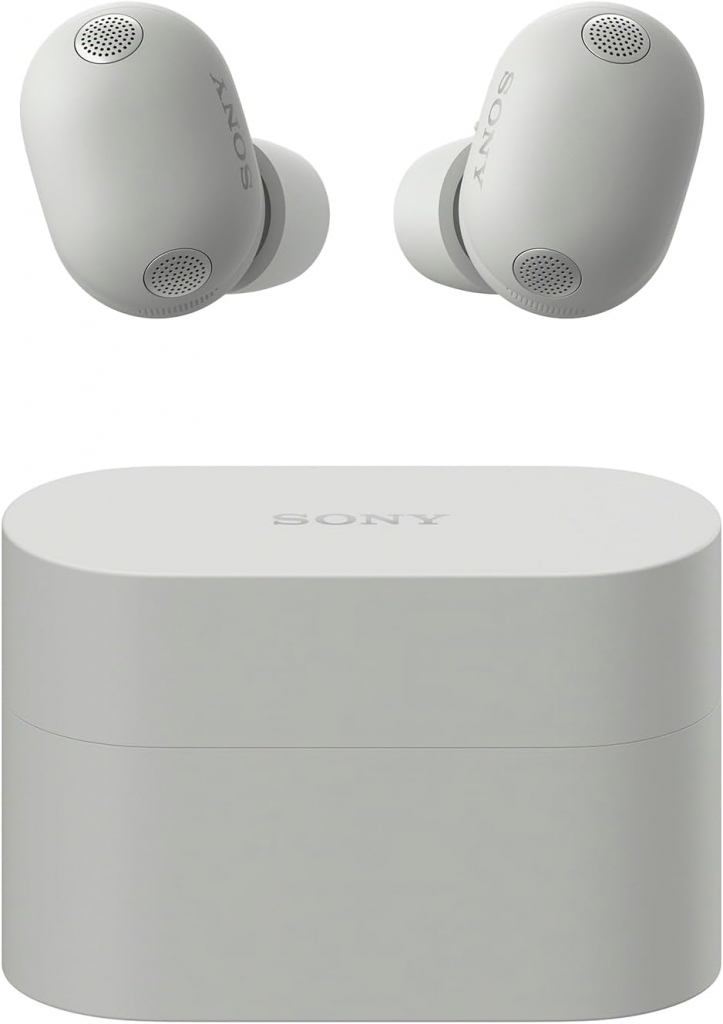
For trips where over-ear headphones feel like too much, the WF-1000XM6 earbuds are the What Hi-Fi top-ranked wireless earbuds of 2026 and currently sit above Bose QuietComfort Ultra Earbuds in most category guides. In-ear noise cancellation is not as absolute as over-ear, but the XM6’s performance is close enough that the trade-off, significantly more portable, is worth it for city trips and short-haul flights. One charge gives six hours of listening, with three further charges in the case.
The fit has changed from the XM5 with a new earbud geometry. Most people find it an improvement. A small number find it less secure during activity. Try before committing if possible.
For the Organised Packer
Bellroy Tech Kit
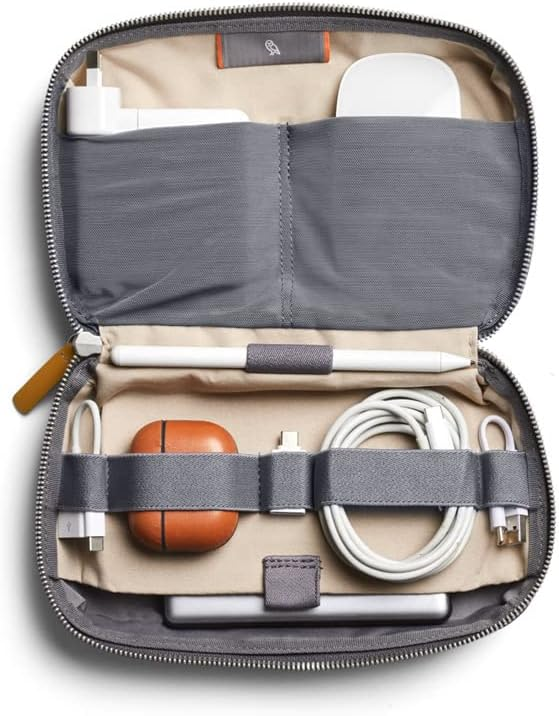
Cable management sounds trivial until you have spent nine minutes at an airport security tray reassembling everything you dug out of your bag to find one USB cable. The Bellroy Tech Kit is a zippered pouch with structured pockets and elastic loops that keeps accessories separated and accessible. Weatherproof fabric. Padded compartments for everything from AirPods cases to portable SSDs. It lays flat when opened, which means you can see everything at once without unpacking.
Packable’s reviewer and Pack Hacker both cite it as their consistent pick in travel organiser roundups through 2026. The premium over a generic cable organiser is real and worth it if you travel with more than four cables and a charger.
Anker MagGo 3-in-1 Travel Charger
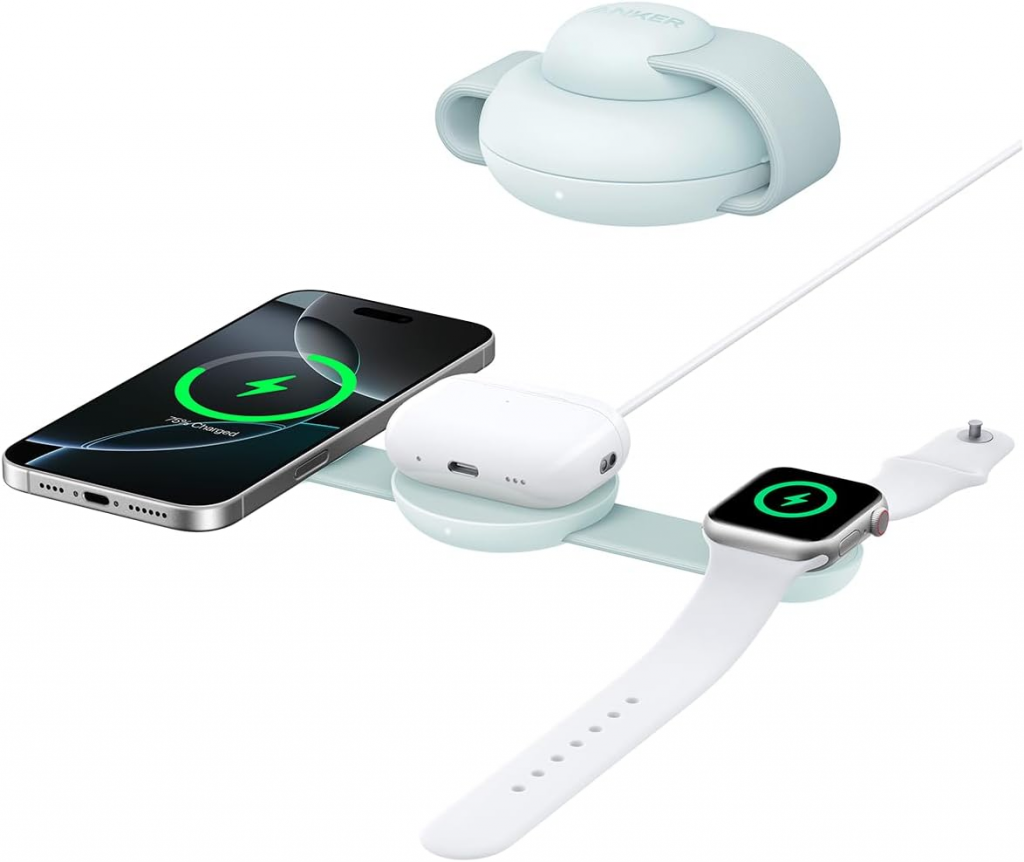
For Apple ecosystem travellers specifically, this collapses a MagSafe iPhone charger, an Apple Watch charger, and an AirPods charging surface into a single device that folds flat. The alternative is three separate cables and two adaptors. The 3-in-1 is one cable, one socket, and a surface that fits on a bedside table without covering it. At around 100g, it adds negligible weight to a bag. At around £45, it costs less than the time you spend untangling cables across a week of trips.
For the Navigator
Google Pixel Buds Pro 2
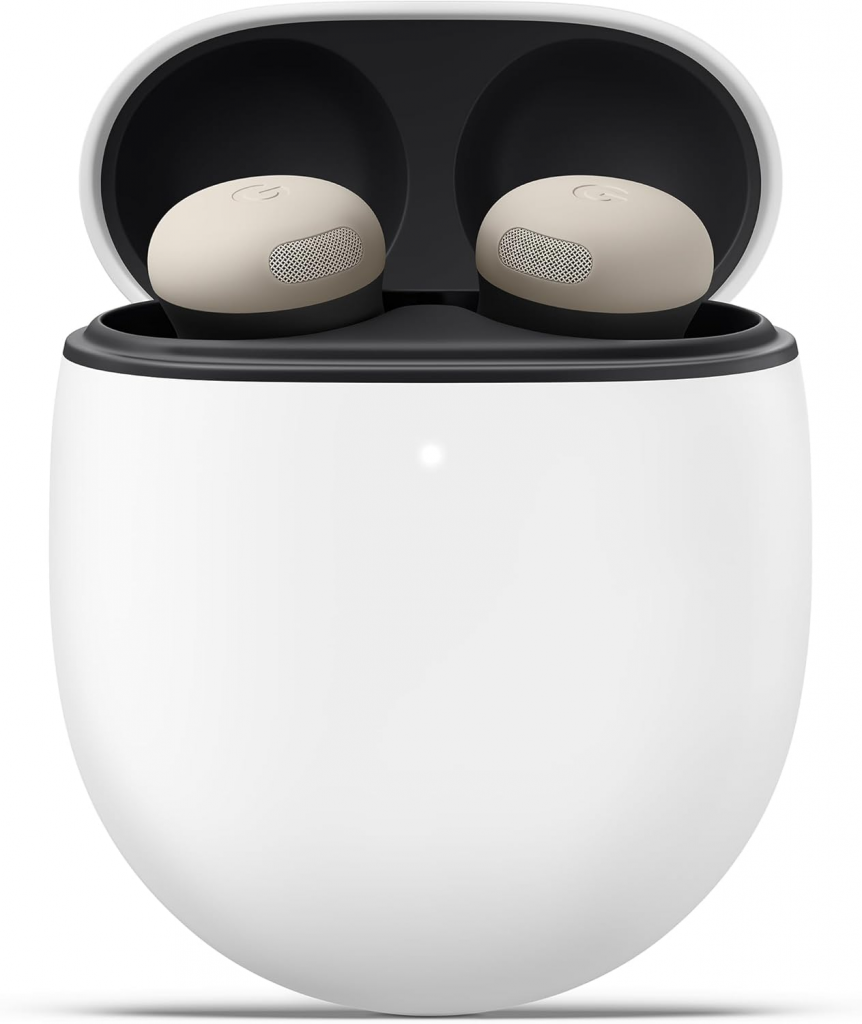
The Pixel Buds Pro 2 run a dedicated Tensor A1 audio chip that makes a noticeable difference to noise cancellation performance compared to the first-generation model. The specific travel value is Live Translate, which works in real-time for forty-three languages and supports 93 regional accents. In a city where you do not speak the language, handing one earbud to a shopkeeper or restaurant staff and speaking naturally while the other end translates is not perfect, but it is significantly better than pointing at a phone screen or trying to approximate “where is the station” in an accent the translation app cannot parse.
The noise cancellation is not at the level of Sony’s flagship earbuds. The Live Translate accuracy is as good as Google’s translation models, which means good for Latin and Germanic languages and noticeably less reliable for tonal languages and less-common regional dialects. For European travel, they are genuinely useful. For international travel to less commonly learned languages, manage expectations.
For the Light Sleeper
Mavogel Cotton Sleep Mask
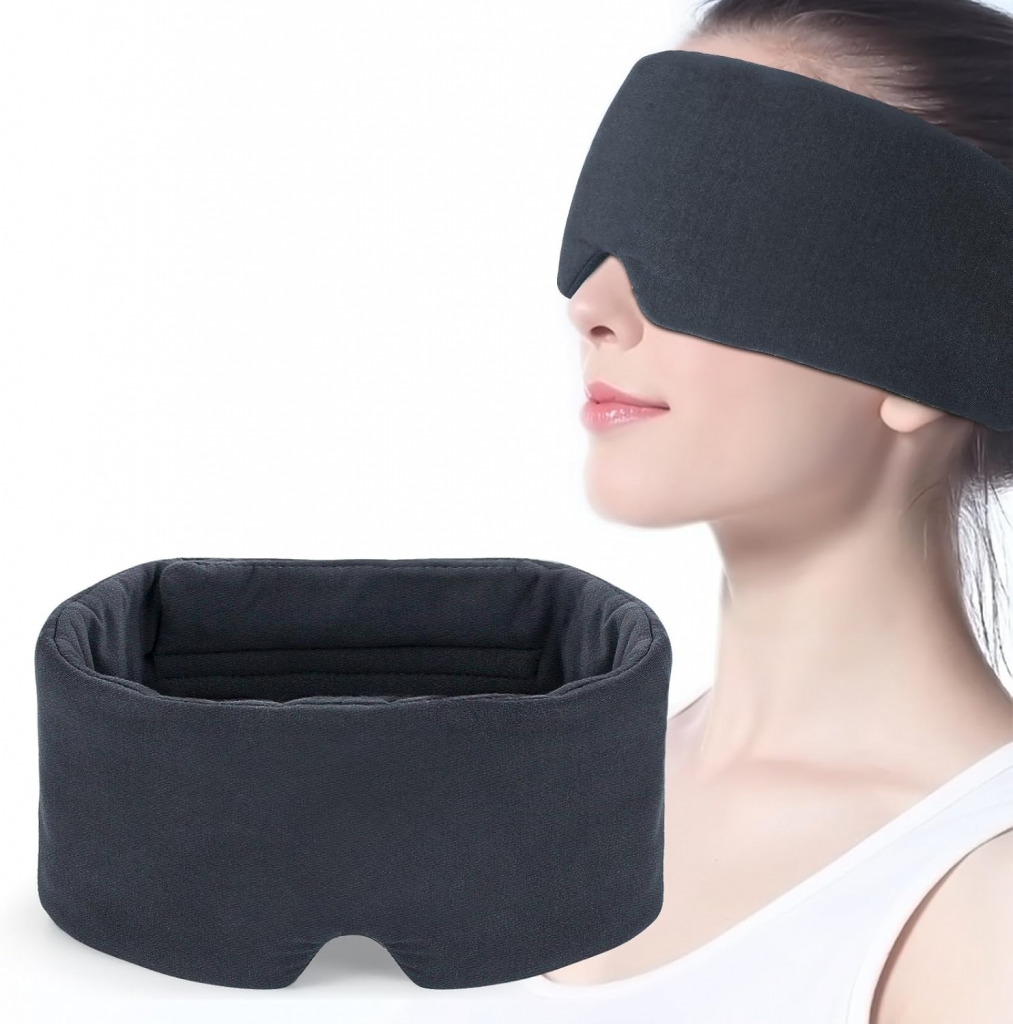
Every travel tech list should include one non-tech item, because sometimes the best solution to a problem is not electronic. Long-haul flights, overnight trains, and hotels with inadequate blackout curtains create the same problem: the light in the cabin or room does not respect your sleep schedule. A good sleep mask solves this for £12.
The Mavogel specifically uses a contoured cotton design that sits over the eyes without pressing against them, which matters if you find flat masks create discomfort around the eye socket. It comes with a carry pouch. It weighs almost nothing. Tom’s Guide and multiple travel editors name it consistently as the most useful low-cost travel item available.
Pair it with the Sony XM6s in noise cancellation mode and you have a sleep environment better than many hotels, regardless of what is happening outside the window.
For the Luggage-Weighing Anxious
FREETOO Digital Luggage Scale
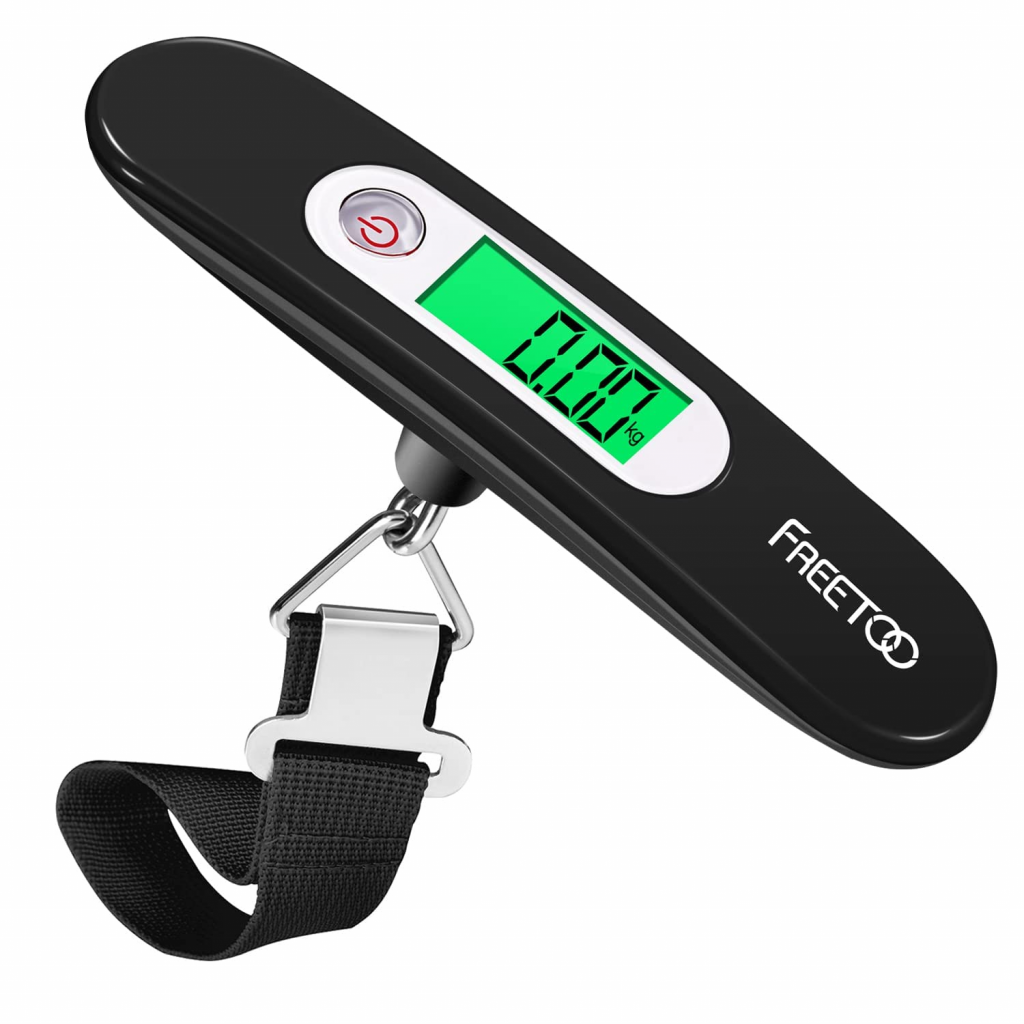
This one earns its place not because it is interesting but because it prevents a specific expensive and preventable problem. Overweight baggage fees at check-in, particularly on European budget carriers that charge £50 to £100 for bags over the limit, add up over a year of travel. A digital luggage scale costs under £15, weighs to 0.1kg accuracy, runs on a coin cell battery for years, and folds into a jacket pocket.
Attach the strap, lift, read the weight. The repacking calculation you do in your hotel room the night before travel is always preferable to the one you do kneeling on an airport floor with a queue behind you.
For the Smart Glasses Curious Traveller
Xreal One Pro AR Glasses
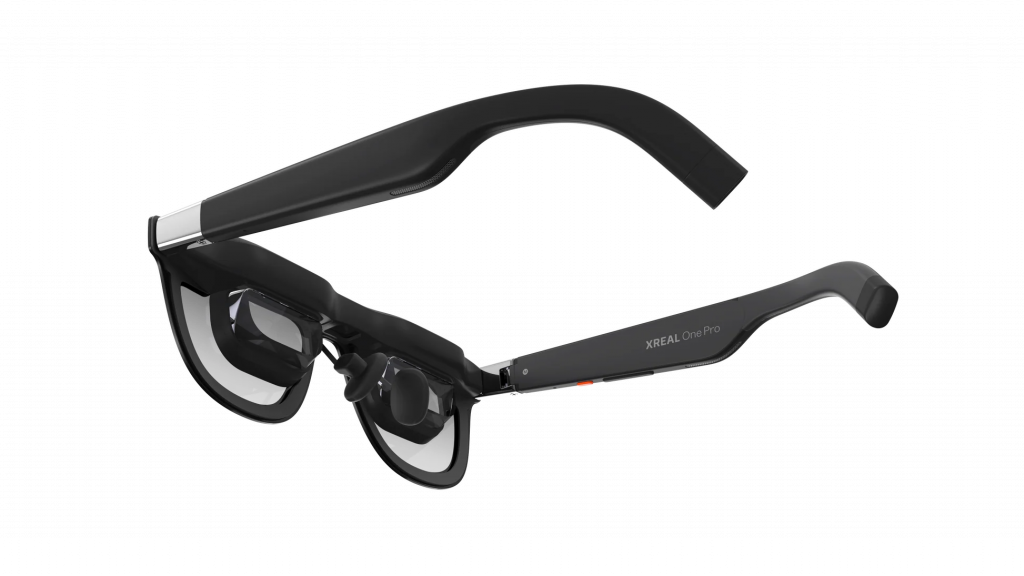
This is the one aspirational pick on the list, and it earns inclusion because the travel use case is more specific than most smart glasses coverage acknowledges. The Xreal One Pro provides a 50-degree field-of-view AR display in glasses that look like slightly oversized sunglasses. Connected to a phone or laptop, it turns a narrow airline seat into a personal cinema. On a six-hour flight with no entertainment system in the seat back, this matters considerably.
The translation features are present but secondary. The navigation overlay is useful but not essential. The case for these glasses on a long-haul flight specifically is that a private 100-inch virtual screen on an uncomfortable seat is a qualitatively different experience from squinting at your phone or the seatback screen three feet away.
At £449, they are a commitment. The connection to a compute puck rather than running standalone limits spontaneous use. But for frequent long-haul travellers who cannot sleep on planes and find twelve hours on a screen uncomfortable, the value calculation changes. Android XR glasses from Samsung and Warby Parker are expected in autumn 2026 and may recalibrate the category. If this is the use case you want to solve, the Xreal One Pro is the best available option right now.
What Not to Bring
Every travel gadget list should include a brief word on what to leave behind.
The portable Bluetooth speaker earns its place for camping trips and extended holidays with access to outdoor spaces. It does not earn its place for three-night city breaks where any sound environment you want to control requires headphones, not a speaker. Leave it at home.
The action camera is worth packing for active holidays where you are skiing, cycling, surfing, or doing anything that requires hands-free footage. For city travel, your phone does the job. Most people who pack a GoPro for a city trip take thirty seconds of footage on day one and carry the weight for the remaining four days.
The travel coffee maker. You are going on holiday.
How to Pack These Without Losing Your Mind
Use the Tech Kit religiously. Cable chaos compounds. Put everything that has a cable in the Bellroy organiser before you pack the rest of the bag, and treat it as a single item that goes in and comes out as a unit.
Charge everything the night before. Arriving at an airport with a half-charged power bank is the same as arriving without one, just slightly more annoying. Full charges across all devices the evening before departure is a discipline worth building.
Keep the most-needed items accessible. The things you need before boarding (charging cable, headphones, sleep mask) should be in the top or exterior pocket of your bag, not packed under three days of clothing. One minute of intention when packing saves ten minutes of rummaging at the gate.