



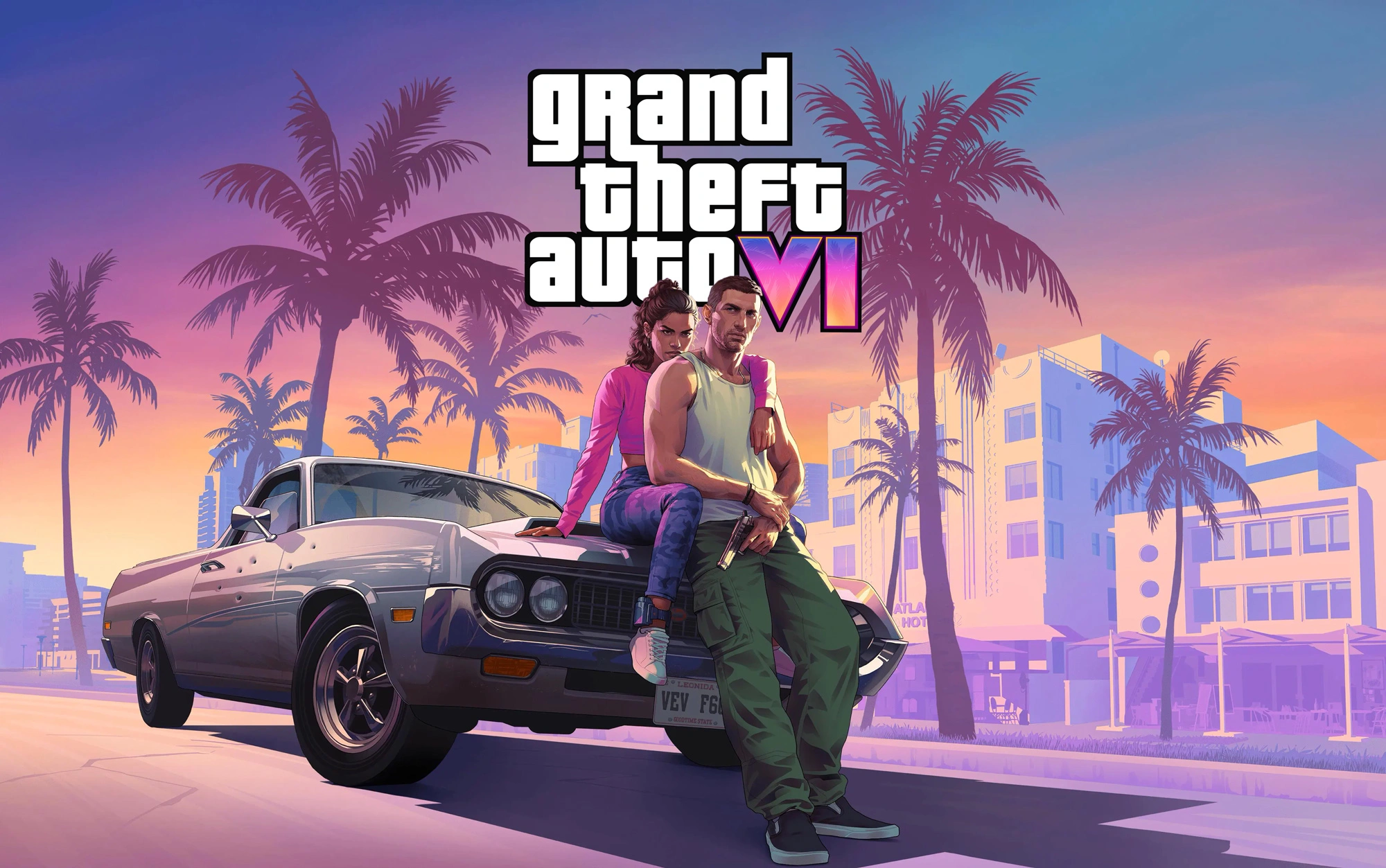
GTA 6’s $80 Price Tag Is Official, and It Could Reshape the Future of AAA Gaming
For years, gamers have debated whether blockbuster video games were becoming too expensive to make and, eventually, too expensive to buy. As development budgets ballooned, teams grew into the thousands, and production cycles stretched across entire console generations, many industry observers suspected that the long-standing pricing model for premium games would eventually face a reality check. The only question was which publisher would be bold enough to test the waters first.
As it turns out, that publisher was always likely to be Rockstar Games.
The company has officially confirmed that Grand Theft Auto VI will launch at $79.99 for the Standard Edition, while the Ultimate Edition will retail for $99.99. The announcement immediately reignited one of gaming’s most heated debates, but the discussion extends far beyond whether GTA 6 itself is worth the asking price. What makes this moment significant is that Rockstar is not simply releasing another major game. It is launching what may become the most commercially important entertainment product of the decade, and the pricing decisions surrounding it could influence the entire AAA industry for years to come.
At first glance, an extra $10 over the current $69.99 standard may not sound particularly dramatic. In reality, however, the move represents a potentially pivotal moment for game publishing. Pricing increases rarely occur in isolation, and history has shown that once consumers accept a new benchmark, the wider market often follows. Publishers, investors, and analysts will be watching GTA 6’s launch performance closely, not only to measure demand for Rockstar’s latest open-world epic but also to determine whether players are prepared to embrace a higher baseline price for premium releases.
Rockstar Has the One Thing Most Publishers Don’t
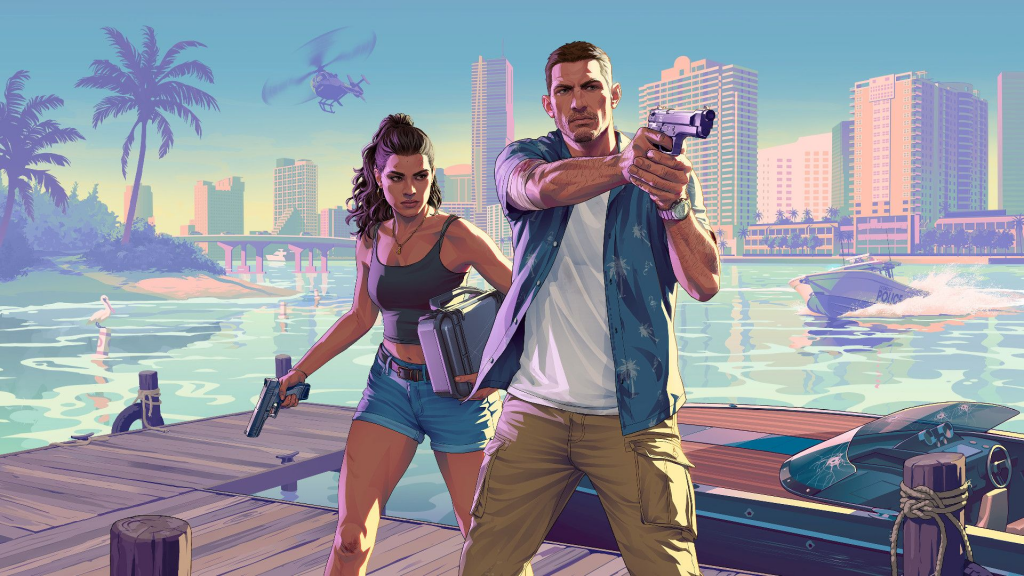
If another publisher had attempted to launch a standard edition game at $79.99, the reaction might have been very different. Rockstar operates under a unique set of circumstances because few gaming franchises command the same level of cultural relevance and consumer demand as Grand Theft Auto.
The scale of anticipation surrounding GTA 6 is difficult to compare with almost anything else in the industry. By the time the game launches in November, more than thirteen years will have passed since Grand Theft Auto V first arrived on PlayStation 3 and Xbox 360. During that time, GTA V transformed from a successful game into a global entertainment phenomenon, surviving three console generations, generating billions of dollars in revenue, and maintaining an active player base long after most titles would have faded into history.
That longevity has given Rockstar something many publishers spend years trying to build: extraordinary pricing power.
For many players, GTA 6 is not an impulse purchase competing against dozens of other games on a digital storefront. It is the sequel they have been waiting over a decade to play. The excitement surrounding the release has reached a level where discussions about gameplay systems, technical features, and story details routinely dominate gaming news cycles. Rockstar is not asking consumers to take a chance on an unknown property. It is selling the next chapter in one of the most successful franchises ever created.
That distinction matters because it gives the company room to experiment in ways that most publishers simply cannot.
The Economics of AAA Gaming Are Becoming Harder to Ignore
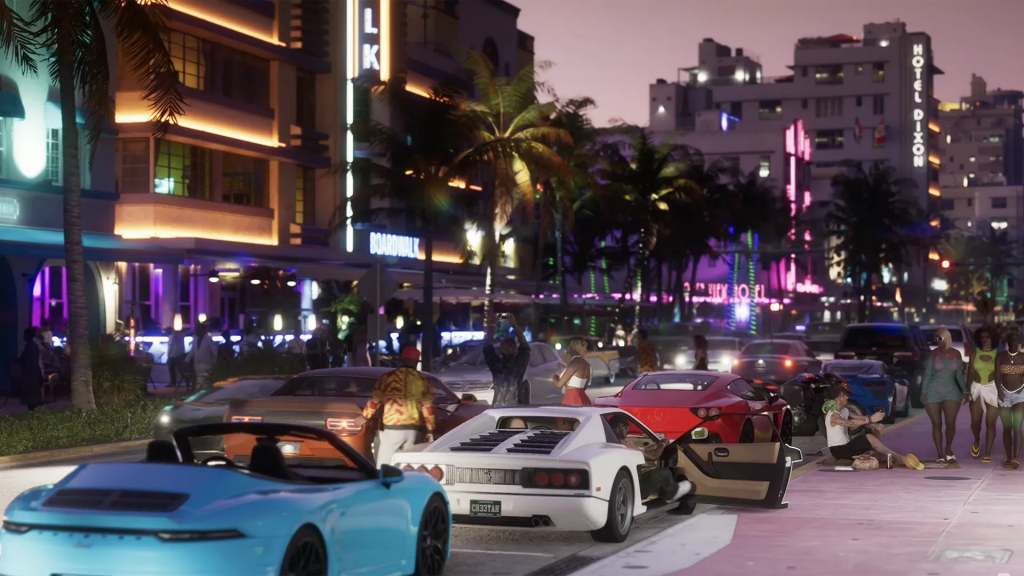
The conversation around GTA 6’s price also reflects a broader challenge facing the gaming industry. While players have become accustomed to increasingly ambitious experiences, the cost of building those experiences has risen dramatically.
Modern AAA games are no longer produced by a few hundred developers working within a single studio. Today’s largest projects involve vast global teams consisting of engineers, artists, writers, animators, motion capture specialists, quality assurance testers, audio designers, and online infrastructure experts. Development timelines regularly stretch beyond five years, while marketing budgets can rival those of major Hollywood productions.
The result is an industry where production costs have accelerated far faster than retail pricing.
For nearly two decades, the standard price for a new AAA game remained remarkably stable despite inflation, rising wages, and increasing technical complexity. The move from $60 to $70 during the current console generation marked the first major shift, and even that increase generated significant controversy among players. Rockstar’s decision to move GTA 6 to $80 represents the next step in that evolution, and it arrives at a time when publishers are under growing pressure to find sustainable ways of funding ever-larger projects.
Of course, many gamers will argue that publishers already generate substantial revenue through downloadable content, battle passes, microtransactions, and premium editions. That criticism is not without merit, particularly in an era where live-service monetization has become commonplace. However, GTA 6’s pricing strategy suggests that at least some publishers believe higher upfront pricing may be easier to justify than expanding post-launch monetization even further.