




Everything You Need to Know From Computex 2026
The biggest chip announcements in years just landed in Taipei. Here is what they mean for the laptops, handhelds, and budget machines you will actually buy.
Computex only happens once a year and it only matters once a decade. This is one of those years. The 2026 edition, which opened June 2 in Taipei’s Nangang Exhibition Center, is the show where several competing bets on the future of PC architecture are landing simultaneously: Nvidia’s first ARM-based laptop chip, Intel’s first silicon purpose-built for gaming handhelds, Qualcomm’s most aggressive push yet into the Windows budget tier, and a rumoured ROG Ally 2 that could redraw the handheld gaming market before the summer ends.
If you buy a laptop, a handheld gaming PC, or a budget Windows machine in the next twelve months, what gets announced this week will directly affect what you end up with. Here is everything confirmed and credibly rumoured, updated as the show unfolds.
The Nvidia N1X: ARM Comes to Windows Laptops (For Real This Time)
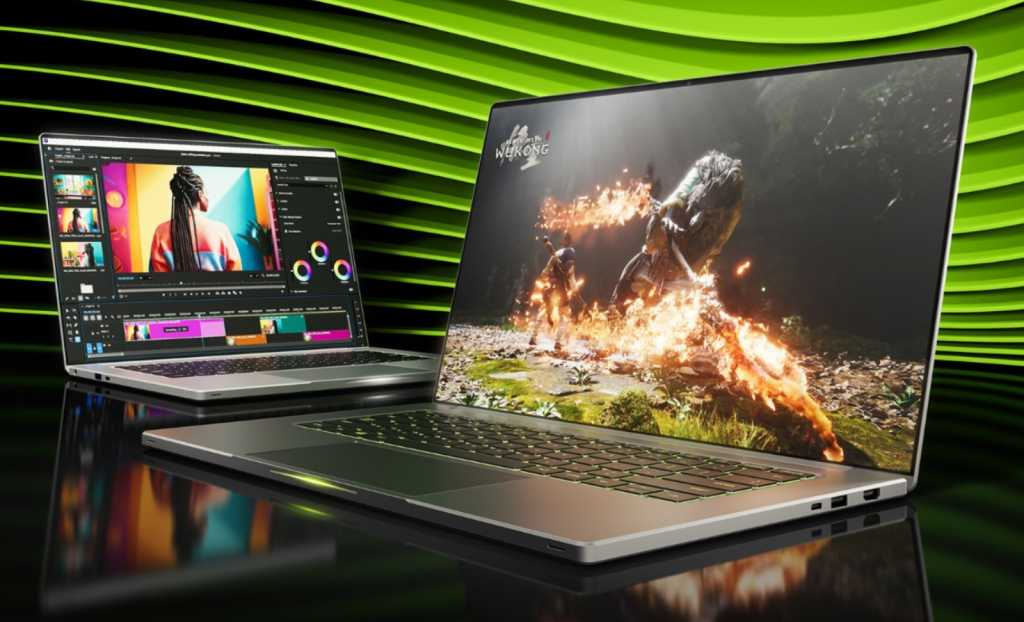
The headline announcement of the week is Nvidia’s N1X, an ARM-based laptop chip that Jensen Huang confirmed in his June 1 keynote the night before the show floor opened. This is not a rumour. The chip exists, it has been confirmed, and multiple laptop manufacturers have already signed on.
The N1X matters for one specific reason: it is the first time Nvidia’s graphics architecture has appeared in an integrated CPU/GPU package aimed at mainstream laptops. Every current Windows laptop either uses Intel or AMD silicon with integrated graphics, or pairs those chips with a discrete Nvidia GPU as a separate component. The N1X collapses both into a single ARM chip. The claimed performance target is RTX 4070-equivalent integrated graphics. That number requires verification against independent benchmarks, and Nvidia’s own figures should always be treated as starting points rather than conclusions, but if the chip delivers anywhere near that level of graphics output without a discrete card, the gaming laptop category changes shape overnight.
Lenovo is confirmed as an N1X partner. Dell is widely expected to follow. Asus, which is celebrating ROG’s 20th anniversary at this show, has not formally announced N1X products but remains in active speculation for a Zephyrus-line refresh. The first devices are expected on shelves before the end of 2026, though pricing has not been announced. For context, ARM-based architecture in Windows laptops has so far been dominated by Qualcomm’s Snapdragon X series. Those chips proved the concept works. The Snapdragon X Elite and X Plus have shown that ARM Windows machines can outperform Intel equivalents on battery life without sacrificing productivity performance. Nvidia’s entry with its own ARM chip raises the ceiling considerably, assuming the software ecosystem catches up. Most professional creative apps now run natively on ARM Windows after Qualcomm’s push. Nvidia’s own DLSS upscaling technology is already ARM-compatible. The missing piece has always been raw graphics headroom. N1X is an attempt to solve exactly that.
Intel Arc G3: The First Chips Built Specifically for Gaming Handhelds
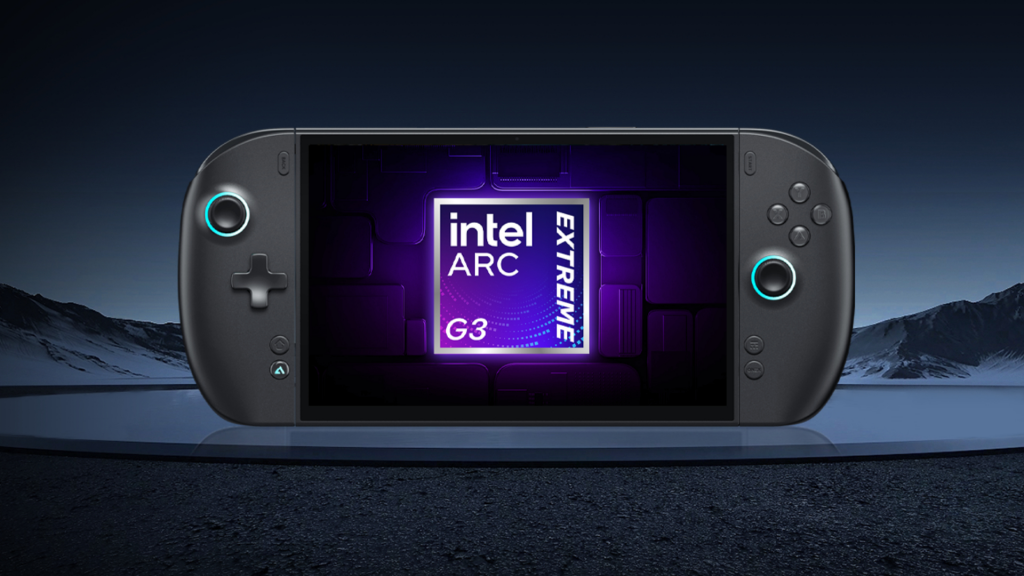
Intel made a quieter but arguably more impactful announcement than Nvidia’s, confirming the Arc G3 and Arc G3 Extreme chipsets. These are the first processor designs Intel has developed specifically for gaming handhelds rather than laptops or desktops adapted to the form factor.
Every handheld gaming PC currently on the market, from the Steam Deck to the ROG Xbox Ally X to the Lenovo Legion Go S, runs AMD silicon. That silicon was designed primarily for laptops and adapted to the handheld use case. It works, often well, but AMD was not optimising for the specific constraints of a device you hold in your hands for three hours on a train: heat dissipation with no fan space, battery drain under sustained gaming loads, and the need for snappy response when waking from sleep between sessions.
Intel’s Arc G3 is purpose-built for those constraints. The first devices to carry the G3 Extreme variant are the Acer Predator Atlas 8 and the MSI Claw 8 EX AI+, both confirmed for June 2026 availability. GPD and OneXPlayer are also listed as Arc G3 platform partners. The base Arc G3 will appear in further devices later in the year.
The meaningful questions are performance and thermals under sustained load, both of which require real-world device testing rather than manufacturer specifications. The MSI Claw’s existing reputation for heat management under heavy gaming is mixed. Whether the Arc G3 addresses the root cause of that or simply pushes the problem further up the performance envelope will determine whether Intel has genuinely shifted the handheld category or just added a new spec sheet option to it.
Qualcomm Snapdragon C: The $300 Windows Laptop Becomes a Real Category
Qualcomm announced the Snapdragon C at Computex, targeting Windows laptops at the $300 price point. This is significant because $300 has historically been Chromebook territory: a price where you could get a functional machine running ChromeOS but could not run full Windows without performance compromises that made the machine frustrating to use.
The Snapdragon C changes the equation by bringing ARM efficiency to Windows at a price point previously reserved for Intel Celeron and Pentium chips, both of which are genuinely slow in 2026. The first Snapdragon C Windows device is the Acer Swift Spin 14 AI, arriving in North America in August 2026. Pricing has not been confirmed but the device has been explicitly positioned at the $300 tier.
The catch, and it is a structural one, is component cost. Gartner projects a 17% increase in PC prices in 2026 driven by rising DRAM and SSD costs. A $300 Windows laptop price point is achievable with the Snapdragon C chip, but only if manufacturers pair it with memory and storage configurations that are already feeling tight. A $300 Snapdragon C machine with 8GB RAM and 128GB storage is a different product than a $300 machine with 16GB and 256GB, and manufacturers will make different choices based on their target market and margin requirements. The full picture will not emerge until the Swift Spin 14 AI ships in August and independent reviews test its real-world performance against the MacBook Neo it is explicitly designed to undercut.
For buyers watching the budget laptop market, the honest recommendation right now is to wait. The MacBook Neo at $599 is available today and remains the benchmark at its price. The incoming Snapdragon C field may challenge it on price by the end of summer. If you cannot wait, the MacBook Neo is still the buy. If you can wait until September, the picture will be clearer.
ROG Ally 2: The Most Anticipated Unconfirmed Announcement
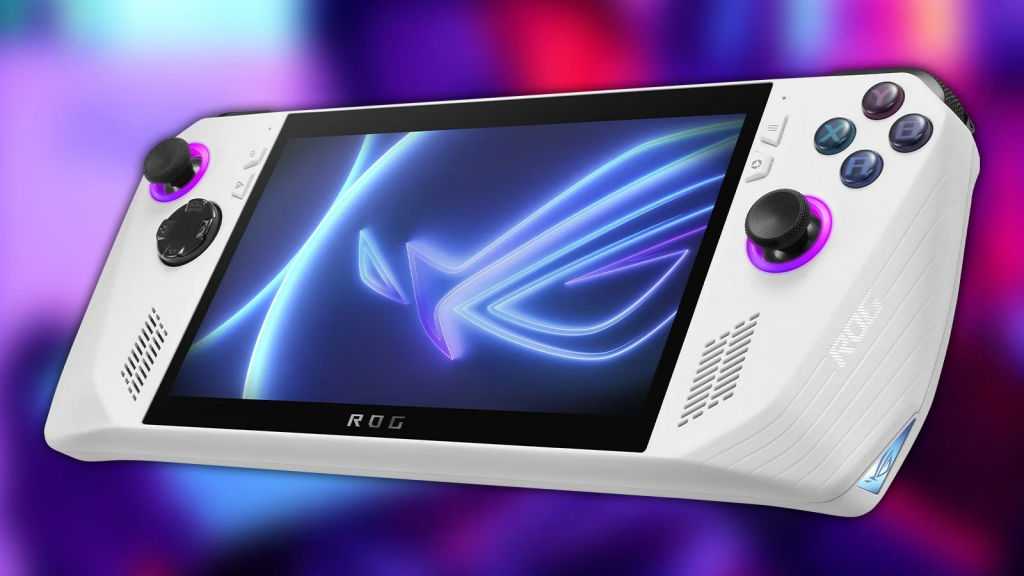
Asus has not officially confirmed an ROG Ally 2 at Computex, but the circumstantial evidence is strong enough to be worth tracking. YouTuber Steam Dad, a credible source in the handheld gaming space, stated explicitly that viewers should watch Computex for a next-generation Asus handheld. FCC filings and certification leaks from 2025 point toward an AMD Ryzen Z2 Extreme APU paired with up to 64GB RAM. A black variant with a dedicated Xbox button has been mentioned. And Asus is celebrating ROG’s 20th anniversary at this specific show, which is exactly the kind of moment a company chooses for a headline product reveal.
The complication is that AMD’s Ryzen Z-series has no confirmed next-generation update imminent, which means an ROG Ally 2 at Computex is more likely to be a refinement of existing hardware than a full generational jump. Better display, better thermal management, better efficiency, potentially the Intel Arc G3 Extreme as an alternative silicon option. Not a revolution, but a meaningful upgrade over the ROG Xbox Ally X that currently sits at around £1,000.
For anyone currently deciding between the ROG Xbox Ally X and the Steam Deck OLED, the correct move is to wait for the Computex announcement. If the Ally 2 lands with confirmed specs and a credible release window, it becomes the reference point for the premium handheld category for the next eighteen months. If the announcement disappoints or does not materialise, the Steam Deck OLED at £569 and the Lenovo Legion Go S at around £400 remain the value plays.
What Computex Means for the MacBook Neo Rivalry

Several of the week’s announcements exist in direct dialogue with Apple’s MacBook Neo, which launched in March at $599 and immediately made the Windows budget laptop category look uncompetitive. Qualcomm’s Snapdragon C at $300 is the most direct challenge. The Googlebook, announced by Google two weeks before Computex at its Android Show event, is the other. MacRumors noted explicitly that Google positioned the Googlebook against the MacBook Neo on pricing when announcing the device with Acer, Asus, Dell, HP, and Lenovo as manufacturing partners.
The Googlebook runs a unified platform merging Android and ChromeOS, ships with the Magic Pointer (an AI Gemini cursor that activates contextually suggestions as you move around the screen), and has a distinctive Glowbar LED strip on the lid. It arrives in fall 2026. It has not been priced. If it arrives at or below $599 with competitive battery life and build quality, the MacBook Neo loses its monopoly on the “good laptop under $600” conversation. If it arrives at $699 or above and delivers a compromised Android-on-laptop experience, the Neo’s position strengthens.
The uncomfortable truth for Windows manufacturers is that Computex 2026 is full of chips and promises that will take three to six months to translate into actual devices in actual shops at actual prices. The MacBook Neo is on shelves today. The Snapdragon C field arrives in August at the earliest. The Googlebook arrives in fall. The N1X machines have no confirmed release dates. For the next quarter at least, Apple’s position in the budget laptop market is structurally unchallenged.
The Display Technology Story Nobody Is Covering
Running alongside the chip announcements is a quieter story about display manufacturing that will matter significantly in 2026 and 2027. TechRadar reported this week that inkjet-printed OLED technology could reduce OLED display production costs by 30% compared to current methods. The implication is cheaper OLED laptops and monitors within the next product generation cycle.
This is directly relevant to the MacBook Neo rivalry. One of the Neo’s acknowledged limitations is its IPS display, which produces adequate but unremarkable contrast compared to OLED alternatives. The Asus Zenbook 14 OLED at $599 beats the Neo on display quality at the cost of catastrophic battery life (around five hours versus the Neo’s twelve to thirteen). Inkjet-printed OLED, if it delivers on the production cost savings, removes the cost barrier that has kept OLED out of the budget laptop tier and may remove the power consumption barrier too, since the manufacturing changes being tested include efficiency improvements.
For buyers: this does not affect anything you can buy in the next six months. It is relevant context for anyone planning to buy a premium laptop in late 2026 or 2027, where OLED at sub-$800 price points starts to become realistic rather than aspirational.
The ASUS ROG 20th Anniversary: More Than a Celebration
ASUS’s ROG gaming brand turns 20 at this show, and the anniversary is more than marketing scaffolding. The booth programme includes six themed zones and a community event, but the substantive anniversary news is a retro-styled ROG Crosshair 2006 X870E motherboard that reproduces the original 2006 ROG design language in 2026 hardware. It will not sell in large numbers, but it signals something about Asus’s positioning: at twenty years, ROG has earned enough brand equity to do nostalgia, which is a milestone most gaming hardware brands never reach.
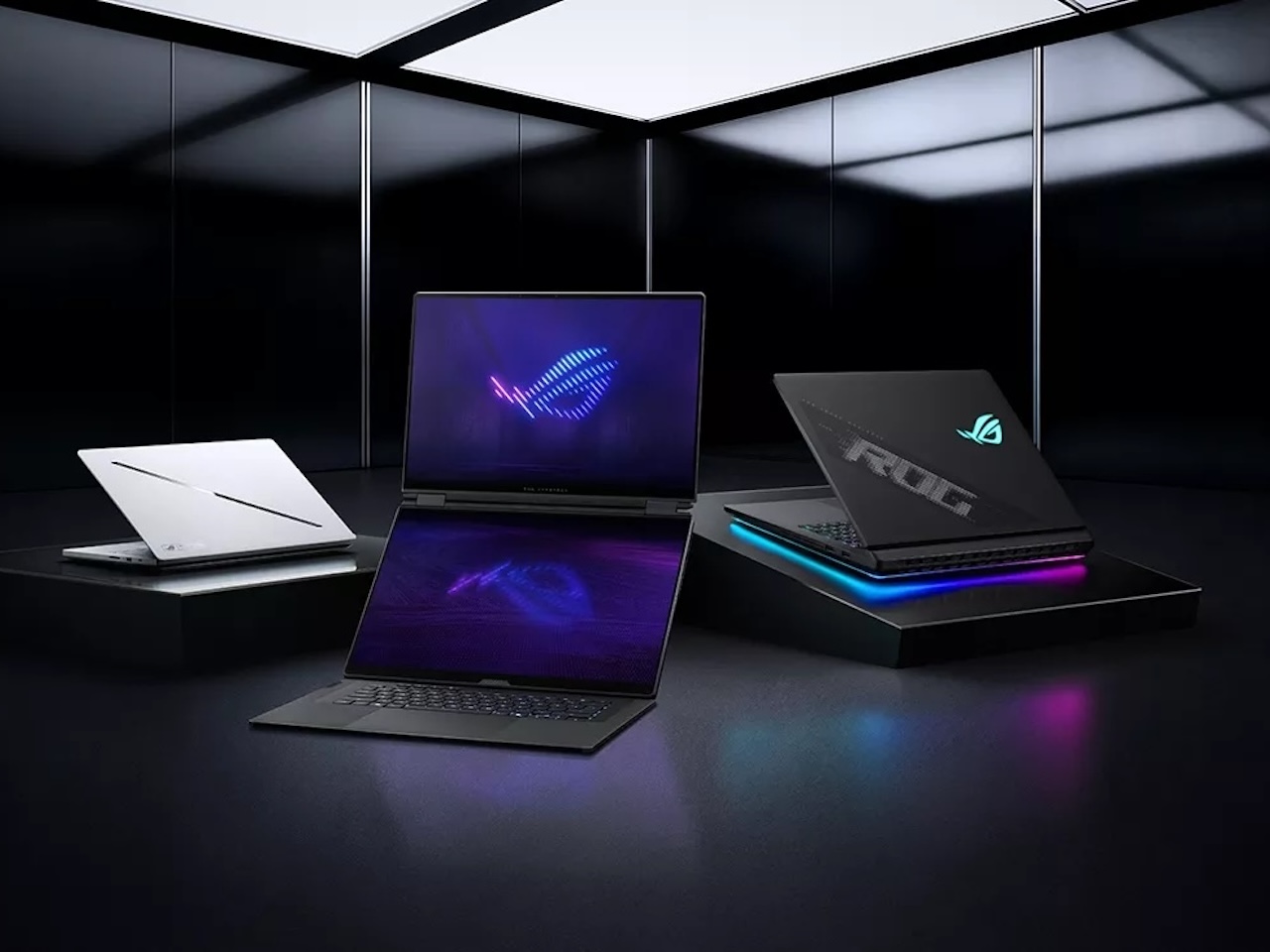
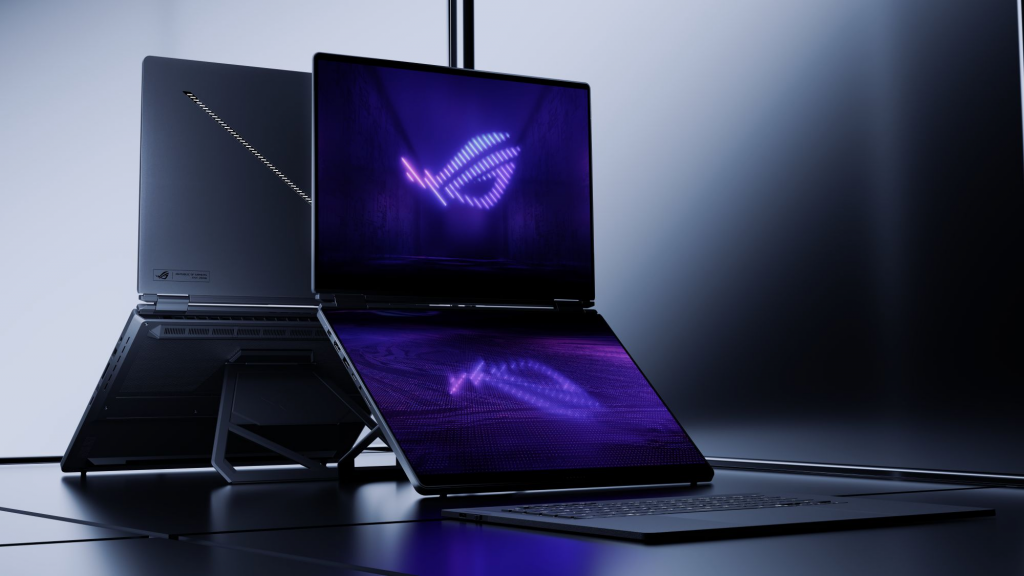
The practical anniversary news is the Zephyrus DUO (2026), a 16-inch dual-screen gaming laptop that Asus revealed at CES 2026 with up to an Intel Core Ultra 9 386H and an RTX 5090 Laptop GPU, which is now receiving its US ship date confirmation at Computex. At $2,499.99, it is not a mainstream buy. But it represents the category ceiling for dual-screen productivity laptops and is worth knowing about if your work involves multi-application creative workflows where a second screen without a separate monitor is genuinely useful.
What to Buy Right Now vs What to Wait For
Computex always creates a paralysis problem for buyers who read the news and conclude they should wait for the announced products before spending money. Here is the practical guide for each category.
Budget laptops under $600: The MacBook Neo is the buy right now. The Snapdragon C field arrives in August but is unreviewed. Wait if your purchase is not urgent, buy the Neo if you need something today.
Gaming handhelds: Wait until the ROG Ally 2 situation clarifies, which should happen within the next 72 hours. If it launches with meaningful specifications, reassess against the ROG Xbox Ally X and Steam Deck OLED. If it fails to materialise or disappoints, the Steam Deck OLED at £569 is the value recommendation.
Premium laptops $800 to $1,500: No Computex announcement changes this landscape significantly before late 2026. The MacBook Air M5 at $1,099 and the Dell XPS 15 with discrete graphics remain the primary references.
Gaming laptops: The N1X announcement creates a genuine hold case if you are considering a high-end gaming laptop purchase. Intel Arc G3 devices for handhelds are arriving in June. N1X gaming laptops are likely to land before the end of 2026. If you need a gaming laptop before August, buy now. If you can wait until October, the N1X field may change the calculation.