
Apple’s September 9 event will break a decade of iPhone tradition
Apple has locked in Wednesday, September 9 for its autumn keynote. The tagline is “Surprise and shine.” The artwork is a glowing Apple logo lit up like a sunrise. And for the first time in over a decade, the star of the show almost certainly won’t be a regular iPhone at all.
The keynote kicks off at 10am Pacific, 6pm here in the UK, streamed live from the Steve Jobs Theater at Apple Park. What’s genuinely different this year is the shape of the lineup. Apple is splitting its iPhone launches into two separate moments for the first time in its history. That single decision changes everything about what lands on stage next week.
The Pro iPhones are getting a proper chip upgrade
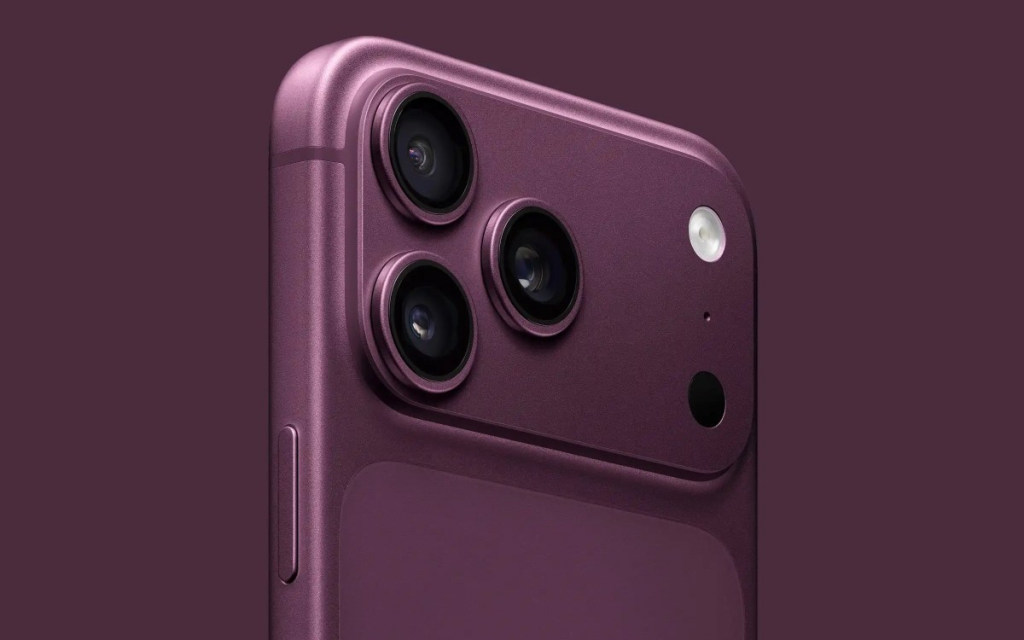
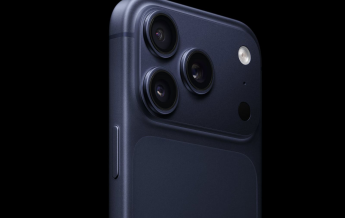
The iPhone 18 Pro and iPhone 18 Pro Max are the safe bets, and they’ll look reassuringly familiar. The real work has gone in underneath the glass. Both are tipped to run Apple’s new A20 Pro chip on a 2nm process, the biggest efficiency jump the Pro line has seen in a couple of generations.
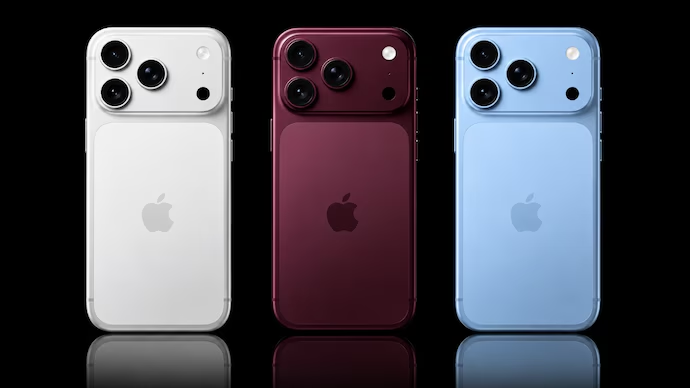
The camera is where this year’s changes actually show up day to day. Expect a variable aperture on the main lens, giving you real control over depth of field instead of software faking it, plus a shrunken Dynamic Island and a reworked Camera Control button after mixed feedback on the original. There’s a new modem too, Apple’s own C2, which should mean better battery life on calls and data even if nobody buys a phone for its modem. Rumours of a Dark Cherry finish have been doing the rounds, and it would be the boldest colour Apple’s Pro range has offered in years.
None of this is a reinvention. It’s Apple doing what Apple does in a Pro-numbered year: make the boring stuff faster, make the camera better, and save the big swing for somewhere else on stage.
The iPhone Ultra is the actual headline
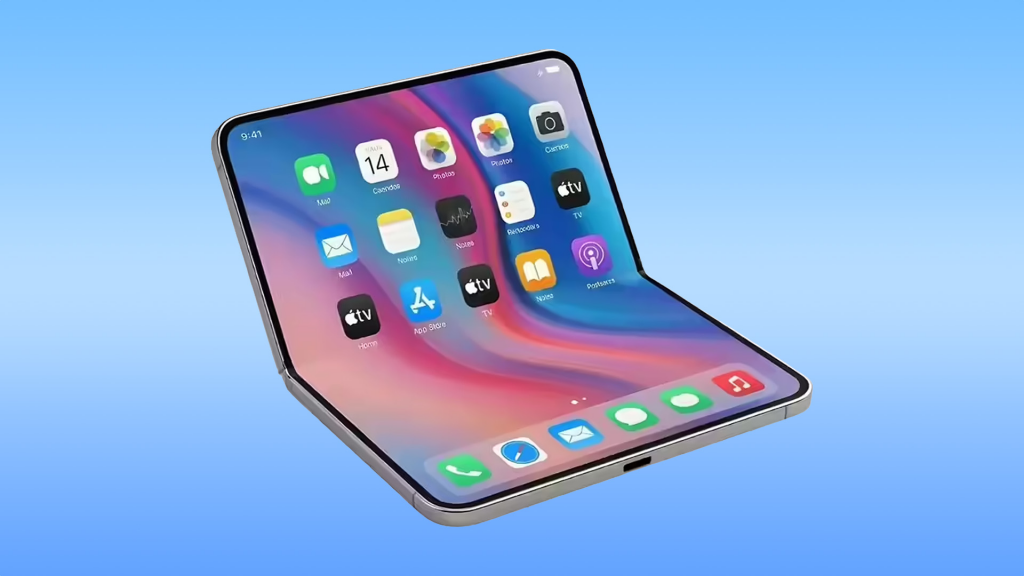
That big swing is the iPhone Ultra, and it’s why this event has people paying attention who normally wouldn’t bother. This is Apple’s first genuinely new iPhone form factor since the iPhone X in 2017. After years of foldable rumours that never quite landed, it’s finally happening.
Picture a book-style fold: a smaller outer screen between 5.3 and 5.5 inches, opening into a much bigger internal display somewhere between 7.6 and 7.8 inches. Tablet-sized when it’s open, pocketable when it’s shut. That’s the entire pitch for a foldable, and Apple’s finally making one. The crease has sunk every foldable on the market so far, but reports point to a titanium frame and hinge engineering good enough to make it close to invisible. We’ll believe “crease-free” when we’ve run a finger over one ourselves, but if any company has the manufacturing muscle to pull it off, it’s this one.
The bigger surprise is Face ID. Gone, reportedly, in favour of Touch ID built into the power button. Fitting a Face ID array into a folding display is a brutal engineering problem, and Apple looks to have picked the fingerprint sensor as the less painful trade-off. Two front-facing cameras, a dual-lens system on the back. Not much sacrificed on the photography side to make the fold work.
None of this comes cheap. Estimates land around $1,999 for the entry model, with higher storage configs reportedly pushing past $2,500. That makes it comfortably the most expensive iPhone Apple has ever sold, and a real test of how many people will pay a genuine premium for a form factor rather than just faster internals.
Why there’s no iPhone 18 this year
Waiting on a standard iPhone 18? Bad news. It’s not coming to this event, and neither is a rumoured iPhone 18e or a second-generation iPhone Air. Apple is pushing the entire non-Pro lineup to a spring 2027 event instead, a genuinely new release pattern for a company that’s put every flagship on the same September stage for well over a decade.
The logic isn’t hard to follow. Launching a first-of-its-kind foldable alongside two Pro models is already a lot to manufacture at volume before the holidays, and spacing things out reportedly gives the iPhone Ultra room to actually be in stock rather than stuck on a waitlist for months. It also means two moments in the spotlight a year instead of one, hardly a bad outcome for a company that lives and dies by iPhone headlines. Permanent shift or one-off fix for a tricky foldable rollout? We’ll only know once spring 2027 arrives.
Key dates to watch
- September 9: Keynote, 6pm UK time. iPhone 18 Pro, iPhone 18 Pro Max, and iPhone Ultra all expected on stage.
- September 12: Pre-orders likely land on a Saturday, not the usual Friday, sidestepping the 25th anniversary of 9/11.
- September 18: iPhone 18 Pro and Pro Max tipped to hit shelves.
- Later this year: iPhone Ultra availability is murkier. Don’t be shocked if it ships weeks after the Pro models rather than alongside them.
- Spring 2027: iPhone 18, iPhone 18e, and iPhone Air 2 finally show up.
Apple Watch Series 12 and Ultra 4: a quieter year
Next to the phones, the watch updates sound like the least eventful in years, at least from the outside. Analyst Mark Gurman, who has an unusually good track record on Apple’s roadmap, says don’t expect major design changes to either the Series 12 or the Ultra 4. Touch ID on the watch, a rumour that’s been doing the rounds for months, now looks dead on arrival.
The real upgrades are under the hood. Both watches are tipped to get a new S-class chip, the first genuine performance bump the line has seen since the S9 generation back in 2023, alongside health and fitness tracking improvements that could include expanded hypertension detection. The Series 12 is also rumoured to bring back a ceramic case option, tested in white and dark grey, unseen on the standard Watch since 2017.
The Ultra 4 leans into satellite connectivity: Apple Maps over satellite, sending photos through Messages with no signal. Though at least some of that will reportedly roll out to the existing Ultra 3 through software, not as a hardware exclusive. Battery life is the one place Apple could still spring a real surprise, given the Ultra 3 already manages up to 42 hours of normal use and 72 hours in Low Power Mode.
The rest of the lineup
Apple’s September events always double as a chance to refresh the smaller stuff, and this year’s no different. AirPods 5 are expected, in both noise-cancelling and standard versions, alongside a modest but overdue HomePod mini update with a faster processor and better audio. There’s talk of a refreshed Apple TV 4K too, with a new chip under the hood.
The one worth watching is Apple’s rumoured Home Hub, a genuinely new product category rather than an iteration. A 6 to 7 inch square touchscreen built around Siri and Apple Intelligence, running on an A18 chip, in both a tabletop version that doubles as a speaker and a wall-mounted option for controlling the rest of your smart home. If it lands as described, Apple’s finally building the smart display Amazon and Google have had on shelves for years. Later than everyone else. More polished, knowing Apple.
Software gets stage time too, with iOS 27 leaning harder into Apple Intelligence and a redesigned Siri interface that’s been a long time coming.
Our take
This is shaping up to be the most consequential Apple event in years, and not because every product is new. It’s the format that’s changing. A split iPhone calendar, a foldable that’s actually shipping instead of just rumoured, and a first real stab at a smart home display, all landing in the same 90 minutes. That’s a lot even by Apple’s standards. Turning point or expensive curiosity that only the early adopters buy? We’ll find out on September 9. We’ll be watching the keynote live and breaking down everything as it’s announced.