


iPhone 17 Pro Max Films Like a Cinema Camera, and ProRes RAW Changes Everything
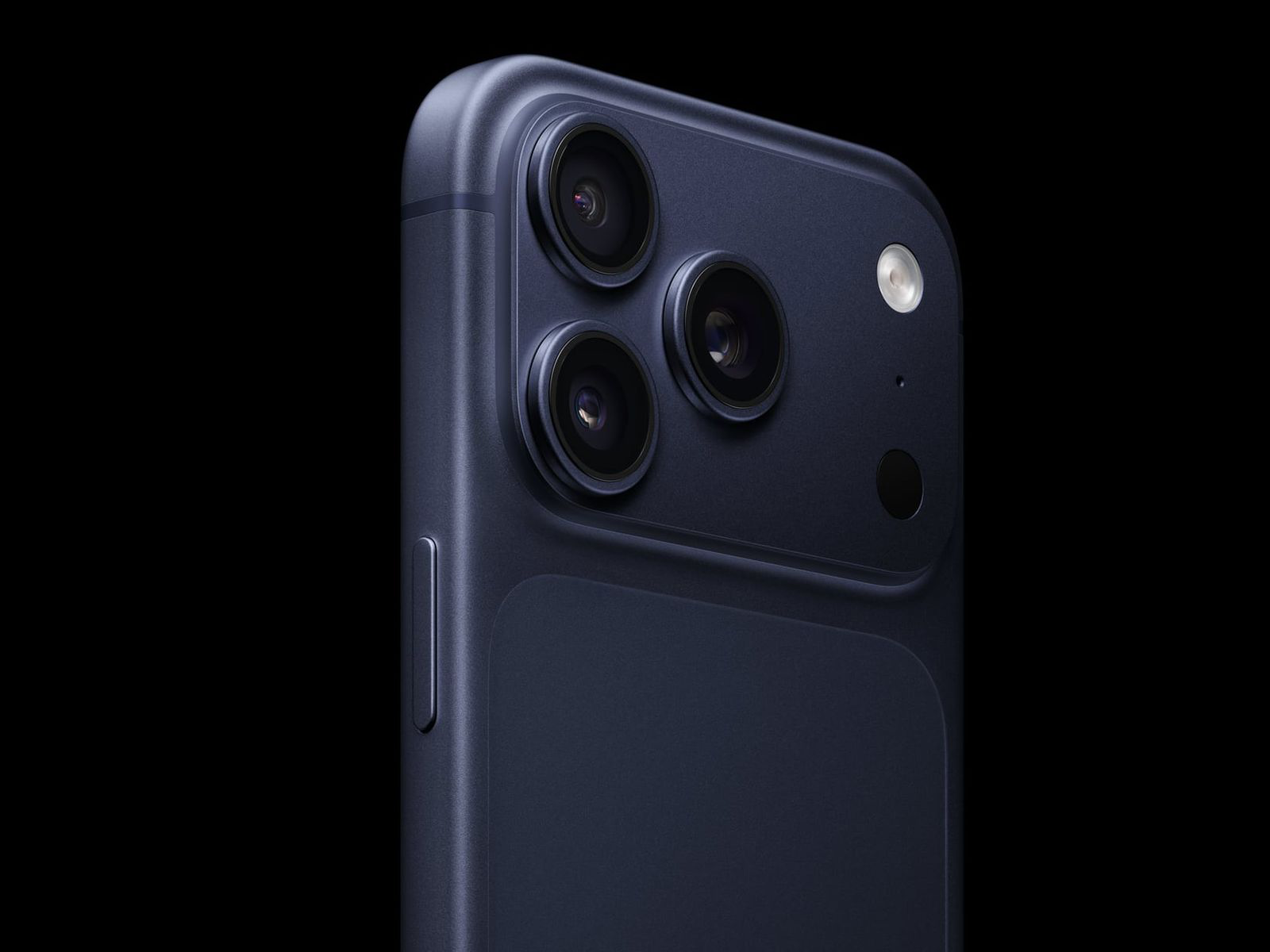
Apple’s latest flagship feels less like an upgraded phone and more like a reimagining of what a pocket camera can be. The iPhone 17 Pro Max, leans hard into cinematic capture, pairing hardware refinements with deeper ProRes RAW integration to deliver footage that sits far closer to traditional cinema pipelines than any previous iPhone.
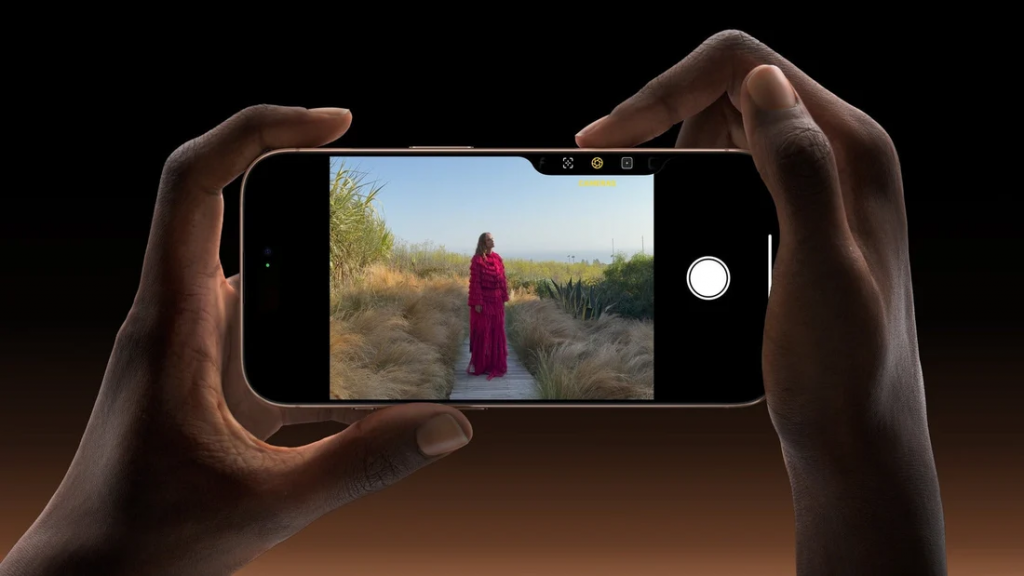
Apple announced that the iPhone 17 Pro Max is marrying a new set of capture tools with expanded ProRes RAW workflows. That combination is notable because it doesn’t simply promise prettier videos or higher frame rates. Instead, Apple is shifting the smartphone’s role from an on-the-fly content machine to a bona fide production camera for creators who care about color, dynamic range, and post-production flexibility. In practical terms, this means creators can shoot footage that retains far more image information, giving editors and colorists more room to shape a look without the brittle artifacts of heavily compressed consumer video.
The product at the heart of the story
The iPhone 17 Pro Max is the latest iteration of Apple’s Pro-tier handset, built for users who want the absolute best in display, speed, and imaging. But the headline feature this cycle is video capture. Apple has layered computational tricks on top of improved sensor hardware and retooled its approach to raw video. ProRes RAW has existed as a format on iPhones before, but what’s new is how deeply Apple integrates it into shooting modes and the degree to which the handset outputs footage that behaves like footage from dedicated cinema cameras.
Technical details and the innovation behind them, explained
If you step back, the technical heart of this update is not any single spec, but the convergence of three things: better sensor optics, smarter on-device processing, and more permissive file formats. ProRes RAW captures sensor data with minimal baked-in processing, preserving latitude for highlight and shadow recovery, white balance changes, and color grading. Couple that with the iPhone’s Neural Engine and Apple’s advanced ISP, and you get a phone that can intelligently denoise, sharpen, and apply scene-specific corrections while still outputting a raw stream of data that editors can mold.
Another important move is Apple opening these modes to realistic, practical workflows. Long gone are the days when raw video required external recorders and specialist knowledge. The iPhone 17 Pro Max makes it feasible to record grade-friendly material internally, then import it into professional editing software with familiar color pipelines. That is the defining change: the barrier between mobile capture and professional post-production is narrowing.
Real-world performance: what it actually looks like
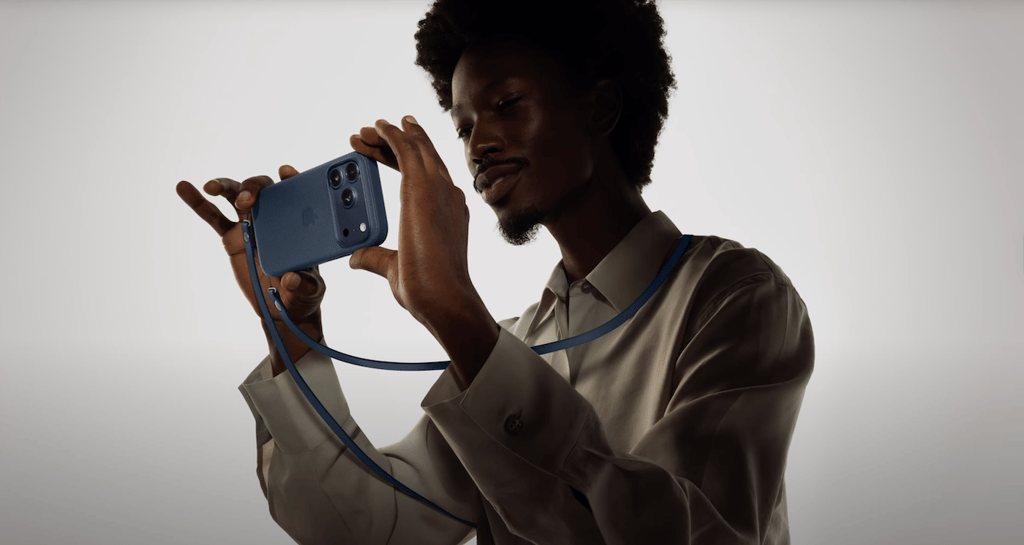
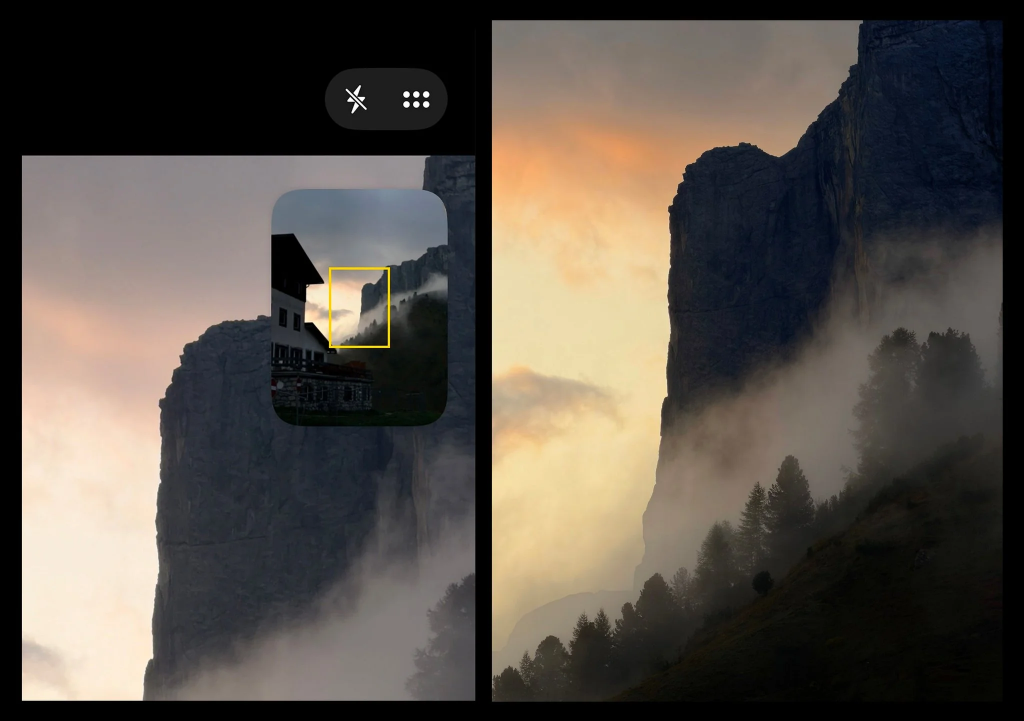
On paper, a phone that shoots raw video is impressive, but the real test is what happens when you push the footage. In early samples and hands-on trials, footage from the iPhone 17 Pro Max behaves like raw material should. Highlights hold detail that would previously have clipped to flat white, shadows preserve texture without muddying, and color grading is less punitive. Skin tones feel more natural after a grade, and noisy night shots clean up with more fidelity than earlier generations managed.
On the stabilization front, Apple’s hardware and computational stabilizers continue to impress. Stabilized ProRes RAW clips maintain framing and fluid motion in ways that make handheld, long-take shooting realistic for narrative or documentary work. The result is footage that requires less anchoring in post, letting creators focus on camera moves and composition rather than rescue work.
What stands out and what pleasantly surprises
The surprise here is not that Apple improved video. It’s how thoughtfully the improvements acknowledge real creative workflows. The handset doesn’t simply dump raw files at you and leave you to fend for yourself. It provides metadata, LUT previews, and intelligent defaults that help you get usable images straight out of the phone while still preserving latitude for heavy grading. That balance between accessibility and control is rare in the mobile space.
Another standout is the democratization effect. Historically, to access raw, gradeable footage, you needed a dedicated cinema camera, a recorder, and a small crew. Now, a single operator with an iPhone 17 Pro Max and a modest gimbal can produce image material that plays nicely within a professional editing room. That has implications for freelance filmmakers, news teams, indie productions, and brands that need high-quality video fast.
Compromises and where the iPhone still shows its phone roots
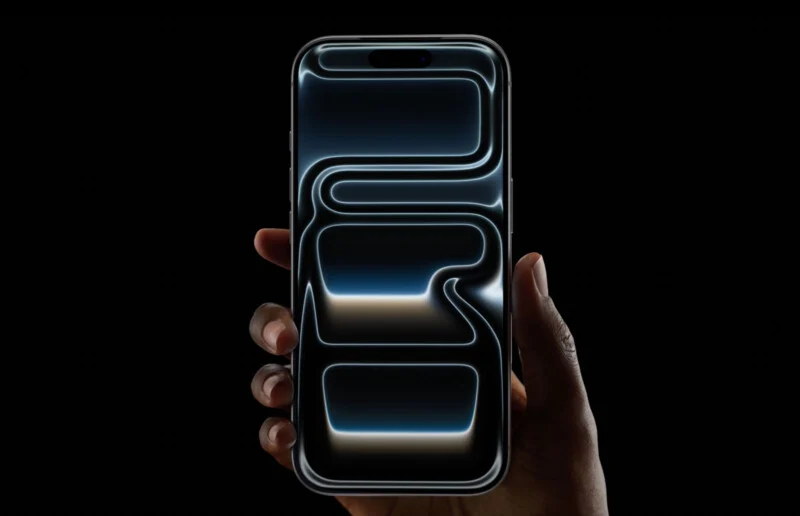
No device is perfect. Recording raw video on a phone imposes constraints. File sizes are big, which means you need generous storage or an external backup routine. The phone’s thermal envelope limits long-duration continuous recordings, and in extreme shooting conditions, you will still notice the differences between a phone and a large-sensor cinema camera, particularly in the very shallow depth-of-field looks and extreme low-light performance where full-frame sensors with fast glass still reign.
Additionally, while the iPhone 17 Pro Max makes post workflows smoother, the format also demands more from the editor. ProRes RAW files are heavier on compute, requiring robust machines for real-time playback and grading. So, while the phone makes it more accessible to shoot like a pro, the rest of the production chain still benefits from professional-level investment.
Best use cases and who should care most
The iPhone 17 Pro Max will appeal to several overlapping audiences. Independent filmmakers and documentarians who value mobility and stealth will appreciate a compact system that still yields gradeable footage. Content creators and YouTubers can take advantage of better-looking footage without significantly complicating their shooting rigs. News crews that need quick turnaround can shoot on location and produce broadcast-quality pieces faster. Even brands and agencies that prioritize speed across distributed shoots can use the phone as a reliable high-quality capture device.
Conversely, heavy feature filmmakers shooting for cinema release may still prefer larger sensors and cinema lenses for their signature looks. The iPhone 17 Pro Max is more of a redefinition of tools for smaller productions and hybrid workflows than it is a direct replacement for a Red or Arri in a big-budget feature.
How it compares to past iPhones and the competition
Compared to earlier iPhones, this generation is less evolutionary and more transformational for video. Previous models improved stabilization, dynamic range, and color science incrementally. The iPhone 17 Pro Max takes a leap by treating raw workflows as a central narrative. That places it ahead of past models not only in image fidelity but in terms of workflow maturity.
Against Android flagships and specialist camera phones, Apple’s advantage is its system-level integration. Other manufacturers have offered sophisticated video modes and support for log profiles, but Apple pairs hardware, OS-level tools, and an ecosystem of apps and services that smooth the entire pipeline from capture to edit. That integrated approach is what makes the ProRes RAW experience more than a technical checkbox; it becomes a usable feature for creators who want fewer friction points between shooting and publishing.
Market and cultural impact: why consumers should care now
This moment matters because it signals a broader shift in the creative economy. As the tools for high-quality capture get smaller and cheaper, so do the barriers to entry for visual storytelling. That has cultural consequences. We are likely to see more polished short-form cinema, documentaries, and branded content shot on devices small enough to fit in a pocket. The aesthetic and economic gatekeeping that once belonged to big cameras and deep pockets erodes further.
There are also industry ripple effects. Camera makers, lens manufacturers, and even software companies will need to respond to a world where the phone is not just a consumer camera but a legitimate production tool. That could accelerate the development of accessories, dedicated mobile gimbals, and pro-level mobile editing tools optimized for raw footage.
What Apple and industry insiders are saying
Apple frames the move as part of its continuing mission to push what mobile devices can do for creatives. The company emphasizes that the iPhone is about enabling storytelling more than it is about spec races. Insiders see the ProRes RAW integration as a strategic nudge. Apple isn’t trying to dethrone cinema cameras; it’s making creative capture more adaptable by lowering the technical barriers to producing gradeable footage.
Industry professionals are split between excitement and cautious optimism. Some praise the practical benefits and the potential to streamline workflows for smaller productions. Others point out the limitations of sensor size and lens control, noting that while the phone can replicate many looks, it can’t yet match the physics-based advantages of large sensors and fast glass in every situation.
What comes next and what to watch for
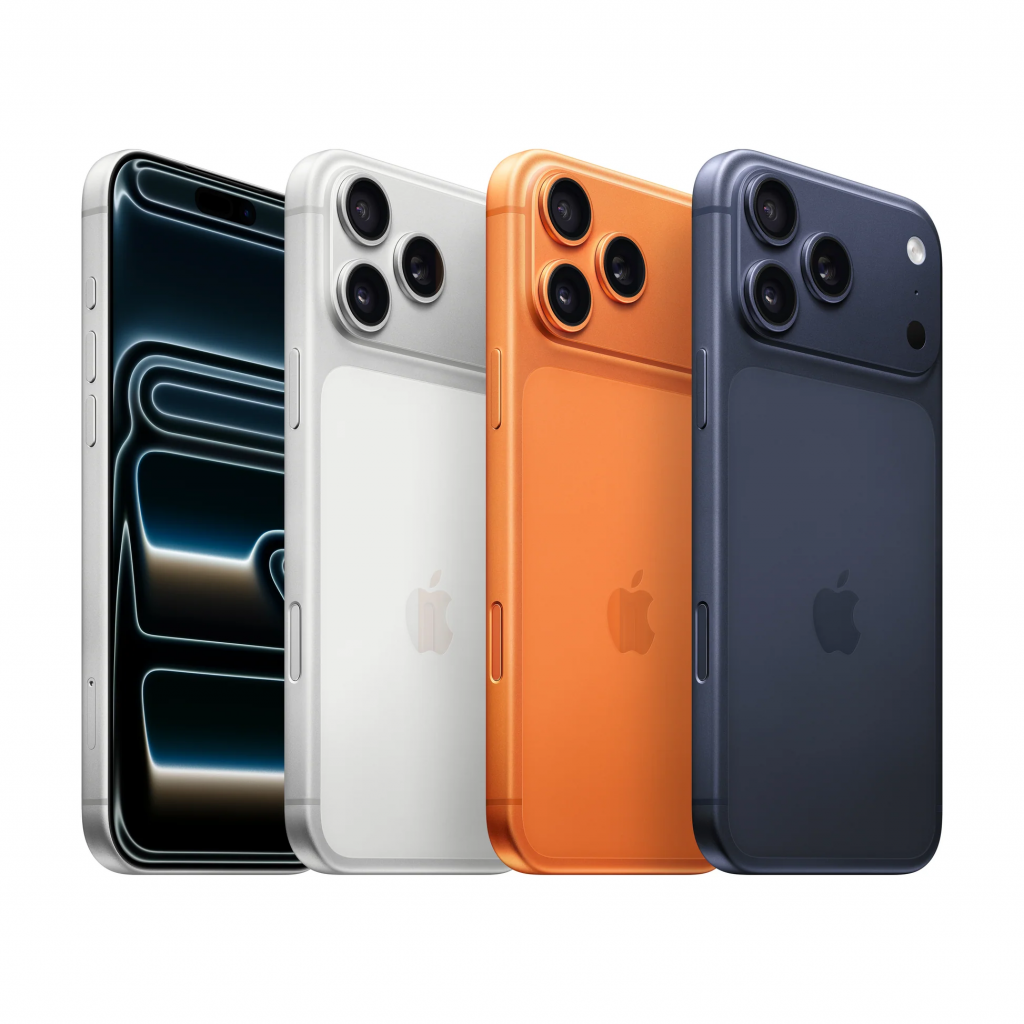
There are a few things to watch. First is the ecosystem response. Will major NLEs optimize for ProRes RAW workflows from phones? Will third-party apps unlock even finer-grained controls on capture? Second is the accessory market. Expect more robust gimbals, mobile matte boxes, and lens adapters tailored for phones that can now serve in more demanding production environments.
Finally, watch for the social and creative output. The true proof will be in films, ads, and documentaries that use the iPhone 17 Pro Max in substantial, creative ways beyond gimmicks. If we start seeing festival-level short films and broadcast pieces shot primarily on phones with full grading workflows, that will be the clearest signal that this is not just a tech upgrade but a cultural pivot.
Conclusion
This is not the end of cinema cameras, but it is a major fork in the road for visual storytellers. For anyone who shoots seriously and wants to save time without sacrificing creative control, the iPhone 17 Pro Max is an instrument you should consider learning. For the tech industry, it’s a reminder that the most disruptive advances come from marrying hardware, software, and workflows in ways that respect how people actually work.
The question now is not whether phones can shoot like cinema cameras. The question is which stories we will tell when the tools of cinema fit in our pockets.