


Galaxy Z Fold 8 vs Z Fold 8 Ultra: Which Foldable Actually Wins for YouTube, Netflix and Instagram?
Two foldables, one obvious battleground: watching, scrolling and filming. Samsung’s latest Fold 8 and its Ultra sibling both promise cinematic screens and podcast-length battery life, but only one will consistently make YouTube, Netflix and Instagram feel effortless and joyful.
Design and first impressions
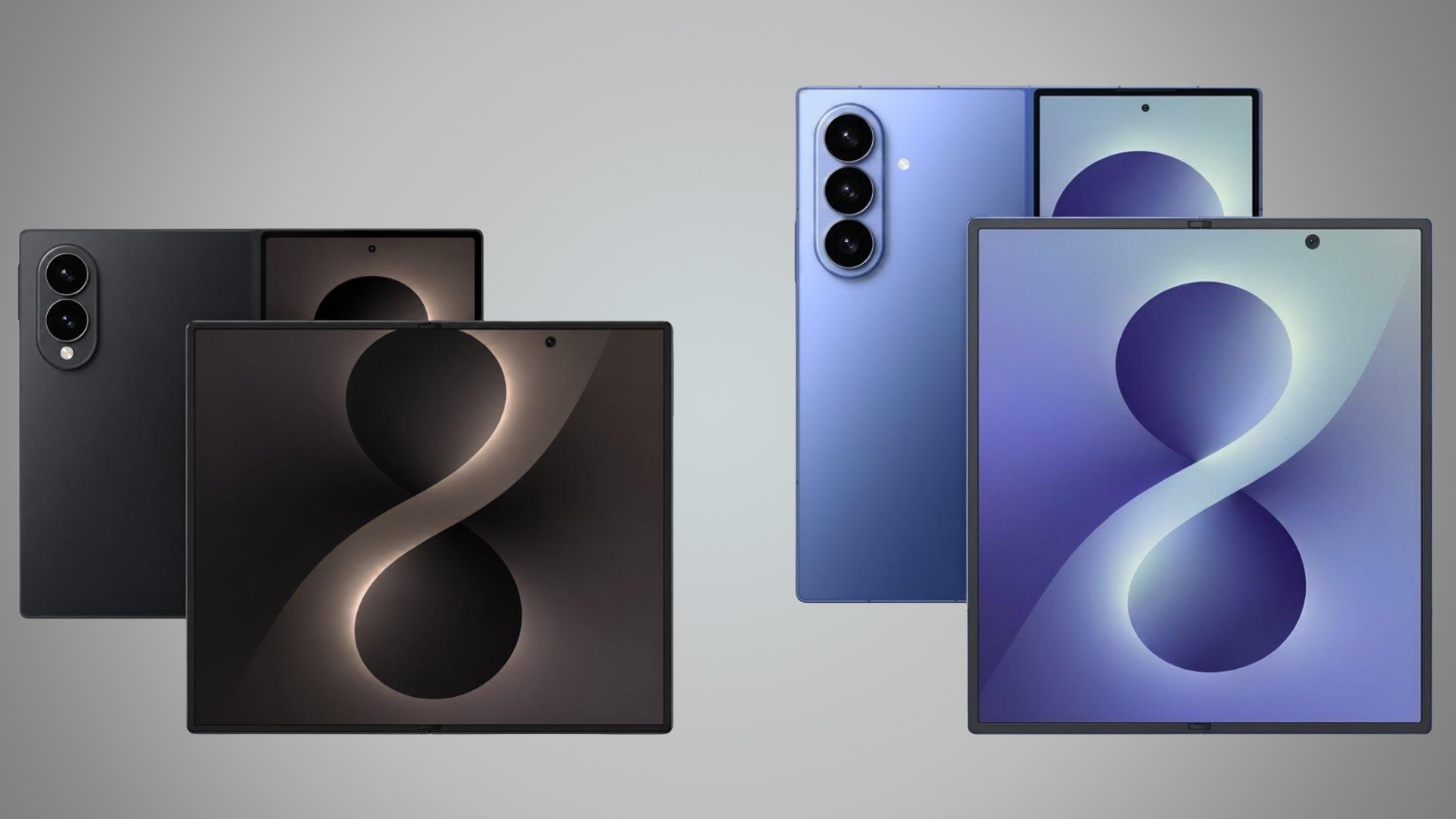
At first glance both devices feel like a family: the hinge language, the matte glass spine, the satisfying click as they open into that sprawling inner display. Yet spend a few minutes with each and the differences become obvious. The Fold 8 strikes a refined, pocket-friendly balance. It’s closer to a conventional phone when closed, but blossoms into a near-tablet canvas inside. The Fold 8 Ultra, by contrast, reads like a statement piece. Slightly larger outer surface, thinner bezels and a flatter inner panel give it a more ‘display-first’ personality. If you like your gadgets to look like they came from a high-end audio brand, the Ultra is the one that will earn the most double-takes.
Neither device compromises on build quality. Samsung’s hinge engineering has matured: the opening animation is smooth, the spine feels robust, and there’s no gritty wobble when used on a flat surface. Fingerprints settle differently between the two. The Ultra’s larger planes show off glossy surfaces more vividly, whereas the regular Fold hides smudges behind a slightly more forgiving finish.
Key tech features explained in plain English
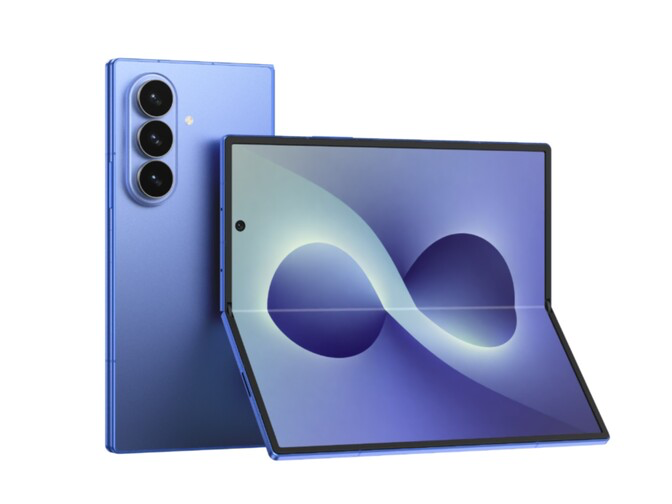
For a media-first audience, the headline specs you care about aren’t just numbers, they’re how those numbers change what you actually see and feel. Both models use high-end OLED panels that deliver deep blacks and punchy color. Samsung’s calibration favors saturated, cinematic hues that make HDR content pop. But the Ultra nudges the experience forward with brighter peak luminance and a flatter panel architecture, which reduces reflections and makes HDR highlights sing in bright environments.
Refresh rates are adaptive on both devices, so everything from casual Instagram scrolling to 120Hz animations feels fluid. The more important subtlety is how each handle sustained brightness and heat when streaming long videos. The Ultra’s chassis dissipates heat slightly better, which helps maintain peak brightness longer without thermal throttling.
Audio matters as much as picture for serious watching and casual listening. Both phones feature stereo speakers tuned to feel wider than you’d expect from a handset, with a top-firing speaker adding spatial lift when the device is open. If you often watch shows in crowded places without headphones, the Ultra’s soundstage and higher maximum volume offer a clearer, less congested listening experience.
Software is where Samsung quietly wins. One UI adapts apps to the inner canvas with multi-window and pop-up views that make following a YouTube tutorial while taking notes genuinely useful. Instagram’s tablet-style layout is available on both, but the Ultra’s extra screen real estate makes multi-column browsing feel less cramped and more like a dedicated social dashboard.
Performance in real-world use
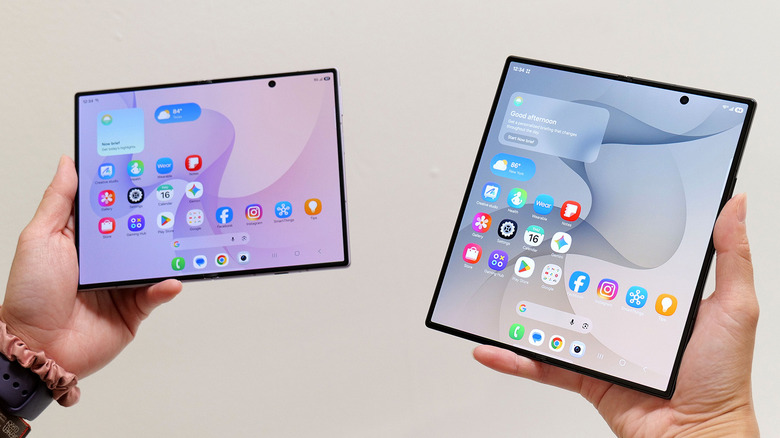
In everyday life both phones operate like flagship machines: apps open instantly, playback is smooth, and switching between apps happens without stutter. Loading heavy web pages, queuing up 4K streams and running picture-in-picture YouTube while composing a long comment on Instagram are all tasks where both devices shine. That said, the Ultra demonstrates a small but meaningful edge in sustained everything; heat, brightness and frame stability; which is most noticeable during long-haul binge sessions or when you’re editing video clips inside Instagram Reels.
Streaming quality and adaptive bitrate behavior are governed mostly by app servers, but the phones influence how that content is rendered. The Ultra typically sustains higher HDR brightness for longer stretches, which changes how contrast and detail appear, especially on scenes with pronounced highlights. When you’re watching a visually dense drama or a nature documentary, the Ultra preserves highlight detail better under bright ambient light.
Battery life is the eternal trade-off in foldables. The Fold 8 is designed to be efficient for a day of mixed usage; the Ultra expects you to be a heavy consumer and plans accordingly. In practice the Ultra’s larger battery and more efficient heat handling mean it will outlast the regular Fold during marathon streaming sessions. But both support fast wired and wireless charging, and both will get you through an average day of social-first consumption.
What stands out and what surprises
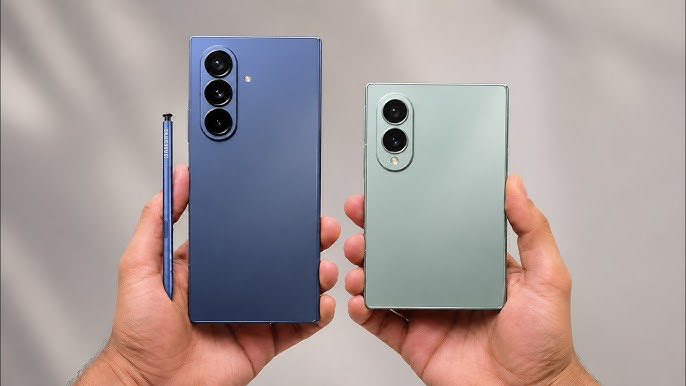
The most delightful surprise across both devices is how well social video scales. Vertical clips that feel cramped on traditional phones suddenly have breathing room. Reels and Stories become less of a phone-first experience and more of a small-screen cinema. The Ultra’s increased canvas makes this feeling even more pronounced; it turns Instagram into a magazine you can scroll through with the leisure of a tablet reader.
Another unexpected win is the improved front-facing camera integration. Samsung has continued to blend the outer and inner camera systems in ways that favor creators. Vloggers who flip the device open to frame themselves with the primary cameras will find better exposure control and less jarring differences between inner and cover shots. Stabilization and autofocus improvements mean you can capture steady Instagram clips with fewer retakes.
One area that still surprises users is the crease. It’s present on both, but the Ultra’s flatter panel makes it slightly less intrusive when you’re watching head-on. However, if you often watch content off-angle or in strong side light, the crease can catch reflections and draw the eye. Samsung’s continued reduction of the crease is impressive, but it’s not invisible; and for some people that small line remains a dealbreaker for a pure-screen aesthetic.
Any compromises or room for improvement
No device is perfect, and both Folds carry typical foldable compromises. The first is weight. Even though Samsung has trimmed the mass compared with earlier generations, opening the device to watch content turns your handset into a small but noticeable slab. Holding it for long stretches feels different from a standard phone and different again from a tablet. If you’re someone who watches while walking or commuting without a bag, the extra heft matters.
Another compromise is app optimization. While big names like YouTube and Netflix optimize for foldables, smaller apps can still present strange layouts or underutilized real estate. Instagram has come a long way, but third-party apps and lesser-known streaming services may not take full advantage of the extra screen. The experience is excellent for core apps but uneven across the entire ecosystem.
Then there’s price. The Ultra’s premium positioning asks you to pay for incremental improvements: higher peak brightness, slightly better audio, and a more immersive canvas. If you’re budget-conscious, the regular Fold 8 delivers most of the magic for less, and that price delta can be the deciding factor for many buyers.
Best use cases and target user
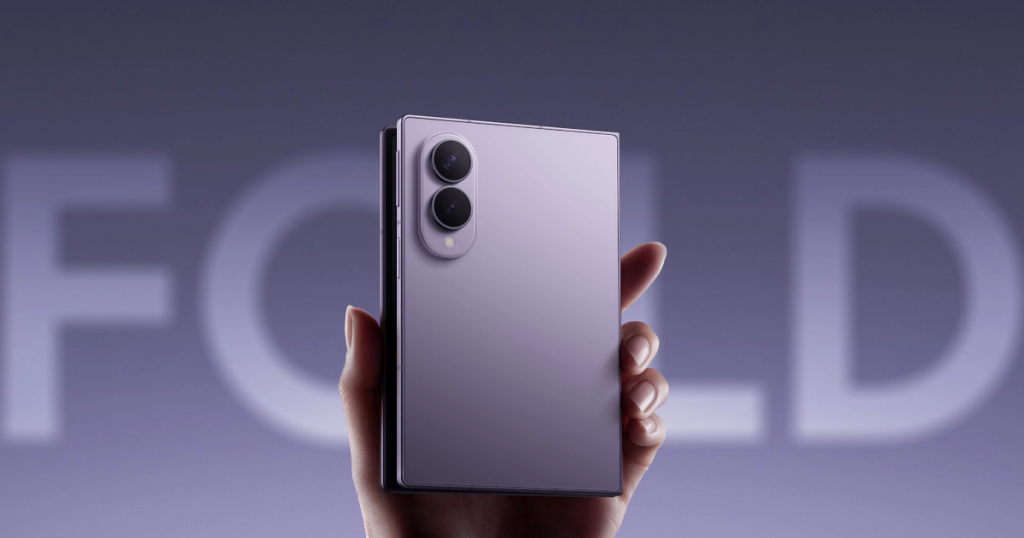
Let’s be specific. If you are a creator who shoots and edits short-form video for Instagram or TikTok, value a brighter display for on-the-go color checks, and want that extra audio lift when recording, the Fold 8 Ultra is the more convincing tool. Its larger viewfinder and marginally better thermal profile make long shoots and edits less stressful.
For the media-first binge-watcher who wants a device that doubles as a compact streaming tablet without the price tag of ultra-premium hardware, the standard Fold 8 is an ideal compromise. It’s more pocketable, still delivers a near-tablet viewing surface, and won’t demand as many concessions when tucked into a jacket or bag.
If you are a multitasker who splits attention between messaging, research and media consumption, both devices excel thanks to Samsung’s multi-window and split-screen features. The Ultra simply makes that multitasking feel more natural because there’s extra room to place apps side by side without them feeling cramped.
How it compares to others in its category
Foldables are a distinct tribe in the smartphone ecosystem, and within that tribe these two are close relatives. Against straight-up tablets, both Folds offer portability and phone functionality at an obvious advantage. Compared with clamshell foldables that focus on compactness, the Z Fold line centers the viewing and productivity experience. The Ultra doubles down on that philosophy.
Compared with non-folded flagship phones, the Fold line’s advantage is sheer screen real estate and the flexibility that comes with it. A Galaxy S series phone will typically outpace both Fold models in raw camera hardware or battery density for the price, but you don’t get the canvas. If you’re choosing between an S-series flagship and the Fold line, the deciding factor is whether you value a bigger, more immersive screen more than the marginal gains in camera or battery life of a traditional slab.
If you’ve been waiting for foldables to reach a point where their advantages are obvious and their compromises manageable, this generation is that moment. For content consumers and creators, the improvements are tangible: fewer apps that frustrate on a large display, longer sustained brightness during streaming, and hardware that better tolerates longer sessions without aggressive throttling. In short, these aren’t novelty devices anymore; they’re thoughtful tools for modern media lifestyles.
Conclusion
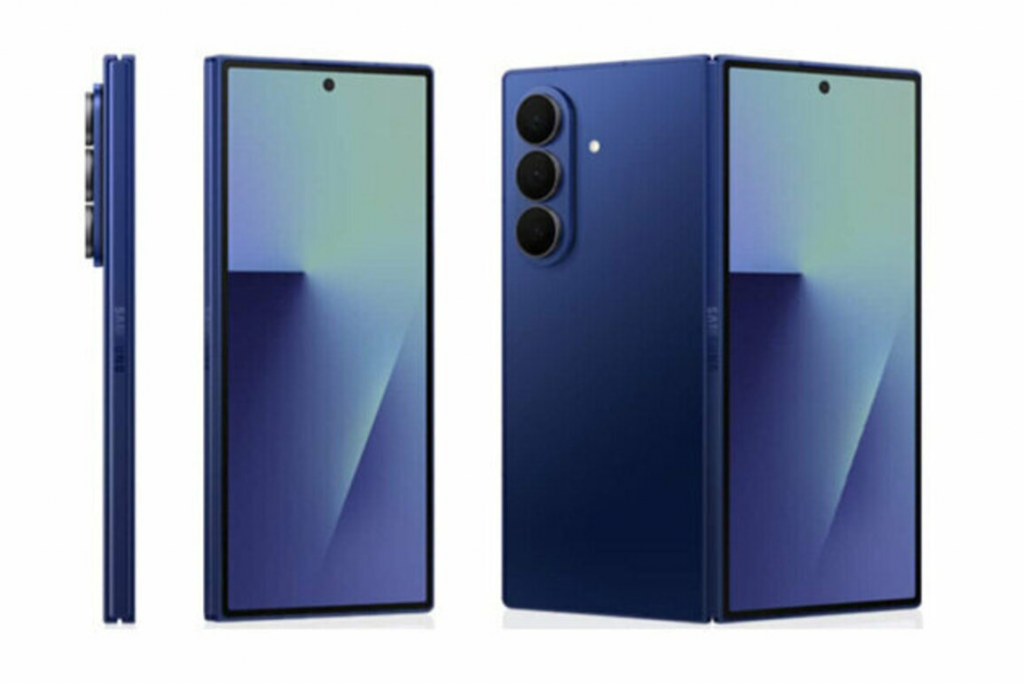
Both the Galaxy Z Fold 8 and the Z Fold 8 Ultra are compelling answers to the same question: how good can a phone be at being a small, personal theater and a mobile content studio? The Fold 8 delivers most of the answer with an elegance that keeps it accessible. The Ultra refines the thesis into a purer expression of a screen-first device, and for those who prize absolute visual fidelity and a slightly better audio and thermal profile, it’s worth the extra investment.
Buy the regular Fold 8 if you want a refined, more pocketable foldable that still transforms media consumption. Choose the Fold 8 Ultra if you want the best possible in-device viewing and creation experience and are willing to pay for brighter peaks, a more immersive canvas and marginally better endurance during heavy use.
Either way, Samsung’s latest Fold family shows that foldables have matured from curiosity to category. For YouTube bingers, Netflix devotees and Instagram obsessives, that maturation means one simple improvement: your phone finally behaves like the device you wish it already was.


