


Beyerdynamic DT 30 IE review: The in-ear that makes you question the rest of your headphone drawer
The Beyerdynamic DT 30 IE arrives like an earnest understudy who quietly outperforms the star. It doesn’t rely on gimmicks or flashy software; it simply refines the basics: fit, finish and tonal accuracy; into something quietly revelatory.
Design and first impressions
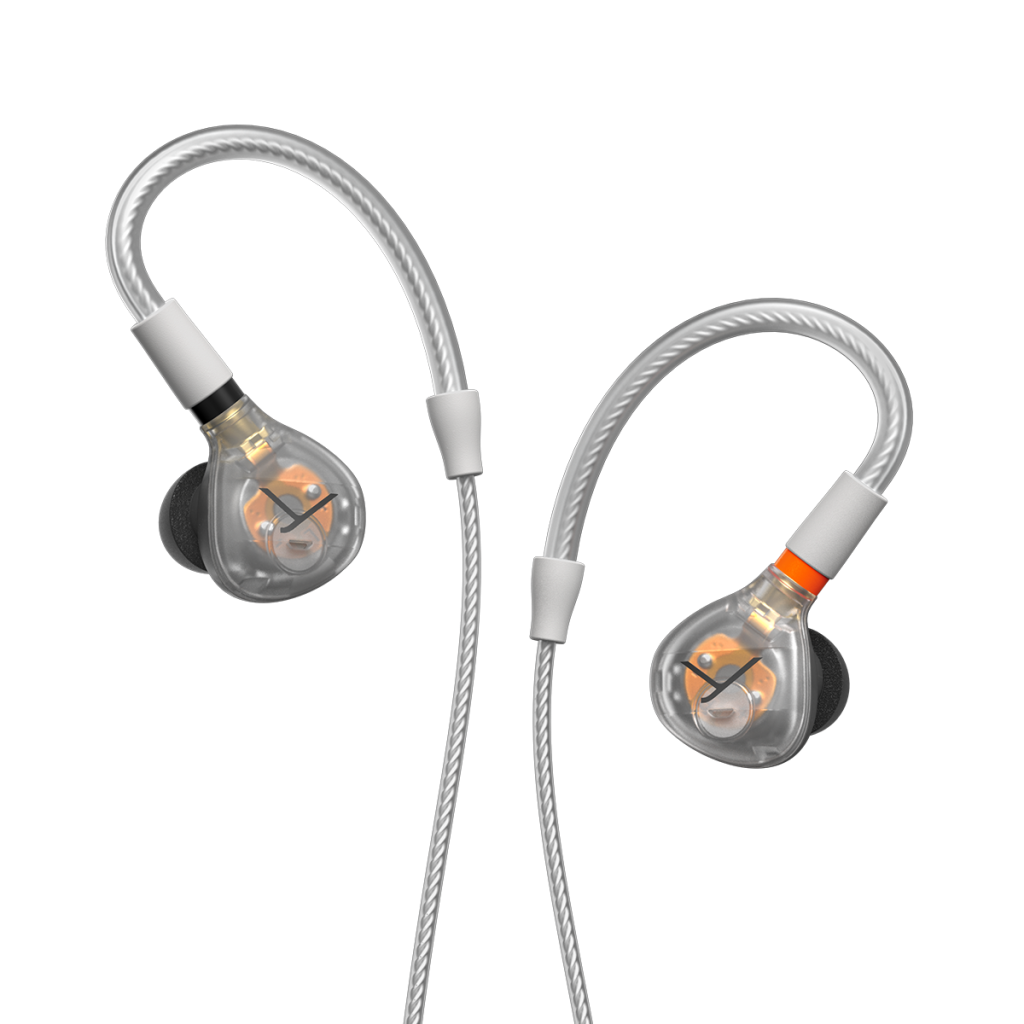
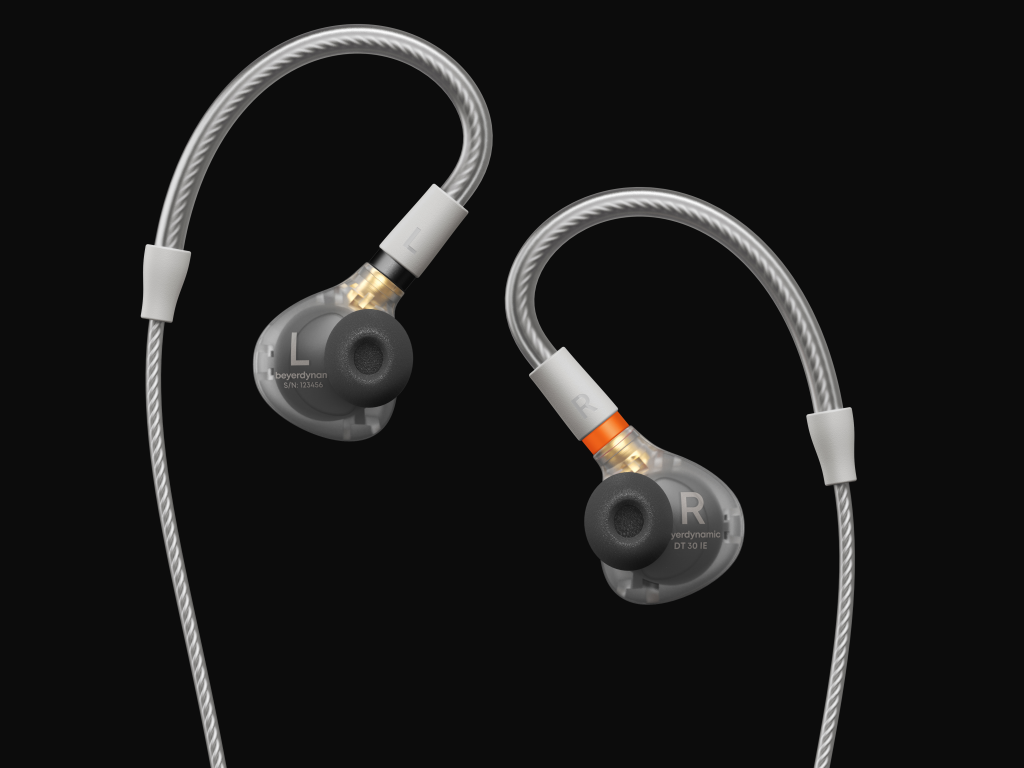
Unboxing the DT 30 IE is the aural equivalent of walking into a well-designed studio: everything is pared back, purposeful and built to last. The housings are compact, sculpted to fit deep in the ear without feeling intrusive. They aren’t trying to be jewelry; instead, they wear like a tool: familiar, refined and dependable.
The tactile cues matter here. The cable is substantial without being overbearing, with a supple braid that resists tangles and minimizes microphonics when you move. The connectors are solid and reassuring, giving the impression the earbuds will survive years of use or at least an intense commuting season. There’s a thoughtful selection of tips that lets you chase the right seal for isolation and bass extension, and once you get the fit right, they disappear into your ear: comfortably supportive rather than aggressively intrusive.
Key tech features explained in plain English
Beyerdynamic’s approach with the DT 30 IE is refreshingly analog in a digital era. These are passive in-ear monitors that depend on precise acoustic tuning and dependable physical build rather than companion apps and active noise cancellation. That means what you hear is determined by the drivers and the housing design, not DSP tricks or exaggerated bass curves.
Expect a focus on linearity and clarity. The tuning leans toward a balanced presentation that prioritizes midrange fidelity and transient accuracy. There’s no pandering to streaming-era “V”-shaped EQs. Instead, the DT 30 IE aims to translate the nuances of a recording; breath, pluck, decay; so you can judge the music the way an engineer might in a studio environment.
Performance in real-world use
Plug them into a phone during a commute and the DT 30 IE reveals its strengths: vocals are immediate and present, guitars have texture and body, and percussion is articulate without sounding thin. The bass is controlled; it hits with purpose but never overwhelms the mids. For electronic music or bass-forward pop, you’ll want to tweak the EQ for club-level heft, but that restraint is precisely what makes them such good reference IEMs for someone who wants to hear the song, not the headphones.
On the train, the passive isolation holds up admirably. You don’t get the hermetic seal of active noise cancelling, but you also avoid the sense that a processing algorithm is coloring what you hear. In quiet rooms, the soundstage breathes. Instrument separation is notable for in-ear cans: there’s a convincing sense of space that lets details sit apart from one another instead of clumping into a smear.
What stands out and what surprises
What stands out first is tonality. The DT 30 IE achieves a rare combination: warmth that feels organic without clouding detail. Mids are forward but not forward to the point of fatigue. Female vocals float with an honest presence. Acoustic instruments have the kind of decay that makes you lean in and listen for the tiny mechanical noises that give recordings life.
What surprises is how effective Beyerdynamic has been at delivering spatial clarity from such small housings. Many earbuds struggle to offer a believable soundstage, but the DT 30 IE manages a width and depth that enhances rather than distracts. It’s not stereo headphones wide, but in the world of IEMs it’s thoughtful, studio-minded engineering.
Any compromises or room for improvement
No product is without trade-offs, and the DT 30 IE’s choices are deliberate. If you want punchy, room-shaking bass for EDM or trap right out of the box, these won’t be your go-to. They reward listeners who prefer nuance over spectacle. Also, their neutrality makes some compressed or poorly mixed tracks sound thin: there’s less of the inflection that a colored headphone adds to mask production flaws.
Power sensitivity is generally good, but you’ll notice incremental improvements when using a dedicated DAC or headphone amp. These aren’t inefficient, but they show their best face when fed clean power. For the mobile-first listener who refuses to carry extra hardware, a small portable amp or a phone with a strong built-in DAC will unlock the peak performance.
Best use cases and target user

These earphones are happiest in the hands of someone who cares about fidelity: a listener who wants to hear what the artist and engineer intended, or a semi-professional who needs a reliable reference for field monitoring. They’re also ideal for audiophiles who commute and prefer a discreet, durable IEM that won’t compromise on transparency.
Conversely, if your playlist is 90 percent bass-heavy production and you want headphones that amplify that vibe without compromise, the DT 30 IE will feel like a roomier, more honest sibling—not an indulgence. Think of them as the headphone you reach for when you want to rediscover familiar tracks and notice things you missed before.
How it compares to others in its category
Compared to mainstream consumer earbuds, the DT 30 IE is an act of refinement. It doesn’t chase the exaggerated curves of many wireless buds that trumpet bass and treble for social-media-ready excitement. Against other wired IEMs in the same price bracket, its strengths are its surgical midrange and coherent soundstage. Some rivals may offer interchangeable filters, multi-driver setups, or bundled amps, but Beyerdynamic’s single-mindedness is its selling point: a focused hand on the equalizer that privileges truth over theatrics.
If you line it up next to popular audiophile IEMs that emphasize sparkle and extension in the highs, the DT 30 IE favors body and articulation. The result is less sibilance and more musicality. That’s a crucial distinction for long listening sessions: you notice fatigue less and musical details more.
Why it’s worth your attention now
We’re amid a mini-renaissance where the mainstream earbuds market splinters into two distinct camps: flashy, convenience-first true wireless options, and a quieter, serious branch that prioritizes sonic integrity. The DT 30 IE matters because it’s emblematic of that second branch. It reminds the market that a well-engineered wired IEM can offer a better listening canvas for anyone who prizes fidelity, portability and build quality.
Moreover, as streaming services normalize lossless formats and more listeners begin to appreciate the difference between compressed and high-resolution audio, headphones that reproduce detail with balance become more relevant. The DT 30 IE is poised to be the no-nonsense choice for people upgrading from generic earbuds but not yet committed to high-end multi-driver setups or full-sized headphones.
Price and value proposition
Value is where the DT 30 IE distinguishes itself. Instead of competing on features like wireless freedom or active noise cancellation, it competes on craftsmanship and listening experience. If you measure value in terms of how much honest insight a pair of earphones gives you back for your music dollar, these score highly.
They represent a thoughtful midpoint between entry-level earbuds that hide production flaws and ultra-expensive IEMs that require wallet-stretching justification. For serious listeners unwilling to abdicate musical nuance for convenience, the DT 30 IE is a pragmatic and persuasive upgrade.
How they fit into a broader audio ecosystem
Think of the DT 30 IE as the kind of baseline reference you’ll keep in rotation alongside a couple of more characterful headphones. They’re the ears you reach for when you want to judge a recording honestly. That makes them invaluable for curators and collectors alike: the pair that helps you decide whether a remix is improved, whether a master is properly balanced, or whether a streaming service’s quality claim actually holds up.
Paired with desktop DACs and portable amps, they reveal performance lifts that reward modest investment. They are also perfectly at home with high-end smartphones that still include capable audio circuitry. The point is that these earphones scale: use them with cheap gear and they’re good, use them with better sources and they become revealing.
Final verdict
The Beyerdynamic DT 30 IE is less interested in impressing you with theatrical effects and more focused on presenting music honestly and invitingly. It’s a reminder that refinement and restraint can be more thrilling than excess. If you care about sound as a craft and want an in-ear that respects recordings, this is a compelling, durable and thoughtfully tuned option.
They won’t be for everyone. If you live for bass drops that rattle subwoofers or demand the full wireless-and-ANC convenience suite, look elsewhere. But for listeners who want clarity, composure and longevity, the DT 30 IE is a quiet triumph; the kind of gear that rewards repeated listening and makes you rediscover tracks you thought you knew.
Should you buy it?
Yes, if you value tonal accuracy, build quality and a listening experience that prioritizes music over marketing. The Beyerdynamic DT 30 IE won’t shout, but it will make you listen—and once you’ve heard what it reveals, you’ll understand why that matters.