



Fitbit Air vs Whoop 5.0: The $99 Alternative That Might Be Better for Most People
Google just launched a screenless tracker that undercuts Whoop’s annual subscription by £113. Two weeks of wearing both tells you exactly who each one is built for.
There is a conversation that has been building in the wearables category for the past three years, and the Fitbit Air’s arrival on May 26 forces it into the open. The question is simple: how much should fitness data cost? Whoop’s answer has always been “more than you think, paid monthly, forever.” Google’s answer, delivered via the Fitbit Air at $99 with no subscription required for core features, is a direct challenge to that model.
I wore both simultaneously for two weeks: the Whoop 5.0 on my left wrist, the Fitbit Air on my right. Same sleep. Same workouts. Same commutes, desk days, and one very poor Tuesday night. Here is what each device actually tells you, where each one earns its keep, and the specific type of person who should buy each one.
The Core Argument: What Are You Actually Paying For?

Before getting into specifics, the financial comparison needs stating clearly because it changes how you evaluate everything else.
The Whoop 5.0 has no upfront hardware cost. You pay £15.99 a month, or £155.99 a year, for the subscription, which includes the band and access to the full Whoop platform. Over two years, that is £311.98. Over three years, £467.97. If you stop subscribing, the device stops working.
The Fitbit Air costs $99 in the US, or roughly £79 to £89 in the UK depending on retailer. Core features, including heart rate tracking, sleep staging, daily readiness scores, step counting, and SpO2 monitoring, are subscription-free. Google Health Premium, which unlocks AI-driven health coaching and deeper trend analysis, costs $9.99 a month or $99 a year. Core features without Premium cost you £89 once.
The gap, if you opt out of Premium on the Fitbit Air, is the difference between paying once and paying forever. If you use Google Health Premium, the annual cost is $99 versus Whoop’s $192 ($17.99 a month in the US). The Fitbit Air is cheaper in every configuration.
The relevant question is whether Whoop’s extra cost delivers proportionate extra value. Two weeks of simultaneous testing gives a reasonably clear answer.
The Whoop 5.0: What It Does Exceptionally Well

The Whoop 5.0 is built around three daily scores: Recovery (how ready your body is to handle training stress), Strain (how much cardiovascular load you accumulated yesterday), and Sleep (how well you actually rested). Those scores are derived from heart rate variability, resting heart rate, respiratory rate, skin temperature variance, and sleep stage analysis collected continuously.
What Whoop does that the Fitbit Air does not is HRV-based longitudinal coaching. Your HRV baseline is established over the first thirty days of wear, and every daily Recovery score is relative to your personal baseline rather than population averages. When your HRV drops consistently over several days before you feel ill, Whoop catches it. When your recovery is suppressed by alcohol, poor sleep, or accumulated training stress, Whoop quantifies exactly how much and for how long.
In my two weeks of testing, Whoop flagged two recovery events I would have noticed subjectively but not quantified: a post-long-run suppression on day four that correctly predicted a low-energy day five, and a mid-week HRV dip on day nine that corresponded with genuinely elevated stress I had not consciously registered. Both were actionable. On day five I rested instead of training. On day nine I left work earlier than planned. The data informed decisions I would not have made on feel alone.
The Strain score is the other Whoop differentiator. Tracking cardiovascular load over time and comparing it to recovery means you can see whether you are training productively or digging a hole. For anyone following a structured training plan, whether for a marathon, a cycling event, or a general fitness goal, this is genuinely useful information that most wearables do not provide with Whoop’s specificity.
The HRV accuracy during sleep is Whoop’s strongest technical claim and it mostly holds. The 5.0’s sensor positioning optimises for overnight readings, and the HRV data in my testing correlated reasonably well with how I felt each morning. Not perfectly, as no optical sensor can match a medical-grade ECG. But consistently enough to be a useful daily signal.
The Fitbit Air: What It Gets Right
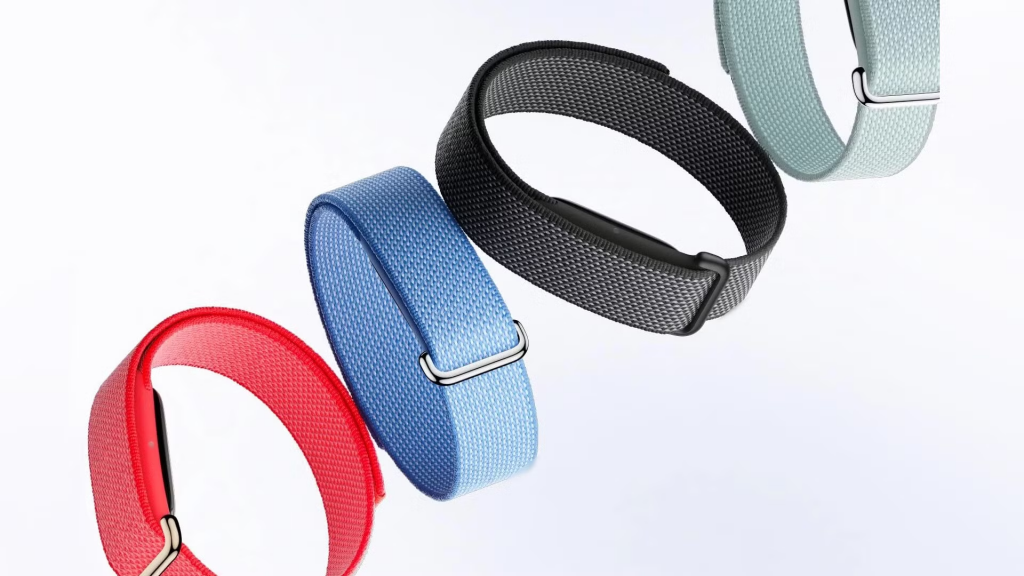
The Fitbit Air is not trying to be Whoop. Understanding this is necessary before evaluating it fairly.
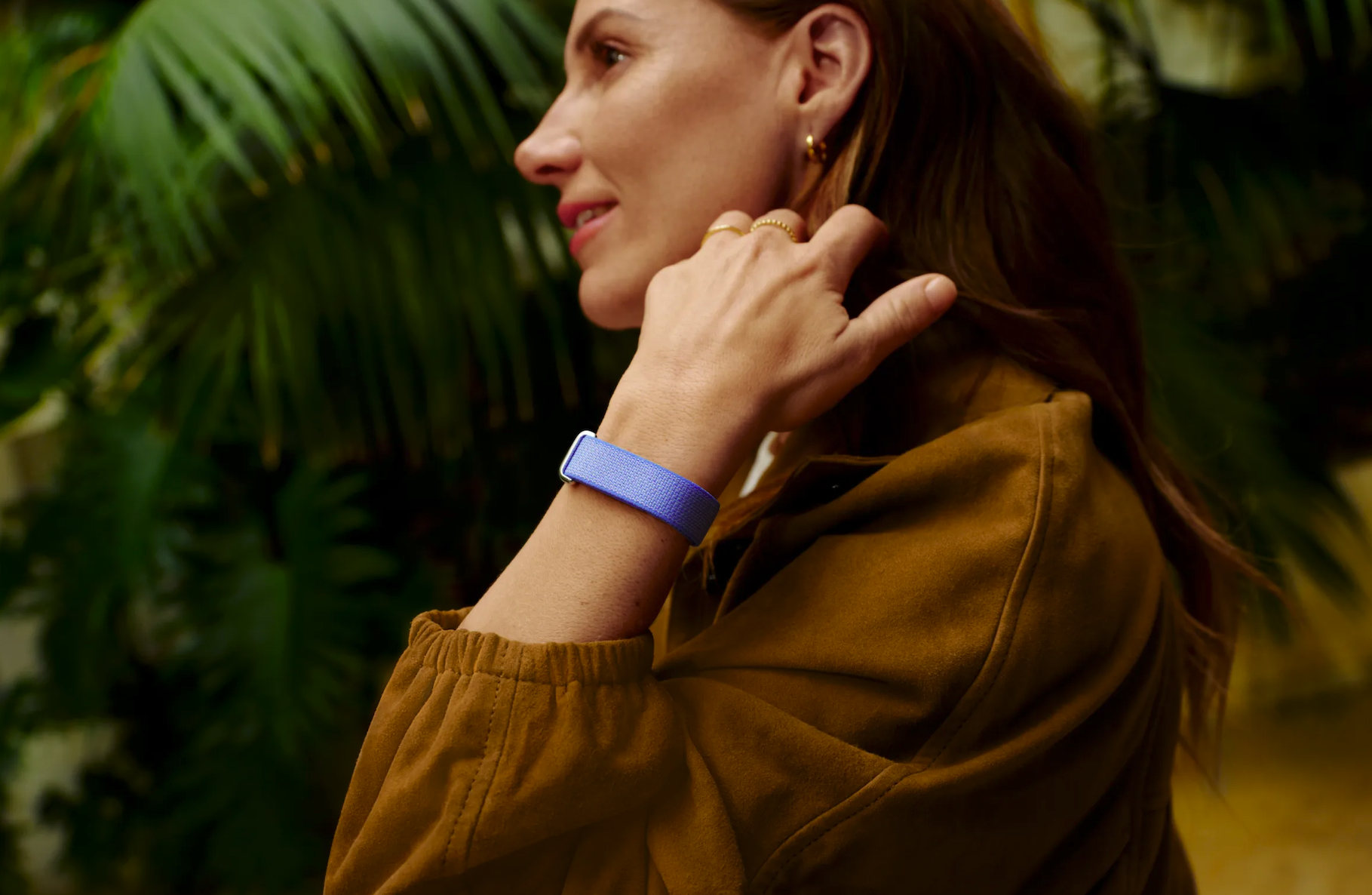
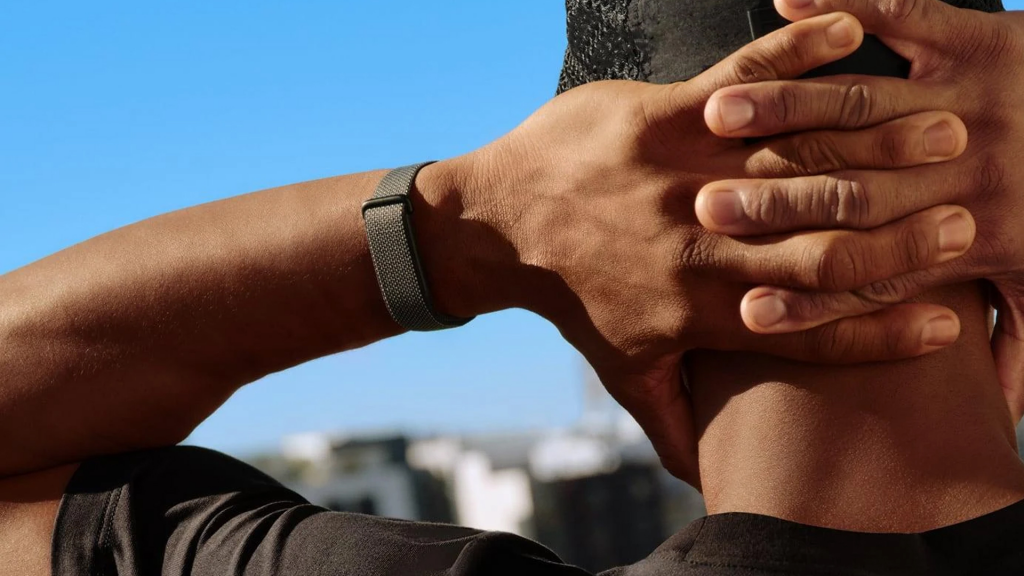
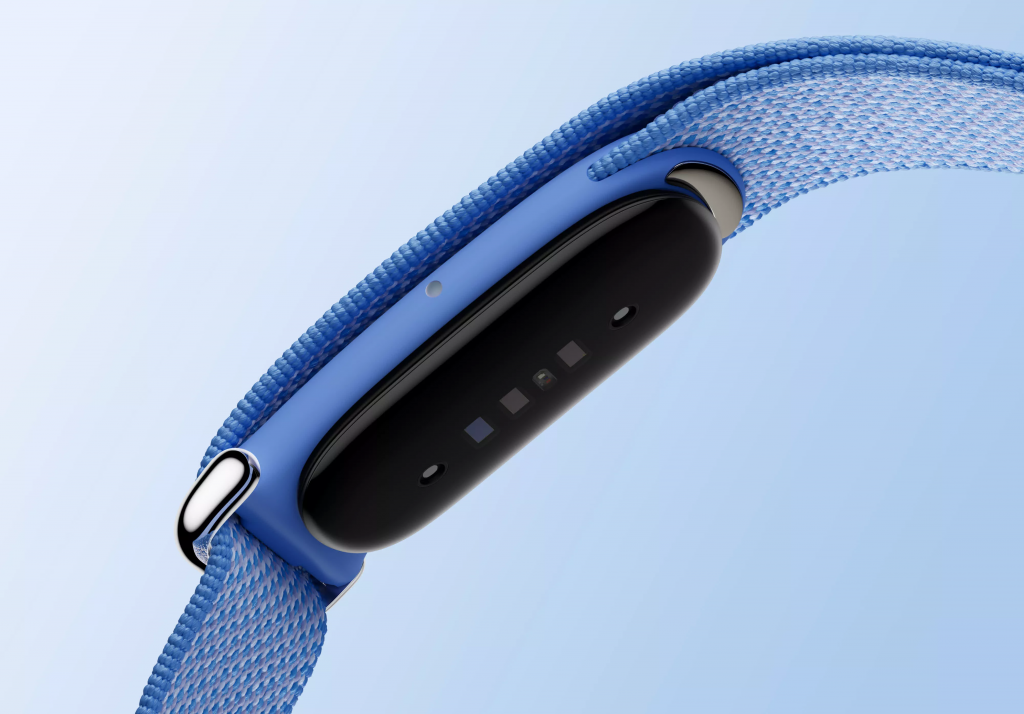
The Air is a distraction-free wellness tracker. No display. No notifications. No impulse to check your wrist every ten minutes. You put it on and forget it is there, and in the morning the Google Health app tells you how you slept, how ready you are for the day, and whether the past week’s activity is trending up or down. That summary is genuinely useful, accessible, and presented without the vocabulary barrier that Whoop can sometimes erect around its data.
The sleep staging on the Air is good. Not Oura Ring-level good (the ring’s finger position gives it a genuine sensor advantage for overnight HRV), but solidly accurate. My light, deep, and REM readings on the Air aligned with my subjective sleep quality across most nights of testing. There were two nights where the Air’s staging looked notably different from Whoop’s, and in both cases I believe the Air was correct based on how I felt the following morning.
The seven-day battery life is a practical advantage that is hard to overstate. Whoop lasts four to five days, which means thinking about charging every few days and occasionally missing overnight data during the charge window. With the Air, I charged it once across the full two weeks of testing. For sleep tracking to be accurate and useful, wearing the device every night matters. The Air makes that significantly easier than Whoop does.
The form factor also deserves credit. Tom’s Guide called the Air “one of the most comfortable fitness trackers available” and that matches my experience. It disappears on the wrist in a way that the Whoop 5.0, which is not uncomfortable but is noticeably present, does not quite manage. For people who want a wearable that genuinely stops being a wearable after the first hour, the Air wins.
The Gemini-powered Google Health Coach, which requires the Premium subscription at $9.99 a month, is the Air’s most forward-looking feature and also its most unfinished. In two weeks of testing, the coaching suggestions were sometimes specific and useful and sometimes generic enough to feel like an FAQ repackaged as personalised advice. It will improve. But it is not currently at the level where it justifies Premium on its own.
Where Each Device Falls Short
The Fitbit Air‘s weakest point is its workout tracking accuracy during high-intensity exercise. Without a screen, you get no real-time heart rate feedback during a run. Without GPS, you need your phone for pace and distance. During a tempo run on day six, the Air’s heart rate data included a twelve-minute segment that looked implausibly low, a reading I could not verify or dismiss without a reference device. The Whoop 5.0, worn simultaneously, showed a more credible curve.
This is not unusual for wrist-based optical sensors during vigorous exercise. Wrist movement creates noise in the signal. The Air is designed as a 24/7 wellness tracker, not a workout computer, and it should be evaluated on those terms. But if your primary use case is training intensity monitoring, the Air’s limitations in that specific context matter.
The Whoop 5.0’s weakest point is the thing everyone already knows: the subscription. Two weeks of wearing a device that stops working when you stop paying creates a particular kind of discomfort that purely practical comparisons cannot fully capture. Whoop argues that the ongoing subscription funds continuous software development and coaching improvement. That is a fair point. But it also means you are renting your own fitness data indefinitely, and the moment you stop, three years of longitudinal HRV trends become inaccessible.
The Whoop app also has a vocabulary problem. Strain, Recovery, and HRV are terms with specific clinical meanings that Whoop uses in ways that do not always match those meanings precisely, and the onboarding for new users requires a period of learning to interpret the scores correctly. The Fitbit Air’s Google Health app is less data-rich but significantly more legible. A person who has never tracked their health before will get value from the Air within a week. Getting genuine value from Whoop typically takes thirty days just to establish the baseline.
Two Weeks of Data: What Actually Happened
Running both devices simultaneously produced some interesting disagreements.
On sleep staging, the devices agreed about 75% of the time. On the nights they diverged, the disagreements were typically in the light/deep split rather than the total sleep duration, which both devices tracked consistently.
On daily readiness and recovery, the scores told similar stories but through different lenses. Whoop’s Recovery percentage and the Fitbit Air’s readiness score both flagged the same three low-readiness days across the fortnight. Whoop provided more explanation for why. The Air’s explanation was simpler but still actionable.
On workout heart rate, Whoop was more consistent during high-intensity intervals. The Air showed more artefact during peak effort. During steady-state cardio, both performed adequately.
On passive daily use and step counting, both devices were broadly accurate and broadly irrelevant as a primary use case for either.
The Verdict: Who Should Buy Which
The Whoop 5.0 is the right device for people who train seriously and will engage deeply with the data it produces. If you are following a structured programme, training for a specific event, managing recovery from injury, or dealing with a condition where longitudinal HRV data has genuine health relevance, the depth of Whoop’s analysis justifies the subscription cost. At £192 a year, you need to be the kind of person who reads your weekly report and adjusts your training based on it. If that is you, Whoop earns its money. If it is not quite you, it does not.
The Fitbit Air is the right device for everyone else who wants to sleep better, feel less rundown, and have a reliable picture of their overall wellness without spending a subscription fee or reading a data-heavy dashboard every morning. At £89 once, it is the most accessible entry point to meaningful health tracking available in 2026. The absence of a screen is a feature, not a compromise. The Google Health app is good enough, and improving. The battery life is excellent. The subscription question is optional rather than existential.
There is a third group: people who want the best of both. The Oura Ring 4 at £349 one-time (no mandatory subscription) sits between them, with better sleep staging than either and the obvious advantage of the ring form factor. If you already wear a watch and want accurate overnight data without Whoop’s cost or the Fitbit Air’s exercise limitations, the Oura Ring is the device that the comparison above does not include but arguably should.
The Fitbit Air is not better than Whoop. It is better for most people, which is a different and more useful distinction.
Quick Comparison
Whoop 5.0 Price: £0 hardware / £155.99 per year subscription (US: $17.99/month) Battery: 4 to 5 days Display: None GPS: None Subscription: Required for all features Best for: Serious athletes, structured training, longitudinal HRV coaching
Fitbit Air Price: $99 / approximately £89 Battery: 7 days Display: None GPS: None Subscription: Optional ($9.99/month or $99/year for Premium coaching) Best for: General wellness, sleep tracking, anyone who wants useful data without complexity or ongoing cost