




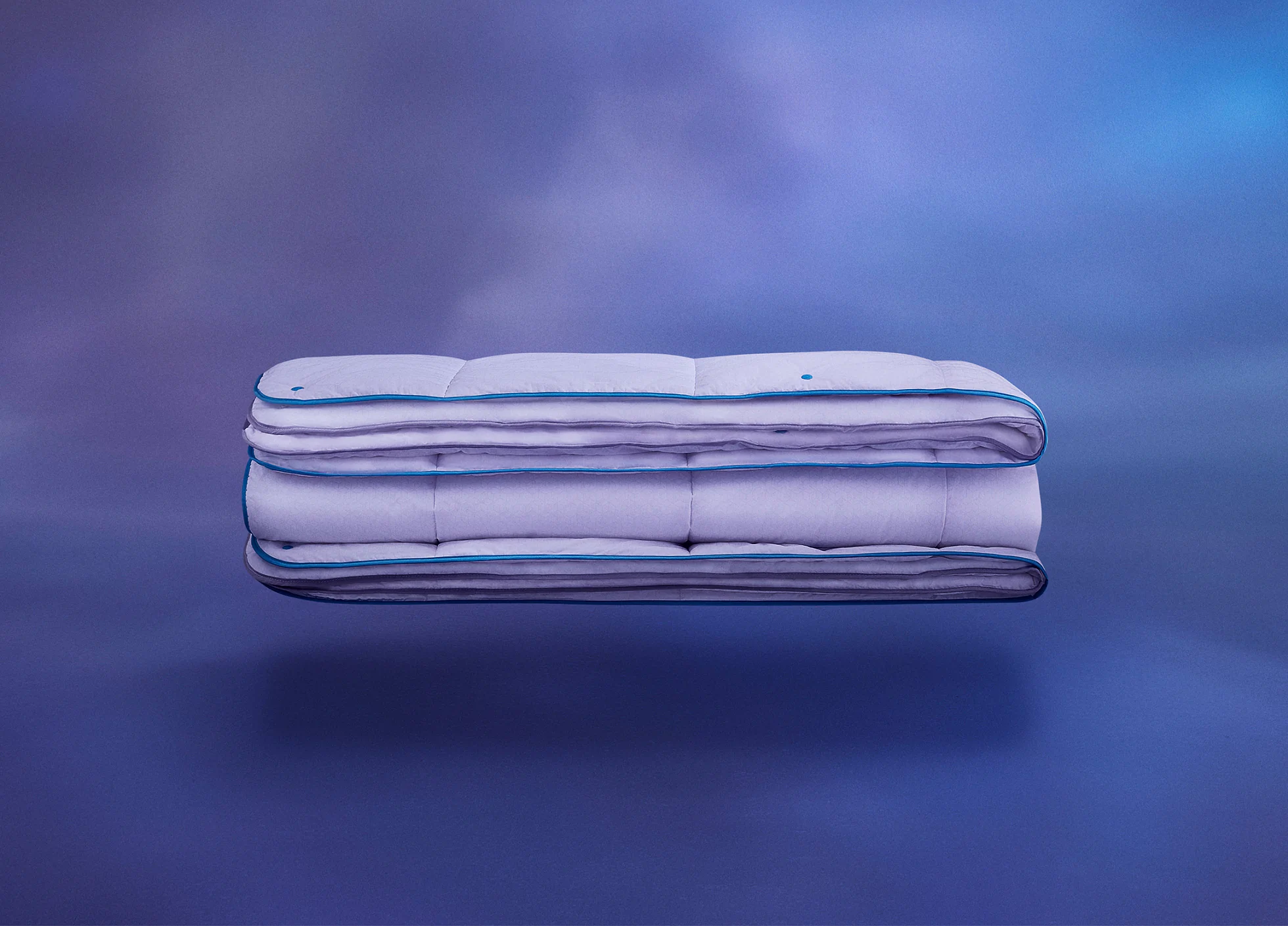
Simba Hybrid 3-in-1 Duvet review: the only cover you need, all year long
Two duvets, three tog ratings and a cooling coating: we’ve spent autumn under Simba’s modular duvet to see if one purchase really can retire the spare-room stash for good
We went into this sceptical. Our airing cupboard has slowly turned into a duvet graveyard: one too thin, one too hot, and a 10.5 tog compromise nobody loves. The Simba Hybrid 3-in-1 promises to replace the lot, with a 3.5 tog summer layer and a 7 tog spring/autumn layer that pop together for winter. We’ve spent the past few weeks of autumn under the 7 tog layer, and so far it’s been a joy: light, lofty, quiet and beautifully made, with a Stratos cooling side that feels noticeably cool when you climb in. It isn’t cheap, and anyone in a draughty old house may want more than 10.5 tog in deep winter. For hot sleepers, couples who bicker over the thermostat and anyone sick of storing three duvets, it’s shaping up to be an easy recommendation. We’ve tested the Simba Hybrid 3-in-1 through autumn and will update this review once we’ve put the combined winter setup through a proper British cold snap.
Pros
- Three genuinely useful weights (3.5, 7 and 10.5 tog) from one purchase
- Stratos cooling side feels genuinely cool the moment you get in
- Light, cloud-like loft without the pressure of wool or feather
- Machine washable at 40°C, hypoallergenic and made with recycled fill
Cons
- Fitting both layers into one cover is likely to be a two-person job
- 10.5 tog maximum may not be enough for very cold sleepers or chilly homes
- No central fasteners, so layers may drift apart inside a loose cover
Quick specs
| Price | From £249 (Single) to around £449 (Super King) RRP; double reviewed at £349 |
| Sizes | Single, Double, King, Super King |
| Tog ratings | 3.5 tog (summer), 7 tog (spring/autumn), 10.5 tog combined (winter) |
| Fill | Simba Renew (recycled PET) blended with 20% modal |
| Top surface | Cotton with Stratos phase-change cooling finish |
| Underside | 55% modal, 45% cotton |
| Construction | Square-stitched pockets, perimeter press-stud fastenings |
| Care | Machine washable at 40°C, tumble dry on low |
Price and availability
The Simba Hybrid 3-in-1 Duvet is available now directly from Simba, with stock also turning up at retailers including Amazon UK and Costco UK. The RRP starts at £249 for a Single and climbs to roughly £449 for a Super King, with a Double sitting at £349. That’s a serious outlay when you can pick up a perfectly decent microfibre all-seasons duvet on the high street for under £60.
The good news is that you rarely need to pay full whack. Simba runs frequent promotions, and its winter sale earlier this year knocked 20% off, bringing the entry price down to £199.20. Costco UK has also listed it from £199.99 with delivery included. If it were our money, we’d add it to the basket and sit tight for Black Friday, which is only weeks away. Paying full price for this duvet in November would feel like a mistake.
Design and build
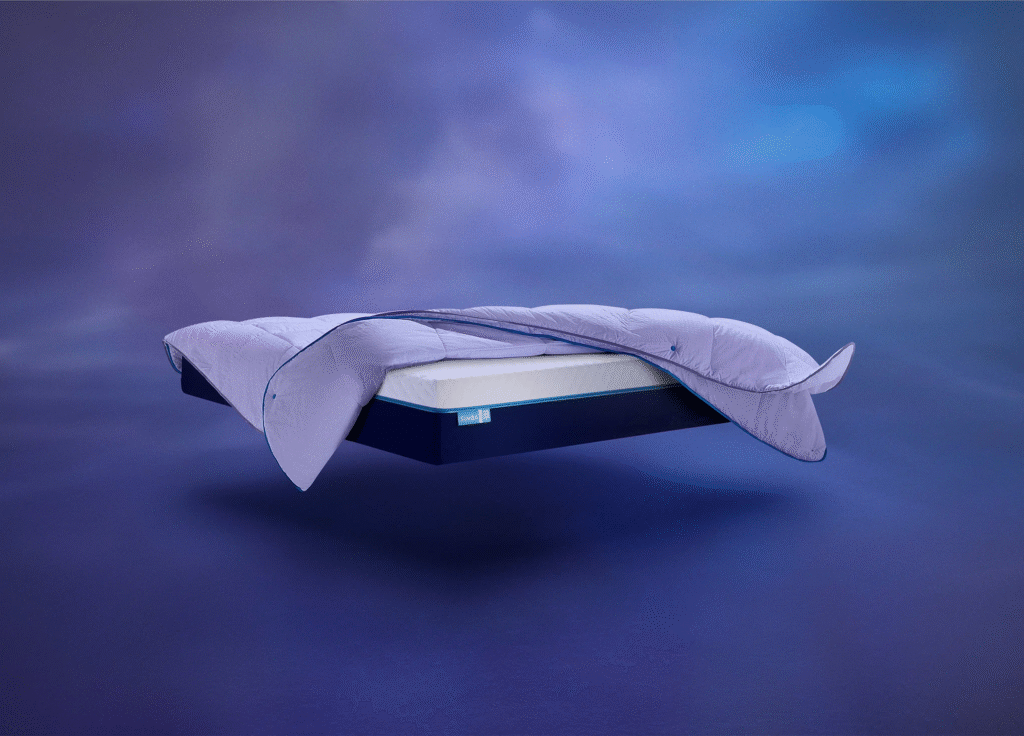
We’ll admit to a moment of confusion when we opened the bag: there are two duvets in there, not one. They’re colour coded, so you never have to squint at a label. The 3.5 tog summer layer has blue piping around the edge, and the 7 tog spring/autumn layer gets subtle grey piping. It sounds like a minor detail, but when you come to swap layers half asleep on a spring morning, you’ll be glad you don’t have to hunt for a tag.
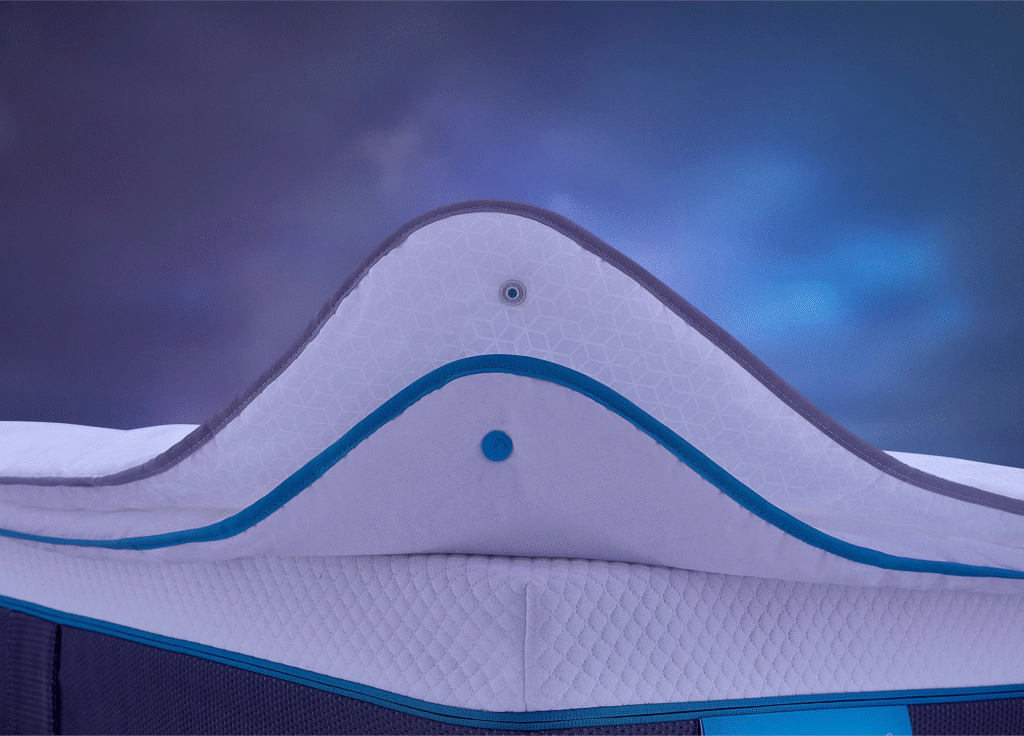
To build the 10.5 tog winter setup, you lay the summer duvet over the thicker one and fasten them together with sturdy branded press-studs running around the border. The poppers feel chunky and reassuring, a world away from the flimsy ties on cheaper all-seasons duvets, and we’ll report back on how they cope with a full winter of two restless sleepers yanking the duvet back and forth.
Both layers use a square-stitched pocket design, and it’s the unglamorous hero of the whole thing. Each square keeps its share of filling locked in place, so you don’t end up with a thin patch over your feet and a lumpy ridge along one side. If you’ve ever owned a cheap duvet that migrated all its filling to the corners, you’ll know why this matters. Weeks of shaking out and stuffing into a cover later, the warmth is still evenly spread from edge to edge.
Simba has clearly thought about the small irritations too. A QR code label links straight to care instructions, and orientation tags mark the foot end, so you’re not trying to feed a king-size duvet sideways into its cover. Trust us, doing that at 11pm is nobody’s idea of fun. The outer fabric feels expensive: smooth, soft and, crucially, quiet. Cheaper synthetic duvets often rustle like a crisp packet every time someone turns over. This one barely makes a sound, and after a few weeks of autumn nights it’s the detail we’ve come to appreciate most.
Materials and cooling tech
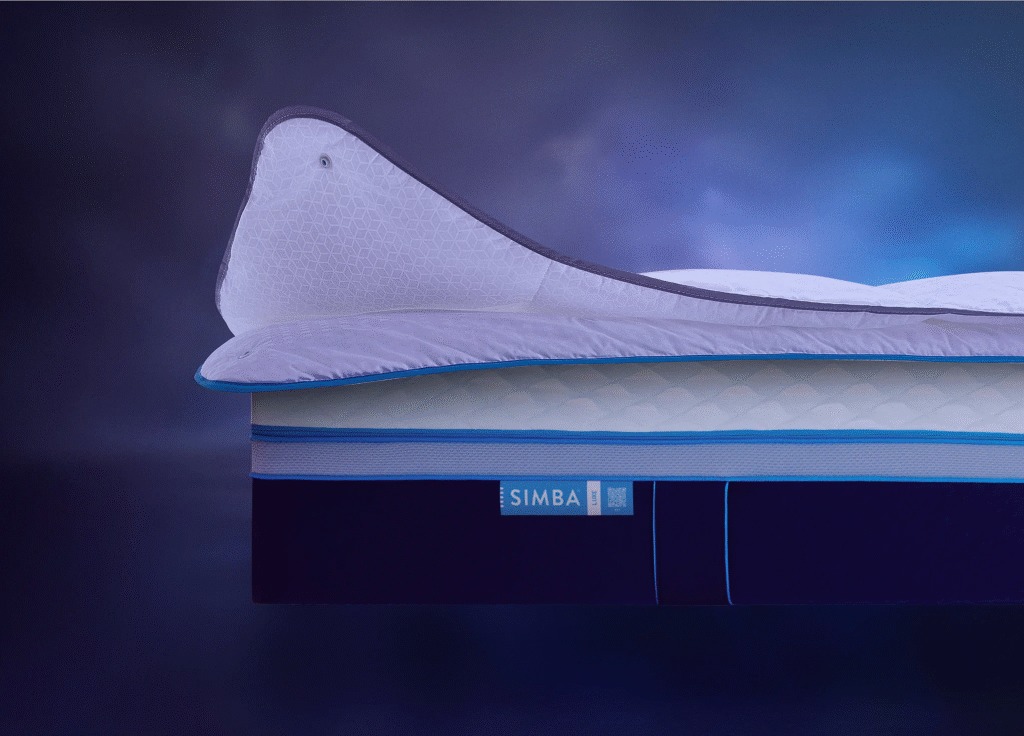
This is where Simba’s mattress-maker DNA shows. Rather than leaning on cheap polyester or animal down, the 3-in-1 relies on engineered materials designed to manage heat and moisture, and in our bedroom that made a difference we could actually feel.
The main filling in both layers is Simba Renew, made by carding recycled plastic bottles into light, airy clusters that mimic the loft of goose down. It’s hypoallergenic, which makes it a smart pick for anyone who sneezes their way through feather bedding. It also feels far lighter than its warmth suggests, so you get the cosiness without feeling pinned to the mattress.
Synthetic fill on its own can trap clammy air, so Simba blends Renew with 20% modal, a fibre made from beech wood pulp. Modal is very good at pulling moisture away from the body, and even on the milder autumn nights when the heating was still on, the 7 tog layer felt breathable rather than sweaty. Warm, yes, but never stuffy.
The headline feature is Stratos, a phase-change coating applied to the top side of each layer. When your skin heats up, the micro-encapsulated material absorbs that excess warmth, and when you cool down in the small hours, it releases it back. Simba claims it feels up to 3°C cooler than untreated cotton. We can’t verify the exact figure in a bedroom, but the surface does feel cool when you first slide in, and so far we haven’t had the creeping overheat that usually wakes us around 3am. The real test will come next summer, but the early signs are promising.
Flip the duvet over and you get a soft 55% modal, 45% cotton underside instead. That gives you a choice: Stratos side down if you run hot, cotton side down if you want classic cosy insulation. It’s a clever bit of flexibility on top of an already flexible product.
Performance and real-world use
Summer: 3.5 tog
We haven’t had a heatwave to throw at it yet, so treat this as an informed first impression. On its own, the blue-piped summer layer is properly light, almost weightless when you pick it up, and with the Stratos side facing down it looks ideal for anyone who can’t sleep under nothing but can’t bear anything heavy in July. It’s the layer we’re most curious about, and we’ll update this section once the warm weather returns.
Spring and autumn: 7 tog
This is the layer we’ve actually been living with, and it has quickly become a favourite. The grey-piped 7 tog has a pleasing, plush weight that keeps the chill off on cooler evenings without trapping heat once the radiators come on. As we write this in late October, it’s on our bed, and climbing into it at the end of a long day feels like a small treat. For most UK homes, we suspect this is the layer you’ll use for the bulk of the year.
Winter: 10.5 tog combined
Snapped together, the two layers form a dense, luxurious 10.5 tog duvet. We’re saving our full verdict for when winter properly bites, but on paper that’s plenty for a modern centrally heated home, and the cooling finish should stop the combined set from turning into a sauna, a common issue with thicker synthetic duvets.
There is a ceiling, though. 10.5 tog is warm, not arctic. If you naturally run cold, or you live in an older stone property where the bedroom gets properly frosty, you may find yourself reaching for an extra throw in January. Competitors like Soak & Sleep’s all-seasons design go up to 13.5 tog combined, so if cold is your main enemy, that extra headroom matters.
Care and maintenance
Both layers are machine washable at 40°C, which is a huge plus over down duvets that often need professional cleaning. The square stitching and synthetic fill should also resist clumping in the wash far better than feathers do.
Drying is where you’ll need a plan. The thin 3.5 tog layer fits in a large home washer and should dry easily on the line or in a tumble dryer. The 7 tog layer is far bulkier and really needs a large-capacity dryer on a low setting, so for many households that means a trip to the laundrette. Keep the heat low so you don’t scorch the Stratos coating, and make sure the core is completely dry before it goes back on the bed, or you’ll be living with a musty smell.
Verdict
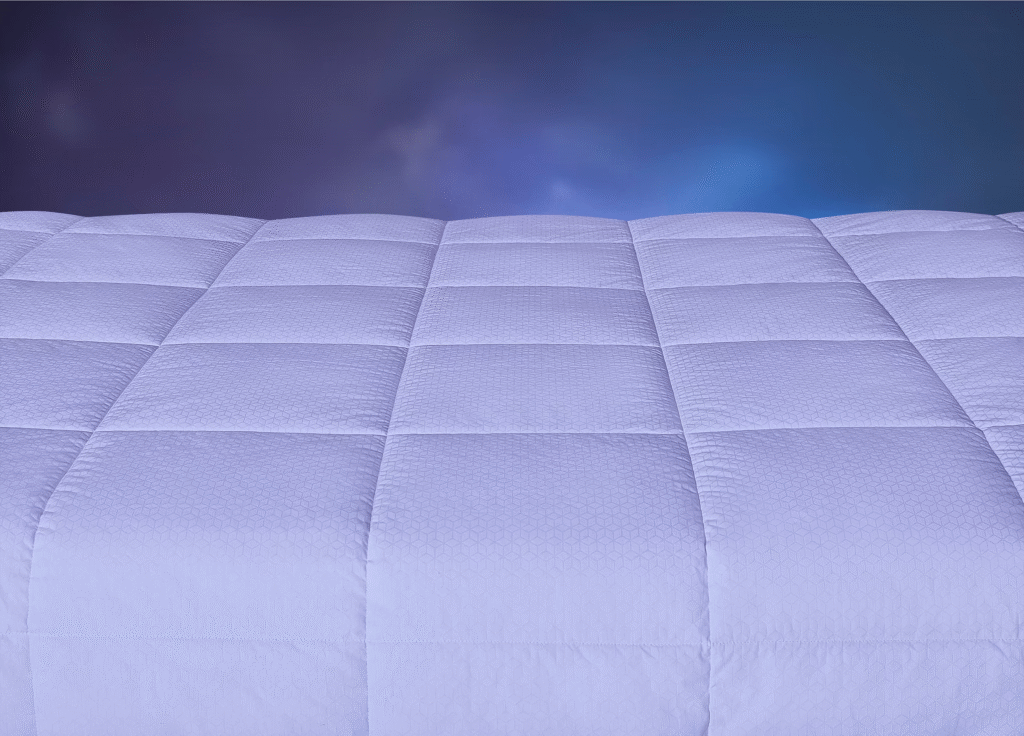
The “all-season duvet” label has been stretched thin by years of marketing, usually slapped on a single mid-weight duvet that’s a compromise for everyone. The Simba Hybrid 3-in-1 looks set to actually earn it. After an autumn under the 7 tog layer, it’s already one of the most comfortable duvets we’ve slept under, and the modular design gives it a flexibility no single-weight duvet can match. We’ll confirm how it holds up through winter and summer, but the signs are very good.
The price is the obvious hurdle, but it’s easier to swallow when you think of it as three duvets plus cooling tech in one bundle. Buying a decent separate summer, spring and winter duvet would cost a similar amount and eat a cupboard’s worth of storage. Here, the spare layer folds away neatly, and you’ll only need to swap it twice a year.
Buy it if you sleep hot, share a bed with someone whose internal thermostat doesn’t match yours, live somewhere with unpredictable weather, or want a sustainable, hypoallergenic alternative to down. Ideally, buy it in a sale.
Skip it if you sleep cold in a draughty home and need more than 10.5 tog, or if you’re on a tight budget and only need one weight for most of the year. In that case, a single-tog duvet will do the job for far less.
For everyone else, this is shaping up to be the one cover you need all year long, and right now it isn’t leaving our bed.
Also consider
Simba Hybrid Duvet: If you like the Stratos cooling tech but don’t need the modular setup, Simba’s single-layer Hybrid Duvet costs considerably less and gives you the same cool-touch surface in one fixed weight.
Soak & Sleep Soft as Down All Seasons Duvet: The better pick for cold sleepers, as its two layers combine to a warmer 13.5 tog. It lacks phase-change cooling, but it’s a cheaper route into a modular duvet.
Panda Cloud Bamboo Duvet: A strong alternative for hot sleepers who would rather have a natural bamboo-based fill than recycled synthetics, though you lose the flexibility of separate seasonal layers.