


Fiio FT1 review: Small in size, but High-Value Audio
The FT1 is a convincing entry in the crowded in-ear monitor market, offering hybrid driver engineering, a thoughtful accessory package, and a sound that punches well above its price. If you care about clarity, impact, and the option to upgrade later, these IEMs make a persuasive case.
Meet the FT1: pocketable precision with attitude
Fiio has long been the brand people turn to when they want high-value audio gear that feels like it was made by music lovers, not marketing machines. The FT1 continues that streak, arriving as a compact in-ear monitor aimed at listeners who want more nuance than typical earbuds, but who also want something friendly to carry, pair, and enjoy right out of the box. Think of the FT1 as the kind of product that invites a curious ear, then refuses to let go until you have checked off a few familiar albums and discovered small details you had never noticed before.
Design: comfort, craftsmanship, and the little luxuries
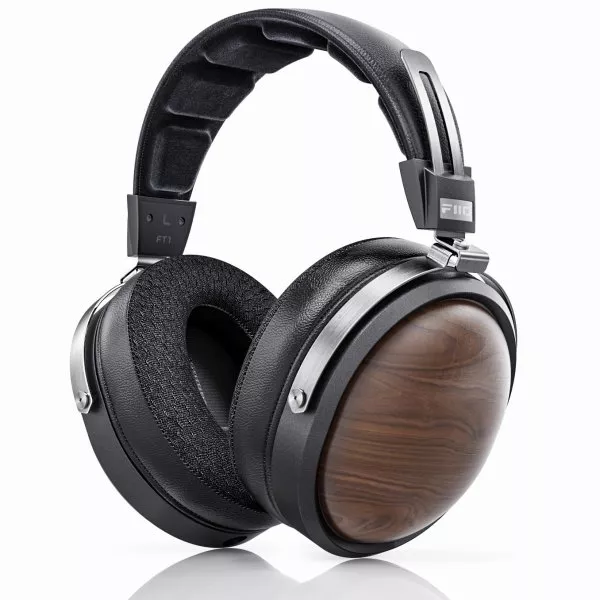
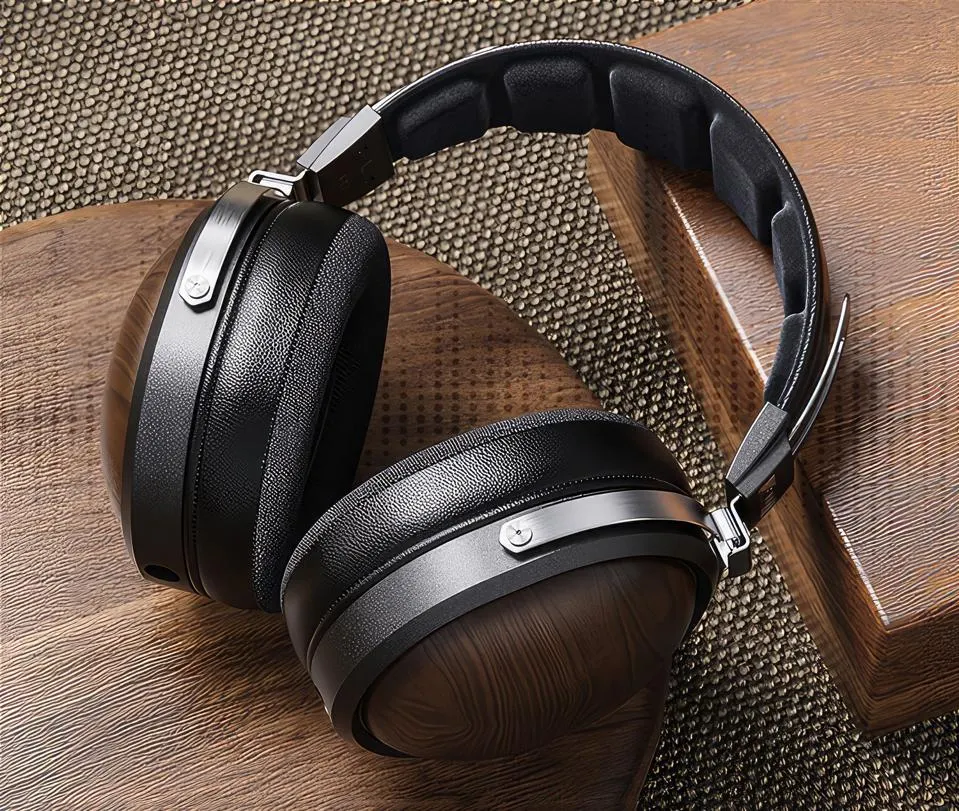
At first glance the FT1 does not shout, it boasts quiet confidence. The housings are sculpted to sit low and comfortable in the ear canal, with a smooth finish that avoids the plasticky feel common at this price point. The contouring is a subtle triumph, making them suitable for long listening sessions, commuting, or a pair you keep in a jacket pocket and pull out when a song demands attention. Music gadgets often try to impress with gaudy materials, yet what matters is how they feel in your ear, and the FT1 nails that with a fit that stays put without fuss.
The package demonstrates Fiio’s attention to the small things: a compact carry case that actually fits in a coin pocket, a range of tips to help you find the right seal, and a detachable cable that gives you upgradeability. You will appreciate the replaceable cable not just for longevity, but for the flexibility to swap in a balanced cable if you ever decide to experiment with a portable amplifier. It is the sort of thoughtful accessory suite that signals you are dealing with an IEM intended to last, not a throwaway accessory.
Technology explained: hybrid drivers, tuning, and why it matters
The FT1 uses what many modern IEMs call a hybrid driver setup, which means there are two types of transducers inside: a larger dynamic driver handles the low frequencies, and smaller balanced armature elements take care of the mids and highs. Why that combo, in plain terms, works so well is simple: the dynamic driver gives you the satisfying punch in the bass, while balanced armatures deliver pinpoint detail and clarity for vocals and cymbal shimmer. Together they can recreate a rich, layered sound without muddiness.
Fiio also applies electronic and acoustic tuning to manage the handoff between drivers, think of it as a carefully choreographed handoff in an orchestra so the bass does not drown out subtle textures. The result is a sound that feels cohesive, not like two different speakers trying to play the same song. Importantly, the FT1 is tuned to be engaging without being aggressive, so detail lovers hear nuance, and casual listeners still enjoy a lively presentation.
Real-world listening: how the FT1 performs with different music
Listening to a well-loved playlist reveals the FT1′s strengths and personality. Bass lovers will find the low end satisfying, it is tight and defined rather than overly boomy, so electronic music retains its energy while acoustic tracks keep their natural timbre. The midrange is where these IEMs really shine, with vocals presented in a focused, slightly forward way that keeps lyrics and lead instruments at the center of attention. That makes podcasts and storytelling as enjoyable as your favorite singer-songwriter album.
For the highs, Fiio leaned into clarity. Cymbals and upper harmonics have sparkle without sounding tinny, and transients come through with a crispness that reveals micro-details in well-recorded tracks. Acoustic guitar, saxophone, and piano each benefit from this transparency, while complex mixes retain separation so instruments do not collapse into a mush. The soundstage is competent, giving a sense of space and placement, though it remains rooted in what you expect from in-ear monitors: precise, intimate, not expansive like a full-size open-backed headphone.
Standout features: what sets the FT1 apart
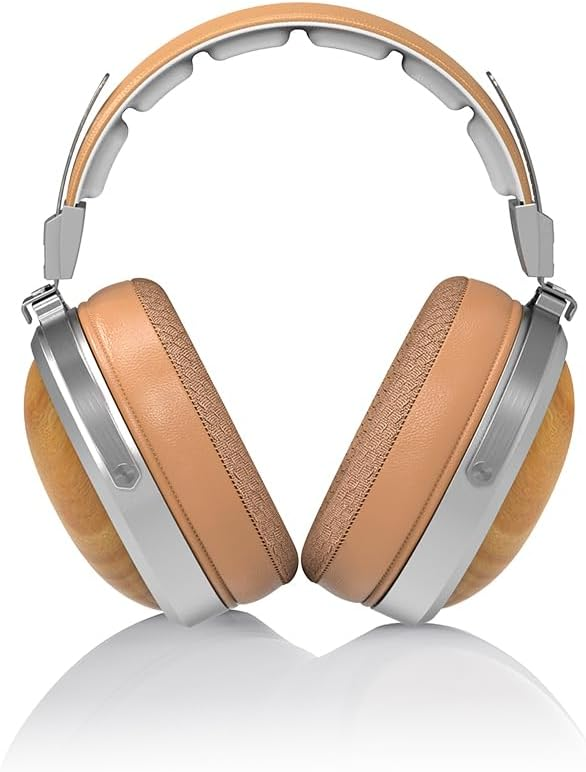
There are a few key features that elevate the FT1 beyond simply being a good-sounding IEM. The detachable cable is one. It adds resilience and invites exploration, because once you have an easily replaceable interface, you can upgrade to different cable types that subtly affect tonality and dynamics. Fiio also includes a variety of ear tips, which sounds mundane, but the right tip transforms an IEM from merely comfortable to surprisingly immersive. The attention paid to fit, finish, and the accessory bundle suggests Fiio intended the FT1 for daily use, not just a showroom sample.
Another subtle strength is how forgiving the FT1 is with source gear. You do not need a high-powered portable amp to enjoy them, they pair well with phones and most portable players, yet they also benefit from a better DAC or a balanced connection. That versatility matters because it helps them serve a broader audience, from casual commuters to discerning audiophiles who like to fine-tune their rig.
Use cases: who should buy the FT1
The FT1 suits a particular kind of listener, it is for people who value sonic clarity without the fuss of a complex setup. If you travel, commute, or work from a café you will appreciate the secure fit and passive isolation. If you are a music fan who wants to pick apart mixes, notice subtle production choices, and still enjoy a satisfying bass thump now and then, these IEMs give you that middle ground. They are also a fine choice for creators and casual studio use, where a reliable, revealing monitor helps when editing or checking mixes on the go.
Because the FT1 is forgiving with source devices, you get to use them with smartphones, laptops, portable players, and simple DAC-amps. That makes them a flexible investment, not a single-purpose gadget. And if you like the idea of tinkering, the detachable cable path leaves room to experiment with different connectors and amplifiers, which is a subtle way Fiio extends the product’s lifespan in an enthusiast’s collection.
Drawbacks, softened: honest limitations you should know
No product is perfect, and the FT1 has a few trade-offs to consider. The soundstage, while good for an IEM, will not match the airiness of open headphones, so if you crave that sense of a big concert hall, you might feel a little boxed in. Some listeners who prefer a darker or warmer signature may find the FT1 slightly forward in the mids, it is tuned for clarity and engagement, which is a matter of taste rather than an absolute flaw.
Fit is mostly excellent, but like any in-ear monitor it depends on ear shape, and a small portion of users may need to spend time with tips to get the ideal seal. Also while the FT1 is robust for day-to-day use, they are not indestructible, so treat the cable and connectors with some care: thankfully the modular nature of the cable makes replacements straightforward. These are minor concerns relative to the overall package, but they are worth knowing before you buy.
Why the FT1 matters: value, evolution, and the IEM landscape

The FT1 matters because it hits an important sweet spot: it bridges the gap between casual convenience and serious listening without demanding a big investment or a bookshelf full of accessories. The in-ear monitor market has been evolving quickly, with new players offering exotic materials, extreme tuning curves, and steep prices. Fiio instead focuses on a combination of sensible design, meaningful feature choices, and a sound that invites repeated listening. For many people that pragmatic approach is more useful than the latest flashy spec.
Moreover, the FT1 represents the kind of product that encourages listeners to learn about their audio preferences. It is easy to listen, but it rewards curiosity, and that educational value is subtle yet powerful. You can start with a phone and a playlist, then gradually explore cables, DACs, and different source gear, all while the core product remains consistently enjoyable. That makes the FT1 less like a disposable accessory and more like a first step into a hobby that many find delightfully compulsive.
Where the FT1 fits in your life
Summing up, the Fiio FT1 is a thoughtful, well-rounded in-ear monitor that delivers clarity, punch, and long-term value. Its hybrid driver arrangement yields a sound that is detailed yet musical, the build and accessory choices support everyday use, and the modular nature encourages future upgrades. It is not the most extreme or polarizing IEM you could buy, rather it is a finely judged tool built for people who enjoy music and want an honest rendition of it.
If you are upgrading from basic earbuds and desire more nuance, or if you want a portable monitor that plays nicely with a range of devices, the FT1 deserves a serious audition. It will not solve every audio itch, and if your preference is for massive soundstage or a warm, cushy low end you might look elsewhere, yet for anyone seeking balance, clarity, and a durable, upgradeable design, the FT1 is an excellent, sensible choice. In short, the FT1 is proof that small packages can still carry ambitious sound, and sometimes that ambition is exactly what you need to fall back in love with the music in your library.


