

Meta’s new AI keychain wants to be your Tamagotchi, your PA and your wallet
Muse Charm is a pocket-sized portal to Meta’s viral AI agent. It’s adorable. It also wants your card details.
Remember the Tamagotchi? The little egg-shaped pet you had to feed, clean up after and keep alive through double maths, only for it to die tragically during PE? Mark Zuckerberg clearly does, because the most talked-about gadget from this week’s Meta Connect wasn’t a pair of glasses. It was a keychain.
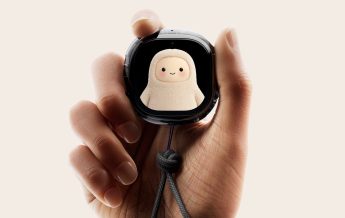
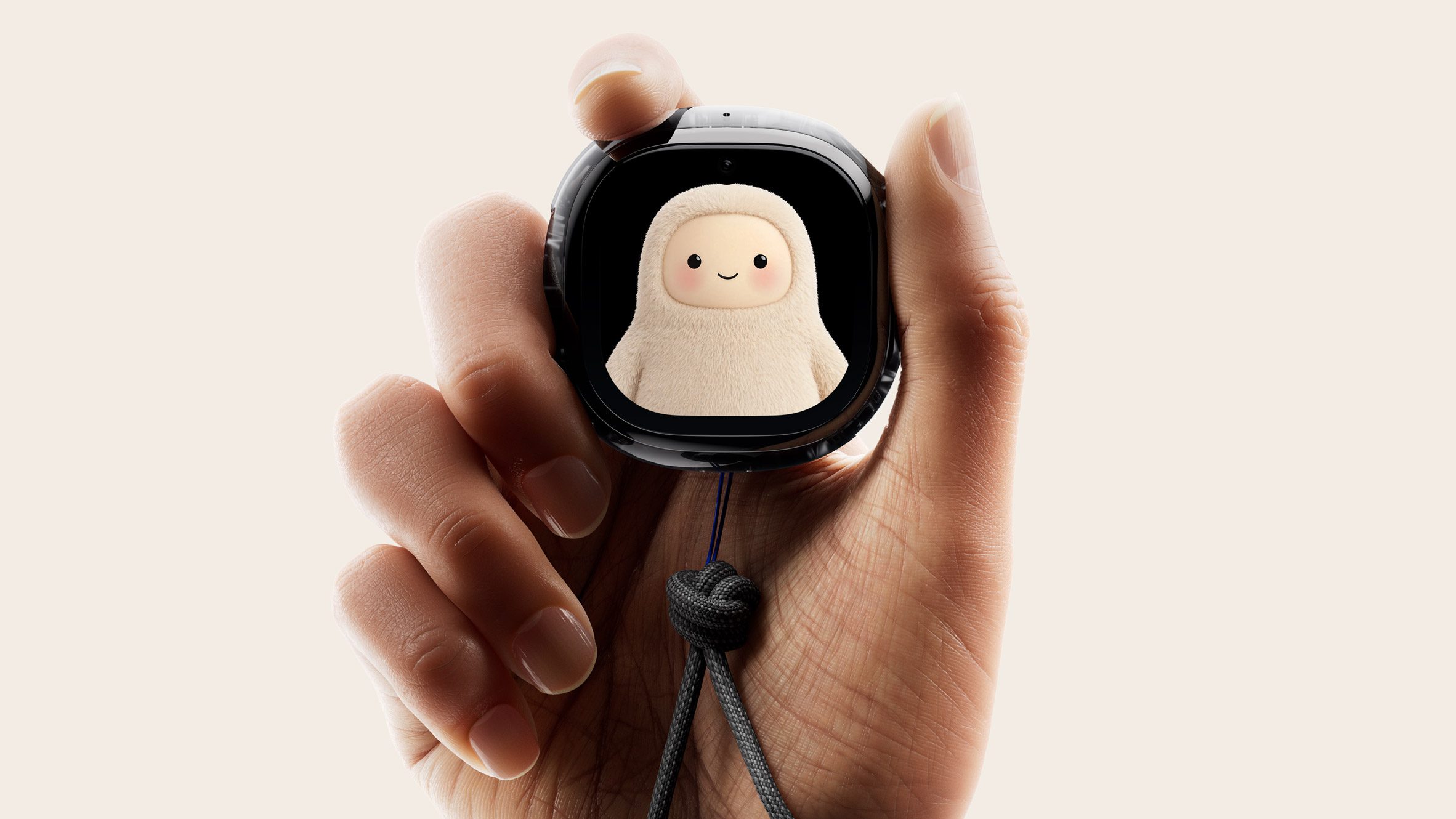
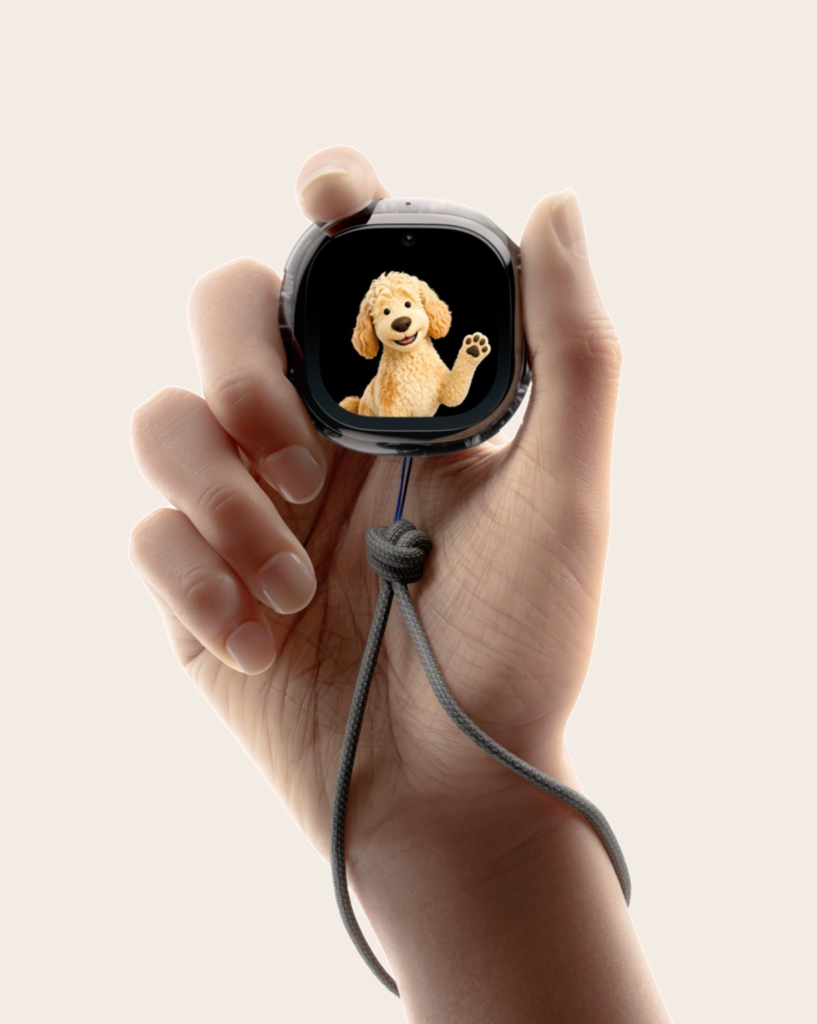
Meet the Muse Charm, a palm-sized device you can dangle from a string, clip to your bag or lose down the back of the sofa. Its job is simple on paper and mildly terrifying in practice: it gives you a direct line to Muse, the AI agent Meta launched earlier this month that can book appointments, write your emails and buy things on your behalf.
So yes, it’s a Tamagotchi. Except this time, you’re the one being looked after. And instead of pixelated poo, it deals with your inbox.
Zuckerberg saved it for the “one more thing” moment at the end of his keynote in Menlo Park on 23 September, which is a bold move for a company that isn’t Apple.
So what actually is it?
The Charm has a screen of roughly 2 inches (about 5cm) that you navigate with your thumb. In the middle sits a customisable Muse character, which is where the Tamagotchi vibes come from. You talk to it, it talks back, and it goes off and does your life admin while you do literally anything else.
There’s a built-in 5G modem, so it works away from Wi-Fi and doesn’t need your phone nearby. It can’t make calls, though, so sadly this isn’t the Nokia 3310 comeback we’ve been manifesting. Early reports also point to front and rear cameras plus a fingerprint sensor, which means Muse can see what you’re seeing. Point it at a product on a shelf or a road sign and it should tell you what’s in front of you. Handy for shopping. Less handy if you were hoping to hide that third pair of trainers from yourself.
If you’re not wearing Meta’s glasses, Zuckerberg says this will be “by far the fastest way to talk to your Muse”, and honestly, fair. Pulling out your phone, unlocking it, ignoring 14 notifications, finding the app and typing a request is a lot of faff for “reorder the dog food”.
What we don’t know is arguably more important. There’s no price. Meta has hinted it’ll land somewhere around smartwatch money, which is a range roughly as wide as the M25. There’s no word on battery life, and no word on whether that 5G comes with its own monthly bill. Meta is still finalising components and aiming to ship in December, just in time for Christmas. UK availability? Not a peep.
Why is Meta doing this now?
Because Muse has been an absolute rocket.
Muse launched in early September and racked up millions of downloads within days. Some analysts reckon it’s the biggest US app launch since ChatGPT in November 2022. Investors seem to agree. Meta’s shares climbed nearly 12 per cent in Connect week before cooling slightly. Shopify, a Muse partner, went up. Booking and Intuit, the company behind TurboTax, went down, because an agent that books your flights and does your taxes is basically their worst nightmare with a cute face.
Meta also loaded Muse’s trolley with new retail partners including Walmart, Best Buy, Gap, Wayfair and Sephora, with Shop Pay and PayPal handling payments. Muse isn’t really a PA. It’s a personal shopper who lives in your pocket, already knows your card details and never gets tired.
Meta renamed itself in 2021 to chase the metaverse, spent a small country’s GDP on it, and got legless cartoon avatars in return. Now Zuckerberg says “personal superintelligence” is the thing that will come first and matter more. The Charm joins a push to put Muse everywhere: phones, computers, the camera-free Ray-Ban Meta Audio glasses (from $349) and eventually the $1,299.99 VR Glasses due in spring 2027.
It’s also hardware Meta owns. For years the company has lived on Apple’s and Google’s platforms, a lodger paying rent and following house rules. A device that skips the smartphone is its way of getting its own flat.
Who is it actually for?
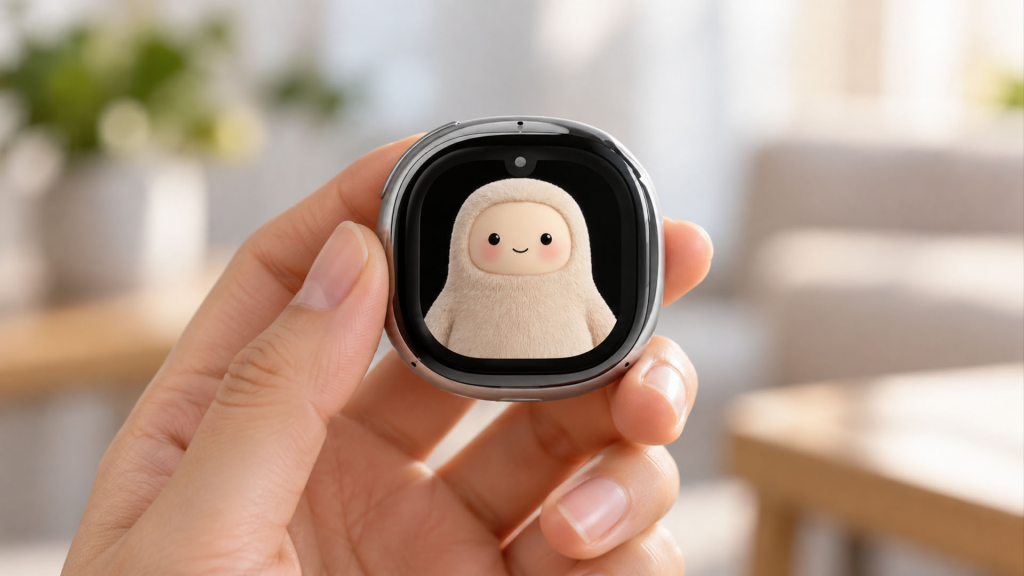
Meta seems to be aiming squarely at Gen Z, and there’s a decent case for it.
Younger users treat AI assistants as companions rather than glorified search engines. They send voice notes, not emails. They’re also behind a very real nostalgia boom: digicams, flip phones and wired headphones are all having a moment. A cute AI pet on a keychain slots neatly into that, right between the Labubu and the house keys.
Jitesh Ubrani, a director at research firm IDC, reckons the Charm is “appealing to people who might not want to wear glasses”, and we think he’s onto something. Plenty of people simply don’t want a camera on their face.
Linda Sui, founder of Smart Analytics Global, also sees potential with younger buyers if the price is sensible, but she’s cautious about everyone else. Unless the Charm does something your phone, watch, earbuds or glasses genuinely can’t, she reckons it’ll stay a nice-to-have for early adopters. We agree, and we say that as people with a drawer full of nice-to-haves.
We’ve seen this movie before
It’s impossible to talk about the Charm without mentioning the Rabbit R1. That little orange gadget arrived in early 2024 with enormous hype, promised to run your errands, then flopped when the AI couldn’t deliver. The Humane AI Pin went the same way. The AI gadget graveyard is getting quite crowded.
Meta has two advantages the Rabbit never had: millions of Muse downloads already, and distribution. When you own Facebook, Instagram and WhatsApp, you don’t have to convince anyone your agent exists. Your nan has probably already been sent a link.
But there’s a third factor, and it’s the one that gives us pause: trust.
The elephant on the keychain

For Muse to be useful, you have to give it a lot. Your email. Your calendar. Your payment details. Your logins. That’s the whole point of an agent. It can only act on your behalf if it can act as you.
That’s a big ask from any company, and Meta turns up with more baggage than a Ryanair flight to Ibiza. Before Muse even launched, there were reports of internal concern that the agent could mishandle sensitive personal data. Its release came less than a fortnight after Meta agreed an $18 billion multistate settlement over social media harms. And at Connect itself, the company confirmed it had permanently switched off the cameras on thousands of smart glasses whose owners had tampered with the recording light.
Now add cameras, a fingerprint sensor and an always-on 5G connection to something designed to hang off a teenager’s backpack. Meta needs to show its working, and fast, before December.
Our verdict (for now)
We’re genuinely charmed by the Charm, pun fully intended and absolutely not apologised for. It’s playful in a way most AI hardware isn’t, and there’s a real idea underneath it: talking to an agent shouldn’t mean unlocking a £1,000 glass rectangle every time.
But a gadget like this lives or dies on three things Meta hasn’t told us yet: what it costs, how long the battery lasts, and how much of your life you have to hand over to make it worthwhile. Get those right and this could be the stocking filler of the year. Get them wrong and it’ll be in a drawer next to your old Tamagotchi by February, equally neglected.
We’ll be first in the queue to find out which. Just don’t ask us to give it our banking password yet.