


Google Pixel 11 Pro XL review: Bigger price, same phone, and a light show nobody asked for
Google’s biggest non-folding Pixel is still a gorgeous, easy-to-live-with Android phone, but this year you pay £100 more for a spec sheet that mostly stands still.
The Pixel 11 Pro XL is a very good smartphone, with a high-end build, an outstanding display and software that’s at its best on Google’s own hardware. It remains the best way to experience Android, and the camera is dependable rather than dazzling. But the upgrades over the Pixel 10 Pro XL are thin, the price has gone up and the headline new feature is a light on the back. If you’re coming from a Pixel 9 or older, it’s a lovely step up. If you already own last year’s model, keep your money.
Pros and cons
Pros
- Huge, bright 6.8-inch LTPO OLED with a 3,600-nit peak
- Seven years of Android updates, the best promise in the business
- Excellent build, with IP68 protection and a slightly lighter body than its predecessor
- Larger sensor on the 5x telephoto improves zoom quality
- Strong speakers and a fast, fluid Android 17 experience
Cons
- £100 more than last year’s XL, with less RAM in the base model
- Tensor G6 still trails Snapdragon rivals for raw performance and heavy gaming
- HiLight is a gimmick in search of a purpose
- Battery and charging aren’t the step forward Google claims
Quick specs
| Price | From £1,279 (UK) / $1,299 (US) |
| Display | 6.8-inch LTPO OLED, 1344 x 2992, 120Hz, up to 3,600 nits |
| Chip | Google Tensor G6 (3nm) |
| RAM / storage | 12GB / 256GB, 16GB / 512GB, 16GB / 1TB |
| Battery | 5,115mAh, 45W wired, 25W wireless (Qi2.2) |
| Cameras | Triple rear, including 48MP ultra wide and 5x telephoto |
| Size / weight | 162.7 x 76.5 x 8.5mm, 226g |
| Software | Android 17, up to 7 major OS updates |
| Protection | IP68, Gorilla Glass Victus 2 front and back |
| Extras | Ultrasonic in-display fingerprint sensor, UWB, satellite SOS, eSIM |
Price and availability
In the UK the Pixel 11 Pro XL starts at £1,279 for the 256GB model, which is £100 more than the equivalent phone cost last year. Pre-orders opened on 12 August and it went on sale on 20 August, so you can walk into a shop or a network store and pick one up today. There are three configurations: 12GB/256GB, 16GB/512GB and 16GB/1TB, with the 1TB model a new addition this year. In the US the XL costs around $1,299, which is the same $100 bump.
The base storage has doubled, since the old 128GB entry point is gone, and that softens the blow slightly. What doesn’t feel good is the RAM. The entry model now ships with 12GB, which is 4GB less than last year’s starter XL, and the Gemini Pro trial has been cut from a year to six months. Paying more for less is a hard sell, even if rising component costs are partly to blame.
There’s a small sweetener if you’re buying now. Google Store UK is bundling a Pixel Flex 67W dual-port charger with Pro and Pro XL purchases until 24 September. That matters because there’s still no charger in the box, and a decent one would otherwise cost you around £55 on top.
Design and build
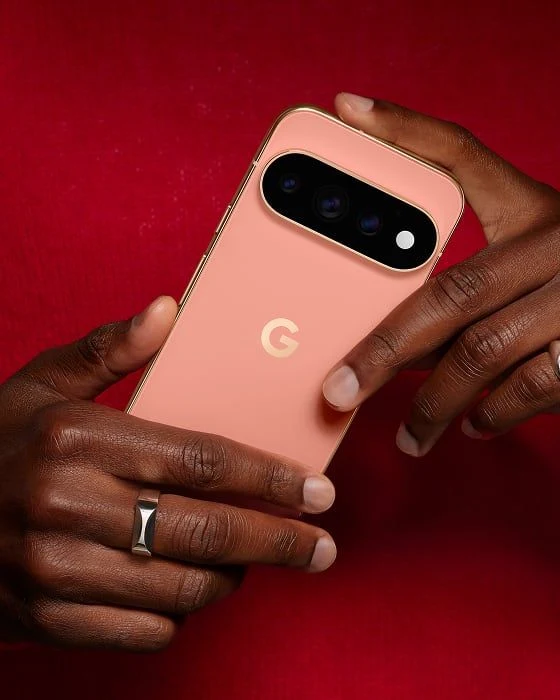
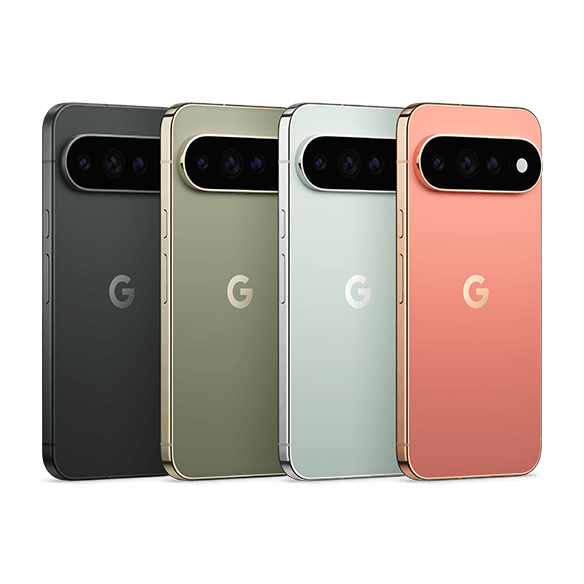
If the Pixel 11 Pro XL looks familiar, that’s because it is. It closely resembles the Pixel 10 and even the Pixel 9, which isn’t a criticism. It’s a confident, handsome slab with glass on both sides and an aluminium frame, and fit and finish are on par with the iPhone 17 Pro. At 162.7 x 76.5 x 8.5mm it’s a big phone, and at 226g it’s a heavy one, though both Pro models are a touch lighter than their predecessors. You’ll want two hands for the top of the screen, and it won’t be a favourite with anyone who likes to slip a phone into a tight jeans pocket.
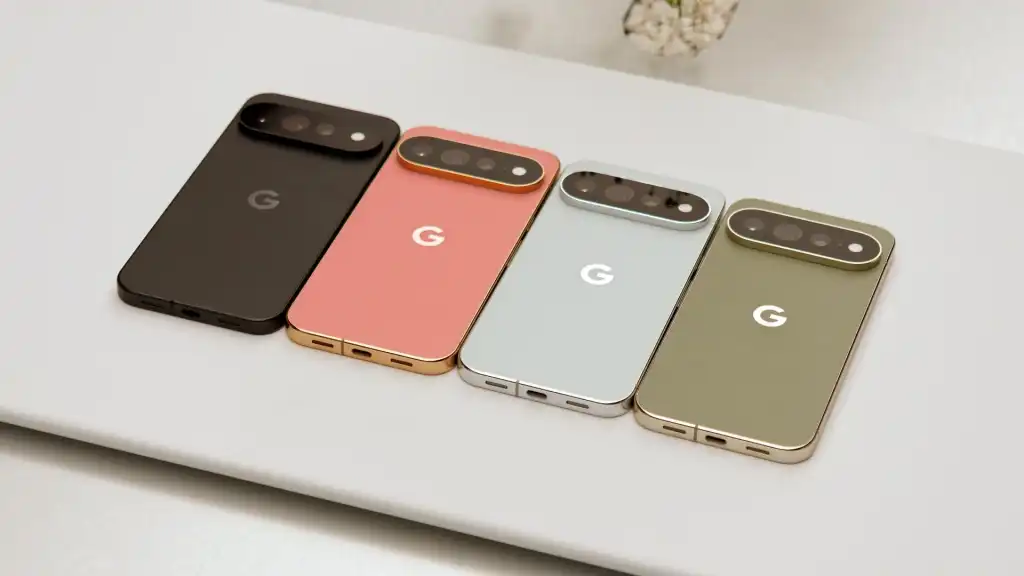
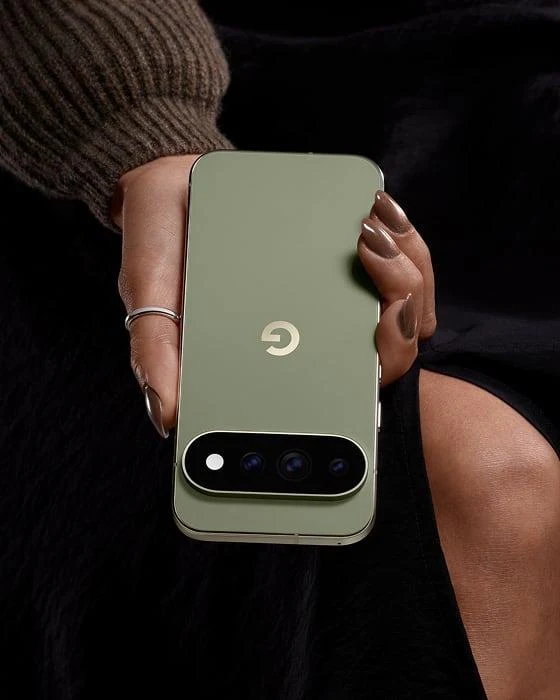
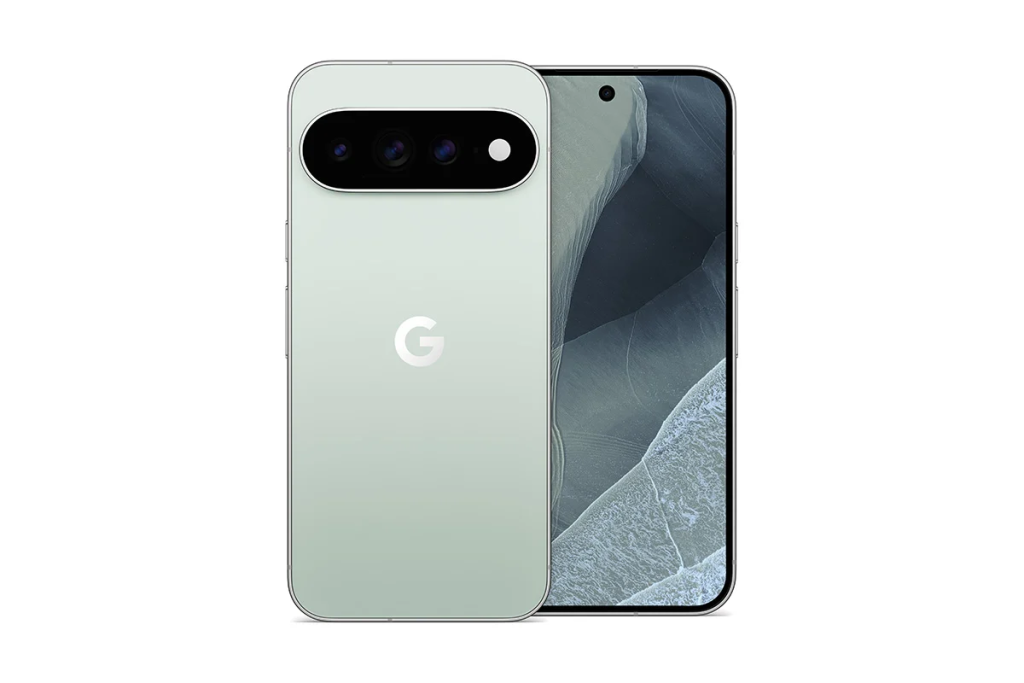
The camera bar is now fully black across every colour, which looks smarter than last year’s two-tone finish. The colours are the fun bit: Olive, Canyon (a soft salmon pink with gold-toned trim), Fog and Black. Canyon is the standout, and easily one of the best colourways Google has ever produced. One gripe: the shiny metallic side rails collect fingerprints instantly, and only the black model gets matte sides. If that bothers you, your colour choice is made for you.
IP68 dust and water resistance is standard, so an accidental dunk shouldn’t be a disaster. There’s also an ultrasonic fingerprint sensor under the display, which is faster and more reliable than the optical kind, plus ultra-wideband for finding things and satellite SOS for emergencies when you have no signal.
Then there’s HiLight, the RGB light strip built into the camera bar. You can assign colours to favourite contacts so it glows when they call, and it pulses when you talk to Gemini with the phone face down. Google says more uses are coming, but for now it’s a party trick. It recalls the notification LEDs on old BlackBerrys, only less useful, and it only works if you leave the phone face up or down without a case. Most people will forget it exists within a week.
Display
This is the best thing about the phone. The 6.8-inch LTPO OLED has a 1344 x 2992 resolution, which works out at 482 pixels per inch, and it adapts smoothly up to 120Hz. Peak brightness reaches 3,600 nits, an improvement on last year, with 2,400 nits sustained in high-brightness mode. In plain terms, it stays readable in direct summer sun when lesser screens turn into mirrors.
Colours are vibrant without looking cartoonish, HDR content looks properly punchy, and the tall 20:9 shape suits video, scrolling and split-screen multitasking equally well. It’s a great screen for streaming and for reviewing your own photos, and it makes a strong case for choosing the XL over the smaller Pro if you watch a lot on your phone. The speakers are strong too, with plenty of volume and a fuller sound than most rivals manage, so this is a phone you can happily watch a film on without headphones.
Performance and battery
The Tensor G6 is built on a 3nm process and focuses on efficiency and AI rather than brute speed. Google’s chips have never topped benchmark charts, and this one won’t change that. It still can’t get close to the performance of Snapdragon chips, and it struggles with demanding mobile games, which is disappointing at this price. In everyday use that barely matters, because Android 17 feels snappy and fluid on Pixel hardware. Apps open quickly, animations are smooth, and UFS 4.x storage keeps installs and file transfers brisk. The Pixel has never been a benchmark champion, and it doesn’t feel slow for the things most people actually do. But a serious gamer should look elsewhere.
Battery is where opinions split. The cell is 5,115mAh, down from 5,200mAh on the Pixel 10 Pro XL, and Google leans on adaptive software to make up the difference. Some lab tests show near-identical endurance to last year’s equivalent, with charging slower than Google claims. Others found the battery impressive and 45W wired charging perfectly adequate. Wireless charging has moved up to the Qi2.2 standard at 25W, which is a genuine improvement if you use magnetic chargers. Our read is that you’ll comfortably get through a full day, but don’t expect a generational leap. If you’re upgrading from a Pixel 9 Pro XL you’ll notice a gain. If you’re upgrading from the 10 Pro XL you won’t.
Camera
The camera has always been the Pixel‘s calling card, and this year’s changes are subtle. The main upgrade is the bigger sensor behind the 5x telephoto, which improves zoom quality, particularly in lower light where telephoto lenses usually struggle. The 48MP ultra-wide has an f/1.7 aperture and a 123-degree field of view, and it’s a strong performer for landscapes, interiors and group shots. Photos and videos are solid day and night, even if nothing shines by any single metric. Google’s colour and processing remain among the most natural on any phone, with skin tones handled particularly well.
The 5x telephoto is excellent, though still behind the best Chinese rivals at the extremes. Google also advertises up to 120x Pro Zoom. Treat that as a party piece rather than a serious tool, because images at that magnification lean heavily on AI reconstruction.
The more interesting shift is creative control. The new options let photos look more creative, but in places objectively a little worse, with the processing sometimes pushing further than the scene calls for. That fits the Pixel story in general: reliably good, sometimes cautious, and no longer the untouchable leader it once was. It’s a great point-and-shoot camera. It’s not the one to buy if you fancy yourself a mobile photographer chasing the last few percent.
Software and AI
Gemini is the main attraction, and Google has built the phone around it. Android 17 is feature-rich and easy to customise, and it looks and works best on Pixels, as ever. The seven-year update promise is the best in the business, which means this phone can realistically be your daily driver until 2033. That does soften the price, if you’re the type to keep a phone for years.
Not every new trick lands, though. Proactive Assistance and HiLight both feel like misses, and the AI features are inconsistent. There’s at least one new “Magic” tool that is genuinely handy, but overall the AI is useful when it stays out of the way and irritating when it doesn’t. Cutting the free Gemini Pro trial to six months makes the pitch harder still, because a big part of the phone’s appeal now sits behind a subscription you’ll eventually be asked to pay for.
The verdict
The Pixel 11 Pro XL is a very good phone that’s harder to recommend than it should be. The display is fantastic, the software is the best Android has to offer, and the build feels every bit as premium as an iPhone. But Google has raised the price, trimmed the RAM and shaved the battery, while the big new feature is a glowing strip on the back. It reads as a year of standing still with a bigger bill attached.
That doesn’t make it a bad buy for everyone. If you’re on a Pixel 9 or earlier and want a big, beautiful phone with years of support ahead, it’s a worthy upgrade, especially while the free charger bundle is on. The camera is reliable, the screen is superb and the software will stay fresh for the long haul. If you own a Pixel 10 Pro XL, don’t bother, because the differences are too small to justify the spend. And if you want the strongest camera or the fastest chip, other flagships do those things better.
Buy it if you’re upgrading from an older Pixel or want the best Android software experience.
Skip it if you have last year’s model, play demanding games or want the best possible camera.
Also consider
- Google Pixel 10 Pro XL: It offers pretty much the same features for significantly less, and is only really behind on battery life and charging speed. The smart buy for most people, and the one we’d pick unless you need the newest model.
- Samsung Galaxy S26 Ultra: Pick it if you want a faster chip and a more versatile camera system, and you don’t mind Samsung’s heavier take on Android.
- Xiaomi 17 Ultra: Its optional Photographic Kit makes it the choice for camera enthusiasts who want something closer to a compact camera.