


The Googlebook Has Been Spotted; A Sleek New Chromebook With Big Ambitions, But Will Anyone Care?
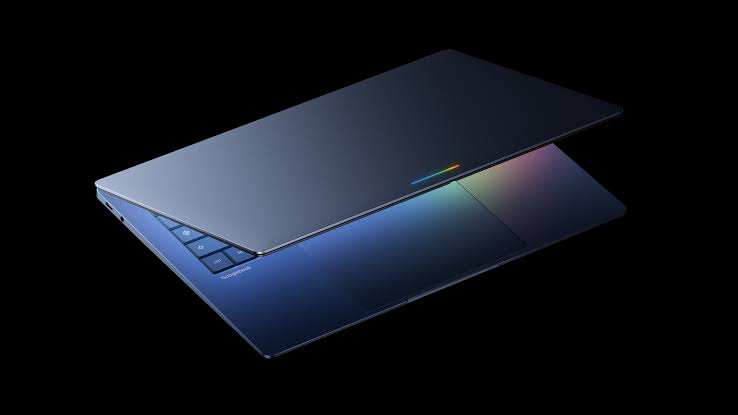
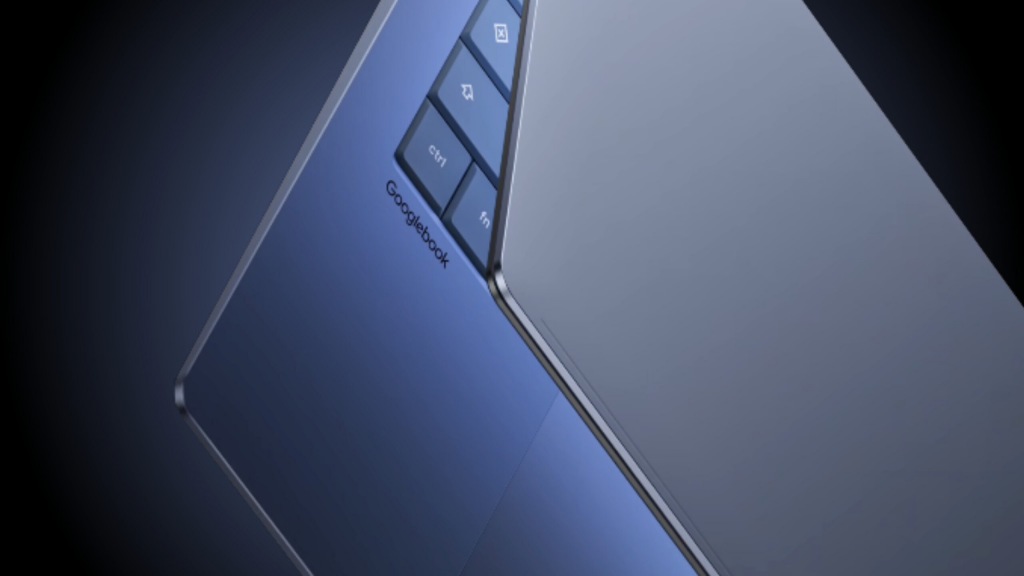
After months of quiet, the first glimpse of a device people are already calling the Googlebook has leaked into the wild. The renderings and listings paint a picture of a premium Chromebook that looks every bit like Google finally taking its laptop lineage seriously again.
What we saw is a tidy, thoughtful laptop that could be Chrome OS at its most polished, but meaningful impact will hinge on software depth, pricing and whether Google can sell the idea of a Chromebook to people who already own phones, tablets and well loved Windows and Mac laptops.
What the leak actually shows
The sighting is classic modern product theater. A trusted listing or regulatory filing surfaces an image and a smattering of specs. In this case the first public evidence of the Googlebook is a series of images that suggest a mature, restrained design, paired with a spec mix that reads like what a Pixel owner might want: crisp display, considered ports, and a keyboard that looks like it wants real typing sessions to happen.
The product at the heart of it
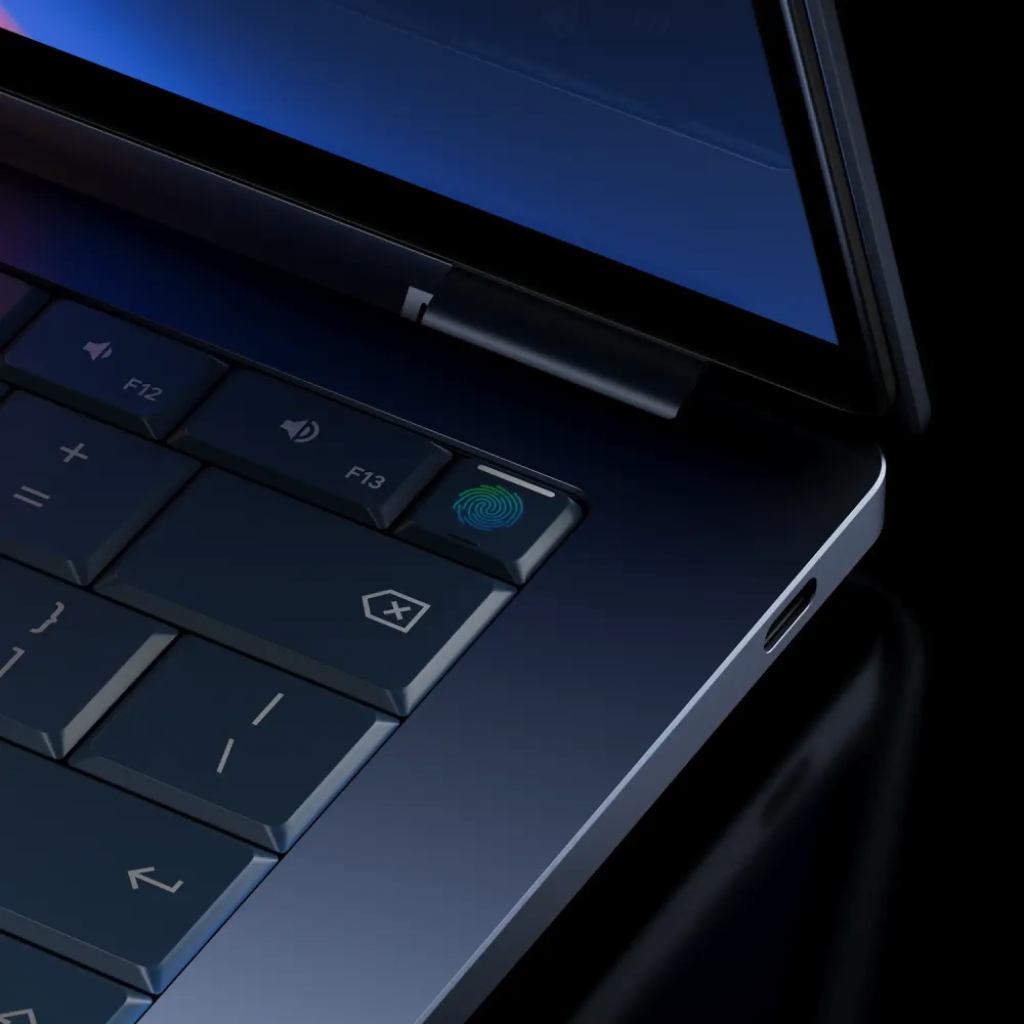
From the leaked images we can infer a few clear design choices. The Googlebook appears to be a clamshell laptop with precise, almost Pixel like proportions. The screen bezels look slim without being obsessive, and the outer casing hints at a two tone or soft textured finish that has become a Pixel hallmark. The keyboard island looks roomy, and the trackpad appears large and centered, which signals Google is taking input seriously.
Ports seem modest but practical. The renders suggest two USB Type C ports, likely for charging and DisplayPort style output, along with a headphone jack and perhaps an SD card slot. That feels like a conscious compromise between thinness and everyday usability. There is also evidence of what could be a dedicated assistant key, or at least a keyboard layout that emphasizes quick access to Google services.
Under the hood the rumor mill is less specific, but the likely choices are telling. Google could opt for Intel ultramobile Core processors, or push its own silicon agenda with a Tensor like chipset optimized for AI features. Either path has tradeoffs. Intel Core family chips are familiar and flexible, while a Tensor style SoC would underline Google’s desire to deliver on-device AI and battery efficiency. Both options frame what the Googlebook could be: a premium Chromebook that either leans into the tried and true or stakes out a new architectural path.
Technical highlights explained plainly
Let us translate the whispers into what matters for everyday use. A high quality display means better video, crisper text, and a more convincing desktop experience. A big trackpad and a comfortable keyboard turn the device into a productive partner rather than a casual consumption gadget. Dual Type C ports plus a headphone jack give modern flexibility without the clutter of legacy ports.
Where the Googlebook could be most interesting is on-device AI. Imagine real time transcription that actually works offline, smarter window management driven by context, or a writing assistant that integrates into native apps, not just the browser. Those features require silicon-level support and close integration between OS and hardware. If Google pairs the Googlebook with a Tensor style chip designed for local AI inference, the user experience will feel materially different from the Chrome OS laptops we have seen so far.
Performance in real world use
Performance expectations come down to two things. First, whether Google targets creators and productivity users or keeps the Googlebook as a refined browser-first device. Second, whether the device’s chip is built for multitasking and sustained loads. A Chromebook with an Intel Core Ultra or Ryzen chip would handle heavy browser tabs, Android apps and Linux containers more convincingly than a modest ARM SoC, but the latter could win on battery life and integrated AI.
In practical terms, a Googlebook with modern Intel silicon would feel snappy with dozens of tabs, light photo edits and streaming. With a Google-made SoC built for ML, the same device could offer powerful AI features like local image upscaling, live meeting notes, and quick language translation without sending a shred of data to the cloud. That capability would be less about raw benchmarks and more about useful, immediate features that elevate the OS.
What stands out and what surprises
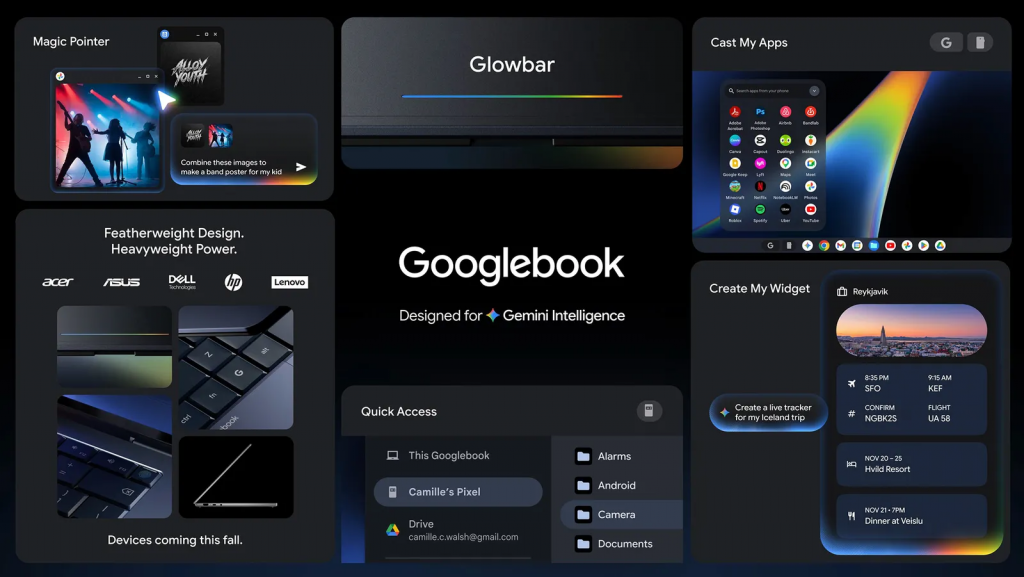
What stands out is restraint. The Googlebook does not scream gimmick. It looks like a mature design language that grows out of Google’s years of refining phones and tablets. The keyboard and trackpad choices signal that Google wants people to actually use this machine to produce work, not only to consume content.
The potential surprise is ambition. If the leaked images are accompanied by hints of deep Gemini integration and an on-device AI-focused chip, then Google would be saying it plans to make AI a core part of computing on day one. That would be more consequential than aesthetics. It would mean Chrome OS is moving from a primarily cloud-first model to one where local intelligence is a distinguishing feature.
Compromises and where the Googlebook might fall short
No product is without tradeoffs. The biggest risk for the Googlebook is the classic Chromebook dilemma. Chrome OS still relies heavily on cloud services and web apps. For users invested in native macOS or Windows applications, the transition cost remains real. Chrome OS has bridged many gaps with Progressive Web Apps and Android app support, but gaps persist when it comes to specialized professional software.
Another potential compromise is price. Premium design and AI silicon cost money. If Google positions the Googlebook at a premium price point similar to MacBook Air or Dell XPS devices, buyers will compare it against mature platforms with robust app ecosystems. The Googlebook will need to justify its price with unique software experiences and reliable performance.
How it compares to others in its category
Compare the Googlebook to Apple’s MacBook Air and premium Windows ultrabooks and the differences come into focus. Apple offers a polished hardware and software marriage with a deep app ecosystem, strong battery life and performance. Windows machines compete on versatility, legacy app support and a broad range of configurations. Chromebooks have largely competed on price and simplicity, but premium Chromebooks like the Pixelbook tried to close the gap on design.
The Googlebook’s edge, if realized, will be software-first differentiation baked into hardware. Where MacBooks lean on optimized silicon and OS integration to deliver a consistent experience, a Googlebook that focuses on on-device AI and tight Google service integration could offer a different kind of value. It will not be an apples-to-apples swap for professionals entrenched in native apps, but for people who live in Google services and want a laptop tailored to those workflows, it could be persuasive.
What the company and insiders are likely to say
Expect the official line to be about usefulness and integration. Google will likely frame the Googlebook as the natural evolution of the Pixel family, emphasizing hardware design, camera and audio quality for video calls, and AI features that make everyday tasks faster. Engineers will talk about optimization and battery life, while product people will highlight interoperability with Pixel phones and Nest devices.
Insiders will argue about the right balance between cloud and local processing. Some will favor a cloud-forward approach that leverages Google’s server-side models, while others will push for on-device capabilities that work when connectivity is limited. The final product will reflect where Google lands on that strategic tradeoff.
What comes next and what to watch for
Watch for official teasers from Google, regulatory filings that reveal specs, and hands on previews from outlets that get early units. The pricing announcement will be pivotal. A sub thousand dollar price would signal a push for broader adoption, while a premium price would aim the Googlebook at enthusiasts and professionals.
Also watch for the AI story. If Google commits to a chip and on-device features that are genuinely useful from day one, that will be the most important differentiator. Look for demos of live transcription, real time meeting notes, and offline language translation. Those features will define whether the Googlebook is incremental or meaningful.
The first glimpses of the Googlebook suggest a product that speaks to taste, restraint and fresh ambition. It is a device that could restore a sense of possibility to Chromebooks by pairing premium design with AI-forward software. But the truth will be in execution. If Google can deliver on hardware quality, competitive pricing and genuinely useful on-device intelligence, the Googlebook could shift how people think about laptops in the post smartphone era.
For now, the Googlebook is an intriguing rumor with the potential to be more than a shiny name. It is a reminder that computing is still a place for design and software to reinvent daily tools. Whether the market cares will depend on whether Google can make the laptop feel like a new chapter for Chrome OS rather than a polished niche. That will be the real test when the device steps out of leaks and into our hands.