



Thinkware ARC 700 Review: 4K Intelligence for Drivers Who Refuse to Guess
There’s a strange contradiction in modern life.
We carry supercomputers in our pockets. Our homes respond to voice commands. Our watches monitor heart rate variability, oxygen saturation, and sleep cycles with clinical precision.
And yet when we get behind the wheel; in the one environment where risk compounds every second, most of us are relying on memory.
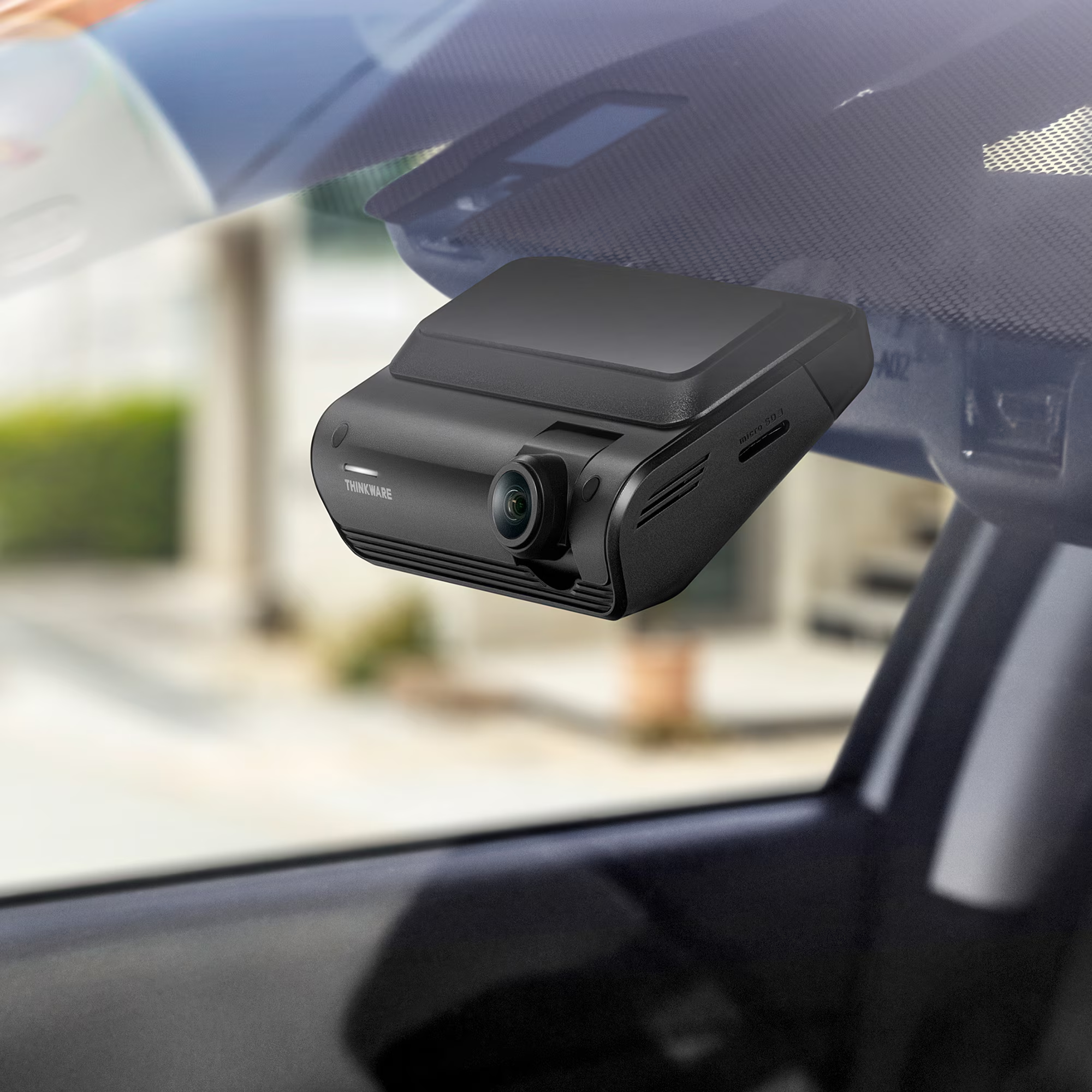
After several weeks with the Thinkware ARC 700, I’ve stopped thinking of it as a dash cam. It’s closer to a black box for the modern driver: a 4K, GPS-embedded, thermally protected, always-on accountability system.
For drivers who care about cutting-edge technology not for vanity, but for protection, the ARC 700 feels less like an accessory and more like overdue infrastructure.
Hardware That Justifies the “Premium” Label
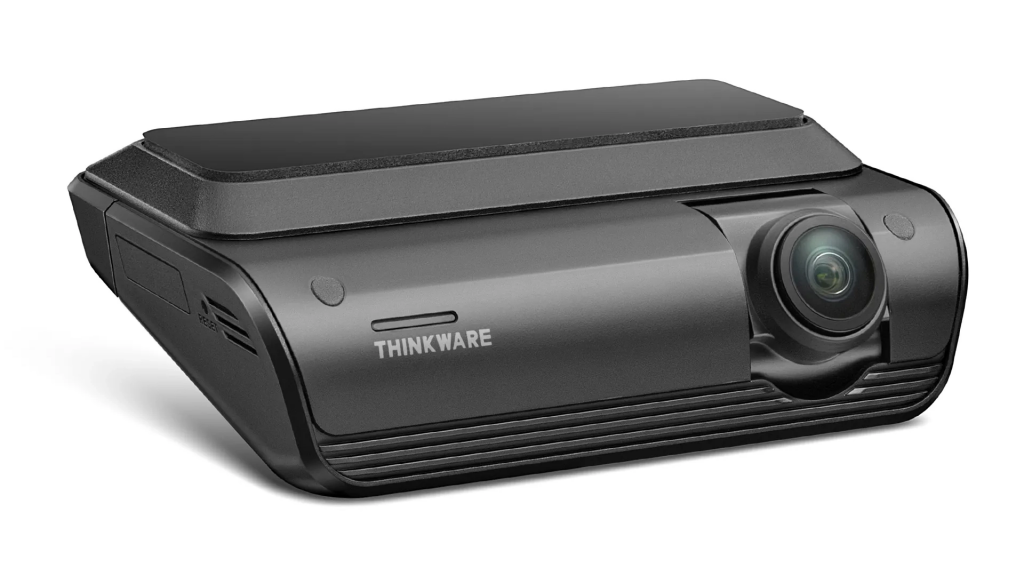
The ARC 700 is built around serious imaging components.
The front camera records in 4K UHD at 30 frames per second using Sony’s STARVIS IMX415 sensor; a back-illuminated CMOS sensor known for its low-light performance and high dynamic range capabilities. This isn’t marketing fluff. Sensor choice determines whether license plates are legible or smeared into abstraction.
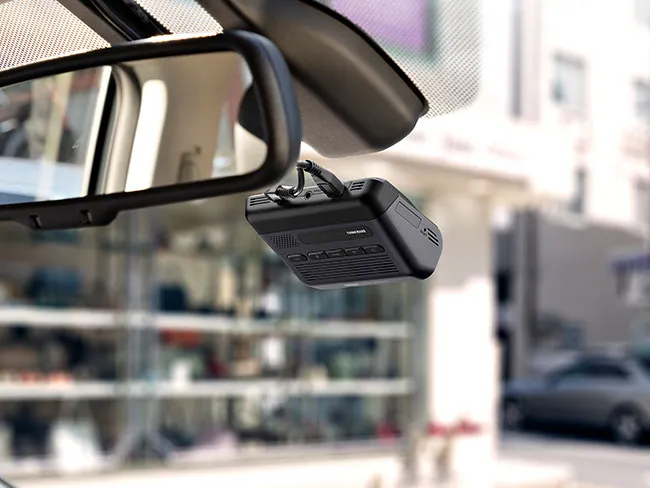
At the rear, a 2K UHD sensor handles coverage behind the vehicle. While it doesn’t match the resolution of the front unit, it provides balanced clarity and strong contextual documentation: critical for rear-end collisions, aggressive tailgating, or sudden braking disputes.
Both cameras use wide-angle lenses designed to maximize road coverage without excessive distortion. Field of view is broad enough to capture adjacent lanes while maintaining usable detail at the center of frame.
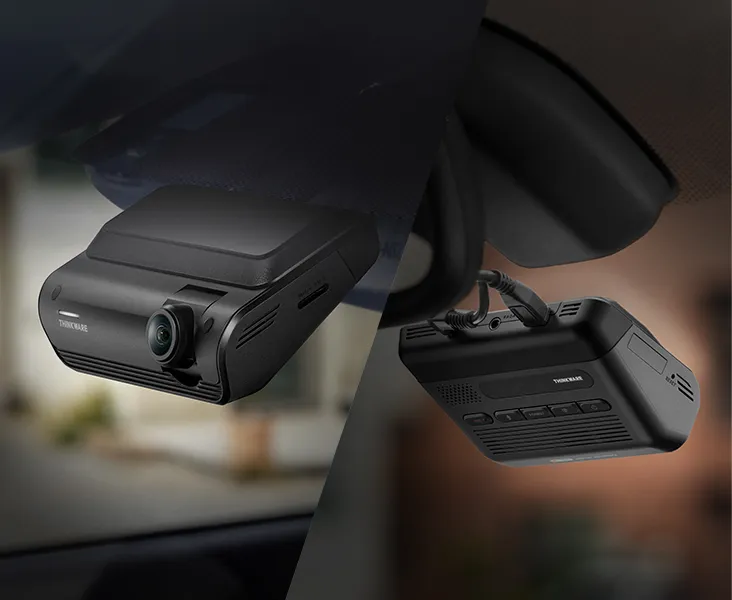
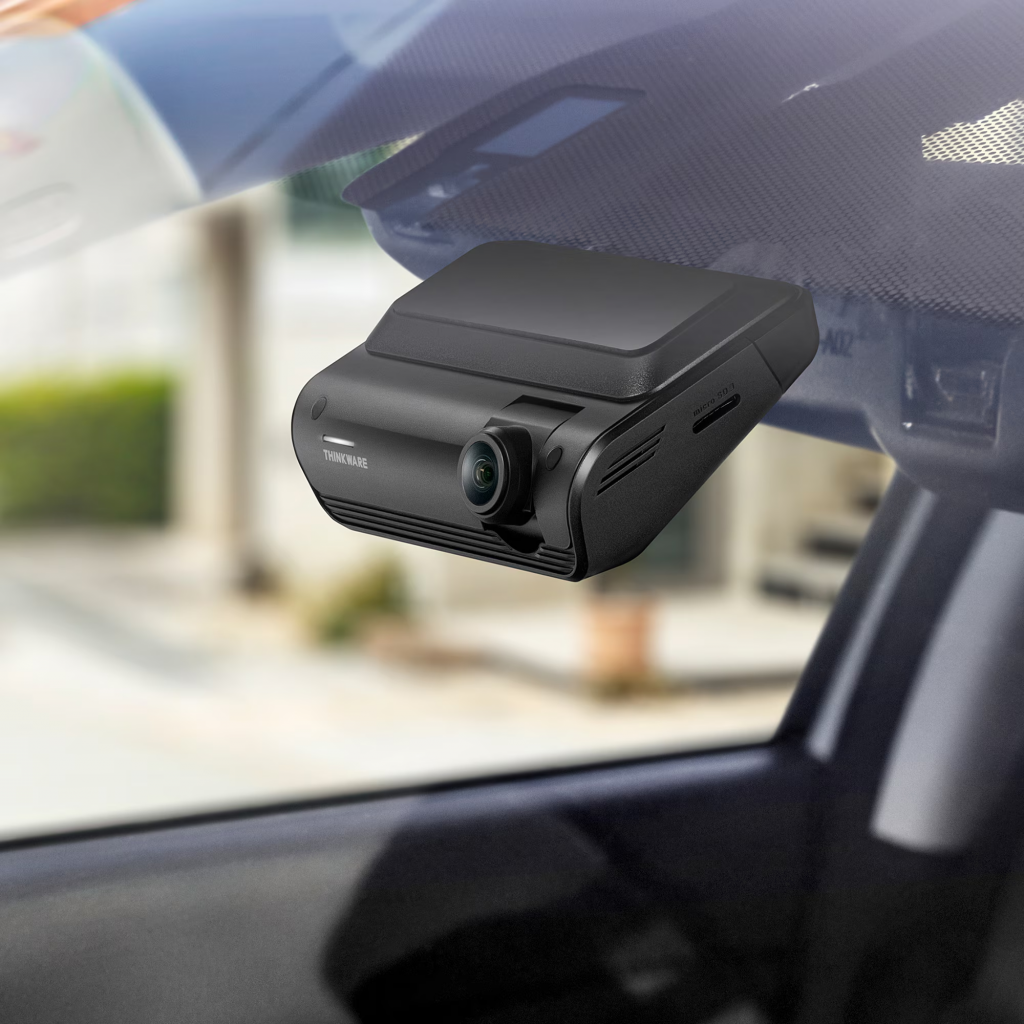
The front unit mounts beside the rearview mirror, keeping the driver’s field of vision unobstructed. The rear camera sits at the upper center of the back windshield, angled downward for optimal lane and bumper visibility.
Once installed, the system blends into the vehicle’s interior with OEM-like discretion. There are no oversized screens, no flashing lights, no gimmicks.
Installation: Technical but Manageable
You’re given two powering routes:
- 12V accessory socket (plug-and-play approach)
- Hardwire kit for direct connection to the vehicle’s fuse box
The plug-in method is more approachable for most users. It requires routing the rear camera cable from the front unit along the vehicle’s headliner and trim panels toward the back windshield.
Cable management is the only mildly demanding aspect of the experience. You’ll want patience and a clean routing strategy to maintain a factory look. The included rear cable is long enough for SUVs and larger vehicles, reducing tension or awkward stretch points.
Hardwiring, on the other hand, unlocks more seamless parking mode functionality since the camera can draw power even when the vehicle is off. For drivers who prioritize 24/7 surveillance, professional installation is worth considering.
Setup through the app is straightforward. Insert the microSD card (mandatory), power the unit, connect via Wi-Fi, align both lenses, and configure recording modes.
From there, the ARC 700 operates autonomously.
4K Recording: Where Detail Becomes Evidence
Dash cams live or die by footage quality.
In daylight conditions, the 4K front camera produces footage that genuinely feels forensic rather than casual. License plates at moderate distances are readable. Road signage retains legibility. Lane markings remain sharp even in high-glare scenarios.
Dynamic range performance is particularly impressive. When driving from bright sunlight into shadowed underpasses, exposure shifts smoothly without dramatic washout or black crush.
Zooming into still frames reveals meaningful pixel integrity: critical if footage ever needs to be submitted to insurers or legal authorities.
The rear 2K camera complements the system with clarity that avoids the “secondary camera” feel. While not as razor-sharp as the front feed, it remains more than capable for evidentiary purposes.
Night Performance: The Real Differentiator
Low-light performance is where premium dash cams justify their cost.
The STARVIS IMX415 sensor excels in preserving contrast and detail under street lighting and headlight glare. Instead of collapsing into noisy grain, footage maintains composure. Highlights from oncoming vehicles are controlled, and shadow areas retain structure.
Urban night driving, dimly lit suburban roads, and early morning commutes all benefit from this sensor choice.
Many budget dash cams advertise high resolution but falter after sunset. The ARC 700 maintains usable footage when it matters most.
Thermal Management: A Quiet but Critical Feature
Dash cams live on windshields; exposed to direct sunlight and extreme cabin temperatures.
The ARC 700 integrates Thermal Protection Mode, continuously monitoring internal temperature and initiating automatic shutdown when necessary. This matters more than most users realize. Overheating is one of the primary causes of dash cam failure and corrupted recordings.
By actively managing thermal conditions, Thinkware extends device longevity and protects data integrity, a subtle but important engineering decision.
Parking Surveillance: Protection Beyond the Drive
Risk doesn’t disappear when you park.
The ARC 700 offers multiple parking surveillance modes:
• Motion detection • Impact detection • Time-lapse recording • Energy-saving mode
When hardwired, the camera monitors your vehicle even when the engine is off. If an impact is detected, the system automatically locks the relevant footage to prevent overwriting.
Loop recording ensures continuous operation by overwriting the oldest files once storage fills, while Thinkware’s anti-file corruption algorithm reduces SD card fragmentation and prolongs lifespan.
For city dwellers and frequent public parkers, this feature alone elevates the ARC 700 from convenience to necessity.
Integrated GPS and Data Embedding
The ARC 700’s built-in GPS does far more than drop a pin on a map. It embeds synchronized speed, time, and precise location metadata directly into every recorded clip. That means each video file isn’t just a visual account of what happened; it’s a timestamped, data-layered record of exactly where you were, how fast you were traveling, and when the event occurred.
Standard dash cam footage can show motion. GPS-enhanced footage proves context.
In a disputed accident scenario, context is everything. If another driver claims you were speeding, drifting lanes, or running a light, synchronized speed and positional data provide objective reinforcement to what the camera sees. Insurers and legal teams don’t just look at images: they look for verifiable timelines. With GPS-embedded metadata, the ARC 700 turns footage into structured documentation rather than anecdotal evidence.
There’s also a psychological shift that happens when you know your driving data is being logged accurately. It encourages awareness. Discipline. Precision.
Beyond post-incident documentation, the system includes speed and red-light camera alerts, offering real-time situational awareness. In unfamiliar cities or complex urban environments, these alerts act as a second layer of navigation intelligence: not as a loophole tool, but as an added layer of attentiveness.
For drivers who prioritize measurable information over assumptions, GPS integration isn’t a bonus feature. It’s a foundational one. It transforms the ARC 700 from a passive recorder into an active data companion.
Software Experience: Clean and Competent

A dash cam’s hardware is only as good as the ecosystem supporting it, and that ecosystem lives inside the mobile app. The Thinkware app acts as the command center for the ARC 700. From here, you can access live camera feeds, review stored footage, download clips directly to your smartphone, adjust G-sensor sensitivity, configure parking surveillance behavior, manage storage settings, and update firmware when necessary.
What stands out immediately is structural clarity. The interface is logically organized, with clearly labeled sections and minimal visual clutter. You’re not digging through nested menus or deciphering vague icons. Navigation feels deliberate and mature: more utility dashboard than gadget companion.
Live viewing is responsive, with minimal lag once connected. Playback is smooth, and scrubbing through footage doesn’t feel sluggish. Clip downloading over Wi-Fi is reasonably fast, making it practical to retrieve and share important files without removing the SD card.
This matters because in moments of stress; after an incident, for example; you don’t want friction. You want immediate access to the right file.In a product category where many companion apps feel rushed or poorly optimized, this level of polish is significant. It reinforces the premium positioning of the hardware.
By eliminating a dashboard screen, Thinkware reinforces a distraction-free driving philosophy. Monitoring, reviewing, and configuring happen through your phone: and ideally, when the vehicle is stationary. It’s a subtle but responsible design decision. The system records while you focus on the road. Analysis happens afterward.
Where It Could Improve
USB-C power support would align better with modern vehicle ecosystems.
Simultaneous dual-camera wireless access could streamline certain workflows.
And at $329.99, it sits firmly in the premium category.
But this product isn’t competing with entry-level dash cams. It’s positioned for drivers who expect high-resolution imaging, integrated data, and durable engineering.
Who It’s Really For
The Thinkware ARC 700 is built for drivers who:
• Navigate high-density traffic daily
• Park in public or urban environments frequently
• Value data-backed protection
• Prefer minimalist, distraction-free hardware
• Invest in technology that reduces uncertainty
If your lifestyle is built around smart systems, from home automation to wearable tracking, extending that philosophy to your vehicle is a logical next step.
Final Verdict: Intelligent Protection for an Unpredictable Road
Driving has become more complex. Traffic density is higher. Distraction levels are elevated. Accountability is often disputed.
The Thinkware ARC 700 addresses this environment with clarity; literal and philosophical.
It combines 4K front recording, dependable rear coverage, strong night performance, GPS-embedded data, and disciplined thermal management into a cohesive safety platform.
For drivers who want the latest tech not to impress, but to protect, the ARC 700 is a smart, forward-thinking investment in certainty.