

7 phones worth your upgrade money this autumn, from Apple’s first foldable to a battery that shrugs off the weekend
Apple has finally folded, Samsung and Google have both nudged their prices up, and your next phone has never been harder to pick. Here is where the money goes furthest.
Phone prices only seem to move one way this season. There’s a £100 rise here, an £80 nudge there, and a £1,999 foldable landing this week. So we’ve sorted the field by what you want from a handset, from camera bragging rights to a battery that ignores the charger. Where the value is real, we say so. Where it isn’t, we say that too.
The flagships that justify the fuss
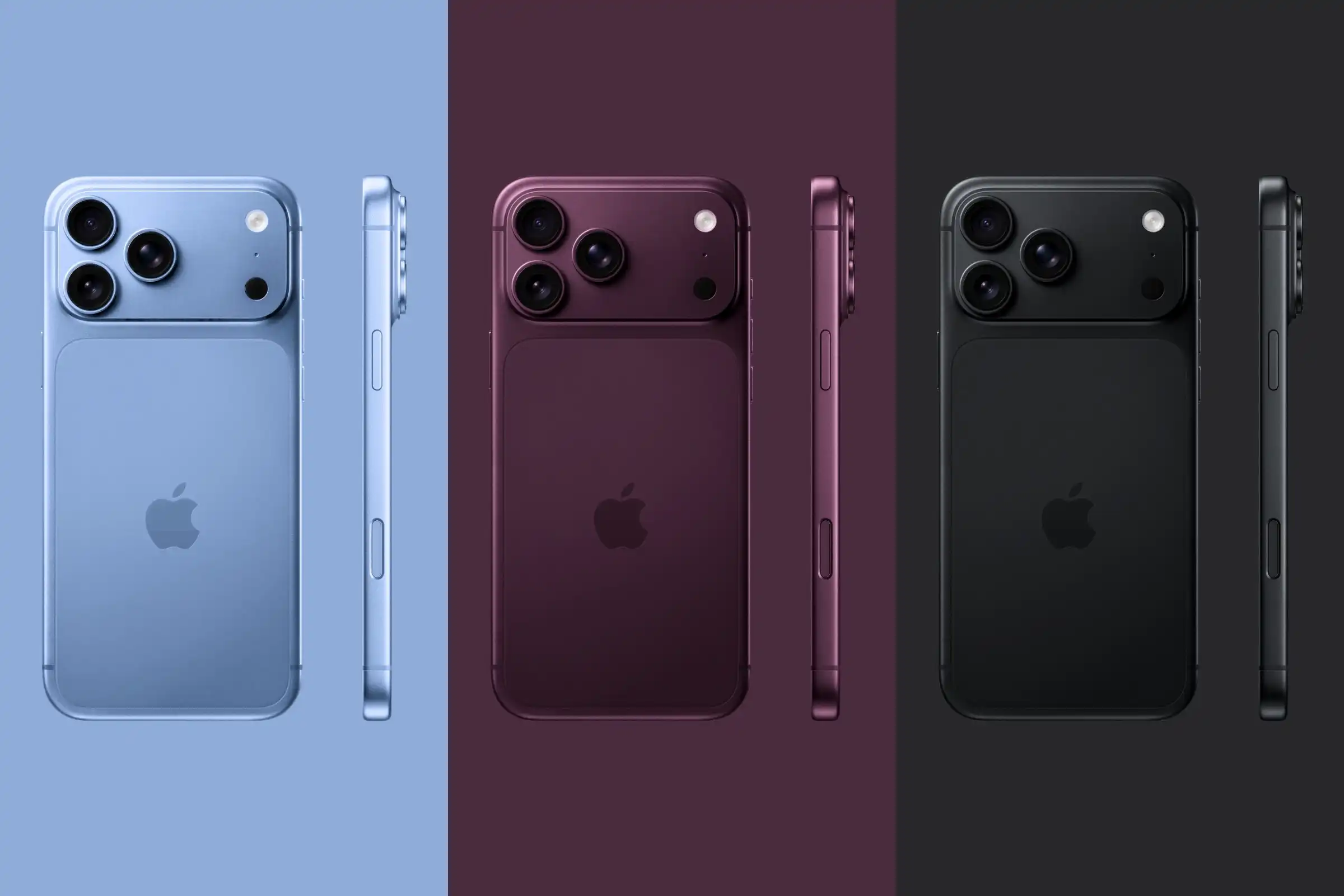
iPhone 18 Pro Max
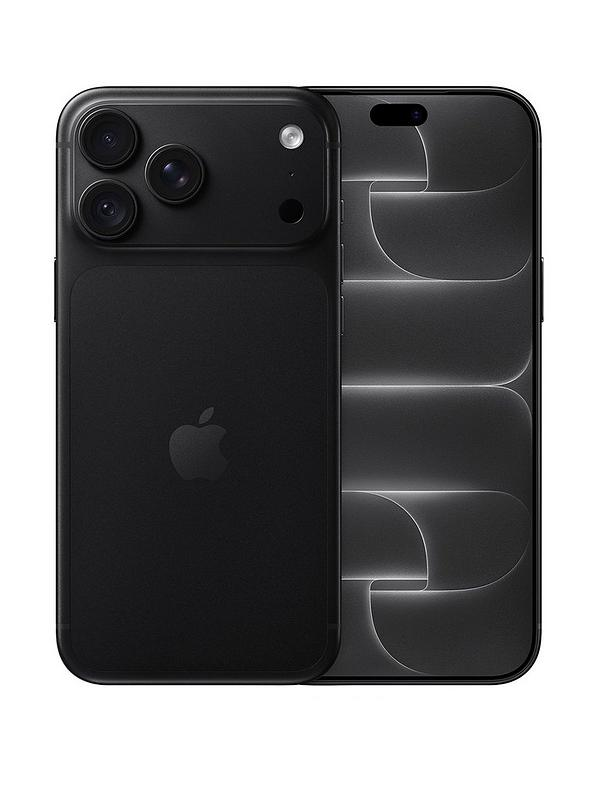
A camera that changes its own aperture sounds like a gimmick until you shoot a dim restaurant and a bright beach on the same afternoon. The new variable aperture (f/1.48 to f/4) on the 48MP main sensor handles both, and the 48MP ultrawide and 4x telephoto keep up. The A20 Pro chip is the fastest we’ve seen in a phone. The 6.9-inch screen lasted just over 18 hours in our battery test. The catches are the weight (nearly 250g) and the price. If you already own a 17 Pro Max, stay put. If you want the same chip in a smaller body, the 18 Pro is £100 cheaper.
£1,299, Apple | Buy on Amazon UK
Samsung Galaxy S26 Ultra
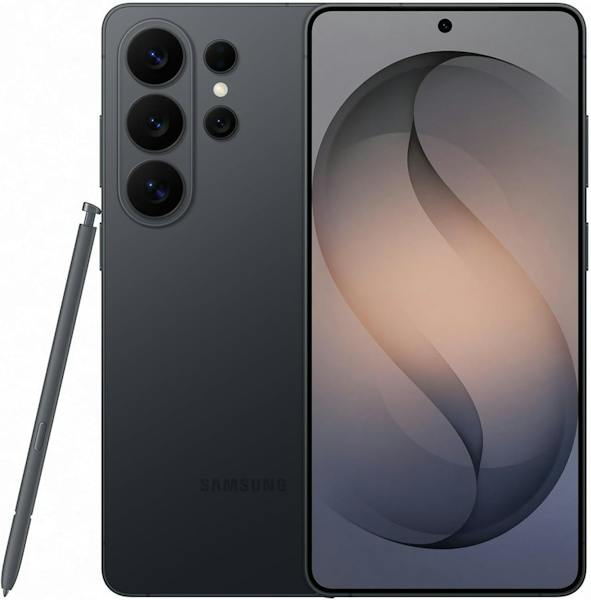
Zoom is still where Samsung leaves everyone else behind. A 200MP main camera is joined by a 50MP 5x telephoto and a 10MP 3x, so distant subjects stay sharp where rivals turn to mush. The new Horizon Lock keeps video level even when your hands aren’t, and the Privacy Display blocks nosy neighbours on the train. The trade-off is a dimmer screen with narrower viewing angles, plus a camera bump big enough to rock the phone on a table. Battery life reached 16 hours, and 60W charging gets you back up to speed quickly.
£1,360, Samsung (up £80 from £1,280 in early October) | Buy on Amazon UK
Folding money
iPhone Duo
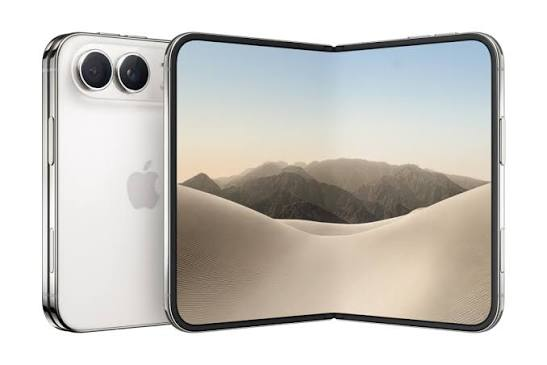
Apple’s first foldable opens like a passport, and it makes everyone else’s look like a first draft. The 7.6-inch inner screen and 5.4-inch outer display are both driven by the A20 Pro, so apps and split-screen multitasking never stutter. A nano-texture coating on the inner display hides the crease and cuts glare even at nearly 2,000 nits, though it softens colours a touch. The compromises sting at this price: Touch ID instead of Face ID, and no telephoto lens. Battery life landed at 13 hours, and 42% charge in 15 minutes helps. It’s on sale from 23 October. Android loyalists still have Samsung’s Z Fold 8 Ultra, which held the crown until Apple turned up.
£1,999 for 256GB, Apple
The sensible middle (relatively speaking)
iPhone 17
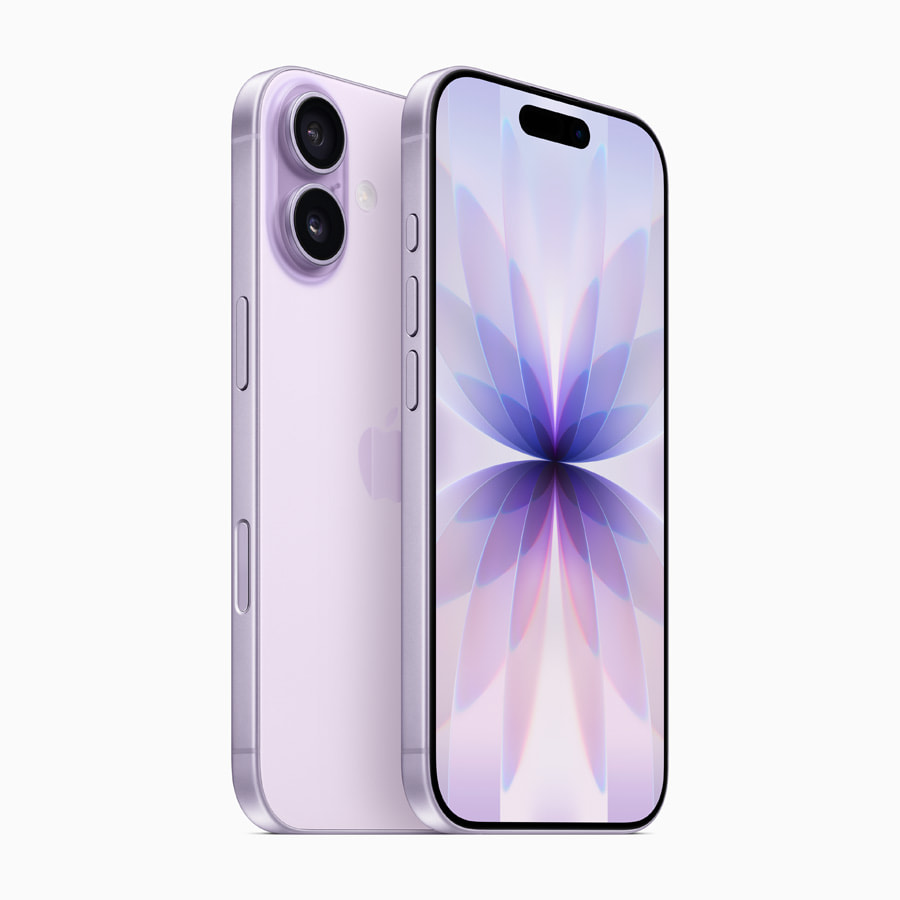
The 120Hz screen was once a Pro-only perk, and it’s the reason the standard iPhone suddenly feels like a premium device. The A19 chip, a 48MP main and 48MP ultrawide pair, and 256GB of storage as standard make it the sweet spot of Apple’s range. It lasted 12 hours 47 minutes, and 35W charging tops it up quickly. There’s no telephoto lens, so 2x shots look fine while 10x ones look dated. Shop around, because retailers like Amazon and Very are the places to find it for less.
£799 (approx.), Apple | Buy on Amazon UK
Google Pixel 10
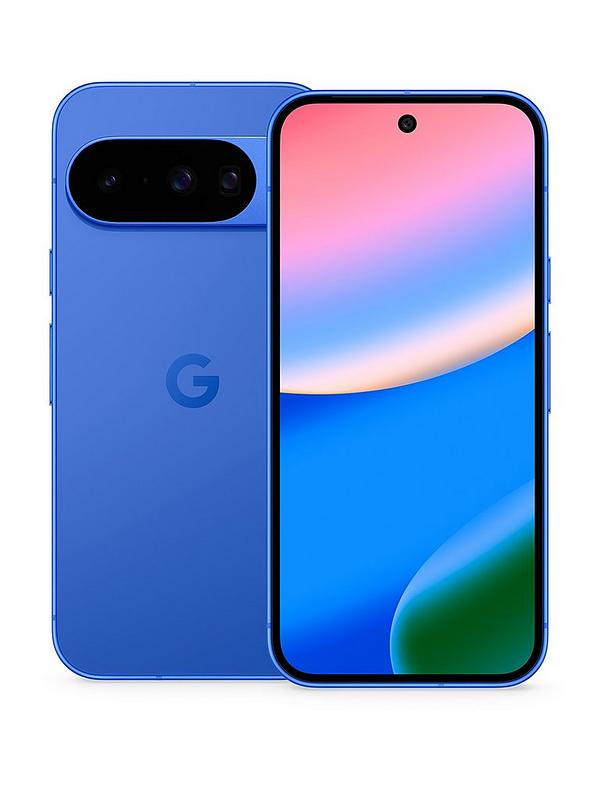
Add a 5x telephoto and the standard Pixel stops feeling like the junior sibling. The 10.8MP lens sits alongside a 48MP main and 13MP ultrawide, and it’s the reason this phone suits anyone who takes photos for fun. The 6.3-inch display is the brightest in this list at 2,333 nits, and Pixelsnap magnets mean wallets and stands just click on. The Tensor G5 chip trails rivals on benchmarks, though you won’t notice in daily use. Battery life reached 13 hours 13 minutes, with 30W charging.
£799 (approx.), Google Store | Buy on Amazon UK
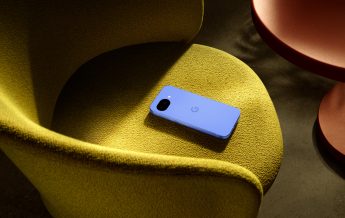
Google Pixel 10a
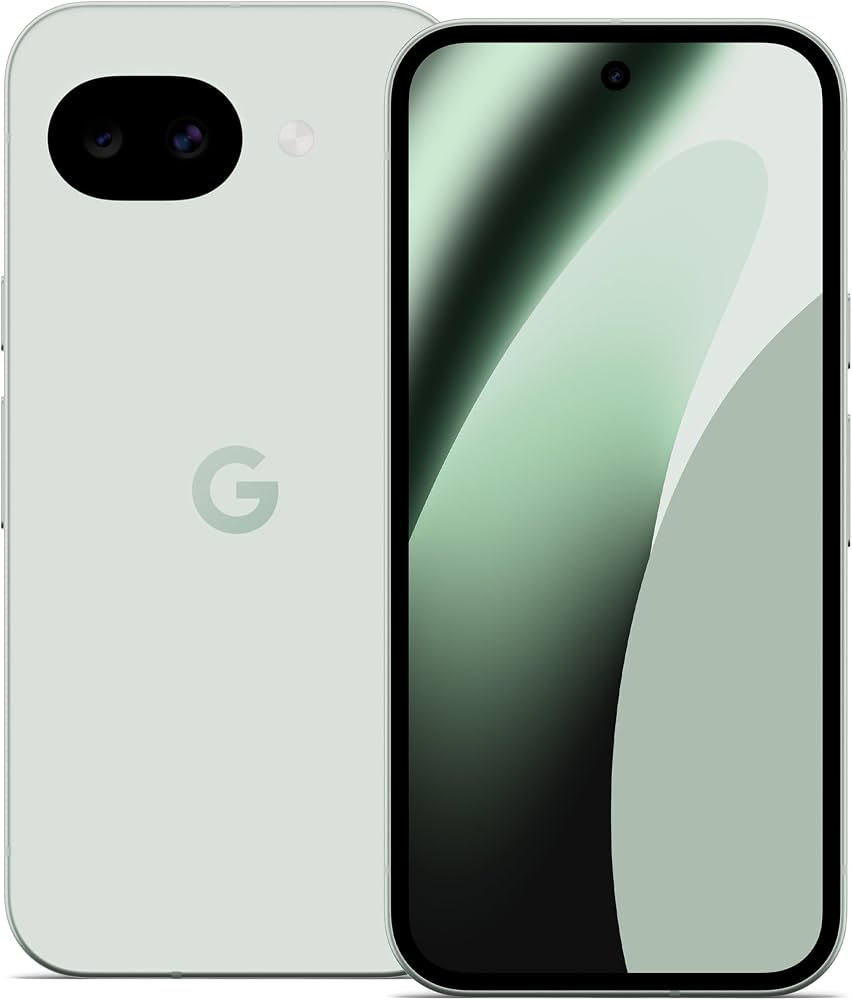
Seven years of software updates on a budget phone is the sort of detail that makes you rethink what “cheap” means. The 5,100mAh battery now runs for over 15 hours, the camera sits flush with the back, and the IP68 rating and Gorilla Glass 7i make it tougher than most phones twice the price. The catch is that Google has put the price up by £100, which makes it a harder sell next to the Pixel 10. At £399, the price it hit in a recent Amazon sale, it’s the best budget buy around.
£599 for 128GB, Google Store (dipped to £399 at Amazon in a recent sale, so check before paying full price) | Buy on Amazon UK
Battery life that ignores Monday
Asus ROG Phone 9 Pro
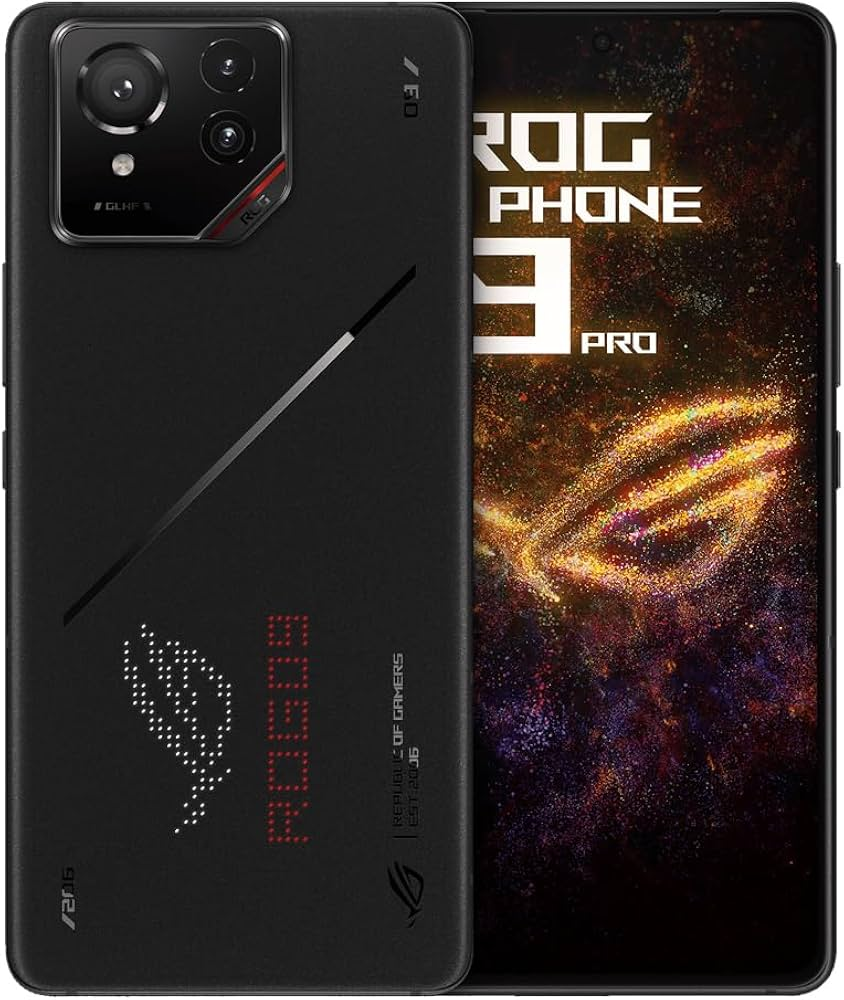
Twenty hours and 34 minutes on our battery test is more than two hours beyond the iPhone 18 Pro Max. The 5,800mAh cell, 65W charging and bypass mode (which stops the battery heating up mid-game) explain why. The 185Hz AMOLED screen and Snapdragon 8 Elite chip are gaming-grade, and 16GB of RAM means it won’t flinch. It looks like a gaming phone, because it is one. The cameras produce dull colours, and software updates run out soon, so it’s a specialist pick rather than a default.
approx. £1,099, Asus (stock can be patchy, so check availability)
How to buy a phone without overpaying
Buy last year’s hero. The iPhone 17 and Pixel 10 do nearly everything their newer siblings do for noticeably less. Chasing the latest chip rarely changes your day.
Price the storage you need. The headline price is for the smallest option, and each step up costs a lot. Unless you shoot loads of video, the base tier is usually the right call.
Wait for the sales. The Pixel 10a fell £200 below its list price in a single sale. With Black Friday weeks away, patience pays.
Check how long updates last. A Pixel gets seven years, while the ROG Phone gets just two. A cheaper phone that dies early costs more in the end.