
My Invisalign Treatment Is Secretly My Best Wearable
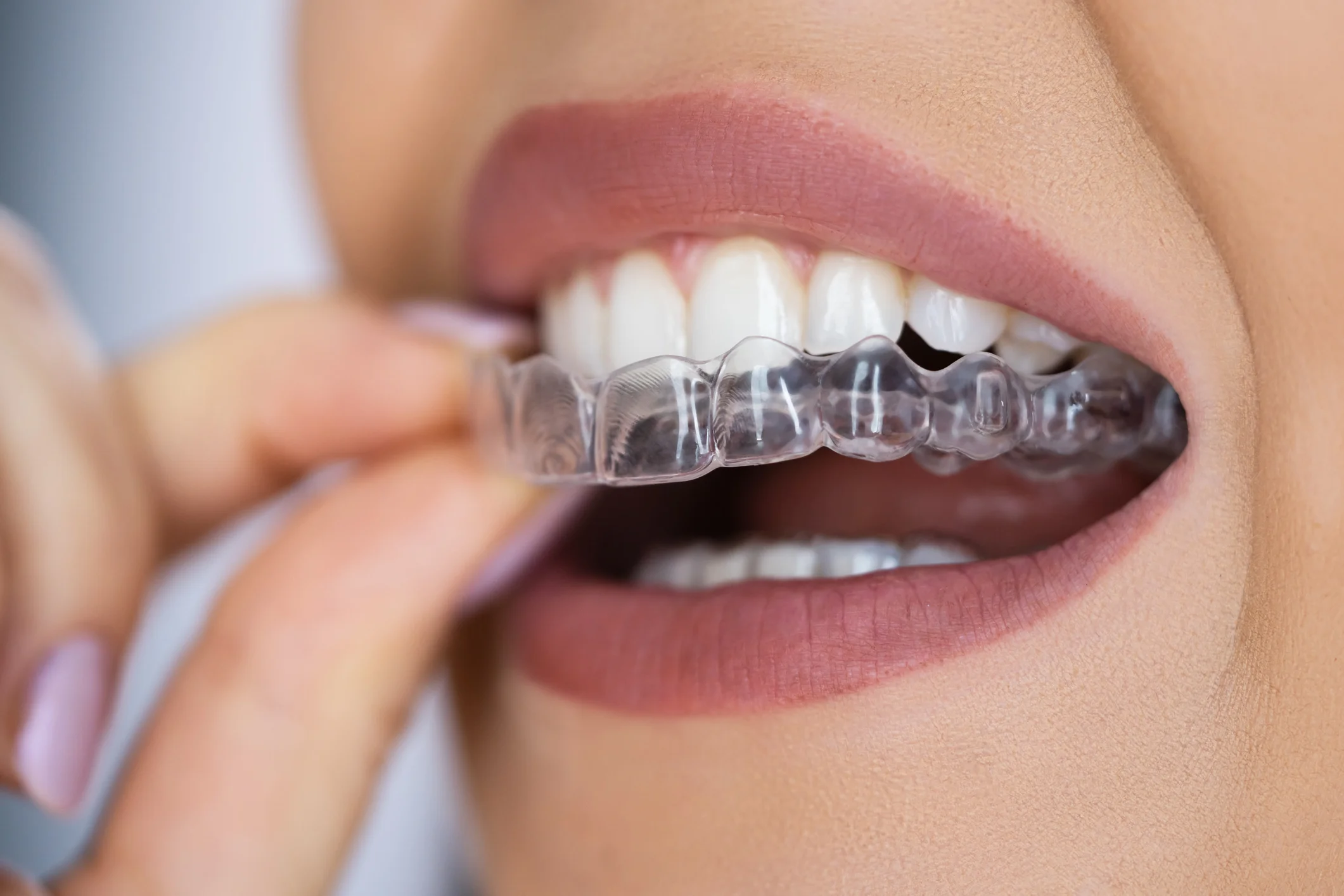
I’ve reviewed rings, watches and earbuds that promise to run my health. The gadget that changed my routine most was a clear plastic tray I never thought of as tech.
Every tech reviewer has a wearables drawer. Mine is full of tangled chargers, straps that never quite fit, and at least one device I swore would change my life and gave up on after nine days.
Which makes it a bit embarrassing that the wearable I’ve stuck with hardest isn’t in the drawer. It’s in my mouth.
Yes, Invisalign, which I’m having done at ODL Dental Clinic in Moorgate, London. I know how that sounds. Clear plastic trays that straighten teeth belong in a dentist’s office, not a gadget review, and these have no battery, no screen and no charging cable. But after a few months with the treatment and its app, the whole thing behaves like the wearables I test for a living. I wear it all day. It tracks my progress. It nags me. It even has a dashboard.
Where the smarts actually live
So where does the intelligence sit? Not in the aligners. They’re precisely made plastic that works through gentle, constant pressure, and nothing inside them measures anything. The smarts are in the app on my phone and in the clinic software behind it.
That’s fine by me. A lot of good wearables are simple hardware with clever software doing the thinking, and what I care about is whether the loop works. I wear it, I feed in a bit of data, I get something useful back. Here it does, and the loop is tighter than some very expensive smartwatches manage.
The nagging I didn’t know I needed
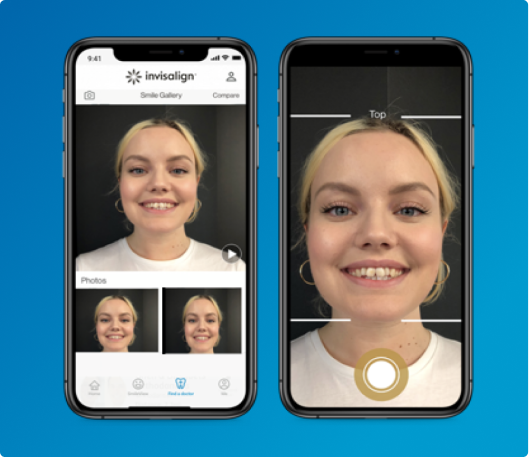
Three reminders run the show. One tells me when to switch to the next set of aligners. One tells me when to take a progress photo. And there’s a timer that shows how long the aligners have been in today.
The timer matters most and gets the least attention. Treatment works best when the aligners are in for about 22 hours a day, coming out for meals and cleaning and going straight back in. Let that slide and progress can drift without any warning. A wear timer turns a vague good intention into a number. At four in the afternoon I can see whether I’m on track or whether lunch somehow lasted three hours.
The timer is only part of what the app does. It shows wear time in weekly, monthly and yearly views, keeps a treatment calendar for appointments and reminds me when to change aligners. If your doctor shares it, you can also open your ClinCheck treatment plan, the digital simulation of how your teeth are meant to move. My favourite detail is the companion watch app, which puts the wear timer on your wrist on both Apple Watch and Wear OS. A wearable with its own wearable app made me grin.
It’s the same psychology as closing your rings on a fitness tracker, minus the ring. I caught myself glancing at the timer the way I glance at a step count, and for the same reason.
If I could keep only one reminder, it would be the change alert. Moving to the next set is the small milestone that makes the whole treatment feel like it’s going somewhere, and when life gets busy it’s easy to lose count of which set you’re on. The app remembers so I don’t have to. The photo prompt does the same for progress pictures, which brings me to my favourite part.
Progress you can actually watch
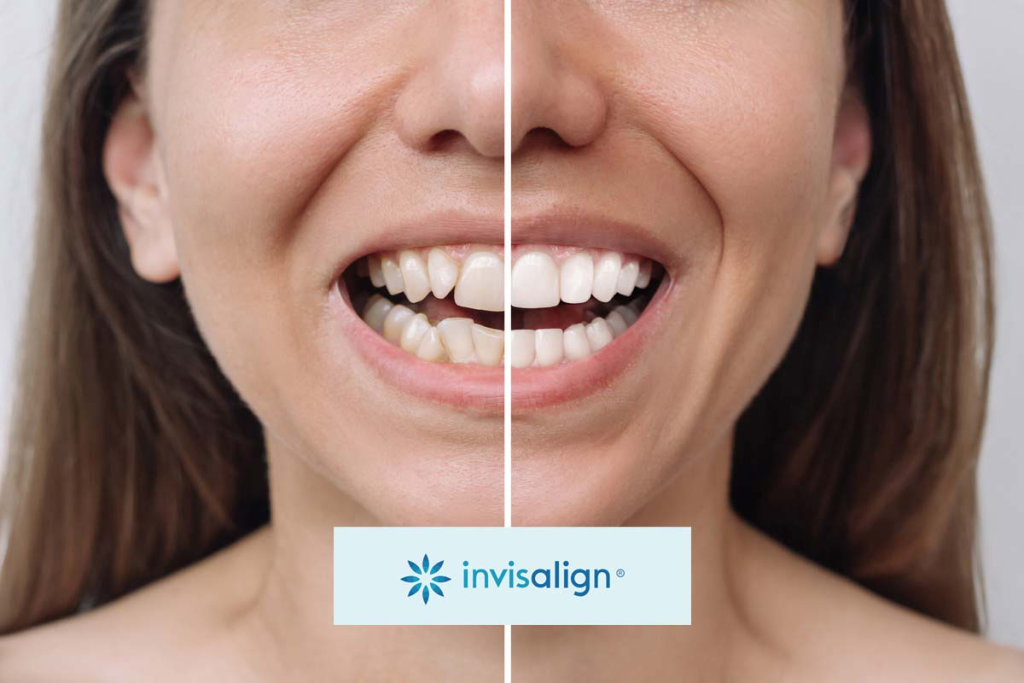
Every couple of weeks the app asks for a photo. The pictures don’t vanish into a camera roll. They get stitched into a video, so I can play my treatment back like a time lapse of my own smile. The app keeps them in a smile gallery, and you can share the progress video and before and after photos with friends and family.
I’d steal this feature for every other health gadget. Teeth move slowly, and slow change is invisible to the person living it. Check the mirror every morning and you’ll swear nothing’s happening. Squash a few months into a few seconds and everything is suddenly shifting. This is what technology is best at: making slow things visible.
It also motivates me more than any streak counter. On days when the aligners feel like a chore, watching that video reminds me it’s paying off. A line on a graph never did that. My own face changing does.
One practical tip. Treat photo day like a tiny shoot, with the same spot, the same light and the same distance each time. The video is only as smooth as the photos going into it, and a lazy snap shows up as a jitter in playback.
Meeting my future smile in clinic
At ODL in Moorgate, the tech gets theatrical. AI generates pictures of what my smile could look like once treatment is finished. It’s the trailer before the film, and it works. If you’re still deciding, the app has a similar trick called SmileView, which simulates your new smile so you can share the result.
That moment does something a treatment plan on paper can’t. It takes an abstract, months-long commitment and gives it a face I can picture myself wearing. Deliberate or not, the preview motivates as much as it sells. It’s hard to skip wear time once you’ve seen where you’re heading.
A word of caution, though. It’s a prediction. Treat it like the render on a product box: a strong indication of the plan, not a promise. Bodies are less predictable than software, and the real smile at the end may look different from the generated one.
A dentist in my pocket
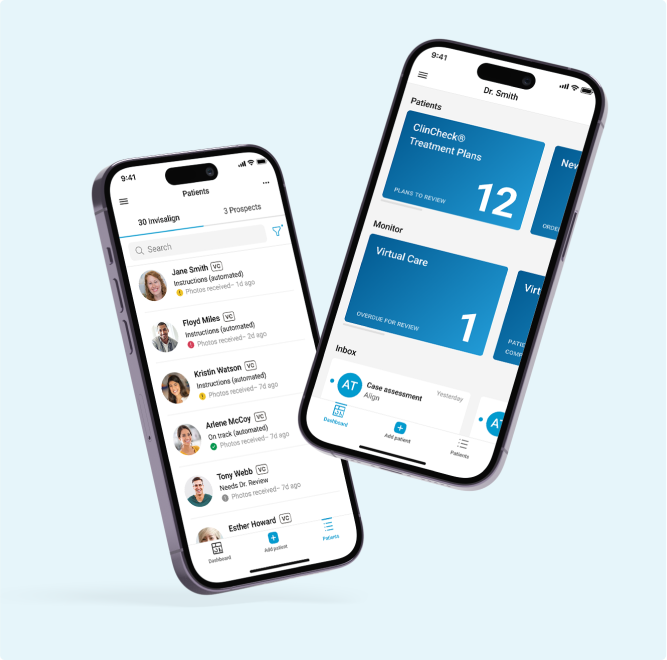
The feature that would sell me on the whole package is live chat with my own doctor. Appointments are boring and I’m always on the go. I’ll happily swap an hour in a waiting room for thirty seconds of typing, and the chat lets me.
Think of the small stuff that comes up during treatment. An edge that rubs. A tray that doesn’t seem to be seating properly. A photo that makes me wonder if things are moving as planned. In the old world each of those meant a phone call, a booking and half a day off. Now it’s a message and, ideally, a quick reply from someone who knows my case. It’s telehealth applied to a corner of healthcare that always seemed to need a chair and a lamp. Some clinics go further, since Align’s platform lets practices set up a virtual face-to-face appointment.
“A dentist in your pocket” is a cliché, but it’s a fair one here. What I’m really getting is less friction. Questions too small to justify an appointment now get asked, and small problems get caught before they grow.
Two caveats. Chat doesn’t replace check-ups and it shouldn’t. Anything painful or worrying needs to be seen in person, so the clinic visits stay. Response times also depend on the practice, so ask how quickly you can expect a reply before you commit.
What happens when I send a photo
The chat is the friendly face of something more technical. Align’s remote monitoring platform, Virtual Care, launched in March 2020 to keep doctors and patients connected during the pandemic shutdown. A version with AI-assisted features followed in 2022.
At each aligner change, the app prompts me to send progress photos. Some clinics give patients a small lens that attaches to the phone to help with the shot, and the app gives real-time hints so the photos are actually useful to the clinician. Then the AI looks at them. Its algorithms check the aligners for fit and seating and flag areas of concern for the doctor. Align says patients hear back within roughly an hour with their next step: move to the next aligner if things are tracking well, wear the current one a few extra days, or contact the doctor if treatment looks off track.
A person is still involved, which I like. Align-trained staff review the photos and send feedback based on the doctor’s settings, and the automated messages depend on pre-approved doctor settings and confirmation from trained personnel. An algorithm can do the sorting. I just want a human to sign off on anything to do with my teeth.
The fine print worth knowing
Not every feature is switched on for every patient. Virtual Care is available by doctor’s invitation only, and teledentistry rules differ from country to country, so what you get depends on your clinic and where you live. Everything I describe here is what I get at ODL, so ask your own clinic what’s enabled before you assume.
The app has flaws too. Some reviewers complain about lag, bugs and patchy watch syncing, which probably explains why third-party wear-time trackers exist. The essentials work fine for me, though that won’t be everyone’s experience.
So, is it really a wearable?
I’ve gone back and forth on this and I’ve landed here. To me, a wearable is something on your body for most of the day, backed by a system that feeds you information and shapes your behaviour. The aligners and their app fit that. They’re in about 22 hours out of 24, which beats any watch I’ve tested once charging is factored in.
What’s odd is that the behaviour it asks for is the opposite of what most wearables want. A watch tells me to move more, sleep better and stress less. Aligners ask for something much more passive: keep a piece of plastic in and let it work. There’s a certain relief in that. The best thing I can do for my smile is mostly stay out of its way, on schedule, with a reminder.
The perks nobody puts on the box
Strip away the gadget talk and the practical perks add up. The aligners are clear, so most people won’t notice them in a meeting or on a video call. They come out for meals, so eating, brushing and flossing stay normal, which is a big deal compared with fixed braces. The reminders take the mental load off. The chat can save trips to the clinic. And every new photo gives me fresh proof that it’s working.
The bigger perk is control. I know which set I’m on, how many hours I’ve worn them today and how far along I am. That’s unusual in healthcare, where you’re mostly told to come back in six weeks and left to wonder in the meantime.
Chasing the best smile
The point of all this is a smile I’m proud of, and the tech makes the road there feel unusually concrete. I saw the target at the start, in the clinic. Every couple of weeks I watch the distance close in the video. And every day I’m nudged to do the small thing that gets me there. No gadget on my wrist has given me that kind of confidence, because none of them changes what I see in the mirror.
The future of dental clinics
If this is what a dentist’s app looks like today, the future of the clinic isn’t hard to sketch. And it’s no niche experiment: more than 23 million patients have now been treated with the Invisalign system.
The chair stays, because fixing teeth still takes hands and equipment. But the clinic becomes the place for the big moments: the scan, the plan, the AI preview of the finished smile. Everything in between, the progress checks, the small worries, the reminders, moves to the phone. That’s already how my treatment at ODL feels.
The scan is what unlocks it. Align says every digital workflow begins with a scan, and it’s working to get scanners into more practices through lower-priced models and lease and rental programmes that cut the upfront cost. Even the hands-on work is going digital. This year Align previewed 3D printed attachments matched to the treatment plan, plus buttons planned inside the treatment software, aimed at chairside jobs that used to be planned and done by hand.
That suits nearly everyone. Patients get fewer dull hours in waiting rooms and a treatment they can follow in real time. Clinics get better information, since a steady stream of photos beats a snapshot every few weeks, and they can spend chair time on the work that needs it. I’d expect patients to start picking clinics the way people pick any service now, by how good the app is and how quickly someone answers a message.
It’s early days, and nobody knows how far this will spread beyond aligners. But I’ve had a taste of a dentist who lives on my phone, and I don’t fancy going back to a reminder card on the fridge.