

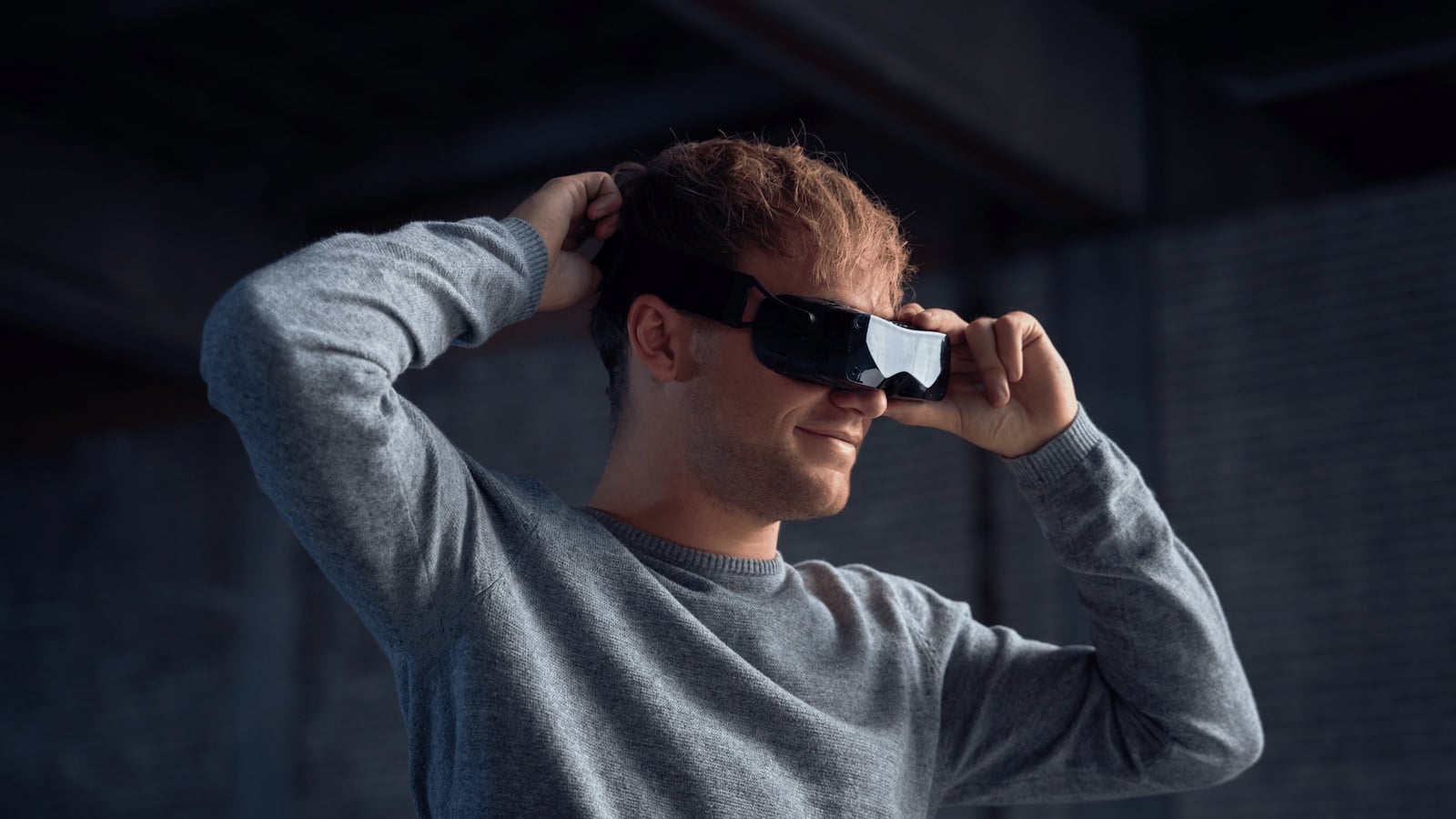
Best VR headsets for 2026 (the ones actually worth your money)
If you’re buying VR in 2026, the real question isn’t “what’s the most expensive headset?” It’s “what headset fits the way I’ll actually use VR?” Gaming-only? Mixed reality at home? PCVR obsession? A console setup that just works? Here are the standouts, with the why-you-should-care angle (not a spec dump).
Best VR headset overall: Meta Quest 3
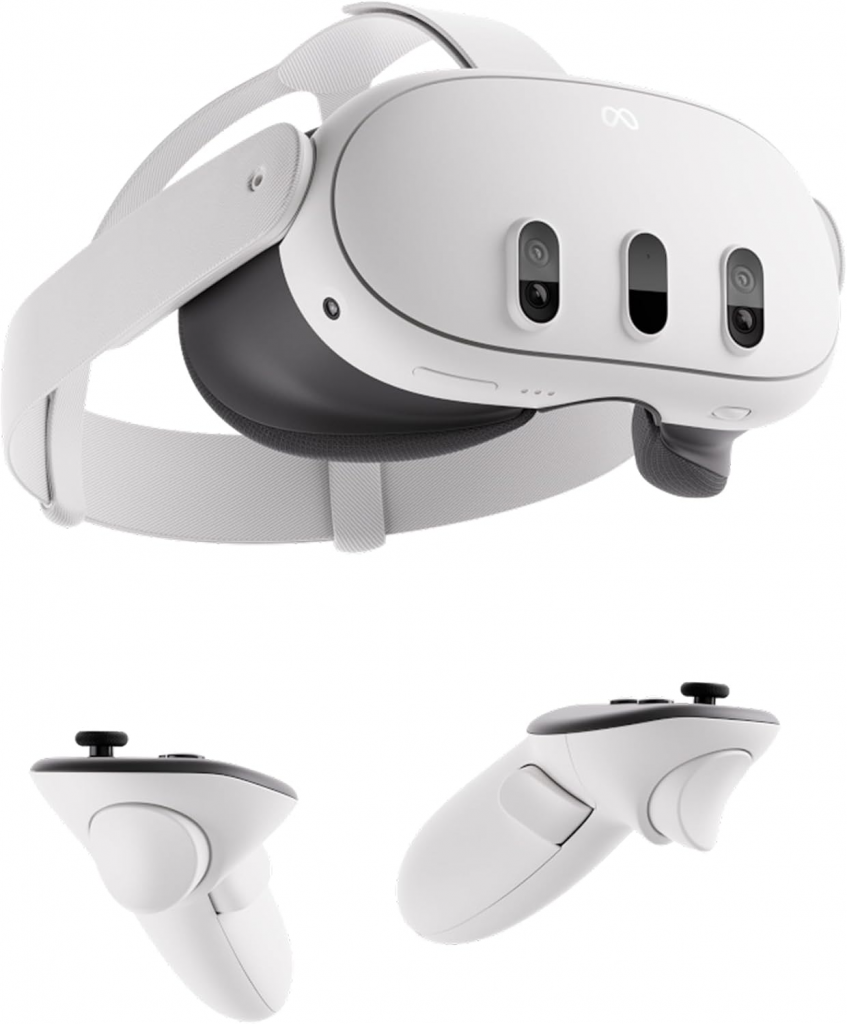
Meta Quest 3 still sits comfortably at the top going into 2026 because it gets the balance right in a way no other headset quite manages. It improves on the Quest 2 in every meaningful way: sharper displays, better lenses, more comfortable ergonomics, and genuinely useful mixed reality thanks to full-color passthrough cameras. Powered by Qualcomm’s Snapdragon XR2 Gen 2, performance feels noticeably smoother, especially in visually rich games and fast-paced experiences.
Why it’s a must-have
This is the headset that works for almost everyone. You can jump straight into standalone VR without cables, then connect it to a gaming PC when you want higher-end visuals. The mixed reality features quietly change how VR fits into everyday life: you can check your surroundings, respond to messages, or play room-aware games without fully disconnecting from reality. It’s flexible, future-proof, and still the smartest all-round VR investment.
Best next-gen VR/AR headset: Apple Vision Pro (M5)
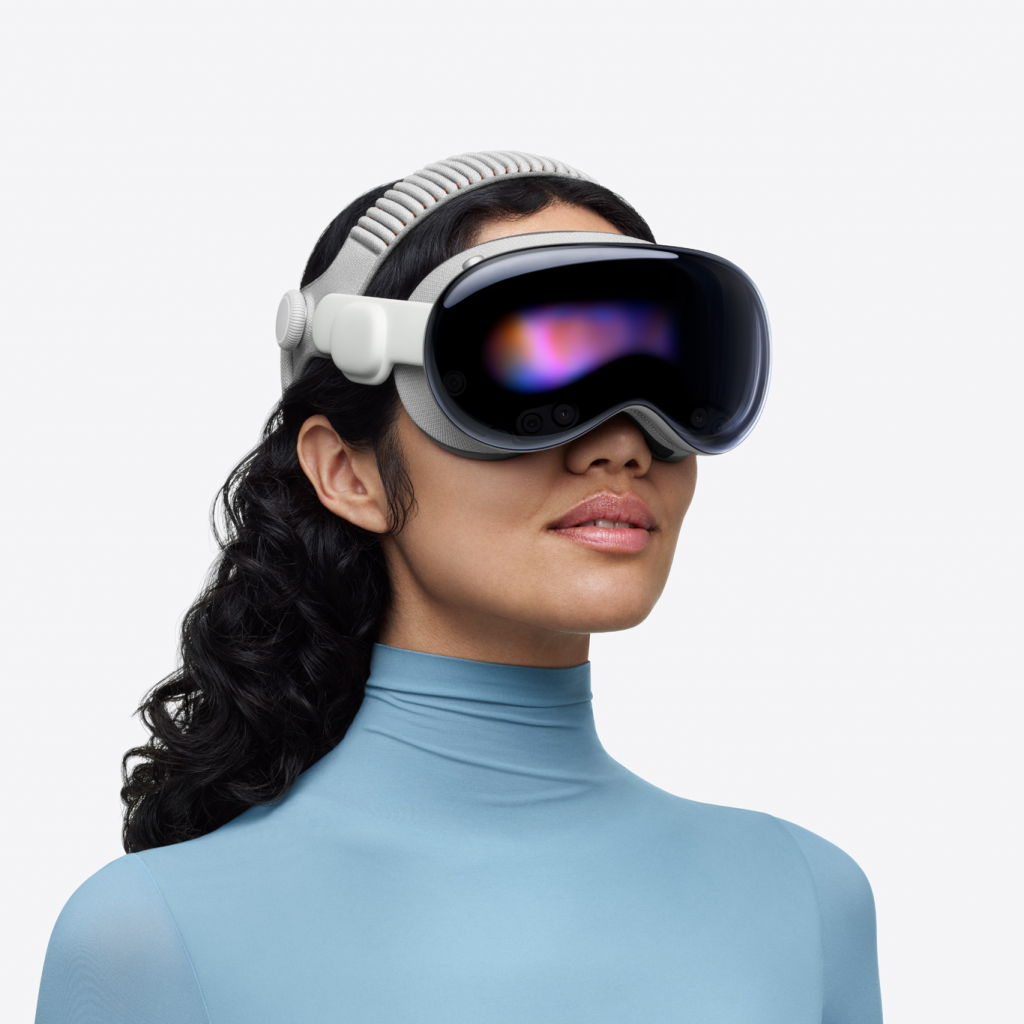
Apple’s Vision Pro with the M5 chip is less about radical reinvention and more about refinement. The updated processor brings better efficiency and smoother performance, while the improved head strap helps balance what is still a fairly heavy headset. The Micro-OLED displays remain class-leading, delivering stunning clarity that makes reading text, watching immersive video, and mirroring a Mac feel shockingly natural.
Why it’s a must-have
Vision Pro is the clearest glimpse yet of Apple’s long-term spatial computing vision. It’s not built for mainstream gaming or casual VR use, but for developers, creators, and Apple ecosystem power users, it offers unmatched visual fidelity and the most polished hand-and-eye tracking on the market. If budget isn’t the question and you want the most advanced mixed reality platform available, this is it.
Best cheap VR headset: Meta Quest 3S
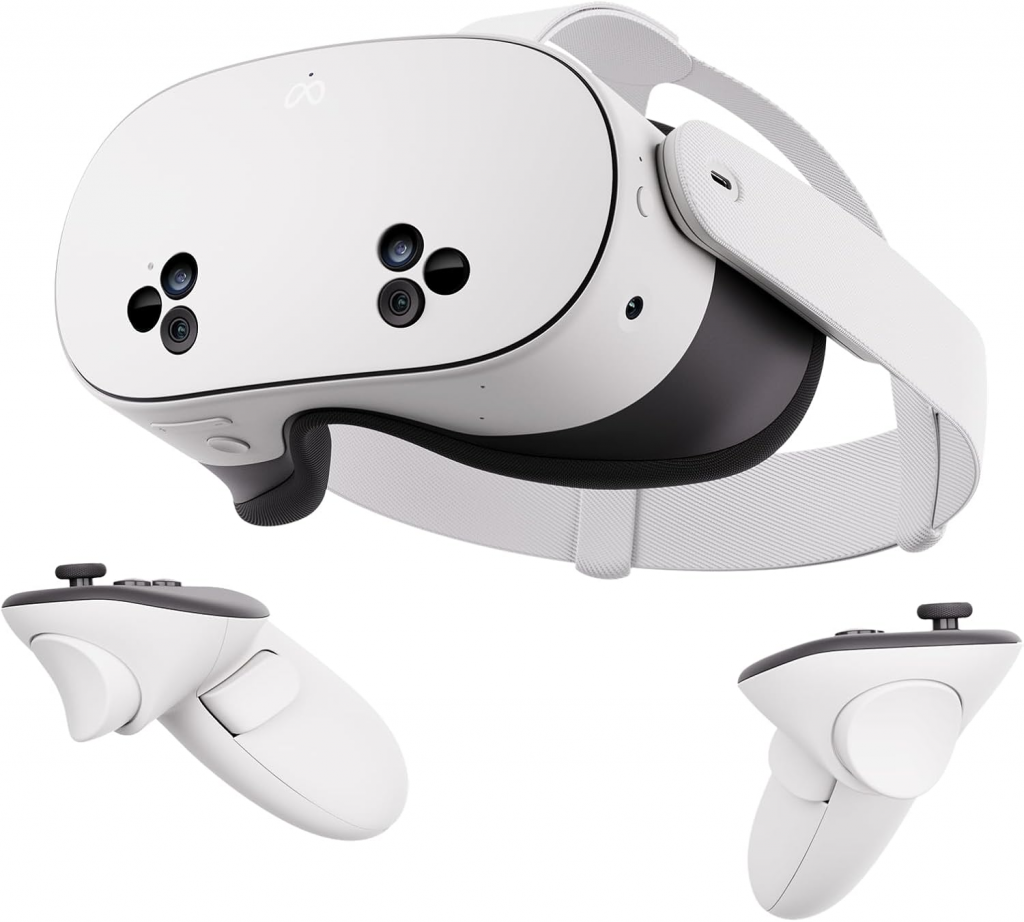
The Quest 3S proves just how far Meta has pushed affordable VR. Despite its lower price, it uses the same Snapdragon XR2 Gen 2 chip as the Quest 3, meaning it can run the same apps and games without compromise. The main tradeoff is visual sharpness, as it uses older Fresnel lenses and lower-resolution displays, but comfort and performance remain impressively solid.
Why it’s a must-have
This is the easiest recommendation for newcomers and casual users. You get modern performance, excellent controllers, access to the massive Meta Quest Store, and PCVR support: all at a price that feels genuinely reasonable. For fitness apps, social VR, family use, or first-time buyers, the Quest 3S delivers maximum value with minimal downsides.
Best console VR headset: PlayStation VR2
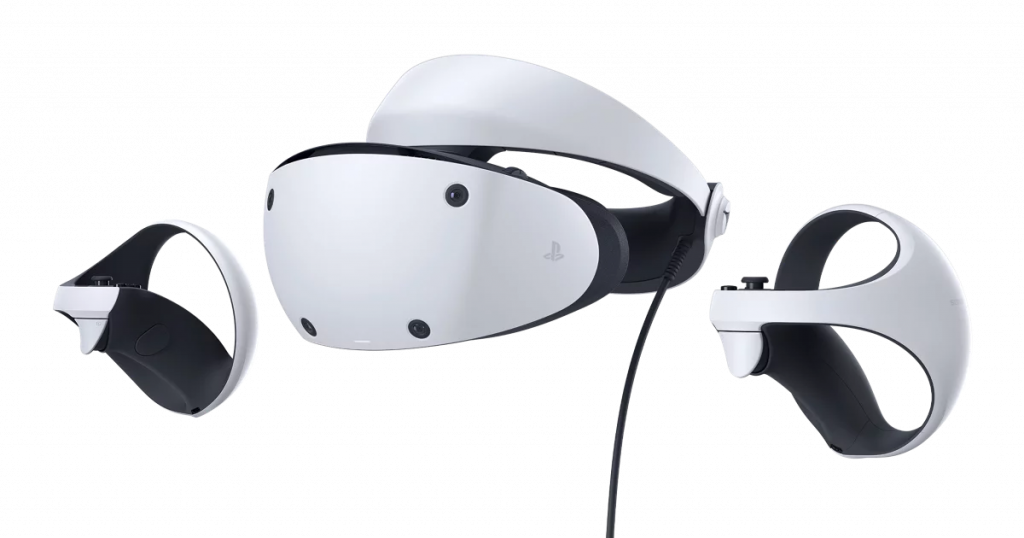
PlayStation VR2 remains one of the most immersive headsets available, thanks to its dual OLED HDR displays, excellent comfort, and standout features like eye tracking and headset haptics. Paired with a PlayStation 5, it delivers high-end VR gaming without the need for a powerful PC or complicated setup.
Why it’s a must-have
If you’re already invested in the PlayStation ecosystem, this is the most straightforward way to experience premium VR. Plug it into a PS5 and you’re ready to go. While long-term software support remains a question mark, the core experience is polished, immersive, and still one of the most visually impressive ways to play VR games today.
Best PC VR headset for gamers: Valve Index
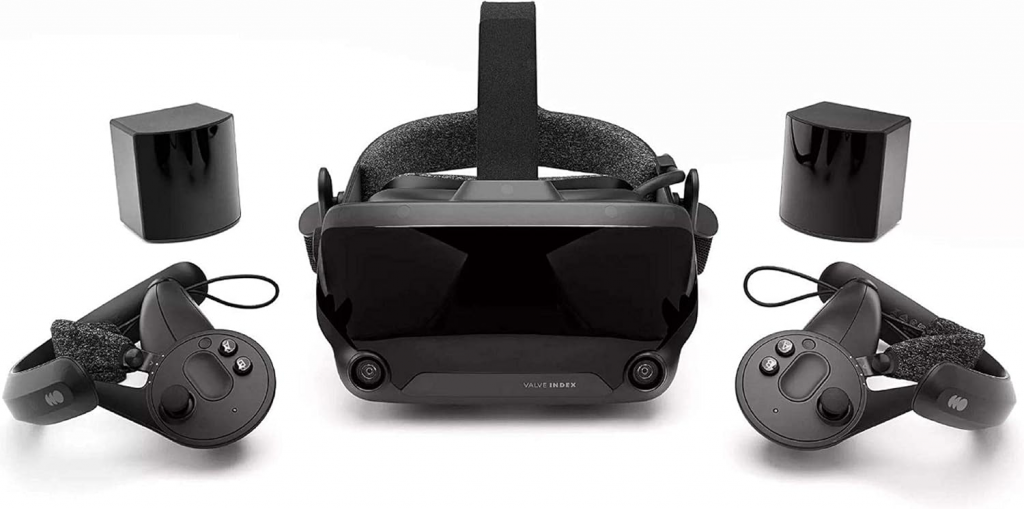
The Valve Index may no longer be the newest headset on the market, but it remains a benchmark for PC VR immersion. Its high refresh rate, wide field of view, and ultra-precise SteamVR tracking create a sense of presence that many newer headsets still struggle to match. The finger-tracking controllers are especially impressive when games fully support them.
Why it’s a must-have
For PC gamers who care about precision, responsiveness, and deep immersion, the Index still delivers. Yes, it’s wired and requires base stations, but that inconvenience buys you smoother motion, better tracking, and a more convincing virtual world. If VR gaming is a serious hobby rather than a casual curiosity, the Index continues to earn its reputation.
Best VR quality, no matter the cost: Bigscreen Beyond
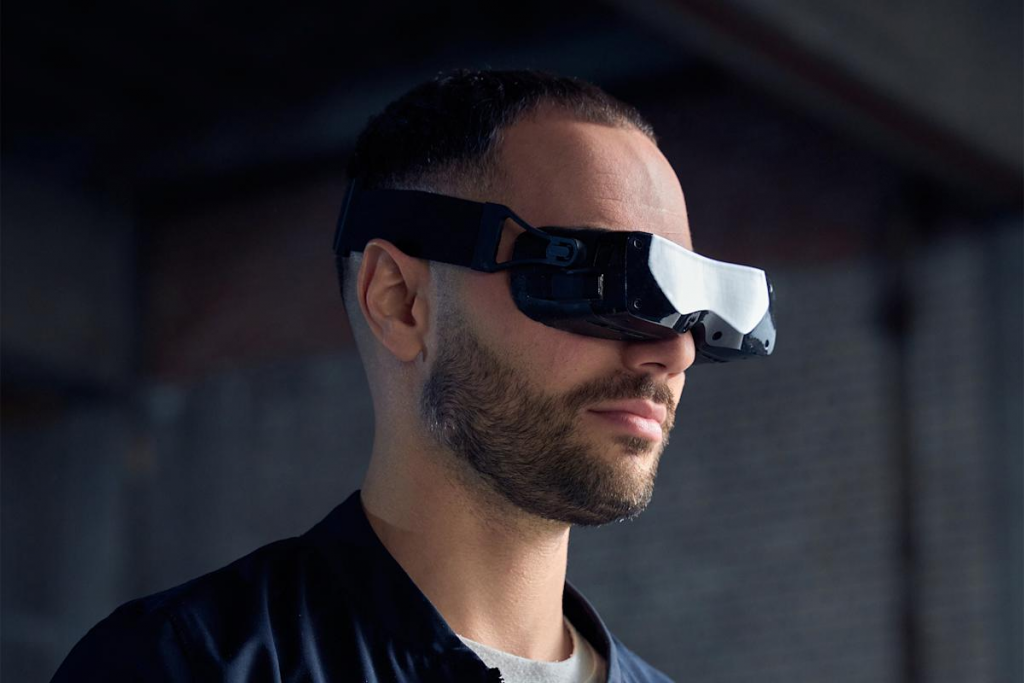
Bigscreen Beyond takes a radically different approach to VR by prioritising comfort and visual quality above all else. It’s incredibly light: closer to oversized goggles than a traditional headset — and its Micro-OLED displays deliver deep blacks and razor-sharp contrast that LCD-based headsets can’t match. It’s designed to work within the SteamVR ecosystem, making it ideal for experienced PCVR users.
Why it’s a must-have
This is the headset for VR purists. If you want the most immersive visuals possible and the ability to wear a headset comfortably for hours, Bigscreen Beyond is in a class of its own. It’s expensive, requires extra hardware, and isn’t designed for sharing, but for enthusiasts chasing the ultimate PC VR experience, it’s hard to beat.
The takeaway
VR in 2026 isn’t about one “best” headset; it’s about choosing the one that matches how you actually want to use virtual reality. Meta Quest 3 remains the safest all-round pick, Quest 3S dominates on value, PlayStation VR2 shines for console gamers, and PCVR enthusiasts are spoiled with options like Valve Index and Bigscreen Beyond. Meanwhile, Apple Vision Pro continues to push VR and AR into new, futuristic territory.