




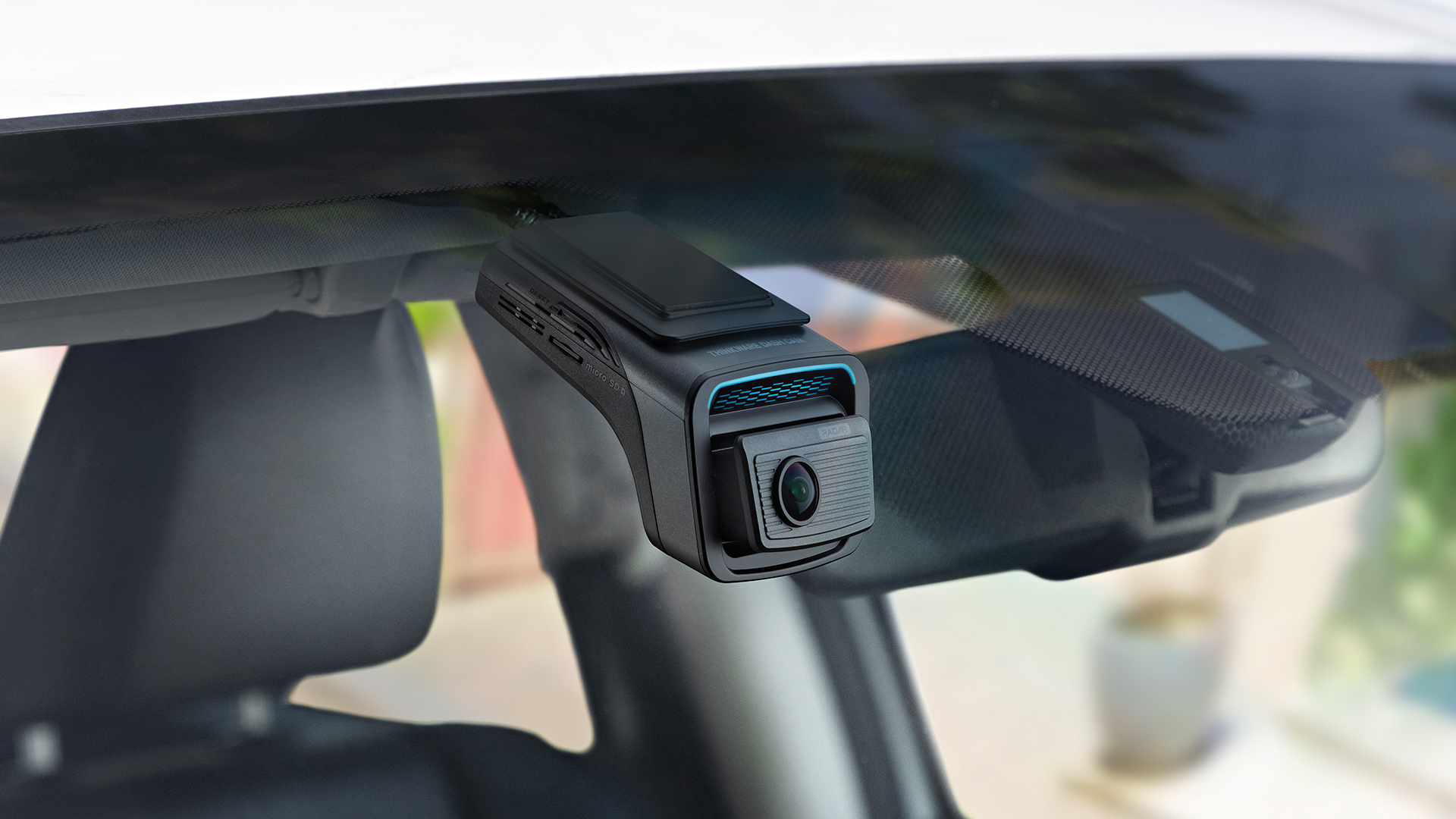
Thinkware U3000 Pro review: The dash cam that watches your car before trouble starts
Radar-powered parking protection is a genuine upgrade on the usual motion-trigger setup, and it works better than you’d expect
VERDICT
The U3000 Pro is Thinkware’s best dash cam yet, and its headline trick, a radar sensor fitted to both cameras, is genuinely useful rather than a gimmick. It detects motion around your parked car and starts recording before anything happens, which puts it a step ahead of every dash cam that only wakes up after a bump or impact. Add 4K front footage, Sony Starvis 2 sensors, and a clean screenless design, and you have a seriously capable parking security system. The price, especially fully loaded with a rear camera and OBDII cable, is hard to swallow, but for anyone who takes vehicle security seriously, this is the most capable setup on the market right now.
Pros
- Radar fires up recording before a collision or break-in, not after
- 4K front and 2K rear footage from Sony Starvis 2 sensors
- Surprisingly low power draw, even during heavy overnight recording
- GPS, HDR, 5GHz Wi-Fi, and genuinely discreet installation
Cons
- Expensive: £529/$580 for the full front-and-rear setup
- Default radar sensitivity is too high and will wake the camera in rain
- No screen means you’re tied to the app for everything
- Rear camera’s adhesive pad isn’t removable, which makes switching vehicles awkward
Quick Specs
| Price | From £399 / $499 (front only); £559 / $580 with rear cam and OBDII cable |
| Front resolution | 4K (3840 x 2160p) at 30fps |
| Rear resolution | 2K (2560 x 1440p) at 30fps |
| Field of view | 147° front, 156° rear |
| Sensors | Sony Starvis 2 IMX678 (front), IMX675 (rear) |
| HDR | Yes, both cameras |
| Wi-Fi | 5GHz |
| GPS | Yes |
| Display | No |
| Parking mode | Yes (hardwiring or OBDII cable required) |
| Optional extras | LTE module (£105 / $150, plus data plan) |
Price & Availability
The U3000 Pro starts at £399 in the UK and $499 in the US for the front camera alone, but that’s really the floor price, and most buyers will spend considerably more. The radar parking mode, the feature that justifies the premium over cheaper rivals, requires a constant power source to function. That means either a professional hardwiring job or the OBDII cable, both of which cost extra on top of the unit itself.
Add the rear camera and you’re at £529 in the UK or $580 in the US, and there’s a regional pricing quirk worth flagging: the rear camera adds £130 in the UK but only $50 stateside. There’s no obvious explanation for that gap, and UK buyers will understandably find it frustrating.
Beyond that, there’s an optional LTE module for £105 / $150 that gives the U3000 Pro a mobile data connection, enabling remote access, live view, and push notifications when the camera detects motion while you’re away from the car. That sounds compelling, but remember you’ll need a separate SIM and data plan on top of the module cost, which pushes the total outlay further still. The fully loaded setup, front camera, rear camera, OBDII cable, and LTE module, represents a serious investment, and you’ll want to be clear on how much you actually need each layer before committing.
Design & Build
Thinkware has a house style and it sticks to it: no screen, clean lines, and a profile that sits snugly against the windshield without drawing attention. If you route the cables tidily or go the hardwiring route, the U3000 Pro can pass for a factory-installed unit from the outside. That’s either a selling point or a limitation depending on how you like to interact with your dash cam. There’s no glanceable display here, no quick-access playback button. Everything happens through your phone.
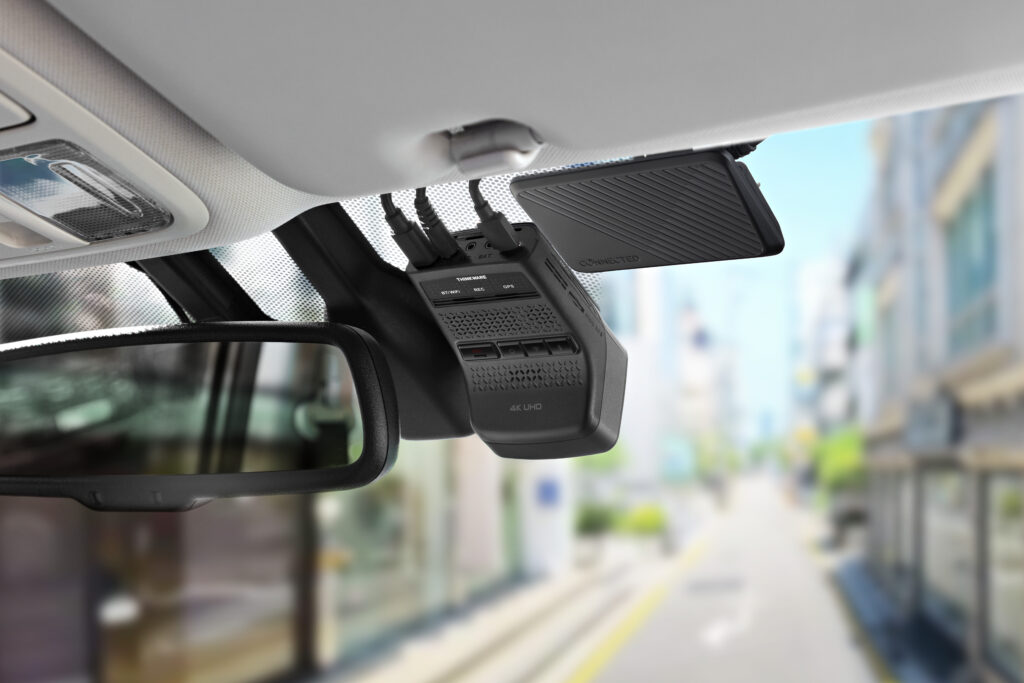
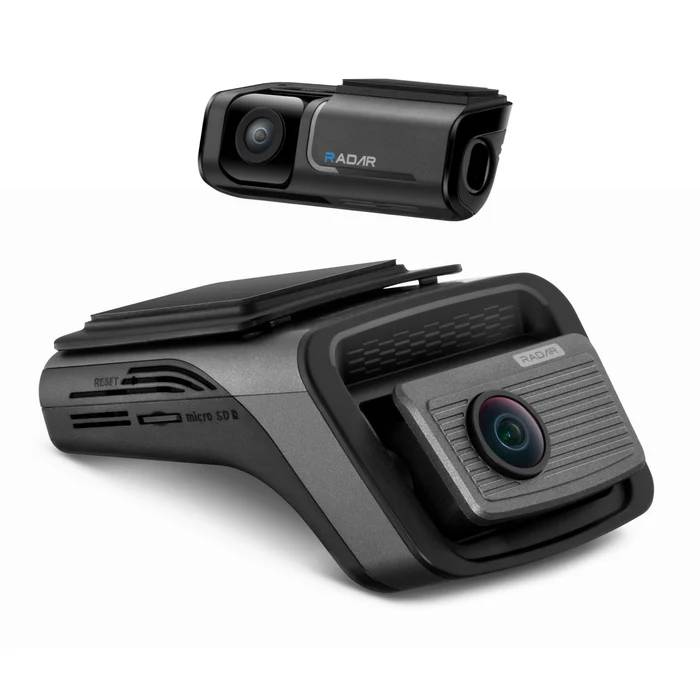
The front unit is larger than average given its flagship spec, but the shape keeps it relatively low-profile against the glass. There’s a few degrees of vertical tilt adjustment to accommodate different windshield rakes, and the whole unit locks onto an adhesive mounting plate with a satisfying sliding click. Despite the bulk, it should clear the rear-view mirror housing on all but the smallest cars. The physical controls are minimal: three buttons and three status LEDs, plus ports for power, LTE, and the rear camera cable. All of those ports protrude from the back of the unit, so the smart move is to plug everything in before fixing the adhesive plate to the glass. Trying to connect cables after the fact is a fiddlier job than it needs to be.
The rear camera is a different proposition entirely: small, unobtrusive, and considerably more adjustable in terms of vertical angle. It attaches to the rear windshield via an integrated adhesive pad, which is where a frustrating design decision surfaces. That pad is bonded directly to the camera body rather than sitting on a removable mounting plate. Every other camera in Thinkware’s range uses the same approach, so it’s a deliberate choice, but it means that if you ever want to transfer the rear camera to a different vehicle, you’ll be sourcing replacement adhesive or risking a weak fit. For a product at this price point, a removable mount should be standard.
That said, the overall build quality is exactly where it needs to be for a flagship. Materials feel solid, the finish is consistent across both units, and nothing about it feels cheap or flimsy. For a device that’ll sit in your car through temperature extremes, direct sunlight, and the occasional pothole, that reassurance matters.
Performance
Video quality is exactly what you’d want from a 4K dash cam in this price range. Daytime footage from the front camera is sharp, well-exposed, and accurate in colour, with enough detail to read licence plates clearly across multiple lanes of traffic. The Sony Starvis 2 IMX678 sensor at the front handles transitions from bright sunlight to shadowed underpasses without obvious clipping or washout, and low-light performance is genuinely impressive: dark residential roads retain meaningful detail without the grain-heavy mush you’d get from a cheaper sensor. Thinkware’s Super Night Vision 4.0 processing is doing some of the work here, but it’s applied with enough restraint that the footage doesn’t look artificially brightened or over-sharpened.
The rear camera uses the IMX675, a step down from the front sensor, and the difference is noticeable in a direct comparison. Footage is still 2K at 30fps and perfectly usable, but it lacks the sharpness and low-light confidence of the front. In practice, the rear camera is usually doing a different job: capturing plates of vehicles following too closely, recording the moments before a rear-end impact, or watching the boot area while parked. For those purposes, the quality is more than adequate. Both cameras include HDR to prevent blown highlights or crushed shadows in high-contrast conditions, and it works as advertised.
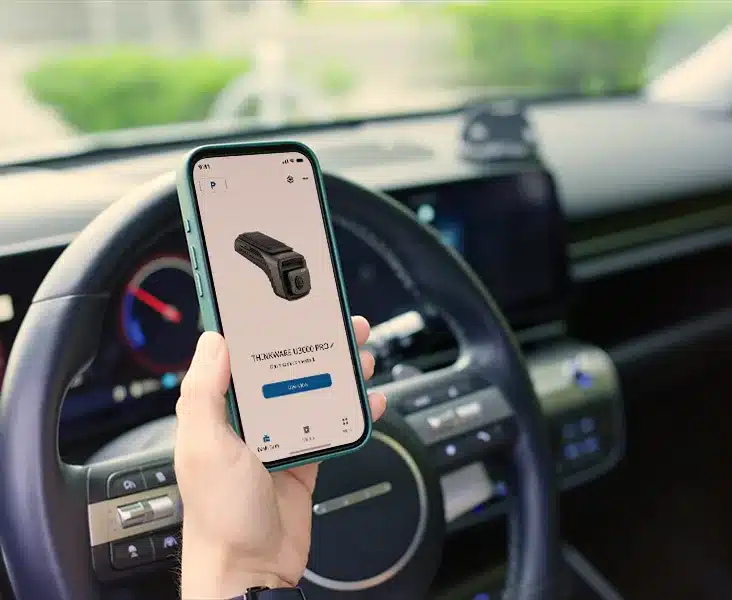
The 5GHz Wi-Fi connection is a real-world improvement over the 2.4GHz setups on most competing dash cams. File transfers are noticeably faster, and there’s no lag when adjusting settings through the Thinkware app. Initial setup is done over Bluetooth, which took a few minutes and worked without any issues. The app itself is clean and functional: you can browse clips, adjust recording settings, tweak radar sensitivity, check GPS data, and view a live feed. It’s not the slickest interface you’ll ever use, but it gets the job done without getting in the way.
The radar is the U3000 Pro’s headline feature, and it’s the most significant departure from standard dash cam parking mode tech. A typical parking mode works reactively: something hits your car, the g-sensor fires, the camera wakes up and records. By that point, you’ve usually already missed the moment of impact and the most useful footage is whatever the loop buffer managed to catch. The radar changes that dynamic entirely. It detects motion in a zone of up to five meters from the vehicle and wakes the camera before anything makes contact. In testing, when I walked toward my parked car from the passenger side, recording was underway well before I reached the driver’s door. That’s a genuinely different capability.
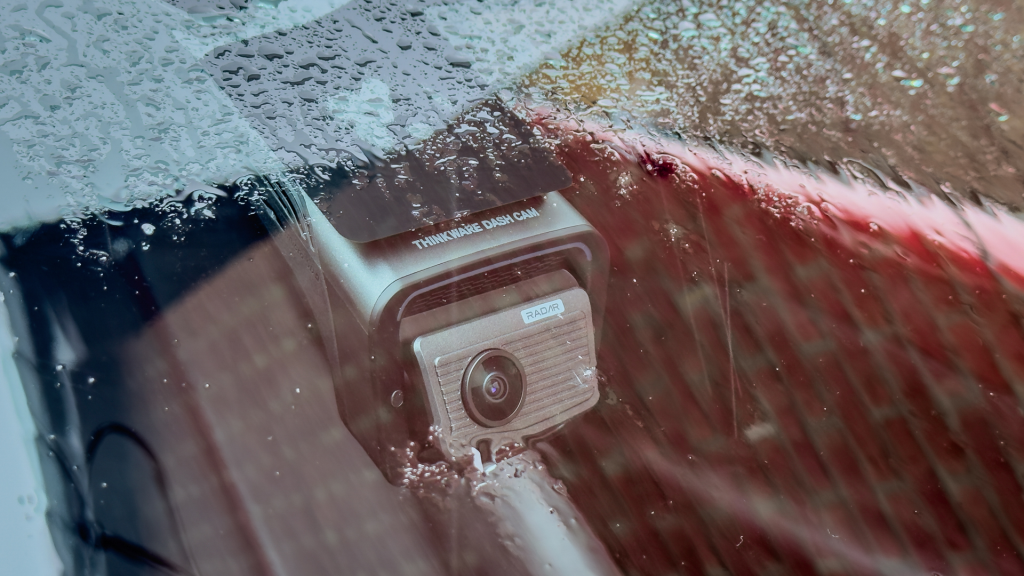
The caveat is sensitivity calibration. Out of the box, the radar is tuned too aggressively. Rain, specifically the kind of steady overnight rainfall that’s common in the UK, is enough to trigger it repeatedly. In one night of moderate rain, the camera logged dozens of clips of empty wet road and nothing else. Dropping the sensitivity down one step in the app addressed the problem cleanly, and after that adjustment the system settled into reliable, rational behaviour. It’s annoying that this tweak is necessary out of the box, but it takes about thirty seconds to fix, and most users will find their preferred setting quickly enough.
What genuinely impressed me during testing was the power management. Given how many times the camera was waking up and recording overnight, I half-expected to find a flat battery in the morning. Instead, the car started without any issue, and the low-voltage protection in the OBDII setup appears to be calibrated correctly for real-world use. Dash cams that drain a battery overnight are a common complaint across the category, so the fact that the U3000 Pro handles it this gracefully is worth flagging specifically.
GPS tracking is included and works as expected, embedding location and speed data into recordings so you can correlate footage with a map later. This is useful in the event of an incident, either for your own reference or for insurance purposes. The driver assistance alerts, lane departure warning, forward collision alert, and similar, are present but best left switched off. Modern cars cover these bases with their own systems, and the dash cam versions can’t always be relied on. The exception is the low-speed front collision warning, which is worth keeping active for slow-moving traffic situations where your car’s own sensors might not be engaged.
Conclusion
Dash cams have largely plateaued on video quality. 4K is now table stakes at the premium end, the Sony Starvis sensor family is everywhere, and most flagship models are telling broadly the same story on resolution and low-light performance. The things that actually differentiate products in this tier are increasingly marginal: a slightly better app here, a degree or two of extra field of view there. The U3000 Pro‘s radar is the rare feature that actually changes how the device works in practice, not just what it looks like on a spec sheet.
Recording before a collision or break-in rather than after it is a meaningful shift in what a dash cam can do. For anyone who parks regularly in busy city streets, public car parks, or anywhere their vehicle is left unattended for extended periods, that capability addresses a real gap in what existing parking modes can deliver. The radar takes a little calibration to get right, but once settled, it runs reliably, quietly, and with far less battery impact than you’d expect.
The pricing structure is where you have to think carefully. At the entry level, £399 / $499 for the front camera alone, the U3000 Pro is competitive with other 4K flagships but doesn’t include the constant power supply that makes radar parking mode viable. Add the rear camera and OBDII cable and you’re at £529 or $580, before the optional LTE module. That’s a substantial outlay, and it puts the U3000 Pro in a bracket where you really need to want what it specifically offers rather than just a good dash cam in general.
For buyers who want a capable, discreet dual-channel system for everyday driving, there are better-value options available. For buyers who park in places where vehicle security is a genuine concern and want the most capable parking protection currently available, the U3000 Pro is the right answer. It does what it promises, and its main new idea is a good one.
Buy it if: You want a parking security system that can capture events before they happen, you’re willing to invest in a hardwired or OBDII setup, and you want the best available radar parking tech in a dual-channel package.
Skip it if: You’re on a budget, you frequently move your dash cam between vehicles, or you want to manage everything without a smartphone app.
Also Consider
Nextbase iQ (from ~£329): Cloud-connected with a built-in display and emergency response features. Better value as a front-only setup and easier to interact with day-to-day, but no radar parking detection.
Vantrue E1 Lite (from ~£99 / $119): A significant step down in spec but excellent value if you primarily need a driving record rather than a parked-car security system. Solid 1080p footage and none of the complexity.
Garmin Dash Cam Tandem (~£199): Front-and-interior dual channel, well-suited to rideshare drivers. Misses on rear coverage and parking depth, but Garmin’s software reliability and map integration are genuinely good.