
Nothing Phone 4a Unveiled: A Pink Pop and Smarter Cameras for the Design-Minded
Nothing has pulled back the curtain on the Phone 4a, a mid-cycle refresh that leans into what the brand does best: playful design and personality, while quietly trying to push the camera experience forward. It is equal parts fashion statement and pragmatic update.
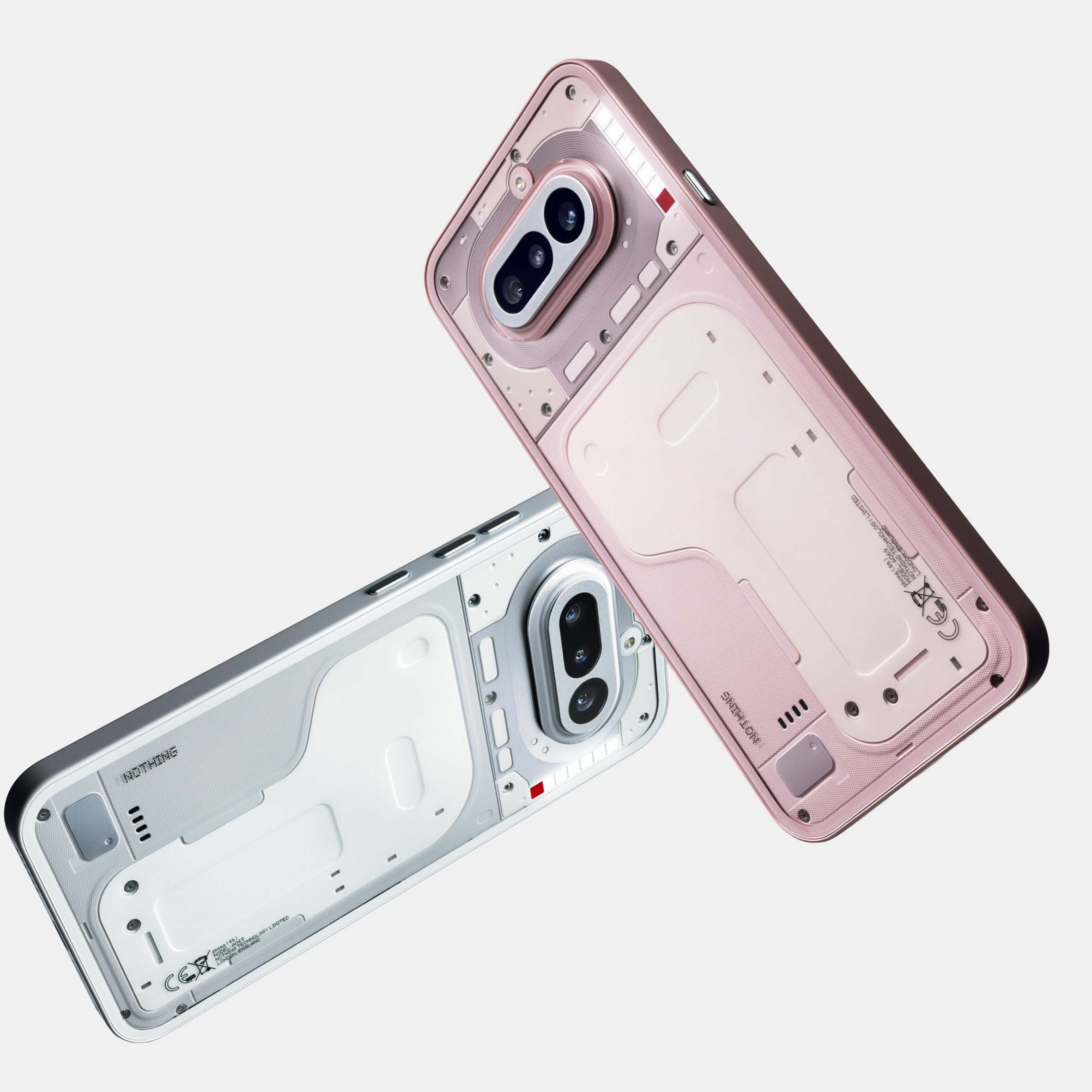
Nothing announced the Phone 4a with two headline moves. First, the company says it has improved the phone’s cameras, promising better photos where it counts most: low light, color fidelity and detail preservation. Second, Nothing introduced a new pink finish, broadening the aesthetic options that are central to its appeal.
At face value these are modest updates. But in the crowded mid-range market small, well-executed changes can have outsized impact. Nothing has built a brand around distinctiveness. The Phone 4a is a reminder that a phone can still be a cultural object in 2026, a piece of daily kit that signals taste without being ostentatious. That matters because as hardware differences between mid-range phones shrink, design and software nuance are how brands create separation.
The Phone 4a at the heart of it
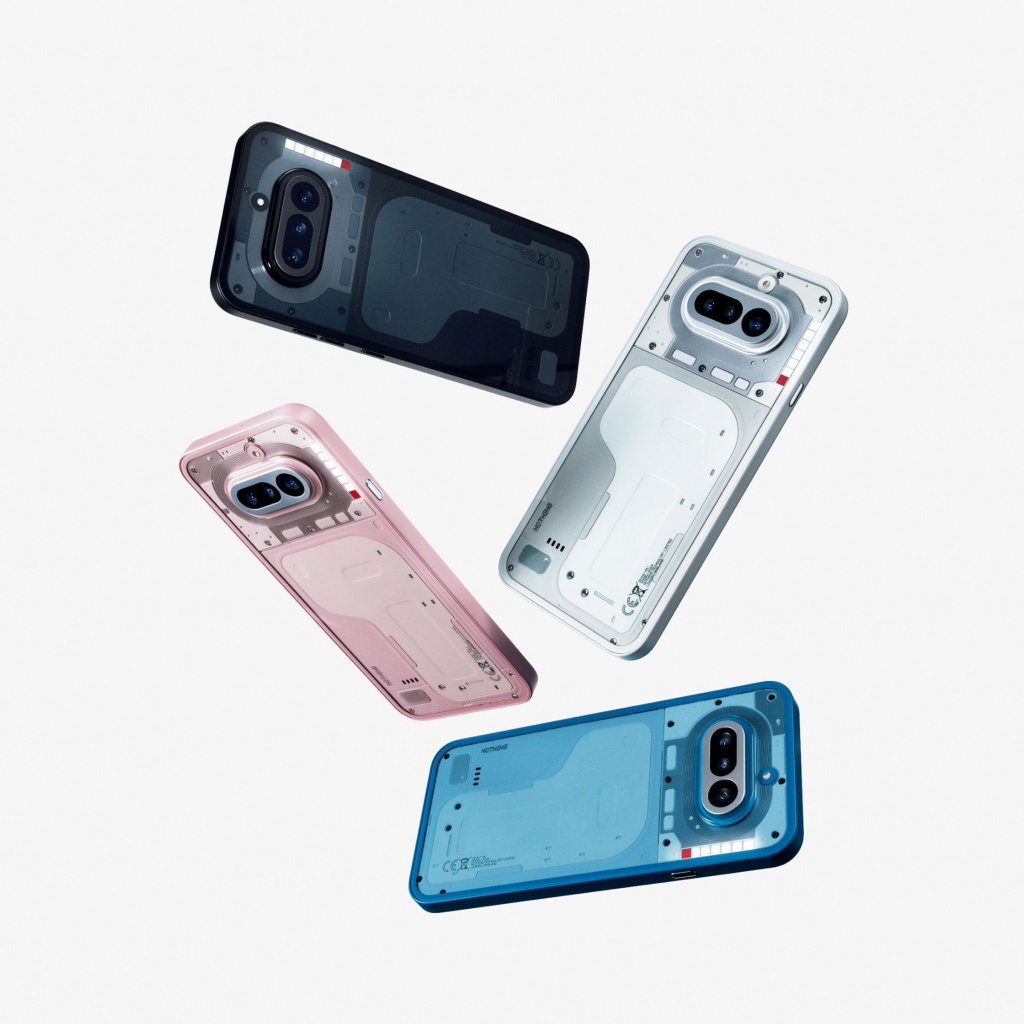
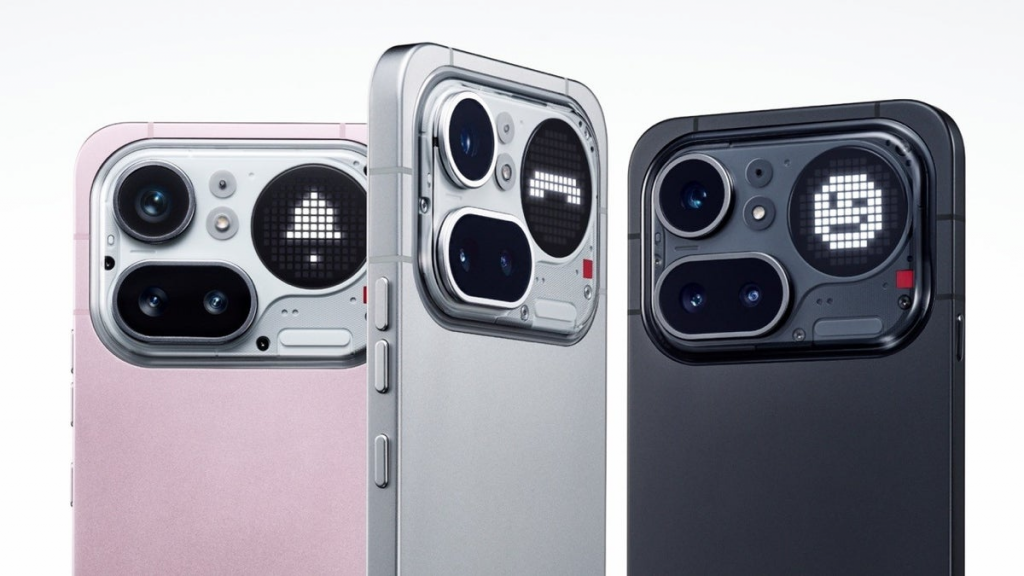
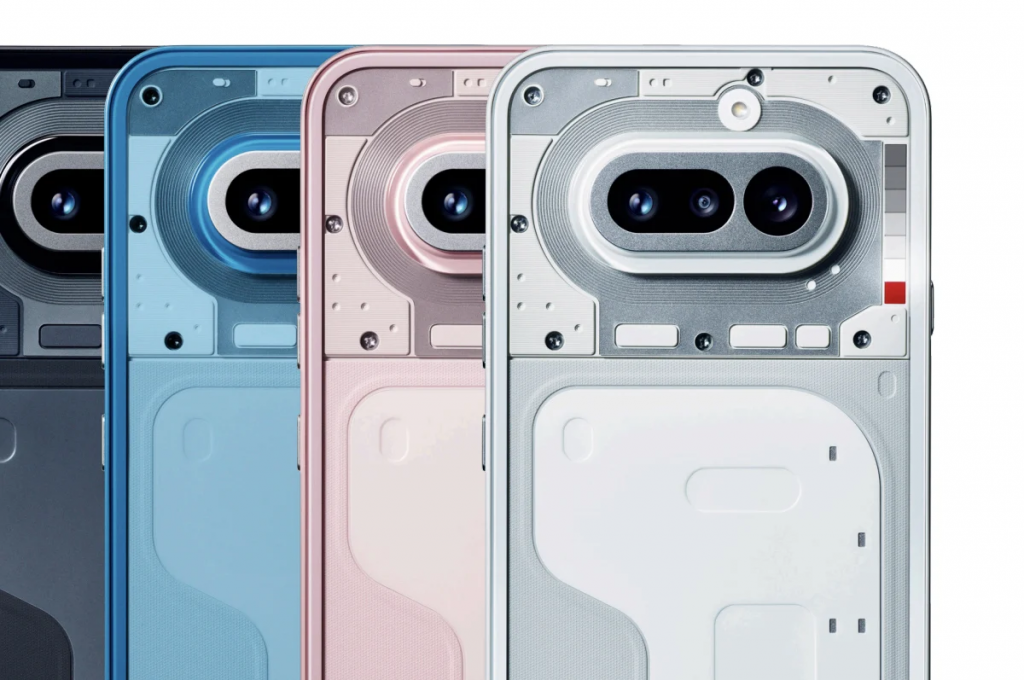
The Phone 4a is positioned as Nothing’s pragmatic offering for people who want the brand’s design language without the top dollar outlay of a flagship. It keeps the family traits: a transparent aesthetic that offers a peek at the internals, a clean industrial composition, and the quirky Glyph Interface that turns the back into a communicative surface.
But the 4a is not just a visual exercise. Nothing has refined the cameras, which is the announcement’s real meat. Photography has become a primary battleground for mid-range devices. People expect capable point-and-shoot performance from their phones, and they want it in everyday conditions rather than under showroom lighting. Nothing is answering that demand with computational tweaks and optical tuning that promise to close the gap to more expensive rivals.
Camera upgrades explained in plain English
Nothing’s announcement focused on perceptible improvements rather than a long list of numbers. In practice that means better-looking photos in real-world scenarios. The company highlights cleaner low-light shots, improved color rendering, and smarter processing for detail retention. Those are the sorts of things that change the user experience more than raw megapixel counts ever do.
Behind the scenes this is most likely a combination of upgraded sensors, revised lens tuning, and revamped software pipelines. Modern phone cameras rely on a mix of hardware and algorithms. Slightly larger pixels or a more efficient sensor can gather more light. Software then stitches and interprets that data, using techniques like pixel binning, multi-frame noise reduction, and machine-learning driven tone mapping to produce images that look brighter and more natural.
Nothing’s approach has historically prioritized aesthetics over stereo-typed algorithmic processing. The company tends to favor a look that feels clean and slightly desaturated compared to some rivals that oversaturate colors. If Nothing has tuned the 4a to be bolder in low light without sacrificing its signature look, it could be a sweet spot for photographers who dislike hyper-contrasty phone shots but still want detail and clarity after sunset.
Design, the new pink, and why color still sells
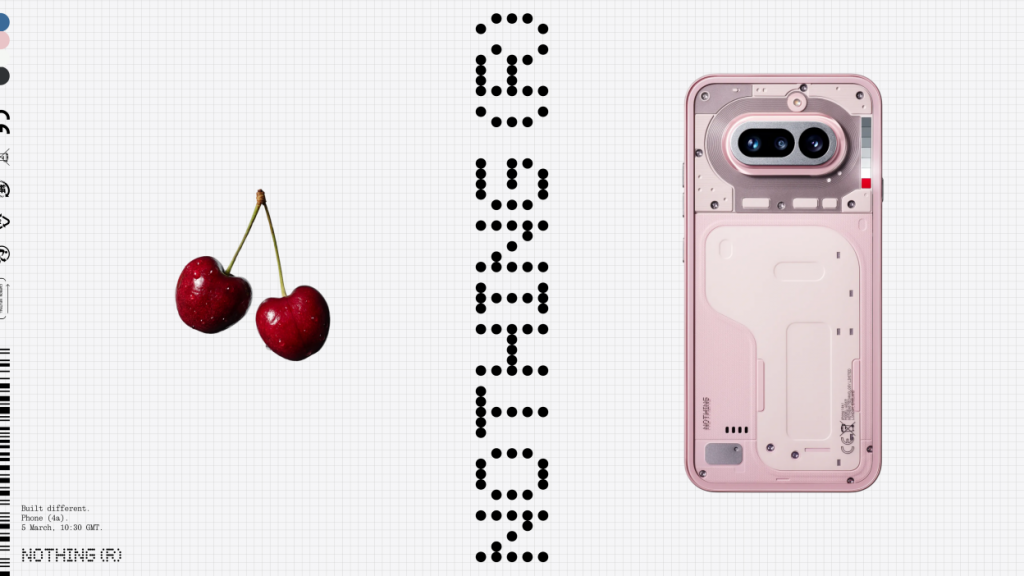
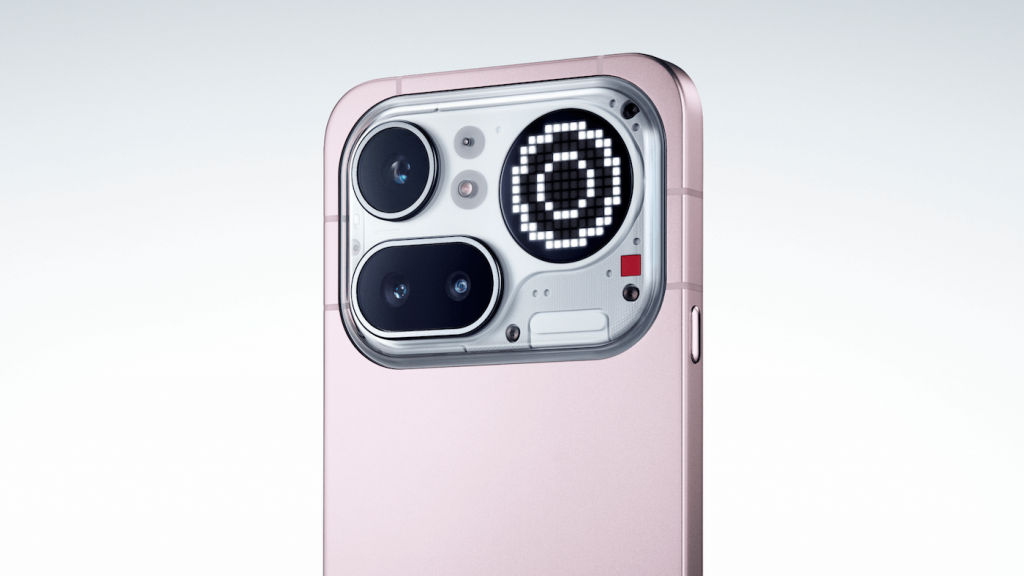
Design is the Phone 4a’s calling card. The transparent backplate that turned heads on earlier models remains, but Nothing has amplified the stylistic vocabulary with a new pink color option that feels intentionally less saccharine than standard ‘pink’ finishes. Think more of a muted rose that reads modern rather than saccharine.
This is more than a cosmetic flourish. Color choices help a product fit into people’s personal narratives. A neutral black or white is safe. A bold, considered pink is a social signal. It tells the world that the owner cares about design and doesn’t take mainstream color cues at face value. For Nothing, which markets itself to creatives, early adopters, and tastemakers, that matters a great deal.
The Glyph Interface remains; that unusual LED matrix on the back that doubles as a notification and aesthetic system. In a market where consumer attention is monetized by apps and services, a tactile and visible hardware identifier can be a persuasive counter-narrative. It is reminiscient of old Nokia charms, but with a contemporary twist. The Glyph is not merely decorative; it’s a branding device that gives Nothing’s phones an immediately recognizable silhouette in a sea of slabs.
Performance and software: steady hands, refined polish
Nothing’s software story is a quiet one. The company pairs its hardware with Nothing OS, a skinned Android that prioritizes minimalism and speed. The Phone 4a is more likely an incremental refresh on the performance front rather than a radical leap. That is not a criticism. In the mid-range, stability and consistency often trump headline specs.
Battery life and day-to-day performance are where the 4a needs to deliver. People will expect a full day of heavy use and quick recovery via charging. Nothing has historically balanced reasonably sized batteries with efficient software tuning. Unless Nothing surprises with a massive battery upgrade or a new chipset, the Phone 4a will likely feel familiar to users coming from the brand’s older models: responsive, slick, and good enough for gaming and multitasking at this price band.
Software updates and longevity are part of the value proposition too. Nothing has improved its update cadence in recent generations. For buyers, that’s the sort of thing that earns loyalty faster than a spec sheet. A mid-range phone is easier to recommend if it will continue to receive security updates and meaningful features for a couple of years.
What stands out and what surprises
What stands out is that Nothing continues to treat a smartphone as an object of design, not just an appliance. The pink color and Glyph tweak are clear signals that aesthetics remain central to the company’s strategy. That focus helps Nothing occupy a niche between fashion-forward brands and pragmatic tech makers.
What surprises is how sustainable that strategy still feels. After years of sameness in smartphone design, the Phone 4a’s small gestures have outsized cultural currency. The market is saturated with phones that chase raw numbers. Nothing quietly chooses personality and curation. That feels increasingly valuable for buyers who, having suffered spec fatigue, now want products that fit a lifestyle as much as a performance need.
Any compromises or room for improvement
There are inevitable trade-offs. A phone that prioritizes design and mid-range components cannot outpace flagship devices in every category. If you want the absolute best camera system, the fastest chip, or the shiniest display tech, you will still find it in higher-end devices from Apple, Samsung, and Google.
Additionally, Nothing’s niche approach is a double-edged sword. The brand’s visual cues will resonate with some and alienate others. The transparent back and Glyph are not for everyone. Furthermore, while camera improvements are meaningful, Nothing must match or exceed competitors’ value propositions, especially in computational photography where Google continues to set a high bar with its Pixel A series.
Best use cases and target user
The Phone 4a belongs to the buyer who wants a phone that reads as a personal accessory. If you are someone who upgrades every few years and wants your device to say something about taste, Nothing’s aesthetic will be compelling. It is also aimed at people who want a capable camera for everyday life without paying flagship prices.
For creative professionals who prioritize camera performance above all else, the 4a may be a good travel or second device. For young professionals and design-conscious buyers, the phone acts as a style statement with practical bones. For bargain hunters focused strictly on specs per dollar, there may be better arithmetic elsewhere, but the 4a offers intangibles that don’t show up in spec comparison charts.
How the Phone 4a compares to others in its category
In the mid-range, comparisons are inevitable. Google’s Pixel A line focuses on accessible computational photography and a clean Android experience. Samsung’s Galaxy A series delivers breadth of features and strong displays. OnePlus and Motorola undercut on price while offering solid hardware. The Phone 4a sits aside these competitors by leaning heavily on design and brand personality.
Where Google emphasizes camera algorithms and software depth, Nothing emphasizes visual identity. Where Samsung sells a trusted ecosystem and feature set, Nothing sells an emotional connection. This makes the Phone 4a not necessarily a direct spec-for-spec rival but a lifestyle alternative. If you value having a phone that draws compliments and photographs well enough for social and casual capture, the 4a could be the sweet spot. If you demand maximum photographic fidelity or the absolute fastest processor for gaming, other devices may be more suitable.
Market impact and what it signals about the mid-range
Nothing’s release is a cultural nudge in a market that is growing weary of incrementalism. The Phone 4a suggests that style and selective technical refinement can be more impactful than chasing every spec war. It is a reminder that mid-range buyers are not a monolith. Some want the cheapest possible performance, while others want a feel, a tone, and a story. Nothing is doubling down on the latter.
This matters for competitors because it forces a choice: emulate the design-first playbook or double down on technical value. Either path creates differentiation. For consumers, that means more interesting options. The Phone 4a will likely pressure other mid-range brands to present clearer narratives about why their phones matter beyond price and numbers.
What to watch for next
There are two things to keep an eye on. First, real-world camera samples and reviews. Nothing’s promises are tangible only when photographers and everyday users can test shots across varied scenes. Second, pricing and availability. The phone’s success hinges on being priced competitively relative to its peers while still delivering the design-led experience Nothing advertises.
Also worth watching is Nothing’s software support timeline. A mid-range phone that receives consistent updates becomes a smarter long-term buy. The company’s ability to maintain its distinct design language while scaling production and after-sales support is key to whether it becomes a durable alternative to legacy brands.
Conclusion
The Nothing Phone 4a is not an attempt to rewrite the smartphone playbook. It is subtle, stylish, and strategically selective in how it improves the product. By focusing on camera refinement and design variety, Nothing doubles down on the factors that create emotional value for users. That makes the Phone 4a a compelling choice for people who want their phone to do more than compute. They want it to converse.
If you care about style and want better-than-basic photography without paying flagship prices, the Phone 4a is worth a serious look. If you prioritize the absolute peak of camera or processing performance, you will want to compare it against the best offerings from Google, Samsung, and Apple. For everyone else, Nothing’s newest effort will feel like a confident step forward: modestly improved where it counts and unabashedly expressive where it matters.
In a smartphone landscape that often values horsepower over personality, the Phone 4a is a reminder that design still sells, and that small, thoughtful advances in core areas can create a phone people want to use and to be seen with.