
CES 2026: The Mobile Accessories That Will Actually Change How You Use Your Phone
For years, smartphones have dominated CES. Bigger sensors, brighter displays, faster silicon. Accessories were usually treated as optional extras: useful, sometimes clever, but rarely essential. CES 2026 changes that dynamic entirely.
This year, mobile accessories weren’t background noise. They were front and center, quietly redefining how phones are used day to day. Gaming feels tactile again. Charging finally adapts to real-world device chaos. Styluses stop feeling like niche tools. Wearables last long enough to be worn without anxiety. Even augmented reality edges closer to something you could realistically live with.
The message from CES 2026 is clear: accessories are no longer secondary. They are the layer that turns a powerful phone into a truly personal device.
Here’s a deep dive into the most exciting mobile accessories from CES 2026: not just what looks cool on the show floor, but what actually improves life with a smartphone.
Physical controls are back, and mobile gaming finally feels right
Touchscreens are incredible for browsing, scrolling, and quick interactions. For precision, they’ve always been a compromise. CES 2026 made it obvious that the industry has finally accepted that truth.
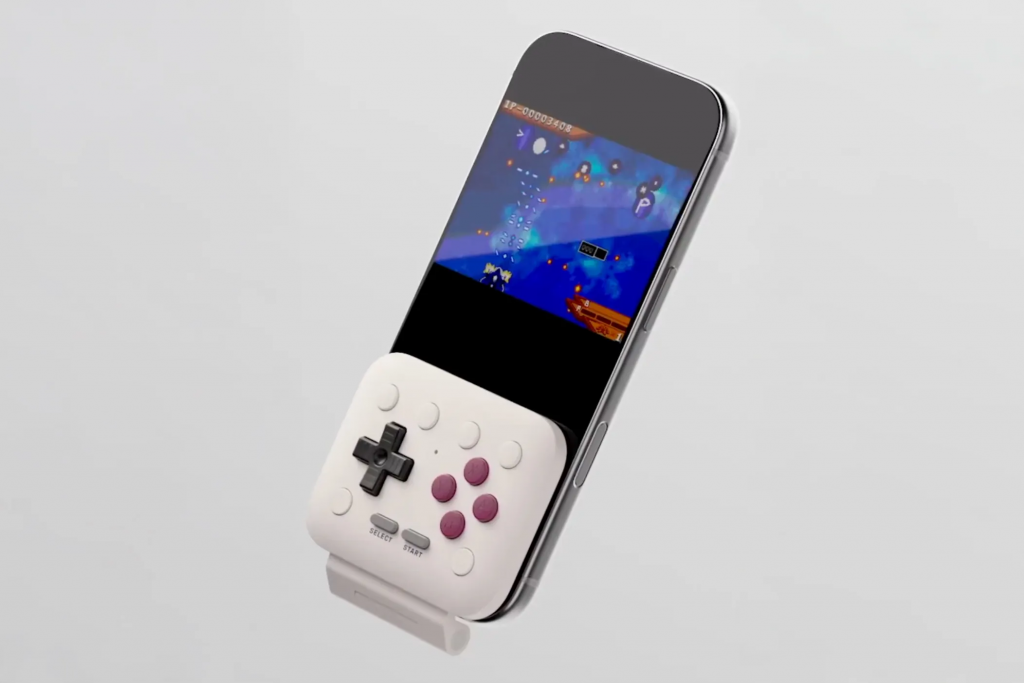
Across the show floor, physical input made a comeback in a big way, particularly for mobile gaming. The most compelling example was the 8BitDo FlipPad, a controller that attaches directly to your phone and flips open into a portrait-oriented gamepad. It looks nostalgic at first glance, but the design is surprisingly forward-thinking.
Instead of forcing mobile games into landscape mode, the FlipPad embraces how people actually hold their phones. The result is gameplay that feels intentional rather than improvised. Physical buttons provide immediate feedback, USB-C connectivity eliminates Bluetooth lag, and muscle memory kicks in almost instantly.
This isn’t about retro aesthetics. It’s about acknowledging that mobile gaming has matured into a serious platform. CES 2026 treated it that way, and accessories like this finally give mobile games the controls they deserve.
Charging stops being annoying and starts making sense
Charging is one of the least glamorous parts of modern tech, which is exactly why it’s overdue for thoughtful design. CES 2026 didn’t bring miracle batteries, but it did deliver something arguably more important: charging setups that respect how people actually use devices.
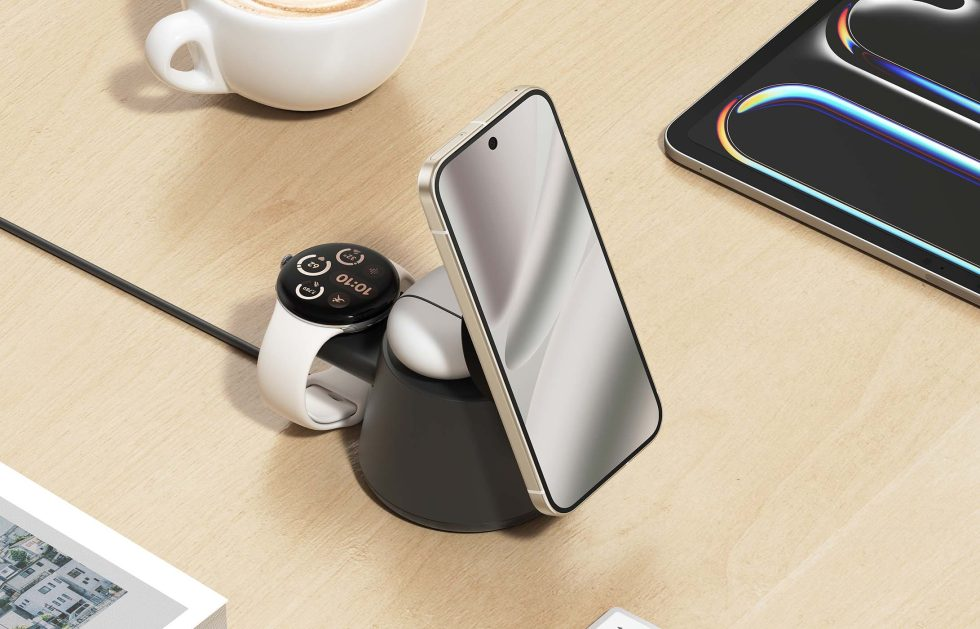
Belkin’s modular Qi2 charging dock was one of the quiet standouts of the show. Instead of locking users into a single ecosystem, it embraces the reality of mixed-device households. Phones magnetically snap into place using Qi2. Watches charge using whatever puck you already own, whether it’s Apple Watch, Galaxy Watch, or Pixel Watch. Earbuds get their own space. Cables are hidden rather than celebrated.
The result isn’t flashy, but it’s deeply satisfying. Charging becomes calm, predictable, and adaptable instead of messy and frustrating. This is the direction premium accessories are heading in 2026: fewer compromises, less clutter, and designs that quietly disappear into daily routines.
The stylus grows up and becomes genuinely useful
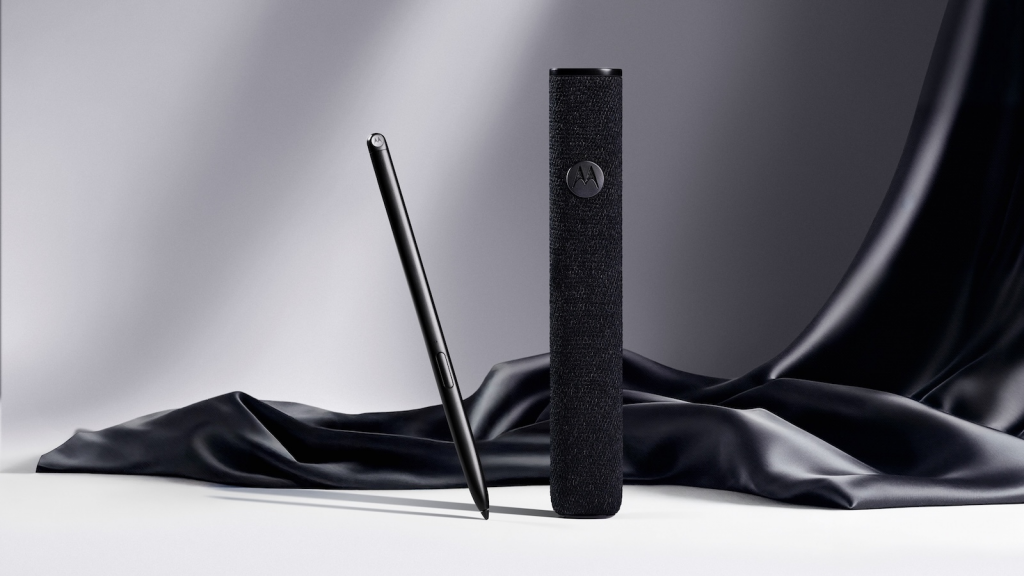
Styluses have hovered on the edge of relevance for years. Powerful, yes. Essential, rarely. CES 2026 marked a turning point.
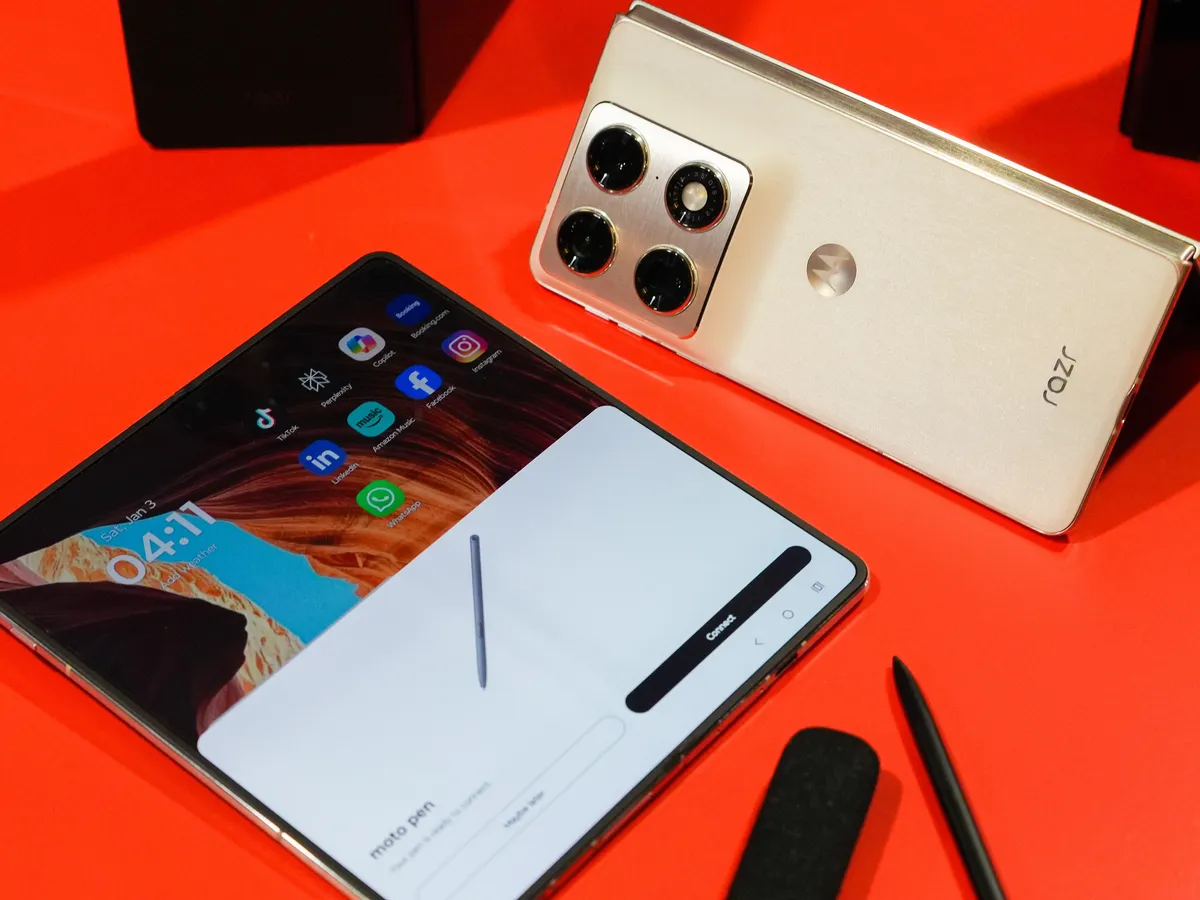
Motorola’s Moto Pen Ultra shows what happens when stylus hardware is paired with software that understands modern workflows. Designed to complement foldable phones, the pen supports pressure sensitivity, tilt detection, and reliable palm rejection, but the real appeal lies in how quickly it lets you act on ideas.
Short interactions matter. Jotting a note. Sketching a concept. Circling an object on screen to search it instantly. These moments don’t belong on a keyboard. The Moto Pen Ultra turns them into frictionless actions rather than deliberate tasks.
At CES 2026, styluses stopped feeling like niche tools for artists and started looking like fast-input devices for thinking. That’s a meaningful shift.
Trackers get smarter by lasting longer
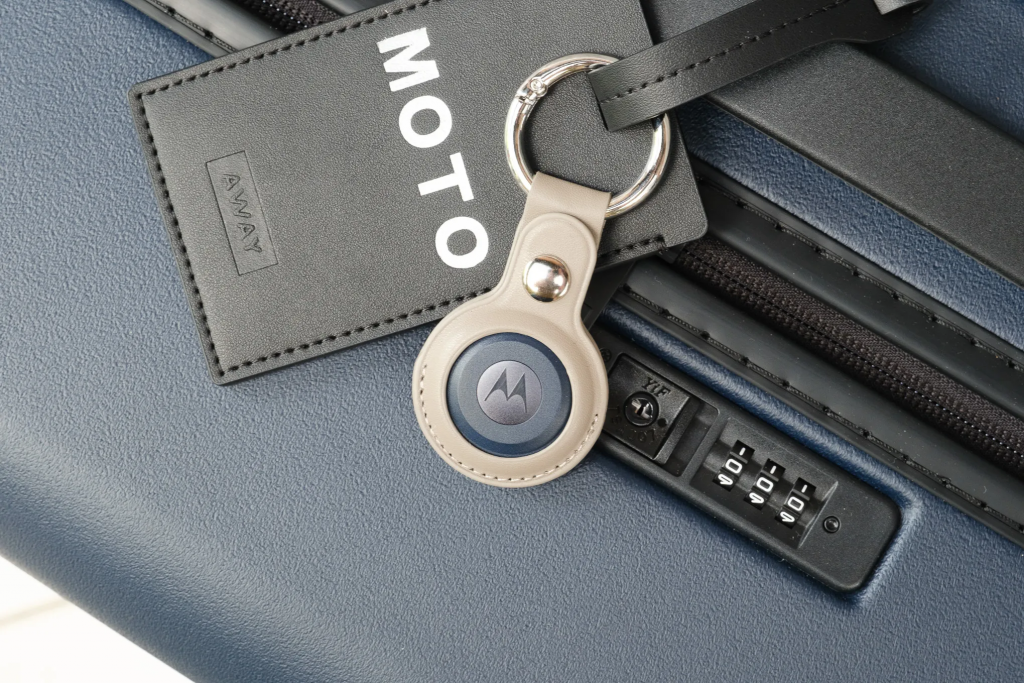
Location trackers became popular fast, then annoyed users just as quickly with constant battery replacements. CES 2026 showed a clear pivot away from that frustration.
Motorola’s Moto Tag 2 doesn’t try to reinvent tracking. Instead, it focuses on longevity and reliability. With battery life measured in years rather than months, it becomes something you trust instead of manage. Ultra-wideband precision improves accuracy, while thoughtful extras like ringing your phone even when it’s on silent make it genuinely useful day to day.
The best accessories in 2026 share a common trait: they fade into the background. The Moto Tag 2 embodies that idea perfectly.
Wearables rediscover endurance as a premium feature
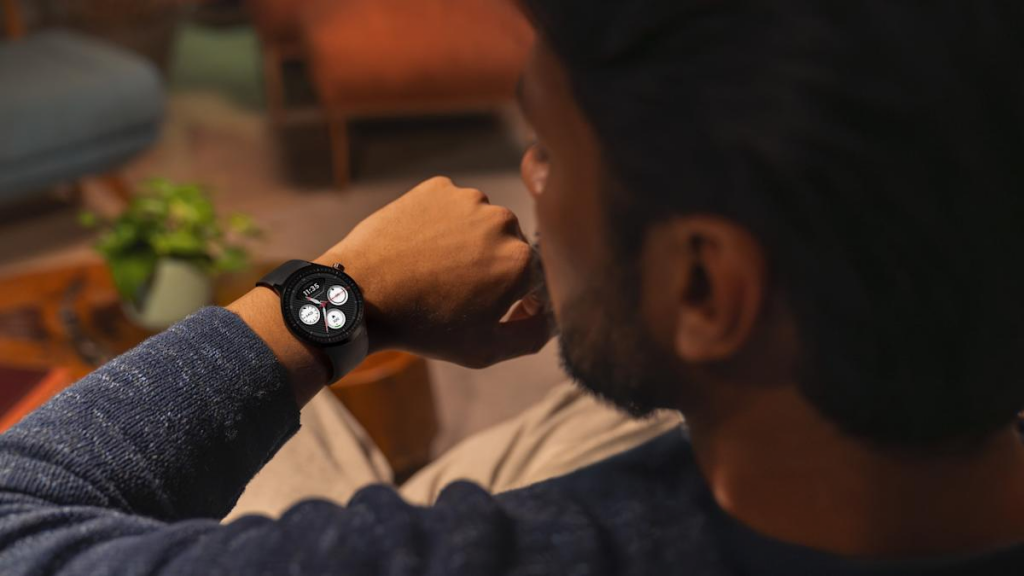
Smartwatches have become incredibly capable, but battery life has remained their biggest flaw. CES 2026 pushed back against the assumption that daily charging is inevitable.
Motorola’s Moto Watch 2026 Edition takes a different approach. Instead of chasing app overload, it prioritizes endurance. With battery life stretching close to two weeks, it transforms how a smartwatch fits into your life. Sleep tracking works without nightly charging rituals. Fitness tracking feels continuous rather than conditional. Notifications don’t come with battery anxiety attached.
In a market obsessed with performance, CES 2026 quietly reminded us that longevity is one of the most luxurious features a wearable can offer.
AR accessories move closer to real-world usability
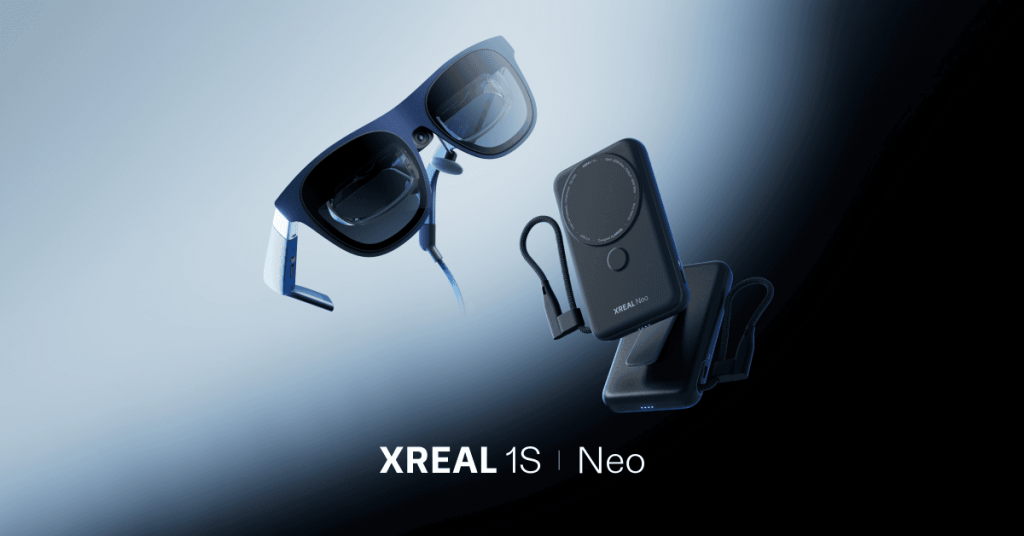
Augmented reality has spent years dazzling people in demos while struggling in everyday use. CES 2026 didn’t solve AR, but it did address one of its biggest pain points: portability.
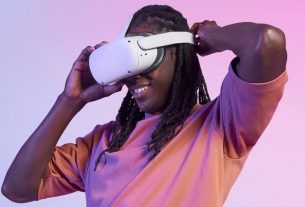
Xreal’s Neo accessory combines battery power, video output, and thoughtful physical design into a single mobile unit. By handling power and connectivity in one compact device, it removes much of the friction that has held AR back. Pair it with AR glasses and a smartphone, and suddenly the experience feels less like a tech experiment and more like something you could realistically take on the road.
This kind of accessory matters because AR adoption won’t be driven by headsets alone. It will be driven by ecosystems that make spatial computing easy to power, connect, and carry.
Mobile input gets serious beyond gaming
Controllers weren’t the only physical accessories making waves at CES 2026. Across the show floor, there was a noticeable focus on grips, triggers, adaptive controls, and hybrid input devices designed for longer, more comfortable sessions.
The trend reflects a broader shift. Phones are no longer treated as secondary gaming or productivity devices. They are primary platforms, and people want control that matches that status. Physical interaction isn’t a step backward: it’s a recognition that touchscreens alone can’t do everything well.
The bigger shifts shaping mobile accessories in 2026
CES 2026 wasn’t just about individual products. It revealed how the accessory ecosystem is maturing.
Accessories are increasingly focused on experience rather than raw specifications. Faster charging matters less than cleaner setups. Higher performance matters less than how quietly and reliably a device fits into daily life.
Ecosystem flexibility is winning over brand lock-in. Accessories that work across platforms are no longer exceptions: they’re becoming the expectation.
Physical interaction is enjoying a genuine resurgence. Buttons, pens, wheels, and triggers are returning because they solve real problems, not because of nostalgia.
Longevity has become the new luxury. Battery life, durability, and long-term usability define premium accessories more than flashy features ever could.
What’s worth buying now, and what to watch next
CES is famous for concepts that never ship, but many of the accessories shown this year feel locked in for real-world release. Modular chargers, physical gaming controllers, long-battery wearables, and ultra-low-maintenance trackers all feel like safe bets for 2026.
Meanwhile, AR power accessories, stylus-driven productivity tools, and hybrid phone-console inputs are worth watching closely. They may not be mainstream yet, but CES 2026 showed they’re moving fast.
Final thoughts: the smartest phone upgrade may not be a phone
CES 2026 delivered a simple but powerful message. Innovation doesn’t always happen inside the smartphone.
It happens around it.
The most compelling mobile accessories this year didn’t try to replace phones. They made them better. They reduced friction, restored physical interaction, extended battery life, and respected how people actually live.