



25 recovery gadgets and essentials that will actually improve your performance
From a £2,999 Wattbike to a £29 foam roller, this is the kit that turns hard sessions into steady progress.
Training gets the credit, but recovery does the building. Sleep, soreness, fuel and a clear read on your body decide whether next week’s session beats this week’s, and the right gadget can nudge all four. We have pulled together 25 products across trackers, massage tools, heat and compression, sleep aids and nutrition, with prices running from an £8.99 tube of electrolyte tablets to a pro-grade bike. Not everything here is essential, and we say so where it is not. Treat it as a menu rather than a shopping list, and fix your weakest link first.
Wattbike Air-Pro
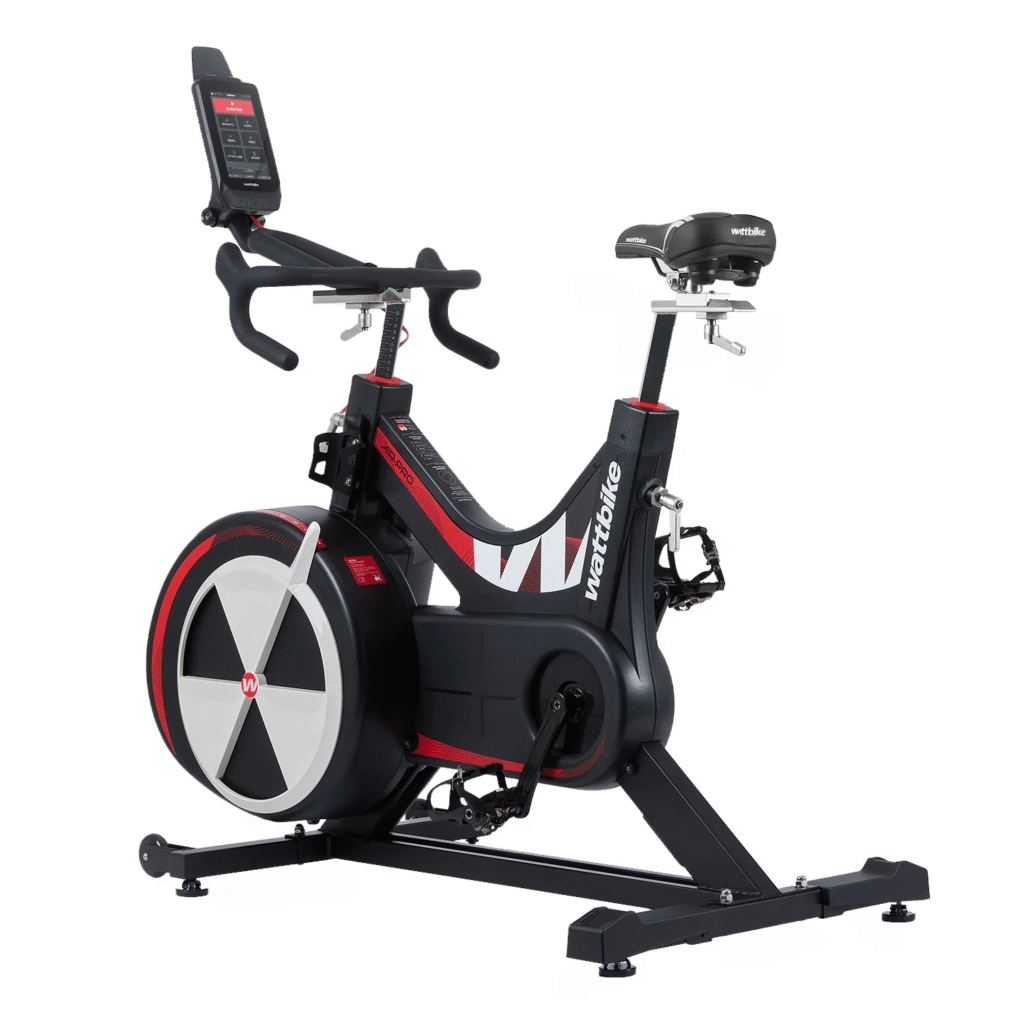
Hard efforts feel honest on this bike. Dual air and magnetic resistance responds instantly, whether you are grinding an endurance block or throwing yourself at sprint intervals. The 7-inch backlit touchscreen shows live power, standard gearing tops out at 2,500W (far more than most of us will ever produce), and the free Wattbike Hub app connects over Bluetooth, with ANT+ for third-party apps. It is self-powered and built like a tank. It also works for recovery spins, because the air resistance lets you keep the effort as gentle as you like. A serious spend for a serious bike.
£2,999 RRP, Wattbike
Tanita RD-953 Body Composition Monitor
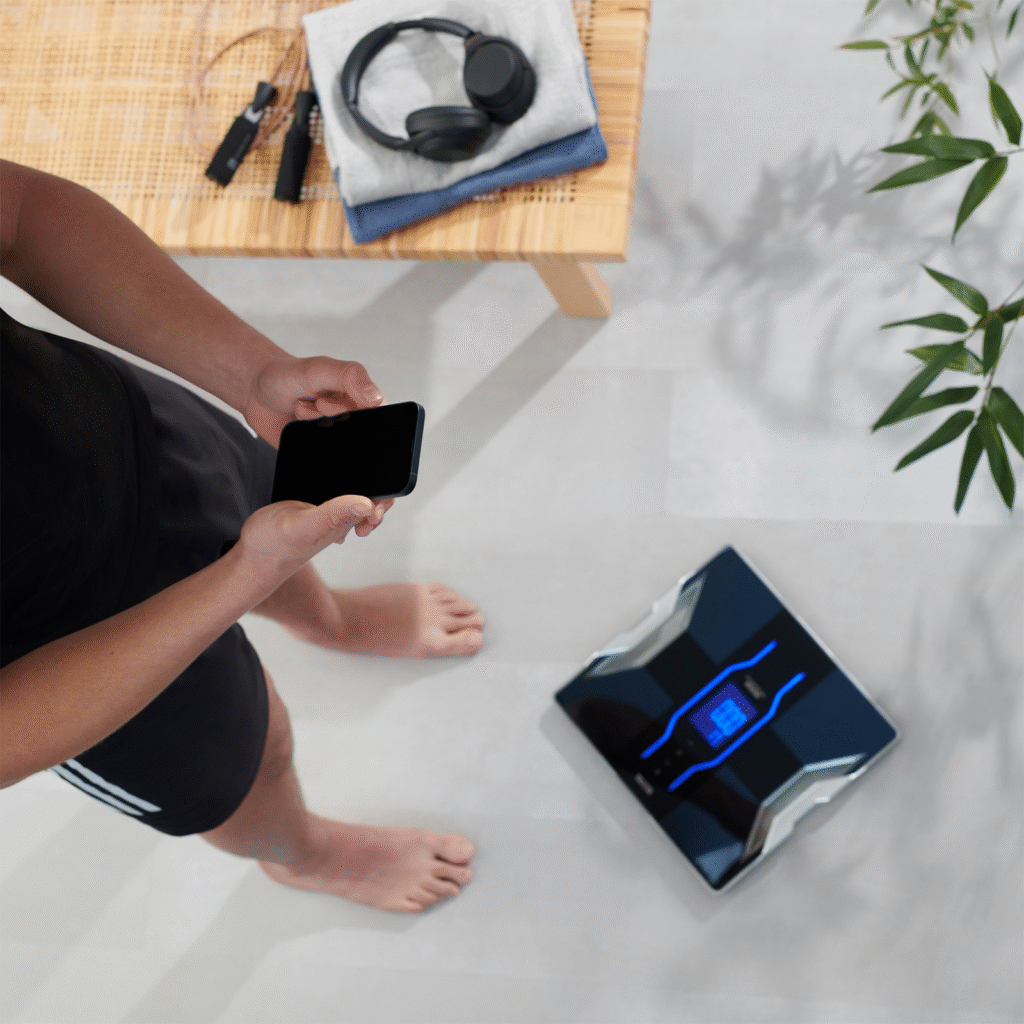
Weight alone tells half the story, so this scale reads the rest. Dual-frequency bioelectrical impedance delivers more than ten measurements, including body fat, muscle mass, water content and a muscle quality score that hints at whether your strength work is paying off. It reads to 50g, handles up to 200kg and syncs with the My Tanita app and Apple Health. Weigh at the same time each morning, ideally before breakfast, and watch the trend rather than the single number. Muscle quality moves slowly, so give it a month.
£179 RRP, with offers from around £134 (approx.), Tanita UK
Hume Pod 2.0
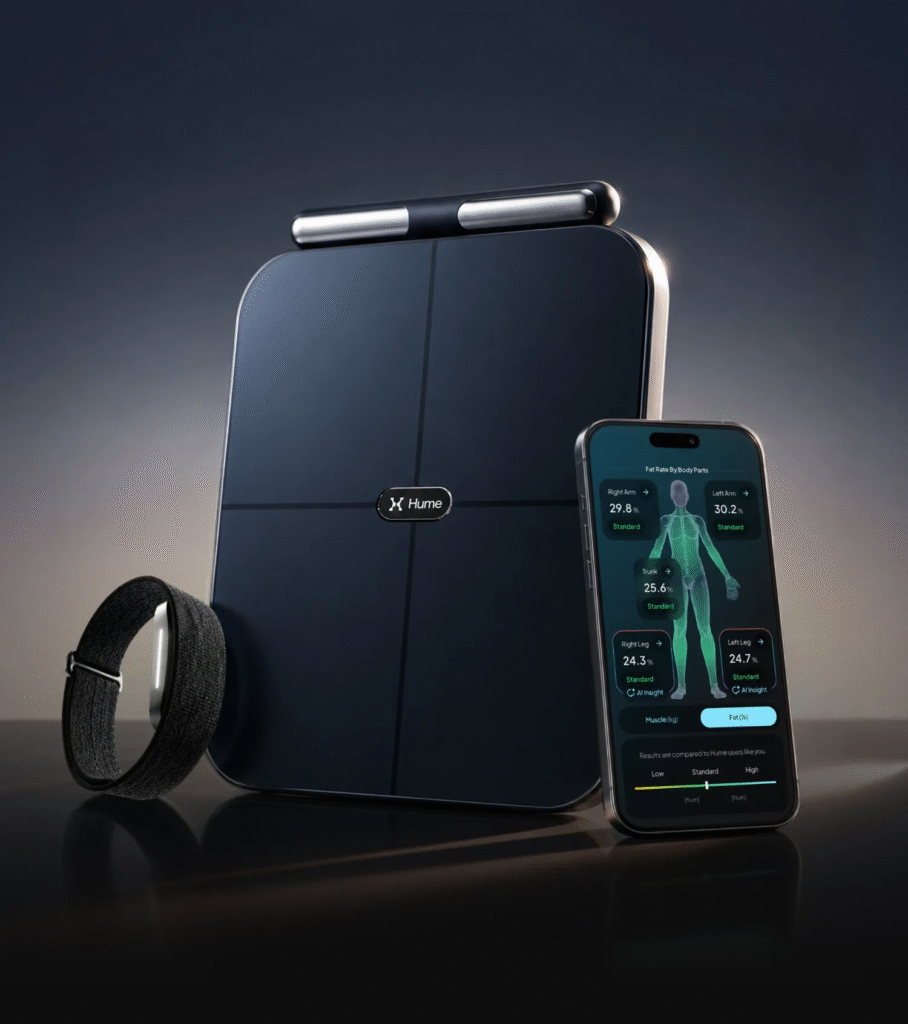
Data lovers will happily lose weeks to this one. Stand on the plates, grip the handles, and eight-frequency sensors report 45 body composition metrics, with arms, legs and trunk measured separately. A 3D body scan sits alongside in the app. Hume claims 99 per cent body-fat accuracy against a DEXA scan, which is a brand claim and worth treating with caution. We rate it for trends rather than single readings. If daily weigh-ins make you anxious, skip it.
$249, Hume Health
Wearables that read your recovery
Five ways to read your body so you can plan your days, from a titanium ring and a strap with no subscription to a sensor that tracks your core temperature. None will make you fitter alone, but each can stop you training hard on a day your body has asked for a break.
Oura Ring 5
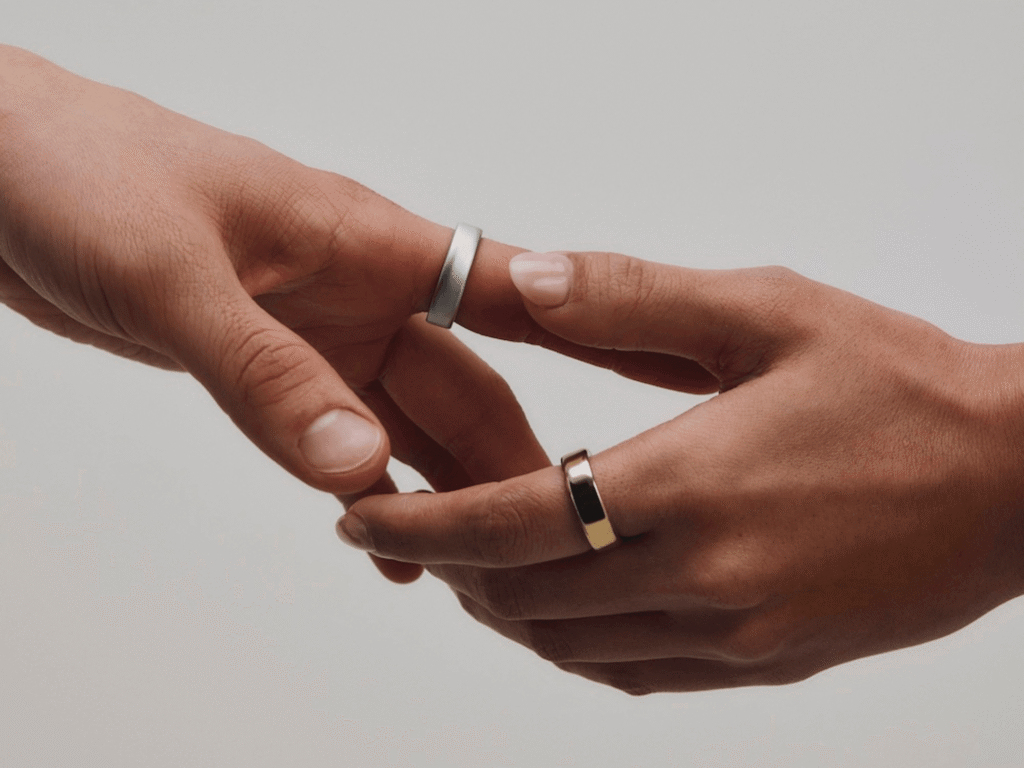
Your sleep gets monitored overnight without a screen glowing on your wrist. The titanium Ring 5 tracks more than 50 metrics, including sleep stages, heart rate variability and temperature trends, then boils everything into a daily readiness score. Battery lasts about a week, and it is waterproof to 100 metres. Order the sizing kit first, because the Ring 5 fits differently from the Ring 4, and budget for the £5.99 monthly membership that unlocks most of the insights.
£399 for silver or black, £499 for other finishes, Oura
WHOOP
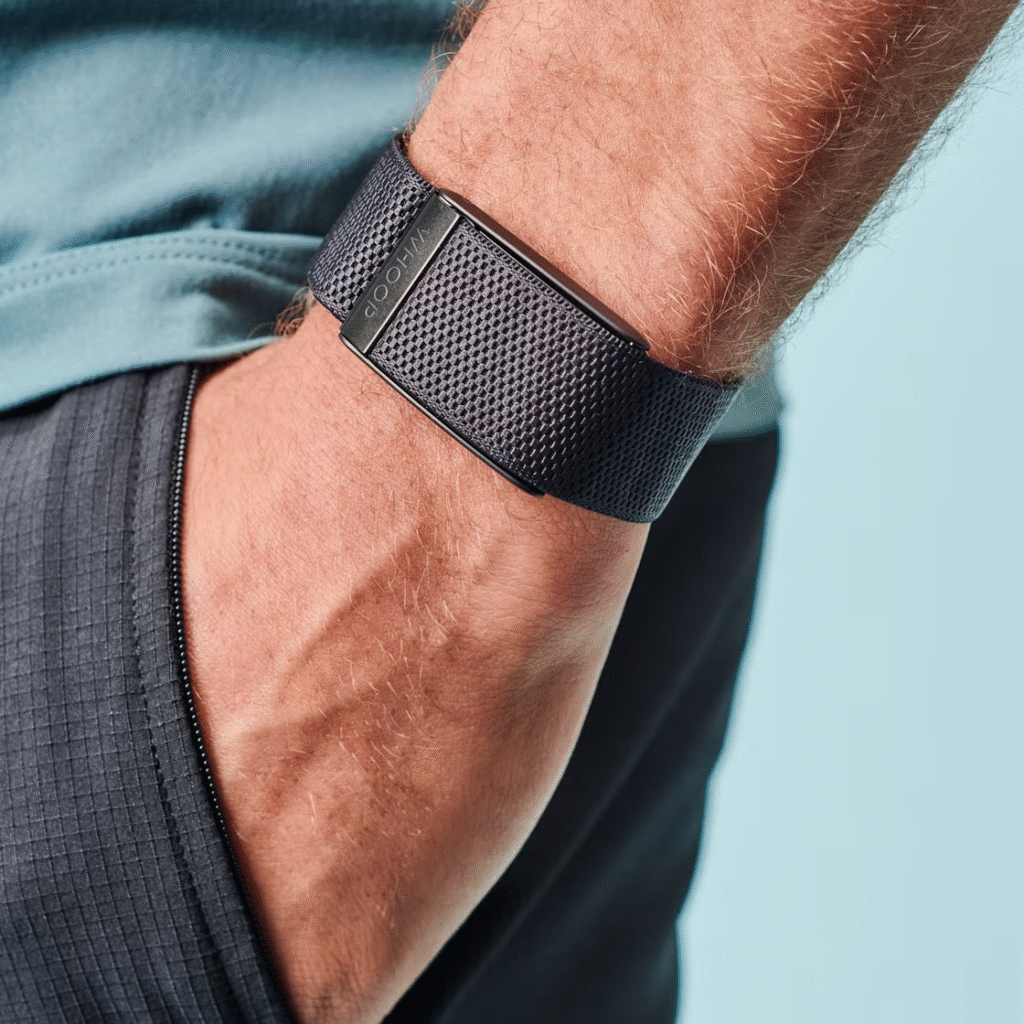
A strap with no screen and no distractions, built to read strain, recovery and sleep around the clock. WHOOP sells a membership rather than a gadget, so the band arrives as part of the deal, and a 12-month WHOOP One plan has been sitting around £169 on Amazon UK. Battery stretches beyond 14 days, and the coaching nudges tell you when to push and when to ease off. Cancel the membership and the band stops working, so think of it as a subscription with a free wearable attached.
Approx. £169 for 12 months, Amazon UK
Garmin Index Sleep Monitor
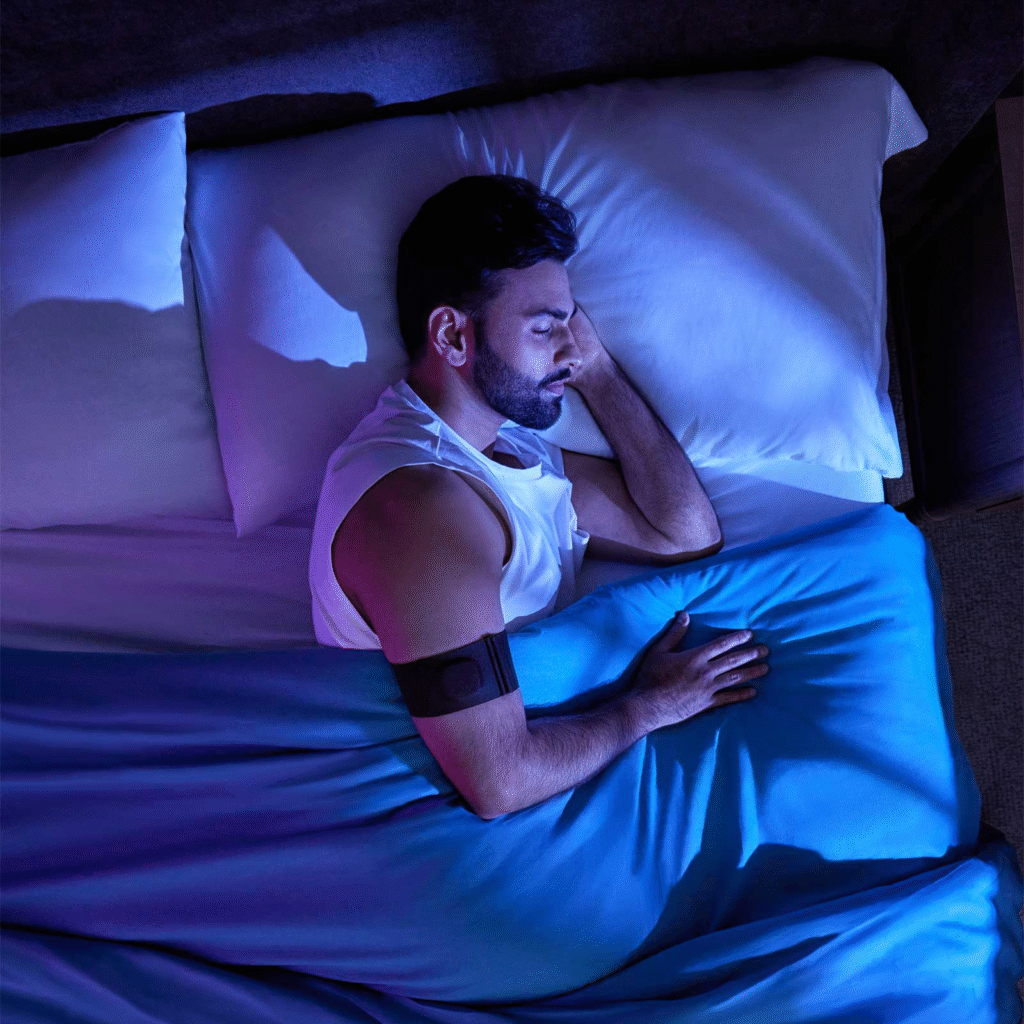
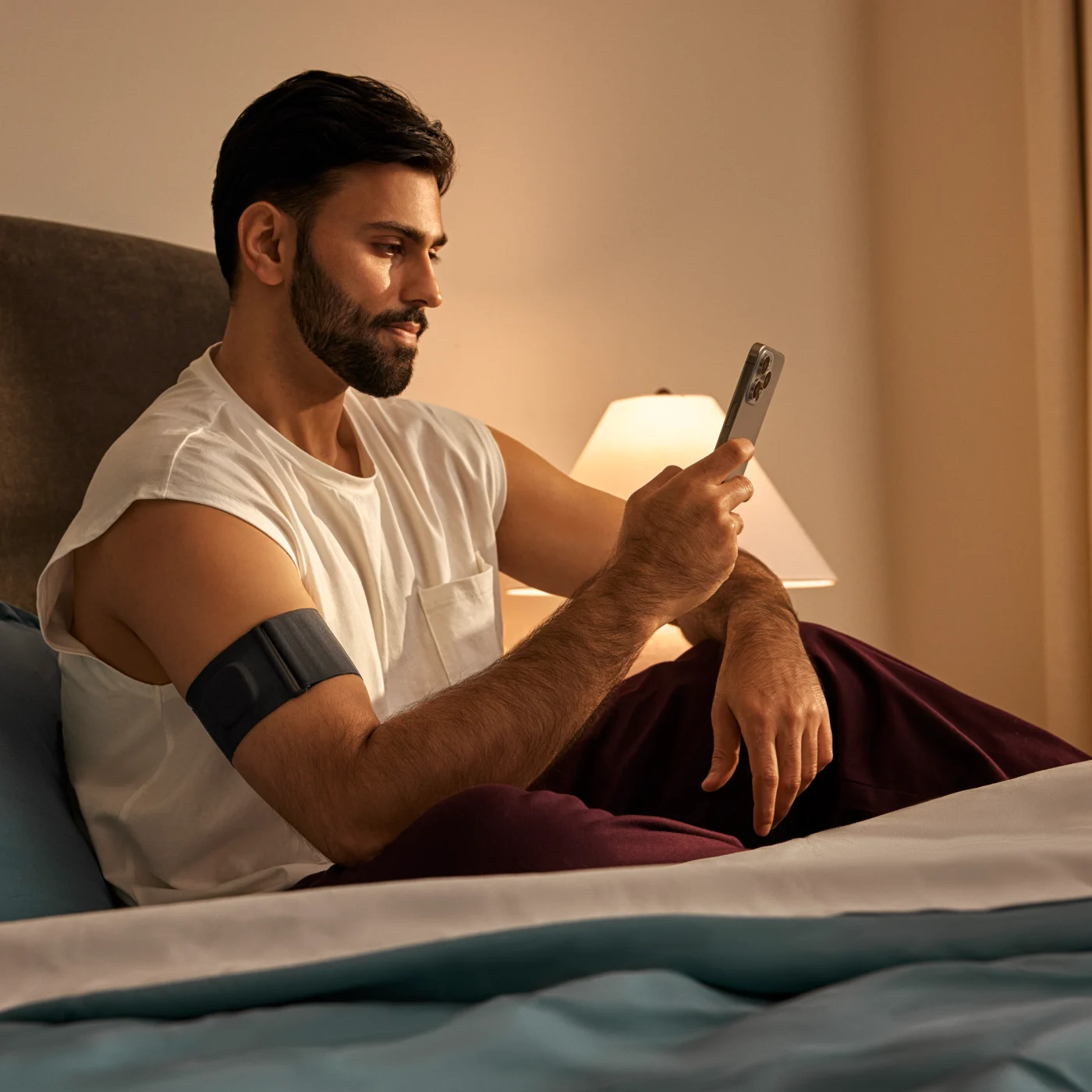
Nights are all this upper-arm band cares about. At 20g, it logs sleep stages, heart rate variability, skin temperature and pulse ox, then sends a morning score to the free Garmin Connect app. Up to seven nights pass between charges, a smart alarm wakes you in a lighter sleep stage, and the fabric band can be washed once you pop the module out. Pick it if you already wear a Garmin watch by day and want something comfier in bed.
£149.99, John Lewis
Amazfit Helio Strap
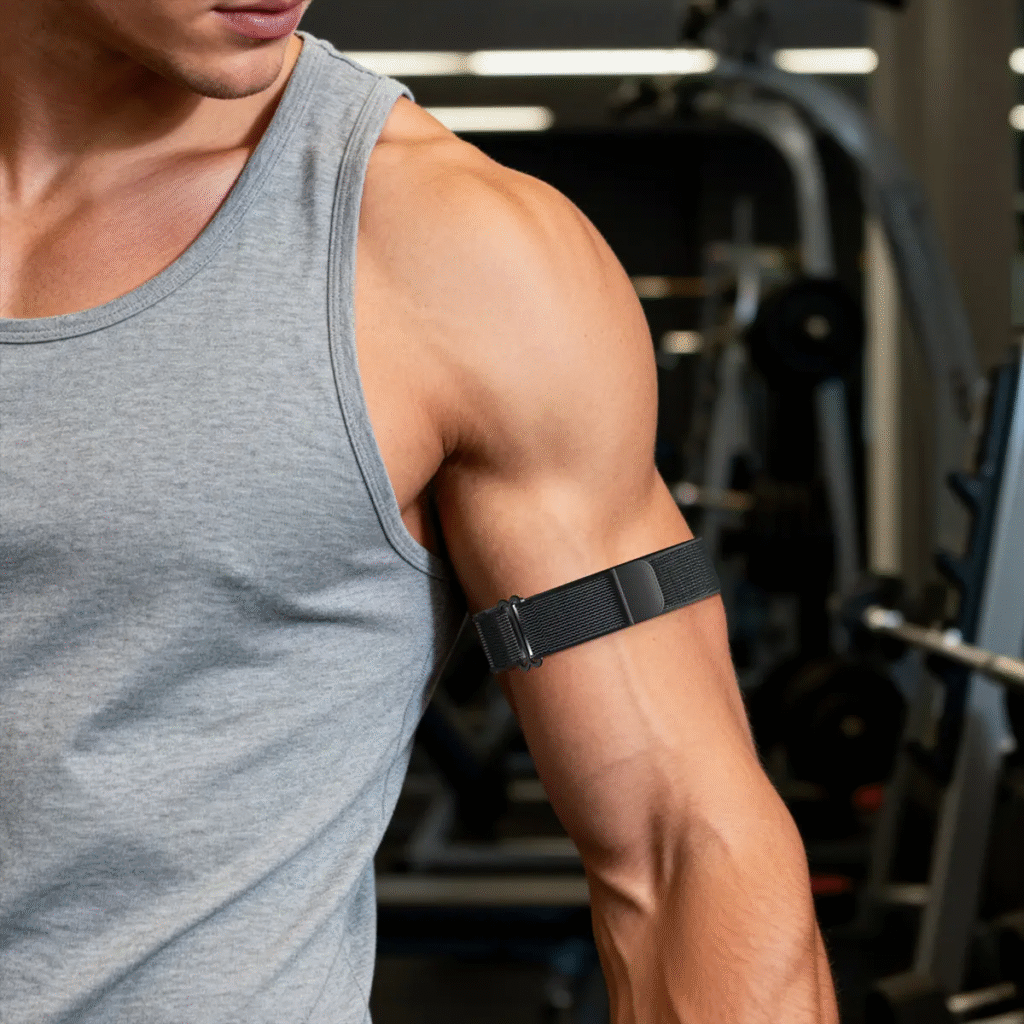
Proof that recovery tracking does not need a monthly fee. This screenless 20g strap runs up to 10 days on a charge, resists water to 5 ATM, and sits on the wrist or, with the £14.90 armband, on the upper arm. It broadcasts live heart rate to compatible watches and gym equipment, and no subscription is required. It is the budget way into data-led recovery and a sensible first purchase if you are not sure you will stick with a tracker.
£99.90, Amazfit
CORE 2 Thermal Sensor
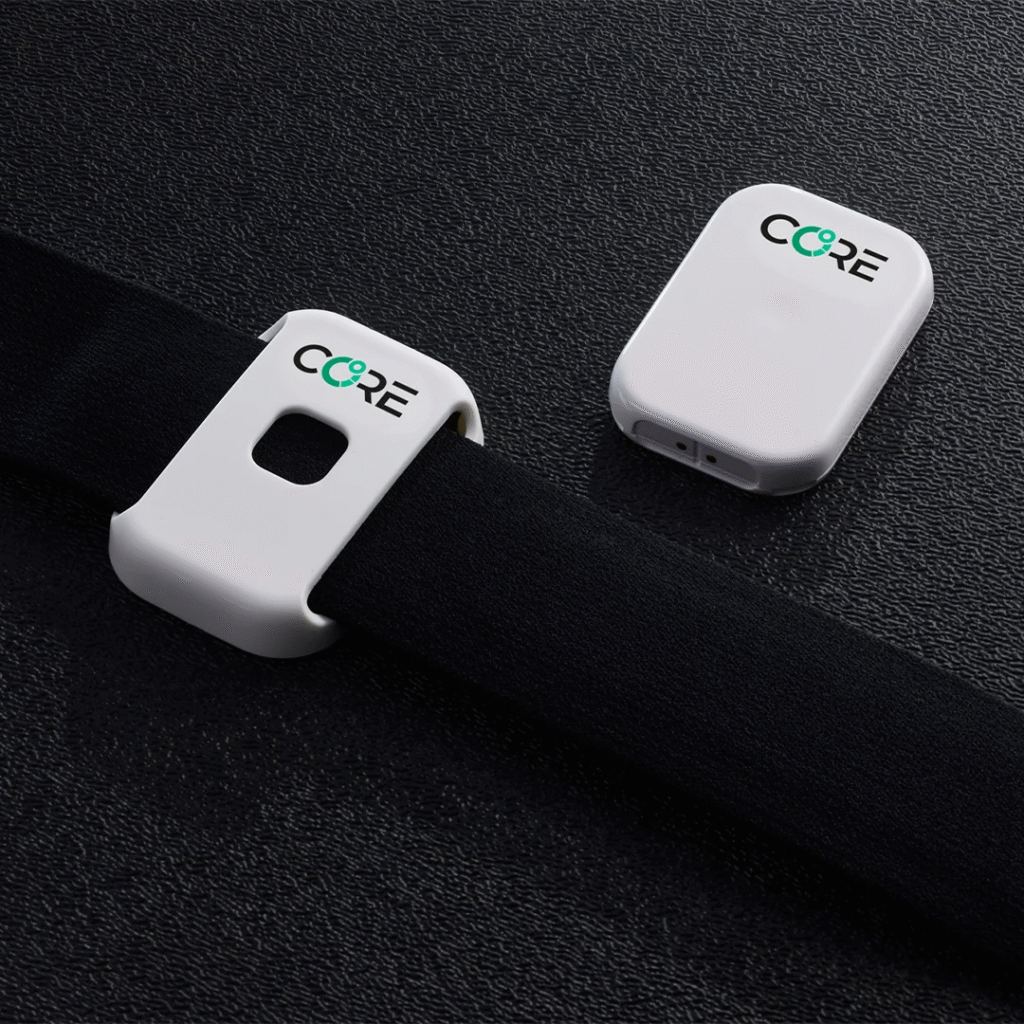
Heart rate tells you how hard you are working. Core temperature tells you how hot you are running, and in a stuffy gym or a summer race that is often what ends the session first. This 45 x 33mm pod clips onto a heart-rate strap and estimates your core body temperature from heat flux and skin temperature, with no swallowed pill or probe involved. It streams live to the CORE app and to compatible Garmin and COROS watches, shrugs off sweat with an IPX7 rating, and builds a Heat Adaptation Score so you can see whether your heat training is actually landing. It is niche, and a lot of money for one number, but for cyclists, triathletes and anyone facing a hot race it fills a gap nothing else here covers.
£264.95, CORE
How to turn data into decisions
Trust trends, not single nights
One bad score means very little. Look at a seven-day average before changing your training, and ignore the number entirely if you feel brilliant.
Pick one source of truth
Wearing three trackers gives you three conflicting scores and a headache. Choose the one you will open each morning and stick with it for a month.
Let readiness change one thing
When your recovery dips, drop one variable, such as intensity or volume, rather than cancelling the week. Small adjustments keep the habit alive.
Hands-on relief
Sore muscles respond to pressure, vibration and patience. These five tools cover every budget and every body part.
Therabody Theragun Mini 3.0
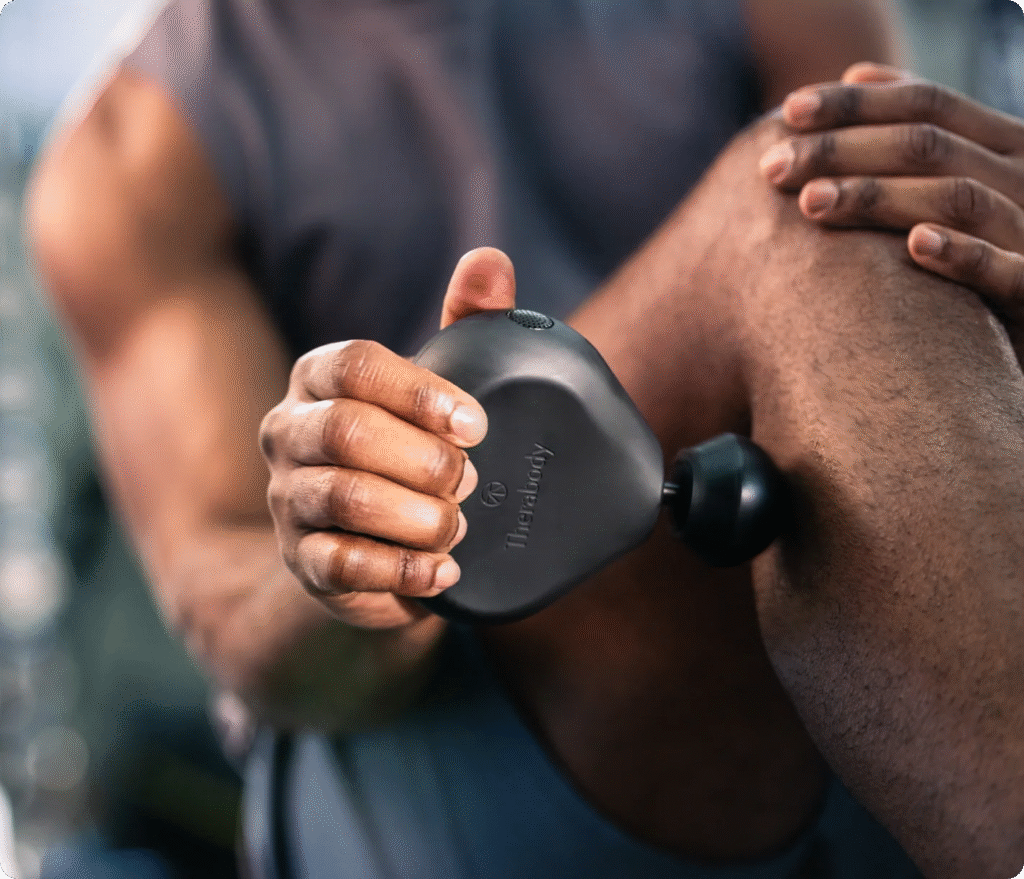
Small enough for a carry-on, strong enough to be taken seriously. At around 416g, the percussive head reaches quads, calves and shoulders with real conviction, and the Therabody app adds guided routines. Three attachments cover broad muscle and targeted knots. It is the one to buy if a full-size gun feels like overkill, or too noisy for a shared flat. Argos has listed it for £169, so shop around.
£175, John Lewis
LOLA Handheld Body Massager
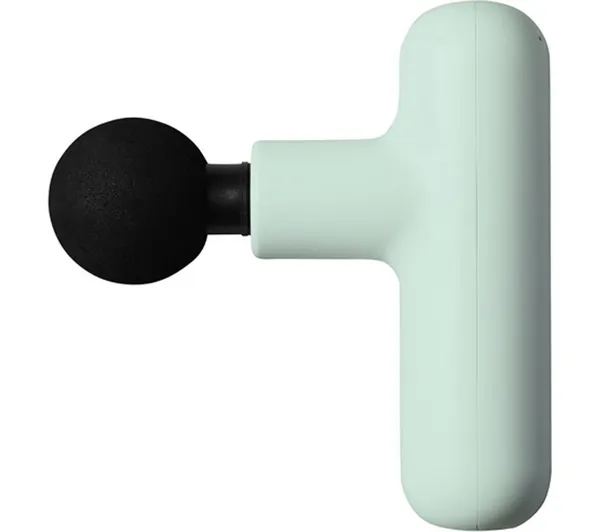
Under £35 for a proper massage gun is an easy yes. Four interchangeable heads and up to 3,000 percussions per minute handle post-run calves and desk-day shoulders, while up to 33lbs of stall force keeps it from bogging down on stubborn muscle. Up to eight hours of battery carries you through a week of short sessions, USB-C charging is quick, and the 400g body slips into a locker or handbag. The 2-year guarantee is a nice extra. It will not match a premium gun for refinement, but the price covers the difference.
£34.95 (was £79.99), Currys
Chirp RPM Mini
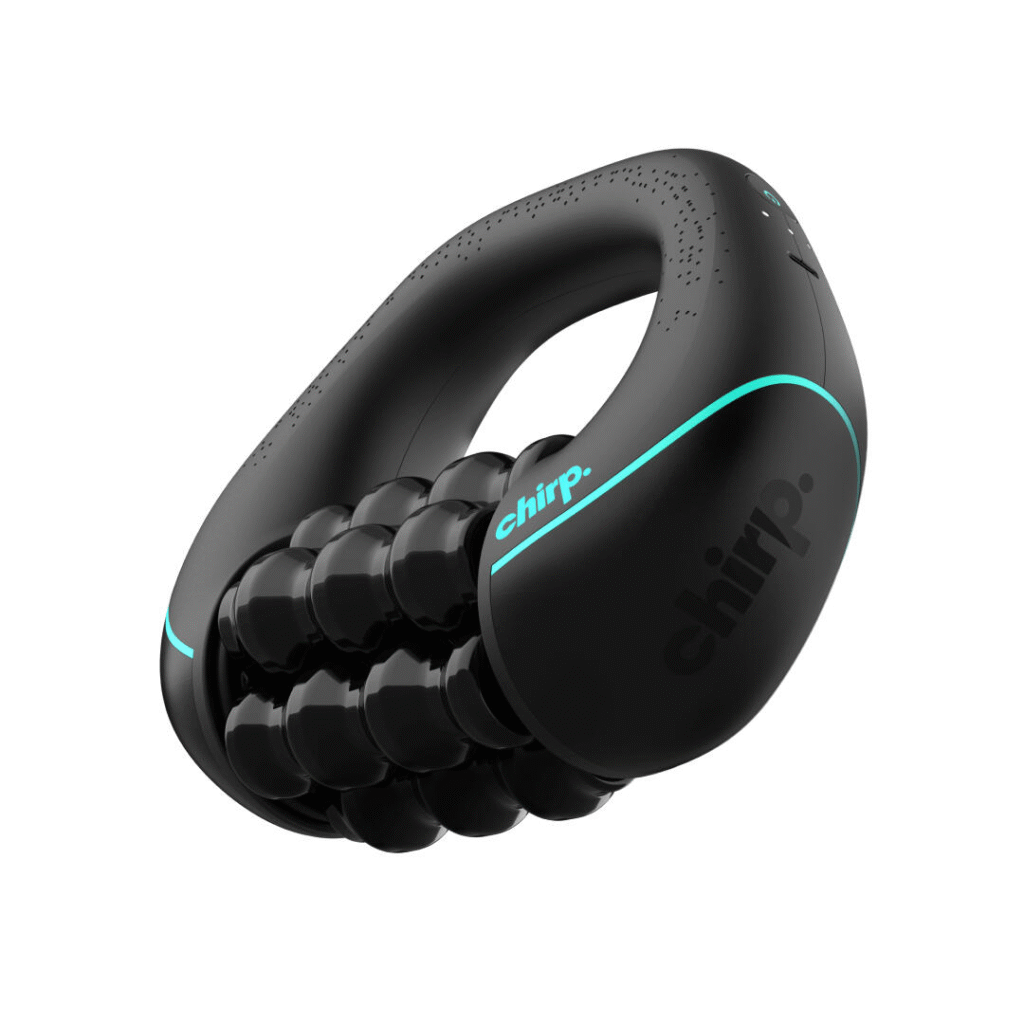
Part foam roller, part massage gun, and oddly addictive. Six free-rolling bars carry 24 massage nodes across your muscles at three speeds, from a gentle 130 RPM up to 285, so you get the glide of a roller with the kneading action of percussion. Battery lasts about two hours. It was designed for the upper body, though quads and forearms enjoy it too. It is gentler than a gun, which suits anyone who finds percussion harsh, and the travel case keeps it tidy. UK shoppers can find it for £139.99 at Holland & Barrett.
$149.99, Chirp
Chirp Halo Double Wireless Muscle Stim
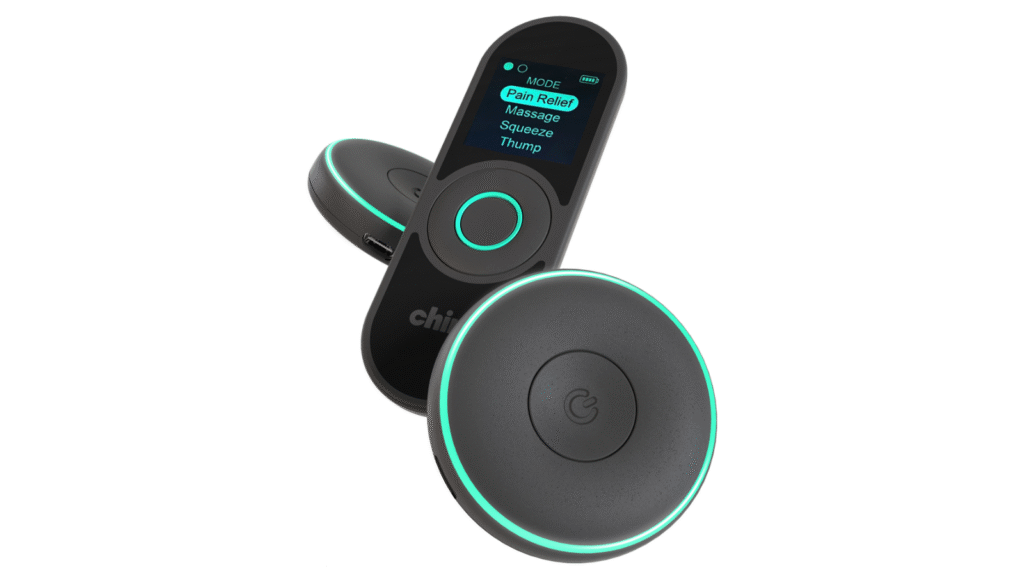
Electrical stimulation without the tangle of wires. Two small magnetic pucks, a remote and a charging case deliver TENS and EMS across six preset programmes and 50 intensity levels, and the app shows exactly where to place each pad. Up to six hours of battery covers plenty of sessions, and the pucks are small enough to wear under a hoodie at your desk. The charging case doubles as a travel pouch. Start on a low setting, because EMS contractions surprise first-timers, and check suitability first if you have a pacemaker or are pregnant.
$179.99, Chirp
TriggerPoint GRID Foam Roller
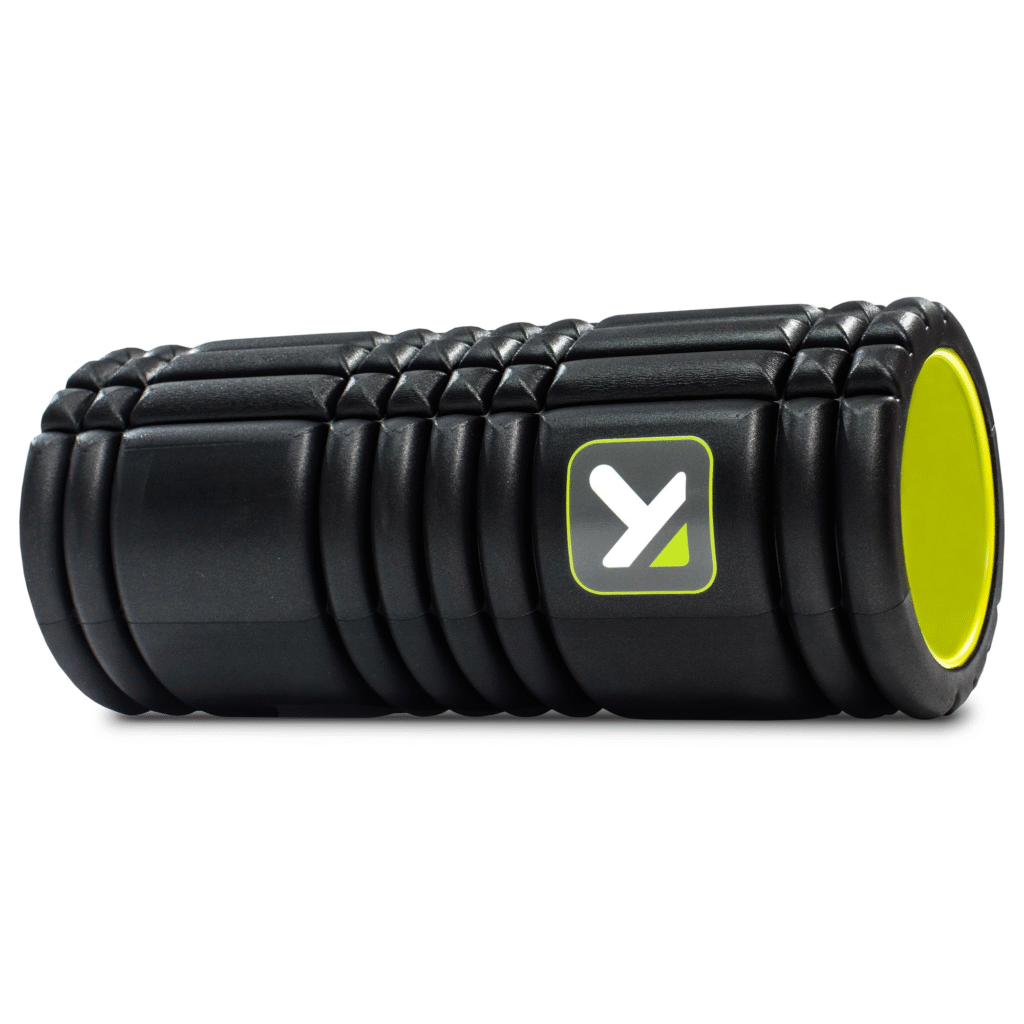
Not everything needs a battery. The 13-inch GRID has a multi-density surface and a hollow core, so you move from gentle pressure to a deep, pointed release just by changing how much body weight you lean into it. It is light, travels well, and costs less than a single sports massage. Ten minutes on the floor after a leg session does more than most of us expect. Every recovery kit needs one dull, reliable tool, and this is ours.
£29 (RRP £44), Simply Swim
Heat, squeeze and sit down
Passive recovery is underrated. These four let your body do the work while you do nothing at all.
Hyperice Normatec Lower Legs
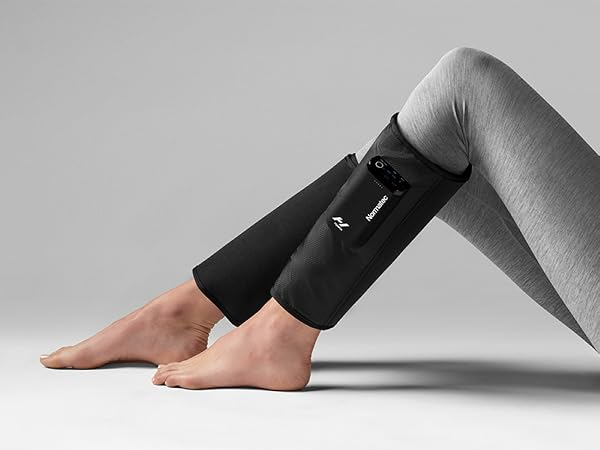
A rolling squeeze that feels like a very patient masseuse. Dynamic air compression wraps your calves in waves of pressure, and the Normatec Lower Legs (known as Normatec Go in the US) works as a portable pair of sleeves you can use on the sofa. It suits runners, cyclists and anyone who spends days on their feet. It launched at £429 and now costs far less, which makes it the most sensible way into compression. It only covers the calves, so full-leg users should look at the bigger boots.
£289, Hyperice UK
Revitive ProHealth Circulation Booster
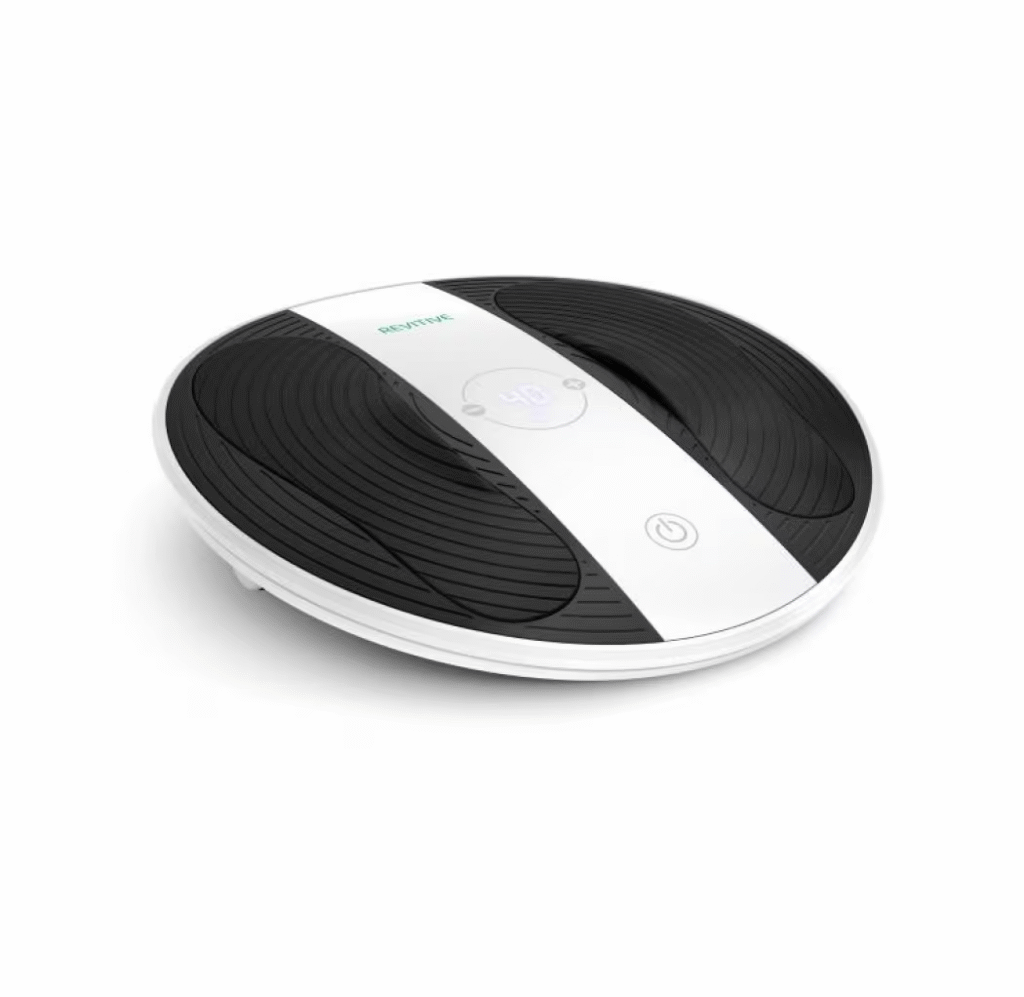
Slip your bare feet onto the pads and let electrical muscle stimulation do the rest. The ProHealth pairs OxyWave technology with an IsoRocker system that mimics heel-toe raises without any body weight, across 99 intensity levels, and a remote saves you bending down to adjust. It weighs 1.82kg and comes with a two-year guarantee. It is brilliant after a long flight or a day of standing, but not suitable with a pacemaker, deep vein thrombosis or during pregnancy.
£249, Euronics
HigherDOSE Infrared Sauna Blanket
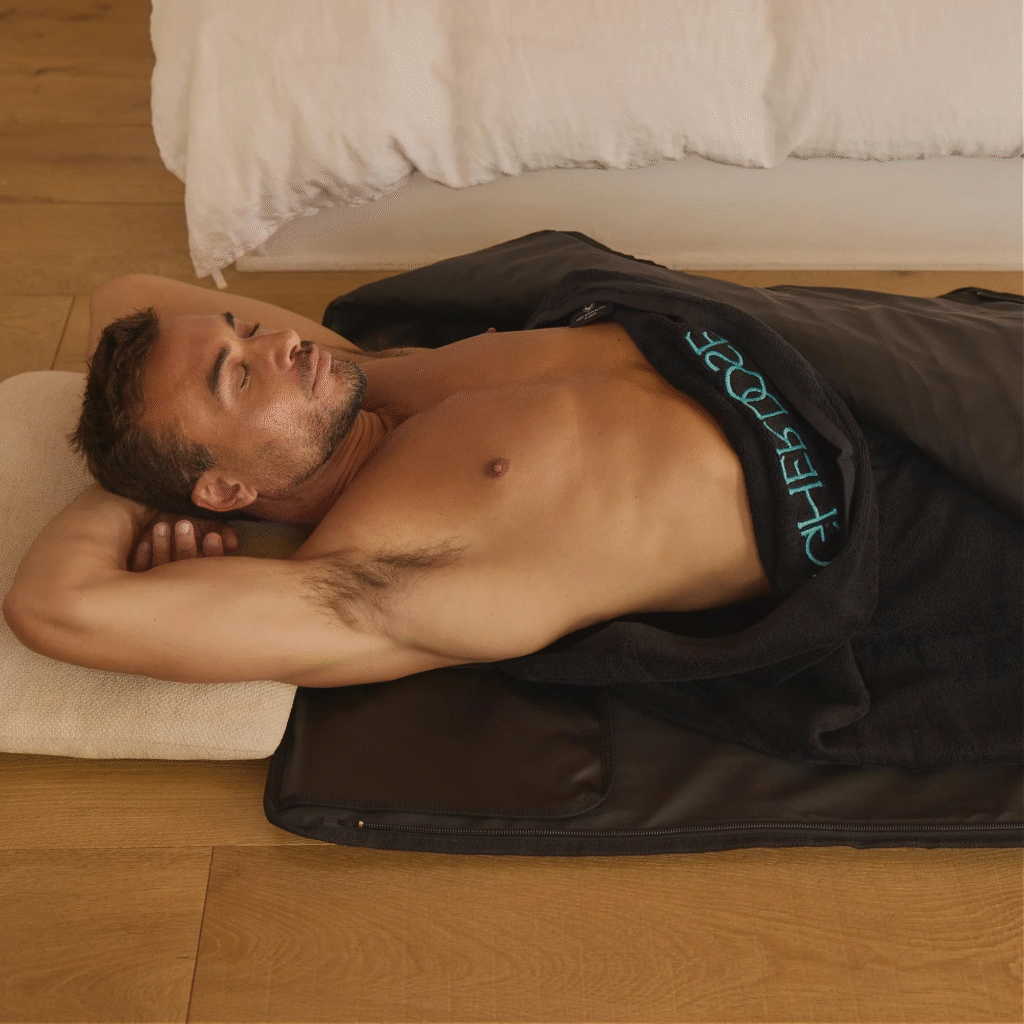
A sauna you can fold into a cupboard. Zip yourself in and far infrared heat, working through layers of amethyst, tourmaline and charcoal, warms you from the inside out. It measures 180 by 180cm unfolded, draws 350 to 420 watts, offers eight heat settings and a one-hour timer, and sessions run 30 to 45 minutes. Put a towel or the insert between you and the blanket. It is a proper splurge, so be honest about whether you will lie in it twice a week.
£699, Cult Beauty
OOFOS OOahh Slide
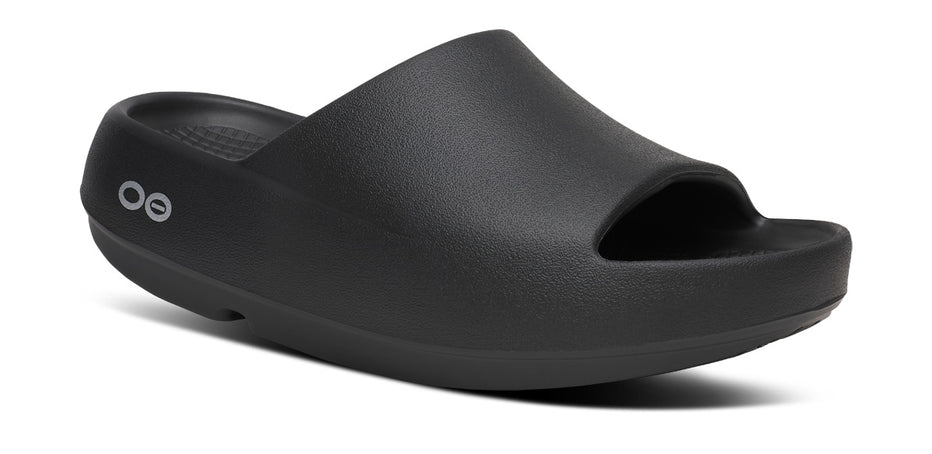
The simplest recovery tool here lives by your front door. These slides weigh around 340g a pair and use OOfoam, which OOFOS says absorbs 37 per cent more impact than standard foam, so your feet land softly after a long run or a day on hard floors. They dry fast, wash easily, and the contoured footbed feels strange for ten minutes and wonderful afterwards. Wear them post-workout and all evening, and keep a second pair by the gym door.
£55, Up & Running
Sleep like it is part of the programme
Nothing you buy will beat a proper night, so these four make the case for getting one.
Ozlo Sleepbuds
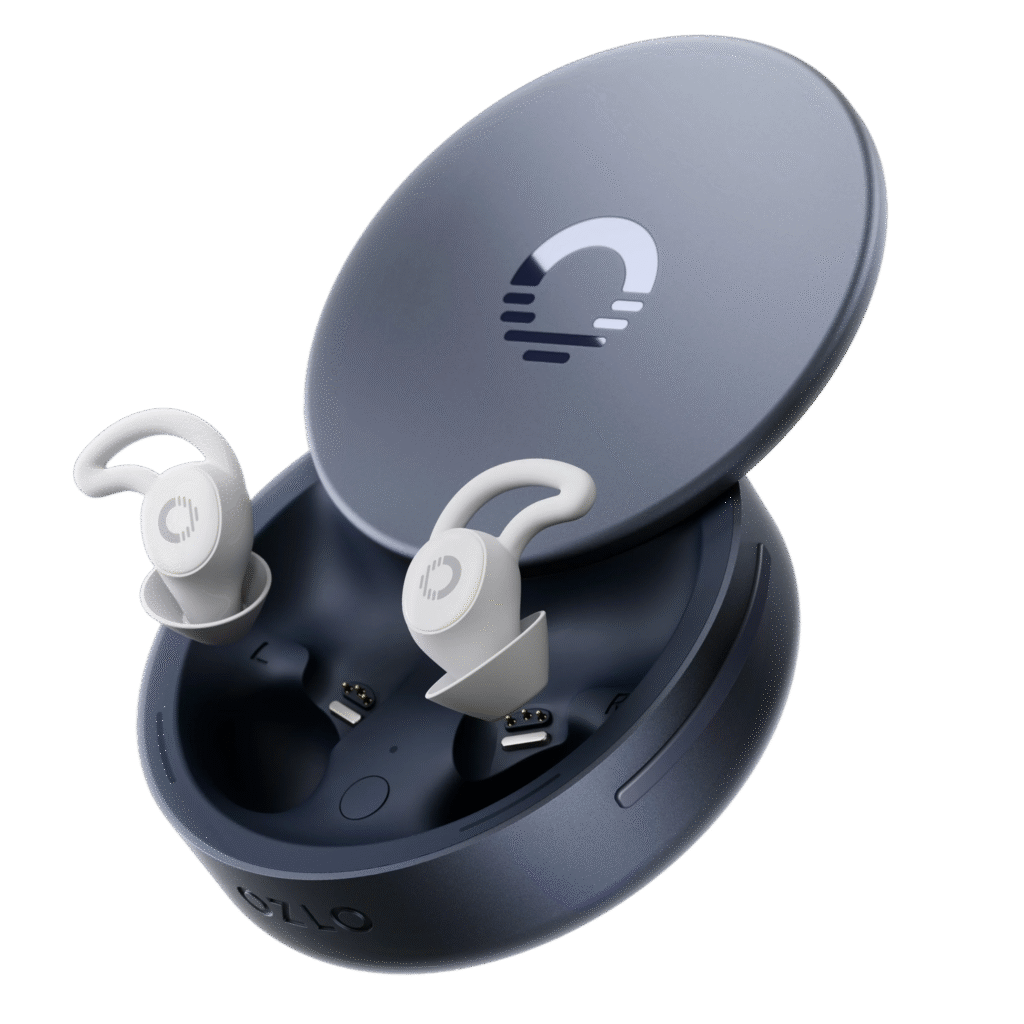
Earbuds you can actually sleep on. These tiny buds mask snoring partners and city noise with soothing sounds, last up to 10 hours per charge with 32 hours in the case, and sit flat enough for side sleepers. Bluetooth 5.3 streams your own audio, a built-in alarm wakes only you, and basic sleep tracking comes included. They are expensive for earbuds and the price will make you wince, but nothing helps a light sleeper more.
£299, Healf
Hatch Restore 3
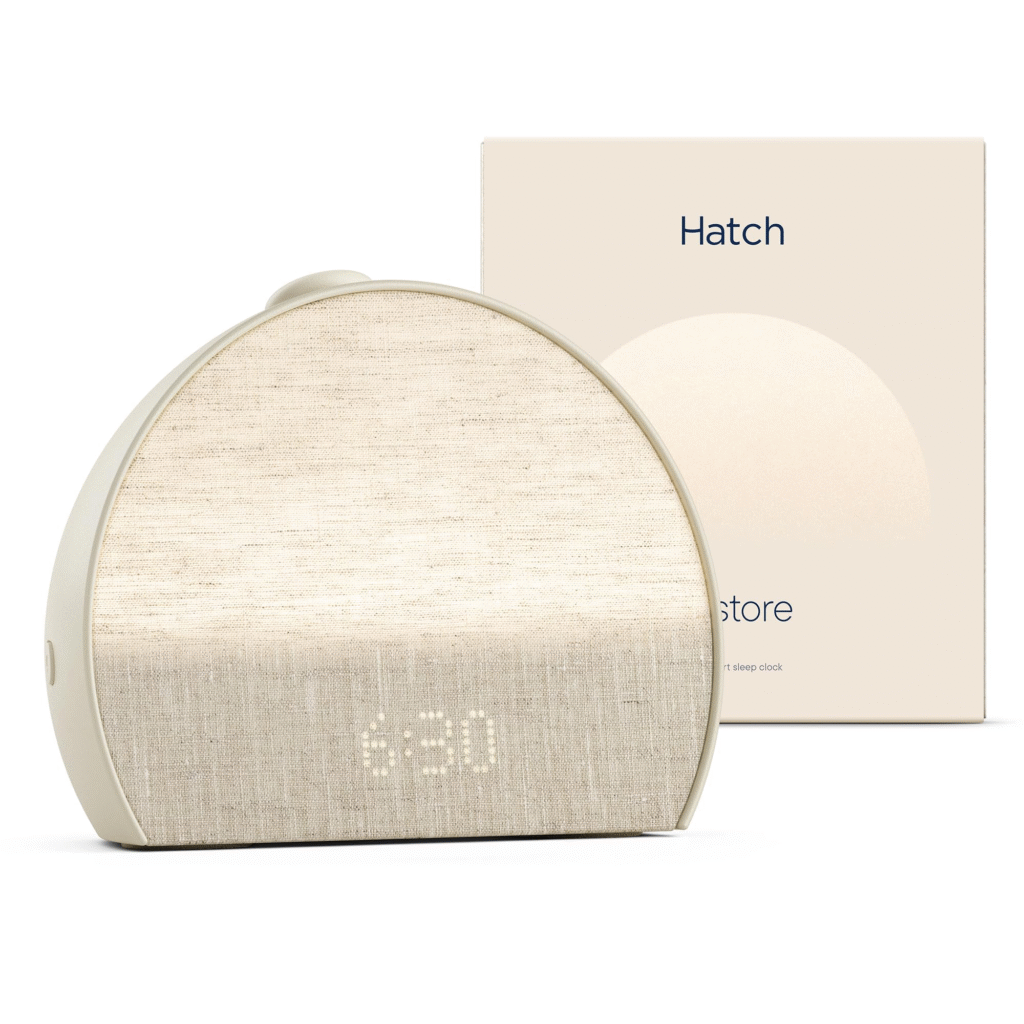
Swap your phone alarm for a sunrise. The Restore 3 brightens gradually before your wake time, doubles as a sound machine and a soft bedside light, and puts alarm controls on the device, so your phone can stay out of reach all night. The catch for UK buyers is the US plug, so factor in an adapter, and the optional Hatch+ subscription costs extra for the full content library. It is the prettiest way to get out of bed we have found, and it makes a dark November morning far easier to face.
£195.99, Healf
Bearaby Cotton Napper
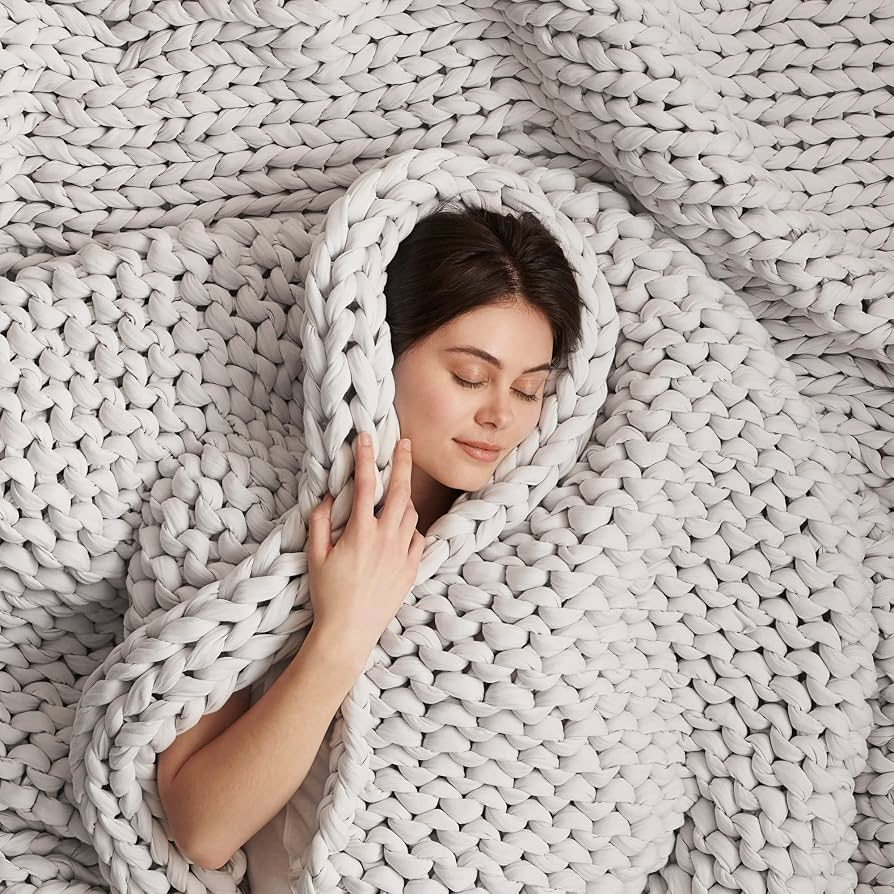
A weighted blanket with no beads and no filling. The Napper is hand-knitted from organic cotton, so its 7kg of weight comes from the yarn itself, and the open knit lets air through, which suits anyone who runs hot under a conventional version. The 40 by 72 inch size covers most single sleepers, and the chunky knit looks good draped over a sofa. Choose a blanket around 10 per cent of your body weight, and expect it to take a while to dry.
£274.99 (was £303.99), Healf
Renpho Eyeris 3 Eye Massager
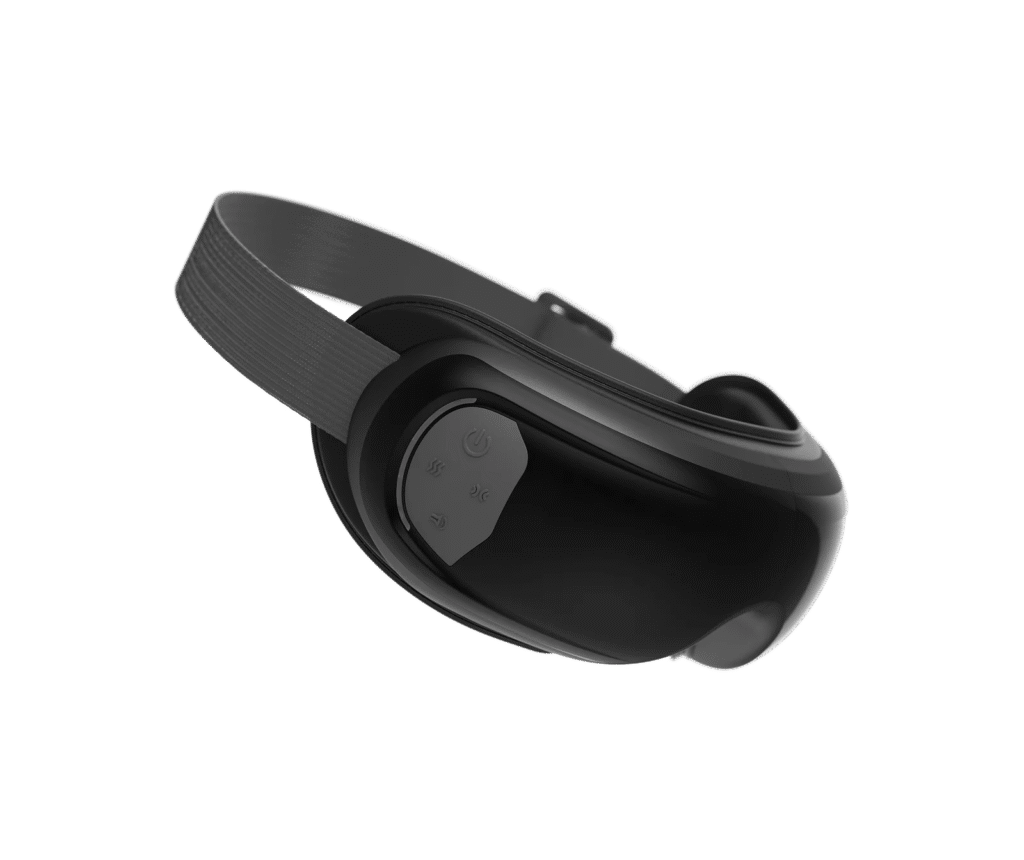
Ten minutes of warm, gentle pressure around the eyes feels absurdly good after a screen-heavy day. The Eyeris 3 combines heat, compression and massage in a foldable mask, and voice control means you can start a session without lifting a finger. Use it as a wind-down ritual before bed or a reset between meetings. It is not suitable if you have had eye surgery, or have retina conditions, cataracts or glaucoma, so check with your optician first.
£89.99, Best Gym Equipment
How to build a recovery night
Fix the room first
Cool, dark and quiet beats any gadget. Sort the temperature and the light before you spend a penny on tech.
Stack, do not scatter
Pair one passive tool with one sleep aid, such as the sauna blanket followed by the sunrise alarm, rather than using five things badly.
Protect the same bedtime
A consistent lights-out time does more for readiness scores than any device on this list. Set an alarm for winding down, not just waking up.
Fuel the repair
Gadgets handle the soreness, but muscle is built in the kitchen. Here is what we reach for.
BetterYou Magnesium Oil Original Spray
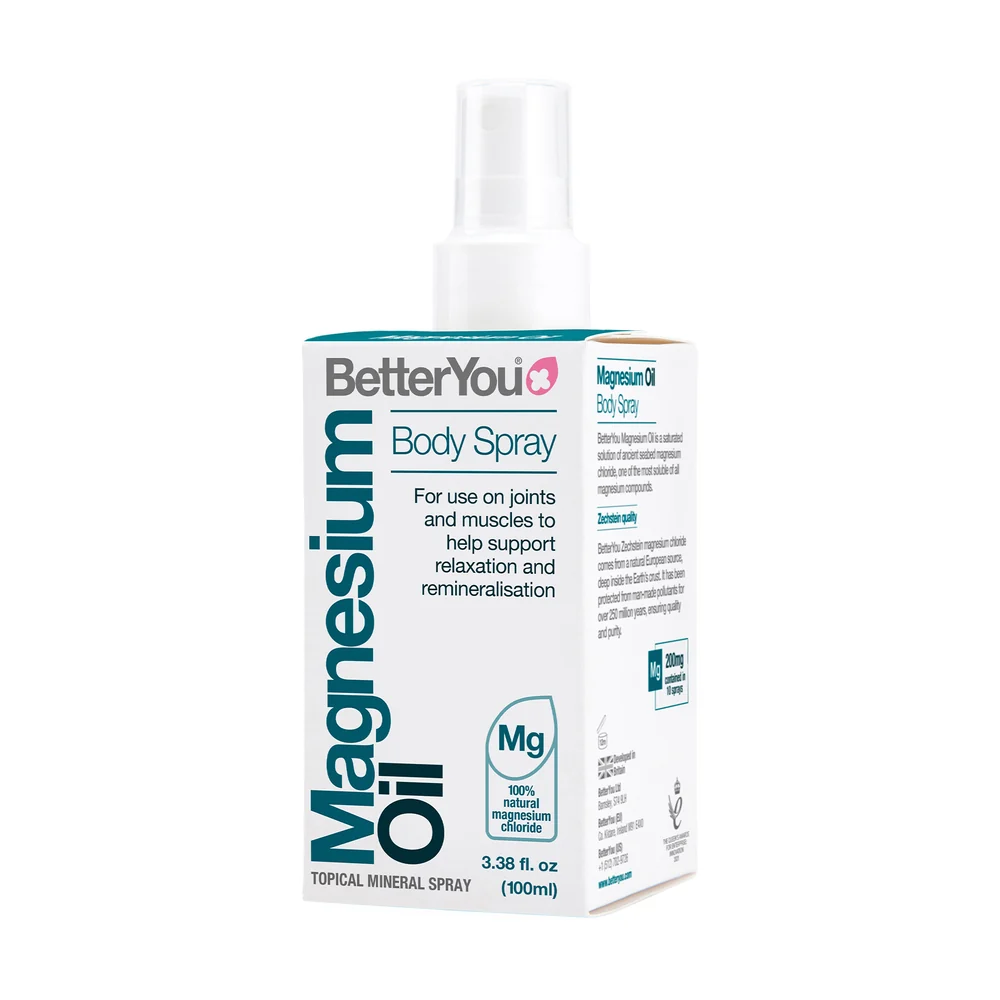
Spray it on, rub it in, and let your calves get on with relaxing. This 100ml bottle of magnesium chloride is Informed Sport approved, so athletes who get tested can use it without worry, and it lives happily in a gym bag or on a bedside table. The science on absorbing magnesium through the skin is still debated, so we treat it as a soothing post-training ritual rather than a cure. It can sting if you overdo it, so start with a few sprays and leave it off freshly shaved skin.
£12.99, Superdrug
Barebells Protein Bar, Caramel Cashew, 12 pack
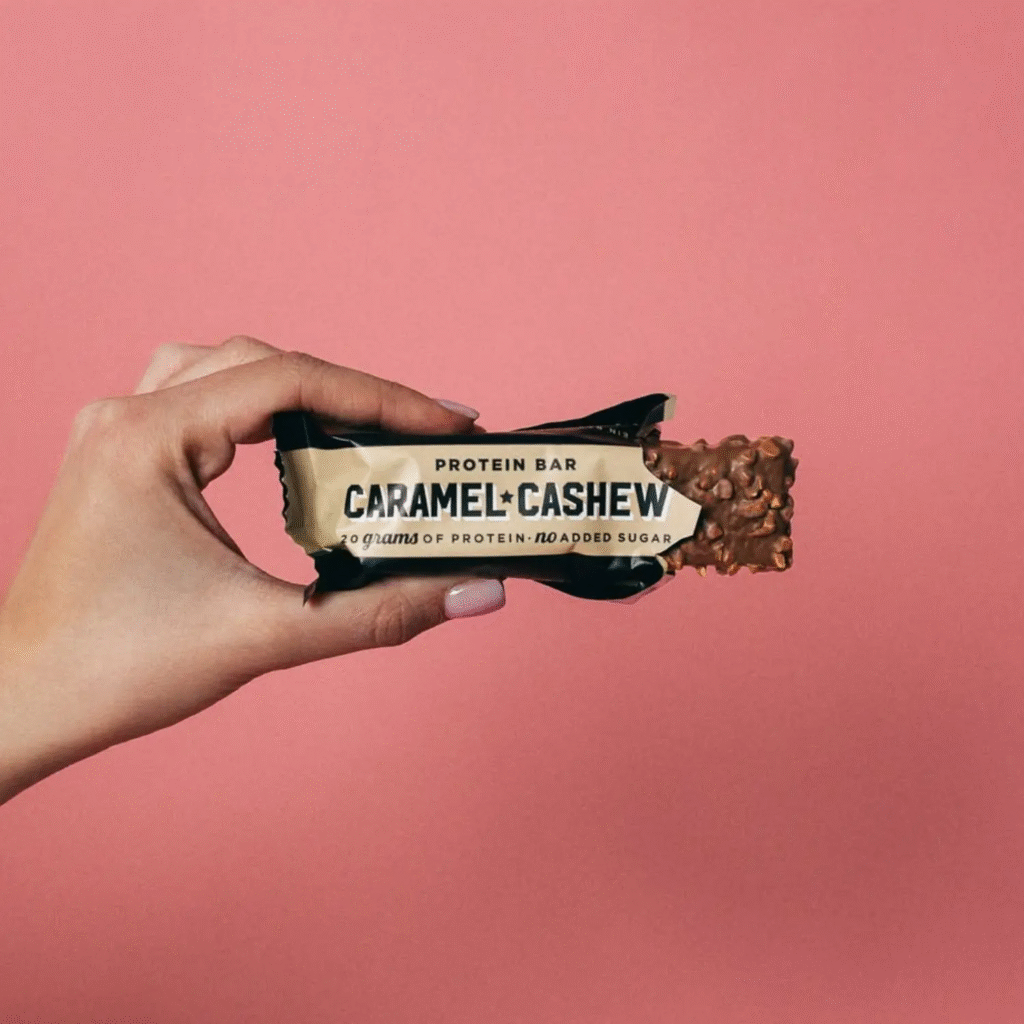
Twenty grams of protein and no added sugar, in a bar that eats like a chocolate treat. The 55g Caramel Cashew has a gooey caramel core under milk chocolate and cashew pieces, which is why it survives at the bottom of a gym bag long enough to be eaten after a session. At about £2.67 a bar it is a post-workout snack rather than a daily habit. Protein varies by flavour (Rocky Road, for one, has less), so check the wrapper before you buy a box.
£32 for 12, Holland & Barrett
Precision Hydration PH 1500 Electrolyte Tablets
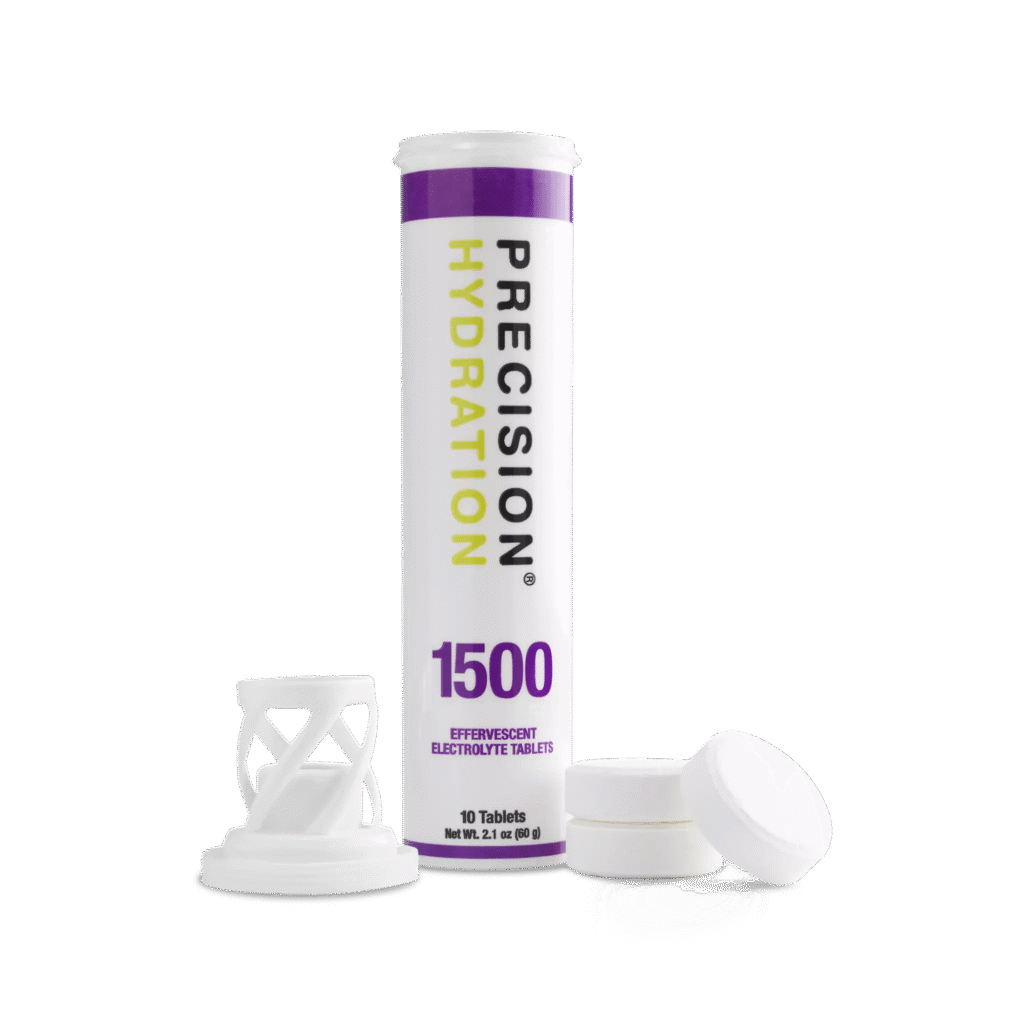
Hydration for people who sweat a lot and lose plenty of salt doing it. Drop one tablet into 500ml of water and you get a light citrus, low-calorie drink with 1,500mg of sodium, the strongest mix in this British brand’s range. Each tube holds 10 tablets, and the formula is vegan and Informed Sport tested. It suits heavy, salty sweaters on hot or long sessions. If your kit rarely shows white salt marks, the weaker PH 500 or PH 1000 tablets are the better buy.
£8.99 for 10 tablets, Precision Hydration
Optimum Nutrition Gold Standard 100% Whey
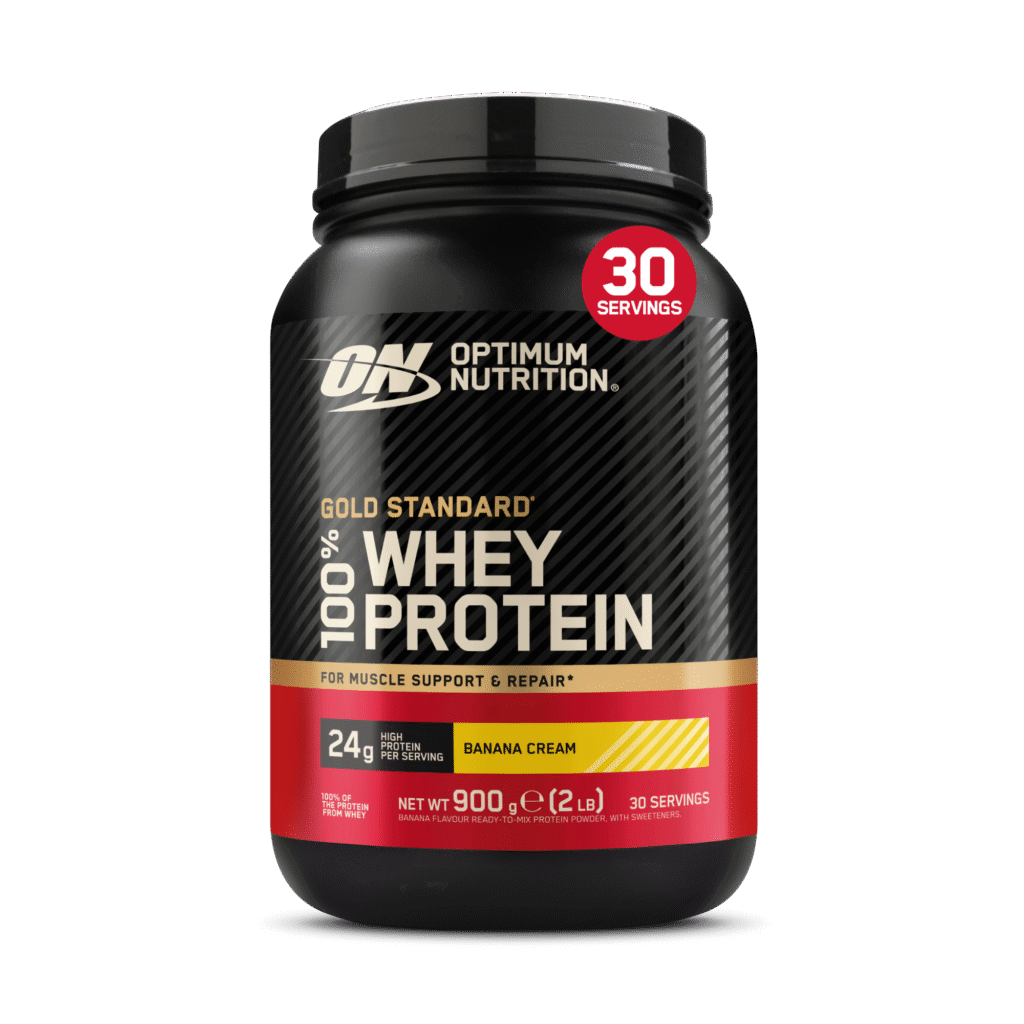
The benchmark protein powder for good reason. A scoop delivers around 24g of protein, mixes smoothly in a shaker, and comes in a long list of flavours, so you will find one that suits you. Predator Nutrition also sells its own whey if you want a house-brand alternative, and it is worth comparing the labels side by side. Take it within a couple of hours of training, or whenever your daily protein is running low.
From approx. £16 for 450g, Predator Nutrition (price may have changed)
Whatever you buy, remember that kit supports the basics rather than replacing them. Eat enough, sleep consistently, and take a proper rest day each week. The gadgets above simply make those habits easier to keep, and a little more enjoyable.


