

The North Face’s new camping and hiking gear proves accessible design is just better design
Co-created with adaptive athletes, the new outdoor range swaps zips for magnets and complexity for clarity, and the result works for everyone
The North Face has spent years walking the line between mountain-grade performance and city-ready style. Its latest collection doesn’t walk that line. It draws an entirely new one. The Universal Collection is built from the ground up with accessibility at its core, developed in partnership with adaptive athletes Vasu Sojitra and Maureen Beck, and it may be the most genuinely thoughtful gear the brand has ever produced.
The range spans a backpacking tent, sleeping bag, daypack, and accessories. What connects them isn’t a colourway or a material story. It’s a shared design philosophy: remove friction wherever you find it.
Zips Are Out. Magnets Are In.
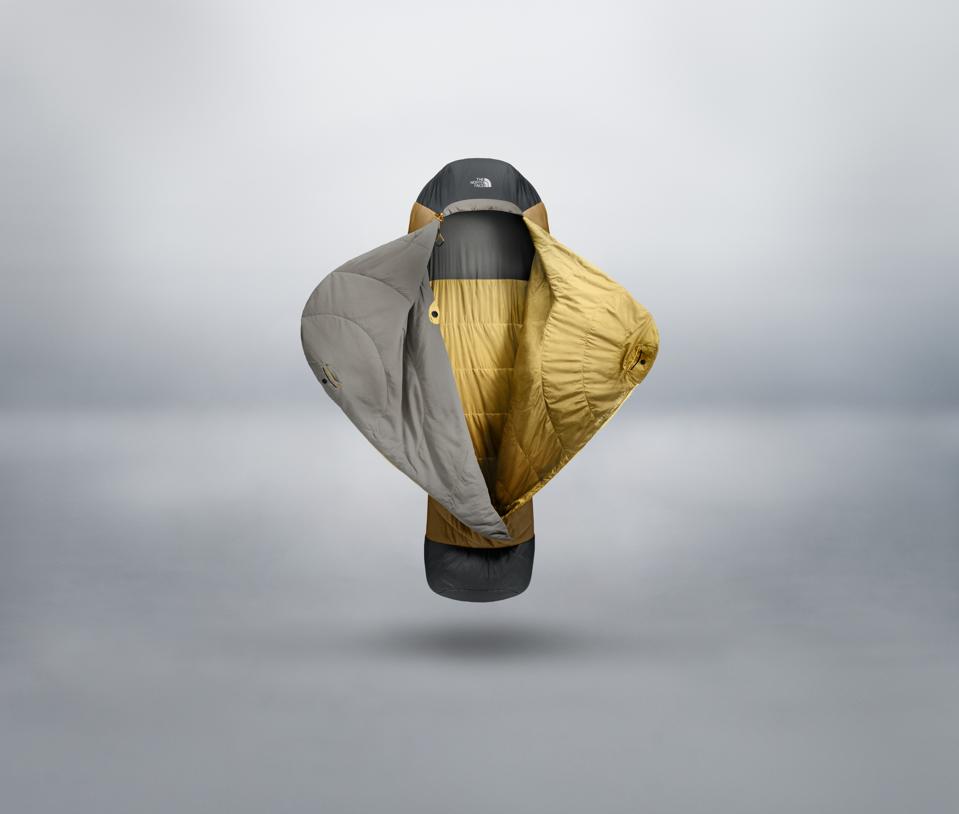
The most visible change across the collection is the ditching of traditional zippers in favour of FIDLOCK magnetic closures. On the Universal One Bag sleeping bag, the result is an entry system you can operate one-handed, in the dark, or with limited dexterity, without sacrificing any of the insulation performance. Adjustable insulated layers handle temperature regulation across a range of conditions, so you’re not stuck fighting with a zip at 2am in a damp field.
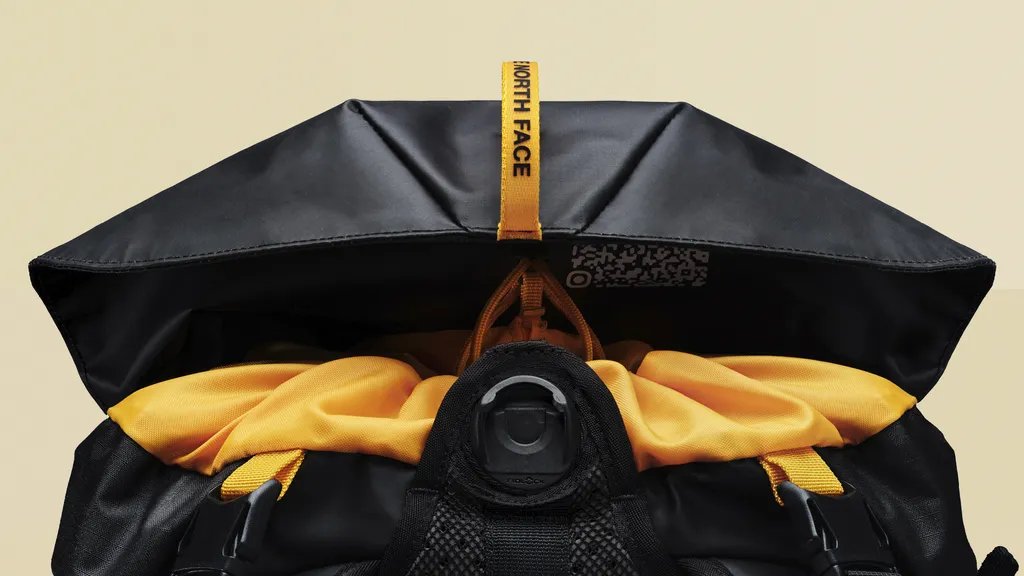
The Universal 20 Daypack follows the same logic. It stands upright independently, opens via magnetic closure, and its carry system accommodates different body types and mobility setups, including wheelchair use. That last point matters more than it might seem: most packs are designed for a very specific body in a very specific posture, and this one isn’t.
Pitching a Tent Shouldn’t Require a Manual
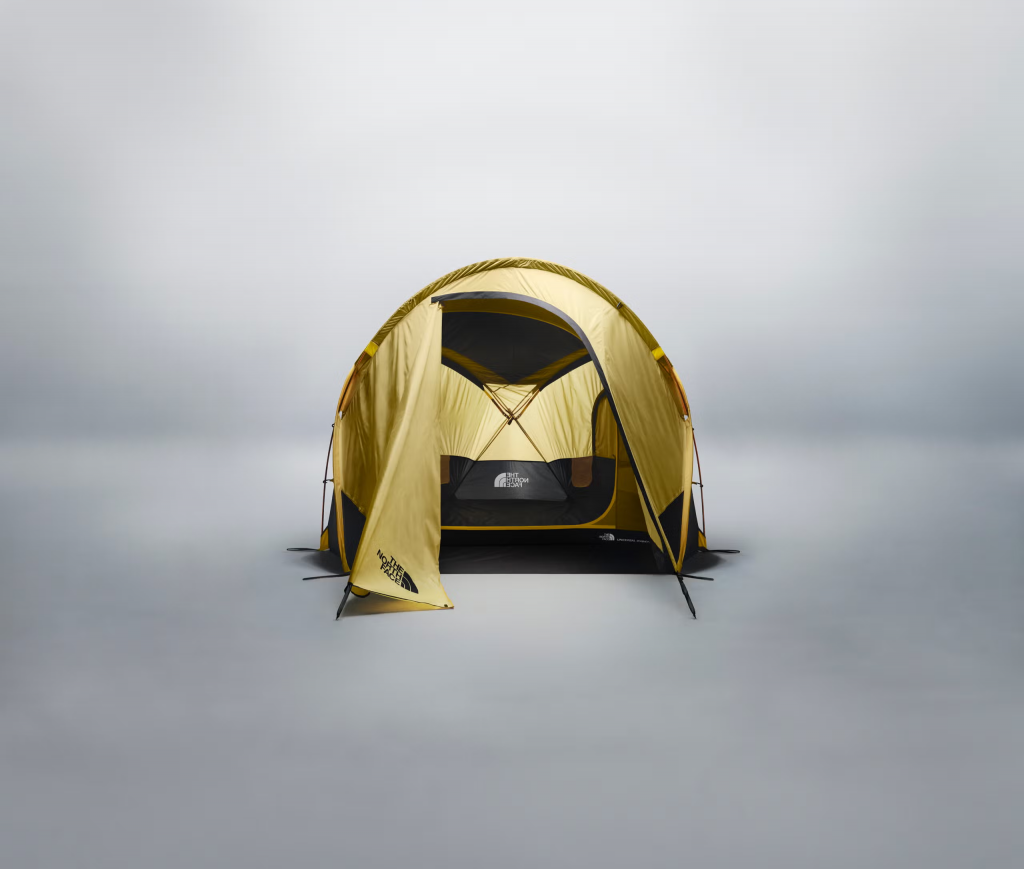
The Universal Wawona 3 Tent is where the design thinking gets most ambitious. Equal-length poles and high-visibility colour-coded sleeves make pitching faster and less error-prone, especially in low light. The entry point is wider and lower than on a standard tent, making it accessible for mobility devices without making the shelter feel compromised. Even the pack-down bag is oversized, a small detail that anyone who’s wrestled a tent back into its stuff sack at 6am will appreciate immediately.
The Details Do the Heavy Lifting
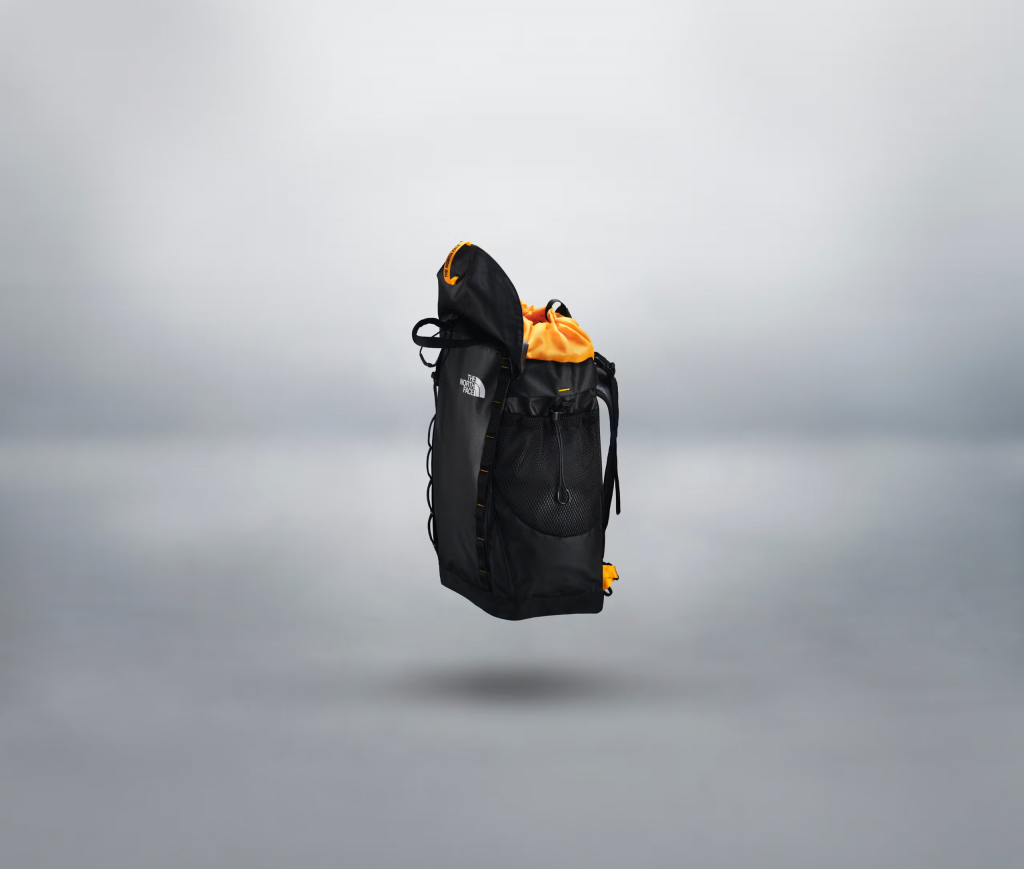
Elsewhere in the range, oversized grab loops replace fiddly zip pulls, and tactile cues guide use for people with visual impairments. The Basecamp Mules go further still, using a symmetrical design that eliminates the left/right distinction entirely. It sounds trivial until you’ve tried to sort footwear in a dark tent vestibule.
None of these features make the gear worse for people who don’t need them. That’s the point.
The Bigger Shift
What The North Face is doing with the Universal Collection isn’t just adding accessibility features to existing products. It’s designing from a different starting point altogether. By bringing adaptive athletes in at the development stage rather than the sign-off stage, the brand has produced gear where the inclusive thinking is structural, not cosmetic.
The collection launched on 14 April 2026 and is available now via The North Face and selected retailers. Pricing runs from $60 / £44 for accessories up to $435 / £321 for the tent, competitive for the category, and arguably better value when you consider how much more usable the whole range is.