


Tim Cook’s Tease and the Low-Cost MacBook Rumor: Why Apple Might Be Lowering the Price of Entry
Apple CEO Tim Cook has hinted that a “big week” is coming, and the rumor carousel is already warming up. The most persistent whisper: a lower-cost MacBook that could finally make macOS mainstream in classrooms, dorms, and budget-conscious offices; without sacrificing the polish Apple is known for.
When Apple teases a surprise, it’s rarely purely theatrical. The company times its reveals to shift narratives, hit market windows, and, bluntly, move units. A low-cost MacBook, if it arrives, would signal a tactical pivot from premium exclusivity toward scale, and it matters because it changes who can realistically buy into the Mac ecosystem.
What the news is and the context behind it
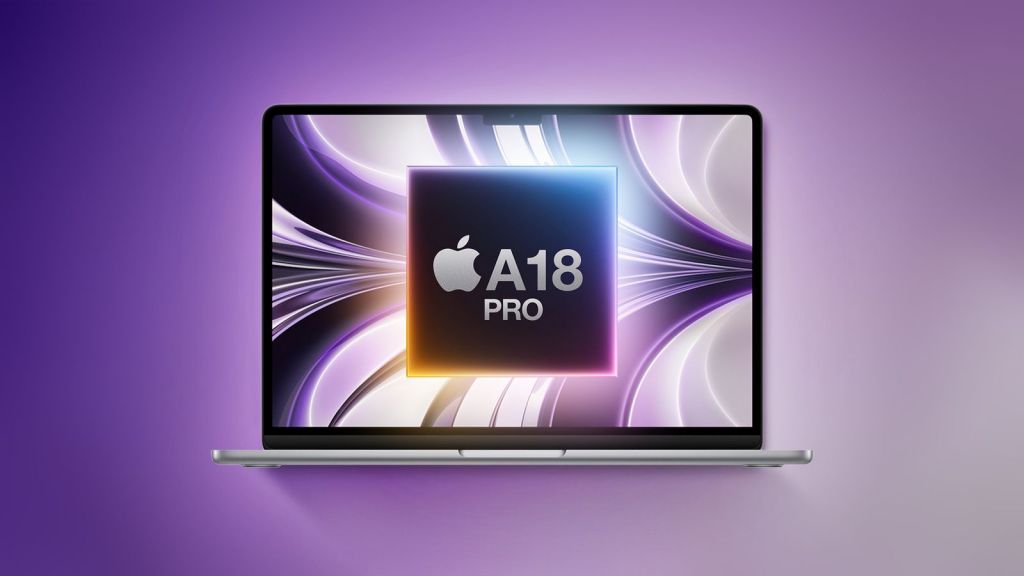
The story begins with a tease. Tim Cook’s short public hint about a “big week” kicks off a predictable cycle: analysts parse supply chains, leakers dust off old schematics, and Apple watchers refresh rumor boards. Tech publications have been ablaze with the possibility that Apple will introduce a new, more affordable laptop aimed squarely at students and first-time Mac buyers. This isn’t because Apple is suddenly feeling charitable. It’s because the company knows there’s a lot of trapped demand under the $900–$1,200 price barrier.
Apple’s history shows how pricing shapes market perception. The original MacBook Air did not simply introduce a new design language; it made thin-and-light laptops aspirational. The M1 MacBook Air two years ago didn’t only deliver kitten-screen benchmarks; it shifted expectations about what entry-level performance could be. A cheaper MacBook could repeat that playbook: position a streamlined machine as both competent and covetable.
The product at the heart of the rumor
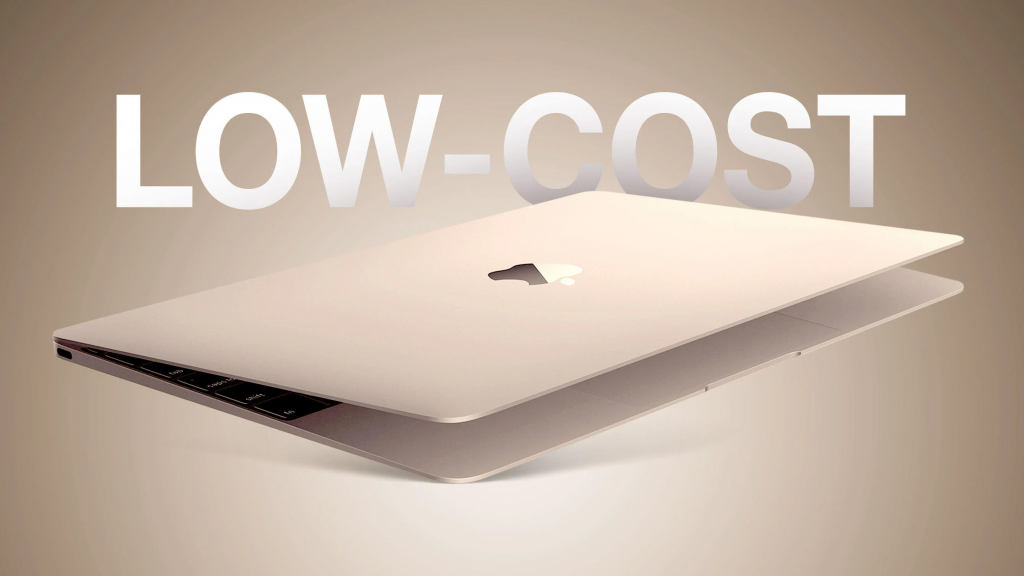
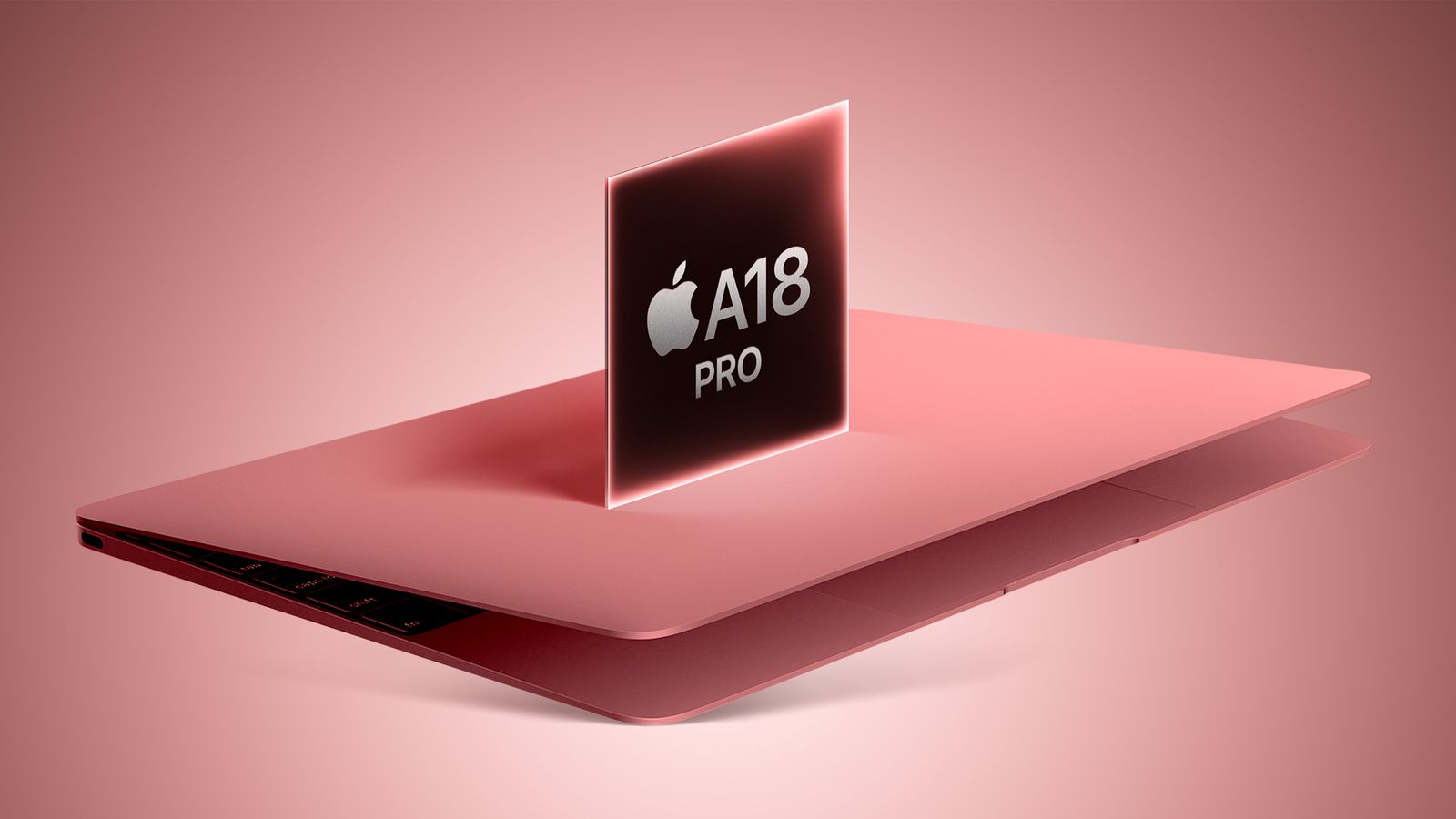
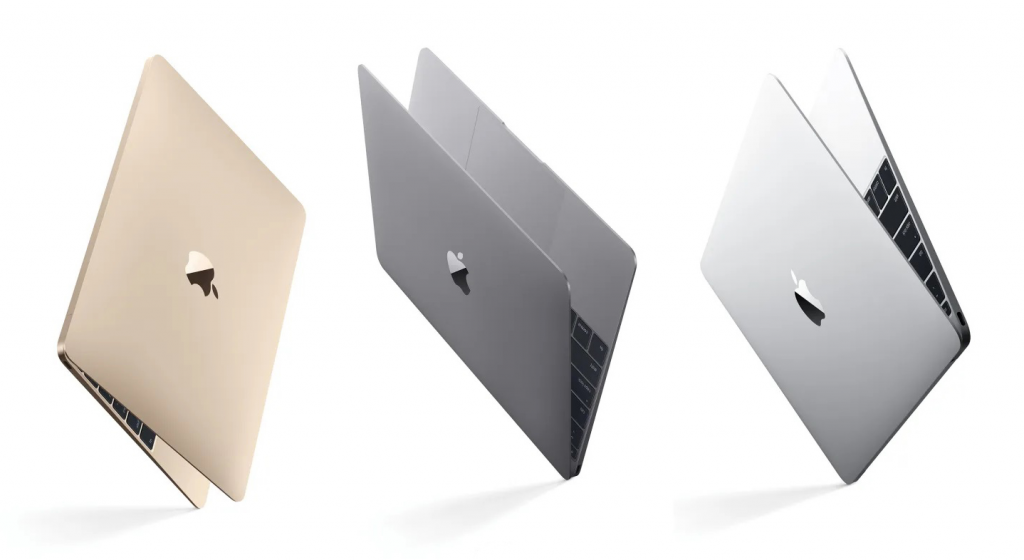
What might Apple actually ship? Reports and supply-chain chatter point to a simpler, lighter MacBook distinct from the MacBook Air and the MacBook Pro. Expect a model that trims premium flourishes but retains key pillars: Apple silicon for efficient performance, a clean aluminum chassis, and a screen that doesn’t feel cheap in day-to-day use. Think of it as the iPhone SE for laptops; a device that borrows the best of Apple’s engineering and repackages it for a lower price point.
Design-wise, insiders suggest this MacBook could sit below the Air in terms of margins but not in build quality. That implies fewer color options, a modest display refresh rate, and possibly a non-Retina-era compromise like a slightly thicker bezel or a simplified keyboard mechanism. What Apple won’t compromise on is the user experience: macOS optimization, solid battery life, and enough performance headroom to run familiar productivity software without frustration.
Technical details and innovation (lightly explained)
At the center of this machine’s promise is silicon. Apple’s vertical integration, designing its own chips, is what allows it to scale performance down and price down without delivering a genuinely sluggish product. The low-cost MacBook will likely use a variant of Apple’s efficient mobile chip lineage, delivering multi-hour battery life and snappy responsiveness for everyday tasks like browsing, streaming, video calls, and light photo editing.
Rather than throwing higher-core counts at the problem, Apple could prioritize single-thread performance, neural engine improvements for app acceleration, and better power-management. That’s the secret sauce that made previous MacBook Air models feel more capable than their spec sheets implied. Also important: thermal management. A thinner, fanless design is attractive, but only if it sustains consistent performance without throttling. Apple’s experience with fanless M1 and M2 machines suggests it knows how to thread that needle.
Market impact
If Apple introduces a truly affordable MacBook, the move will ripple across education, enterprise, and consumer markets. Classrooms that default to Chromebooks because of price could begin to consider Macs for their longevity and resale value. That’s a potent argument for schools where total cost of ownership matters more than sticker price: a Mac with two extra years of usable life can justify a higher upfront cost.
For consumers, a lower entry point opens the gate to Apple’s ecosystem: iCloud, iMessage, FaceTime, continuity features that make owning multiple Apple devices sticky. The cultural effect is subtle but real. Apple’s strategy has long been to enroll users into an ecosystem where services and hardware feed each other. A cheap MacBook could accelerate that cycle by creating a new cohort of Mac-first users who later upgrade to pricier Pro machines.
What industry insiders and the brand say
Apple has been characteristically coy, offering a tease rather than a roadmap. Public statements from the company have emphasized ongoing investment in silicon and user experience rather than specific models. Analysts and supply-chain sources add texture to the rumor: parts orders consistent with a refreshed 13-inch chassis, possible shifts in display procurement, and movements in battery-cell shipments that line up with a new product ramp.
Manufacturers in Apple’s supply chain are often reliable hint-givers, but caveats are important. Sometimes component orders swell because of overlapping projects or contingency builds. Still, when multiple independent indicators: tooling orders, chassis molds, display vendor activity; point in the same direction, the signal becomes harder to ignore. That seems to be where we are now.
What it could mean for consumers
From a buyer’s perspective, the most relevant question is: will this MacBook be good enough? If Apple can deliver fluid macOS performance, consistent battery life, and an attractive design for a price that undercuts the current MacBook Air, many consumers will happily trade a few luxuries for a better value proposition. For students and remote workers, the hypothesis is straightforward: you get a durable machine that handles daily tasks and keeps you in Apple’s ecosystem.
There are practical benefits beyond the immediate user experience. Cheaper Macs in circulation strengthen the secondary market, improving resale values for all Apple laptops. They also make it easier for families to create mixed-device households where a Mac sits alongside an iPad and an iPhone, bridging use cases without forcing a single-device commitment.
How it compares to past versions and competitors
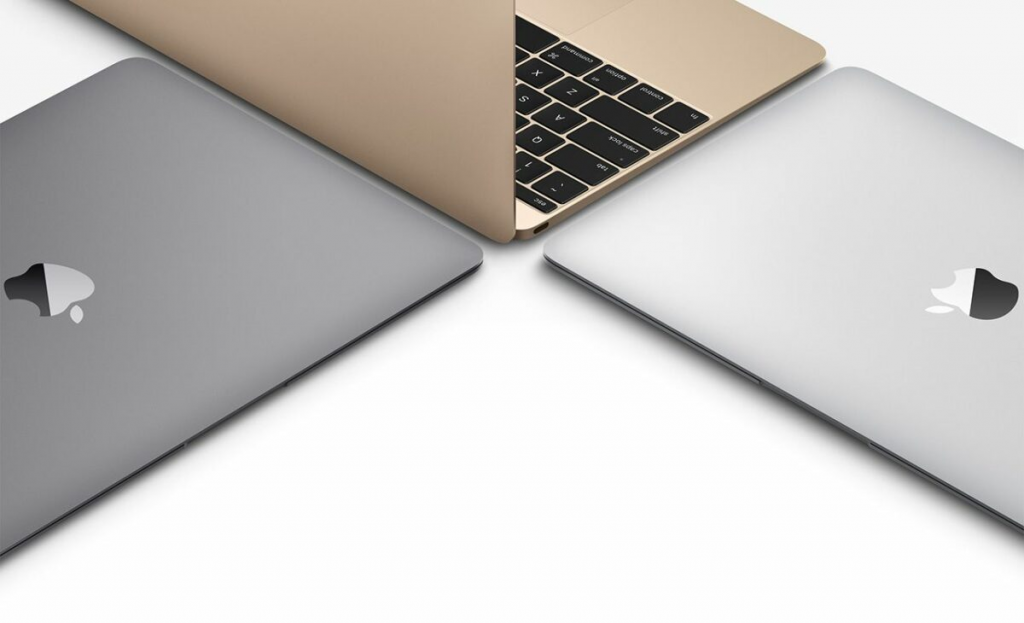
Comparisons inevitably loop back to the MacBook Air. The Air established a performance-per-watt benchmark with the M1 chip and became the de facto recommendation for users who wanted a laptop that simply worked; for years. A low-cost MacBook will need to avoid cannibalizing the Air while still offering a compelling price differential. That balance is delicate: too close in specs and Apple undermines its higher-margin models; too different and the new product fails to attract buyers who want that “Mac” feel.
On the competition side, Chromebooks have cornered the market for inexpensive, simple laptops. Their appeal is straightforward: low cost, long battery life, and cloud-first workflows. A more affordable MacBook doesn’t need to out-Chromebook the Chromebooks on price alone; it needs to compete on perceived value. If Apple can position the machine as a long-term investment rather than a disposable purchase, it changes the calculus for buyers who used to consider Chromebooks purely on cost.
Any compromises or room for improvement
There will inevitably be tradeoffs. To hit a lower price, Apple may shave display quality, reduce the number of ports, or use a less elaborate cooling design. Those compromises are acceptable for many users, but they may turn off content creators and power users who rely on higher-end displays and sustained CPU throughput. A lower-cost MacBook also risks being seen as the “cheap” option, which could dilute the aspirational cachet that Apple has cultivated.
Software longevity is another concern. Apple prides itself on long-term OS updates, but lower-cost devices can sometimes be first in line when design iterations require new hardware capabilities. Buyers will want assurances that the machine will receive macOS updates for years to come, preserving the value proposition and ensuring the device remains secure and useful.
Who Benefit from This News
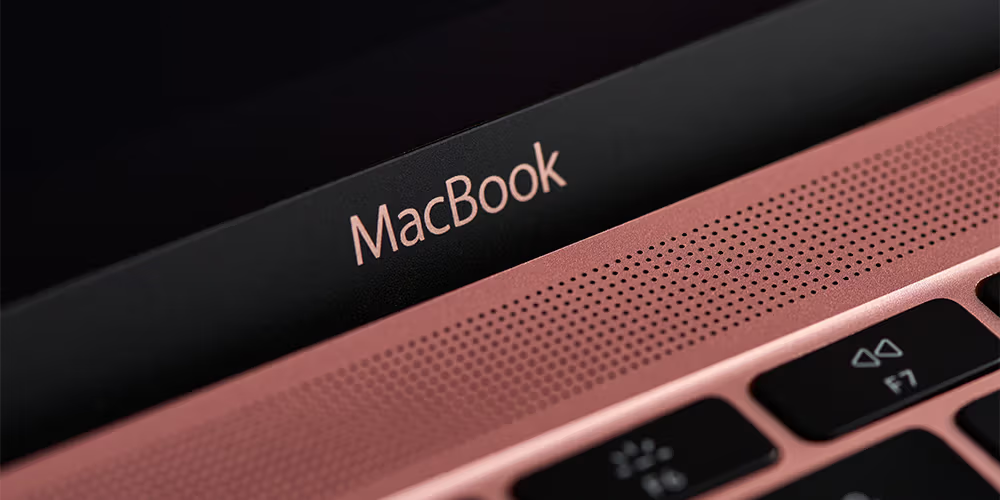
This hypothetical MacBook would be perfect for students, first-time Mac buyers, and families that need a reliable laptop without premium extras. It would also suit professionals who primarily use browser-based tools and productivity suites, like email, spreadsheets, and video conferencing. If you’re someone who values build quality and software integration over raw graphical horsepower, this laptop could be the sweet spot.
Conversely, it’s not aimed at creative professionals who depend on high-core CPUs, color-accurate displays, or extensive port arrays. Photographers, video editors, and heavy developers should still look at the Air or Pro lines for headroom and expandability. But for the 80 percent of users who care more about day-to-day smoothness than benchmark supremacy, the low-cost MacBook could be the smarter purchase.
Conclusion: Why this matters now
A low-cost MacBook would be consequential because it changes the shape of Apple’s desktop and laptop funnel. It would lower the barrier to entry for macOS, accelerate ecosystem adoption, and shift competitive dynamics with Chromebooks and budget Windows machines. For consumers, it promises the rare blend of usability, longevity, and polish at a friendlier price. For Apple, it represents a bet that volume and ecosystem lock-in can complement; rather than cannibalize; premium product tiers.
Tim Cook’s tease is a reminder that Apple still plays the long game. Hardware is the front door; services and software are the living room you never leave. A cheaper MacBook could just be the key to making more people comfortable stepping inside.
Whether this device becomes a classic like the M1 Air or a niche footnote will depend on execution. If Apple manages to retain the feel of a Mac without the usual price rush, we’ll see classrooms, cafés, and commuter trains filled with laptops that look and behave like Macs: only more of them. That would be a small design revolution with outsized strategic consequences. It would also be a lot more interesting than another incremental spec bump, because it asks a new question: what happens when the Mac is no longer a luxury, but a mainstream choice?