


The 48 of the Best Gadgets in 2026
This is the year screens stretch instead of shrink. Laptops roll. Phones unfold twice. Wi-Fi becomes invisible infrastructure rather than background frustration. Beauty tech feels clinical. Fitness wearables feel predictive. Even your coffee machine thinks smarter.
The 48 gadgets below represent the sharpest edge of innovation right now; the products that feel like early access to tomorrow. Some are ambitious experiments. Some are refined evolutions. All of them push the category forward.
Let’s get into it.
1. Samsung Tri Fold (Estimated $2,899+)
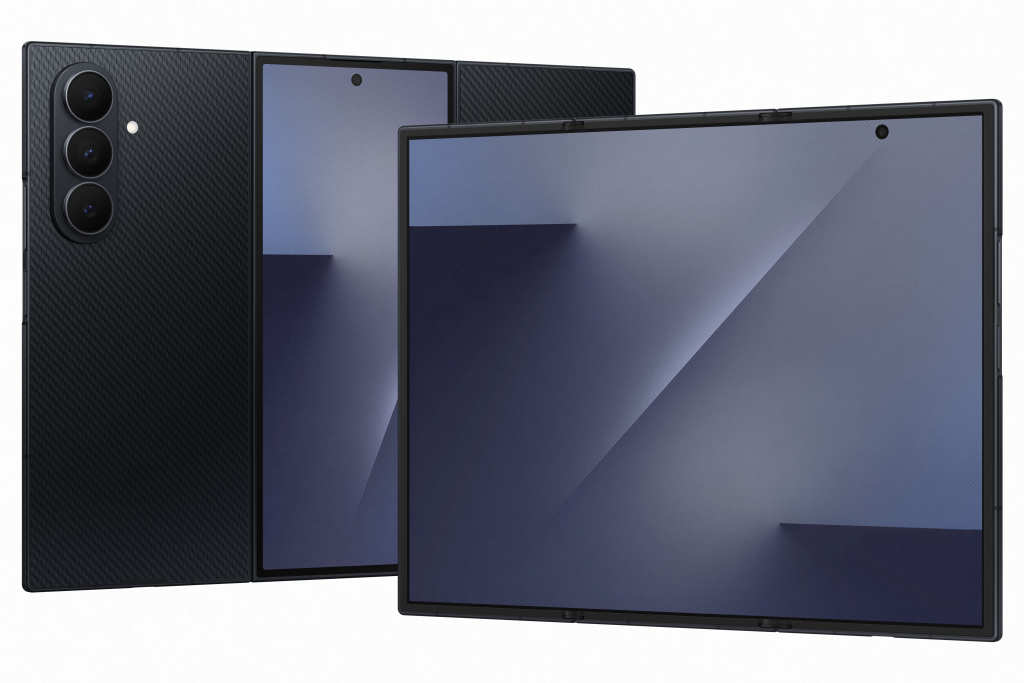
The foldable era just mutated. Samsung’s Tri Fold doesn’t just bend; it expands your digital reality. Three panels unfold into a tablet-sized canvas that feels closer to sci-fi than smartphone. Multitasking becomes spatial, not split-screen. Think three live apps, drag-and-drop workflows, and media that finally breathes. The engineering is architectural: reinforced hinge mechanics, ultra-thin layered glass, and adaptive UI scaling that actually makes sense. It’s for power users who want presence. This is Samsung testing the limits of what a phone can physically become. And honestly? It’s a flex.
2. Motorola Razr Ultra (From £1,099)

Motorola understood the assignment: nostalgia wrapped in flagship power. The Razr Ultra takes the iconic flip silhouette and injects it with high-refresh OLED brilliance and a cover screen that’s genuinely usable; not decorative. Closed, it’s compact confidence. Open, it’s immersive and sharp. The hinge feels deliberate, almost ceremonial. Camera upgrades push it into serious territory, while the external display lets you reply, shoot, scroll and navigate without even unfolding. It’s luxury minimalism meets pocket-sized rebellion.
3. Honor Magic 8 Pro (From £899)
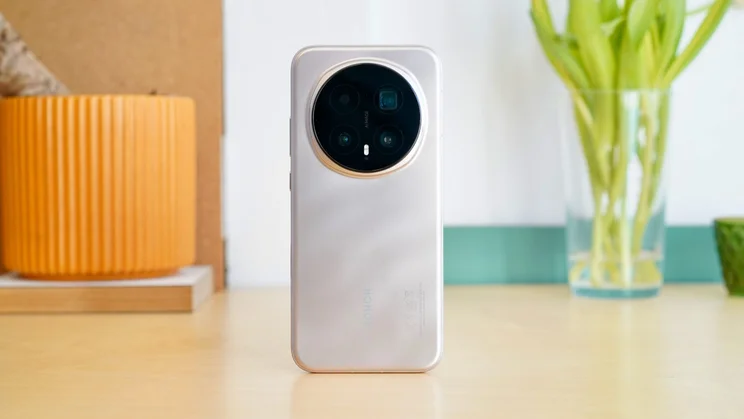
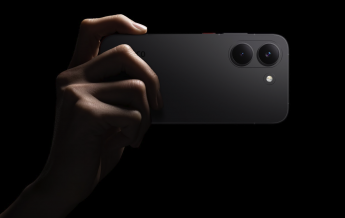
Honor is no longer “almost flagship.” The Magic 8 Pro is calculated dominance. A curved-edge OLED display melts into your hand while next-gen silicon pushes AI photography into cinematic territory. Computational zoom, generative image repair, on-device intelligence; this is smart without shouting about it. Battery life is aggressive. Charging is blink-and-you-miss-it fast. The design language feels European, polished, restrained. This is what happens when hardware ambition meets software maturity. Subtle power. Dangerous combination.
4. ThinkBook Plus Gen 6 Rollable (Expected £3,850)
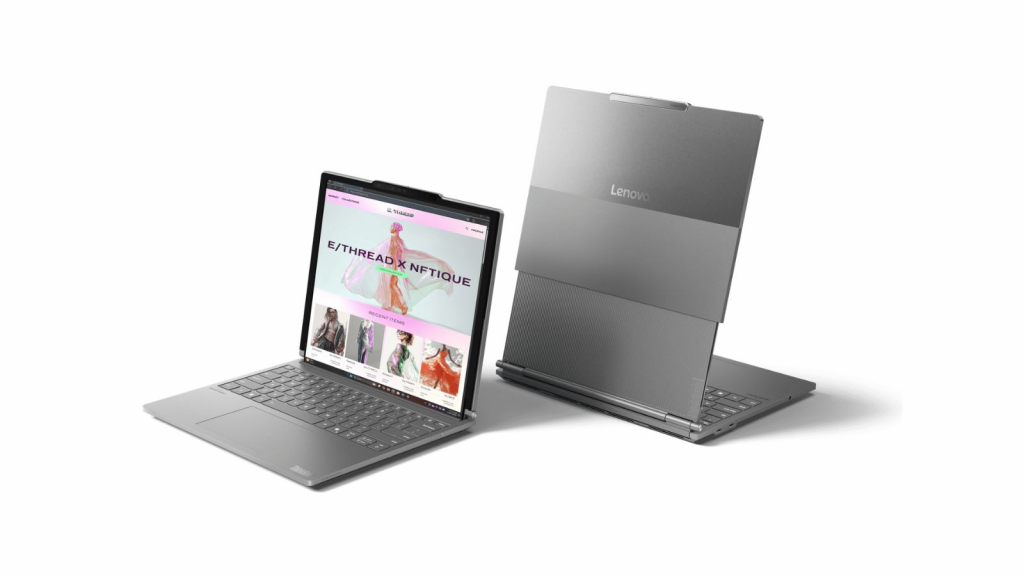
A laptop that stretches. Physically. The Rollable display glides upward at the press of a key, transforming from compact notebook to elongated productivity machine. Vertical spreadsheets. Expanded timelines. More canvas without more bulk. Lenovo’s engineering here is precision theatre: flexible OLED, reinforced housing, smooth motorised expansion. It’s for people who live in documents, code, or design layers. The future of portability isn’t folding, it’s extending.
5. Lenovo Idea Tab (From £399)
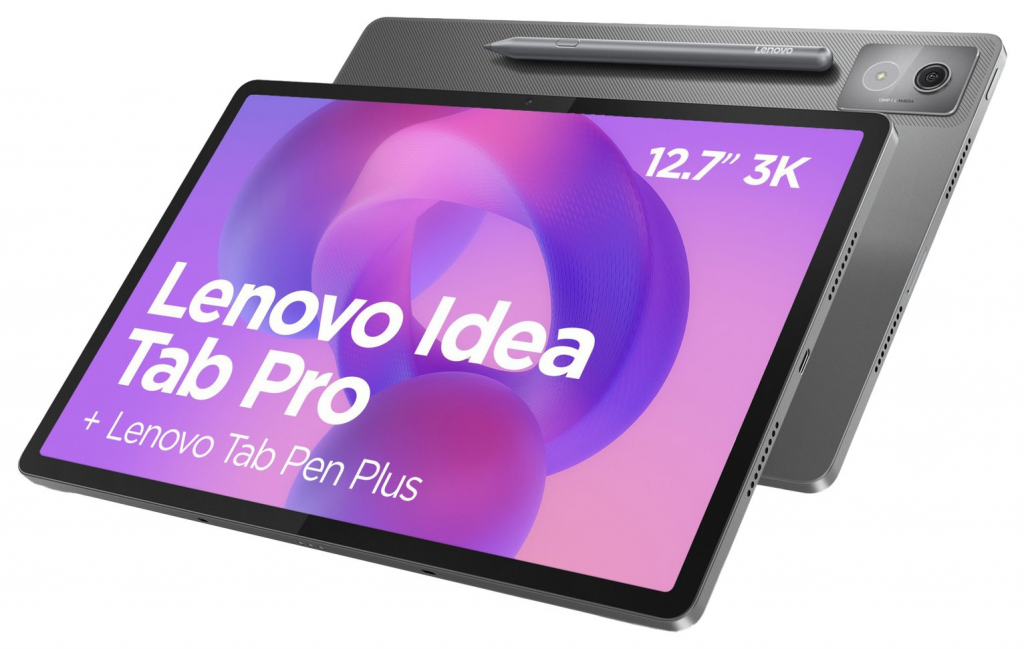
The latest Lenovo Idea Tab balances affordability with performance that doesn’t feel apologetic. A vibrant display, clean Android interface, and smart accessory ecosystem make it a versatile media-and-work hybrid. It’s not trying to replace your laptop; it’s trying to replace friction. Battery longevity is dependable, audio is surprisingly immersive, and performance feels stable under multitasking pressure. Sometimes innovation is about refinement, not reinvention.
6. Canon EOS R6 Mark III – From £1,050 (Body Only)
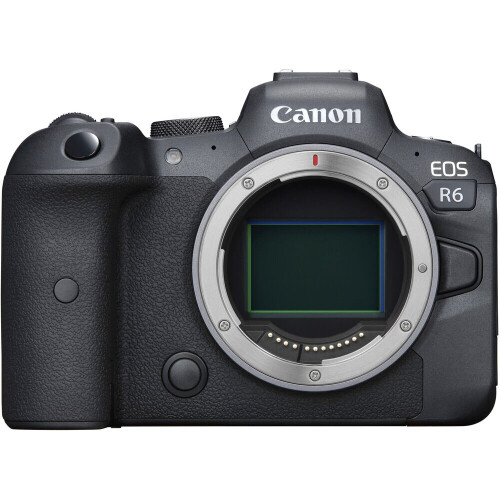
Canon sharpened an already elite formula. The R6 Mark III doubles down on speed and low-light supremacy, making it a monster for hybrid creators. Autofocus tracking feels predictive. Burst shooting is relentless. Video performance edges closer to cinema rigs without losing portability. The sensor refinement brings dynamic range that saves shadows you thought were gone. Built for professionals who don’t get second chances at the shot. It will become quietly one of the most powerful creative tools of the year.
7. DJI Mavic 4 Pro (DJI RC 2)- From £1,879
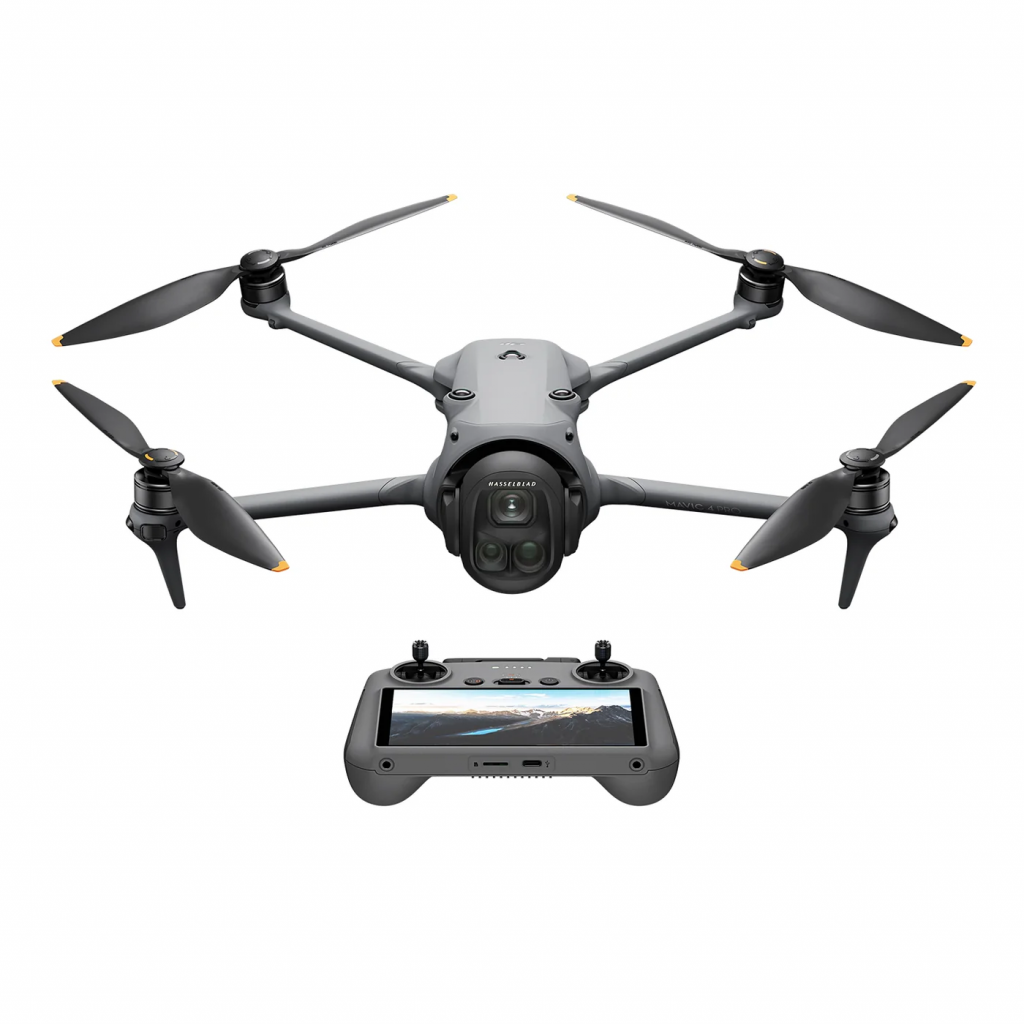
A drone that thinks in layers. The Mavic 4 Pro pushes aerial cinematography further with enhanced obstacle sensing, improved transmission stability, and camera optics that rival ground-based rigs. The upgraded controller reduces latency and increases confidence. Image quality is cinematic, not “good for a drone.” Intelligent tracking modes make solo creators feel like they have a production crew. It’s less gadget, more creative extension.
8. Epson EF-72 Lifestudio Flex Projector (Around £989)
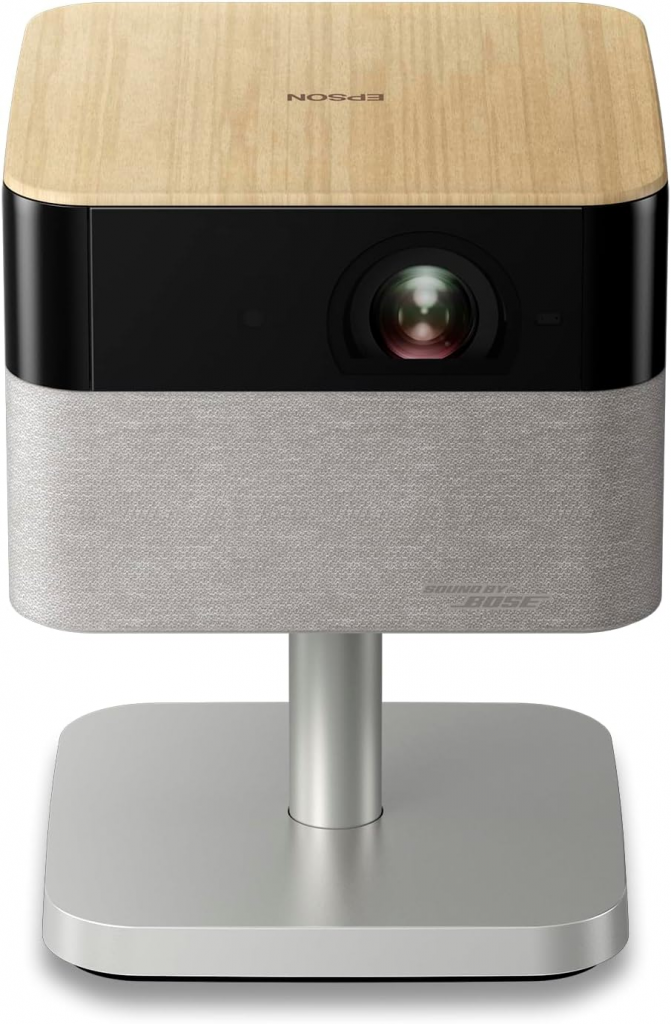
The EF-72 blends laser clarity with lifestyle portability. Designed to move from living room to terrace without drama, it balances brightness, colour accuracy, and intuitive setup. Built-in smart functionality eliminates the need for external streaming sticks. The design is modern, almost architectural.It’s a cinematic mood machine. Big-screen living without permanent installation.
9. Deco BE68 Whole Home Mesh Wi-Fi 7 System (From £849 for 3-Pack)
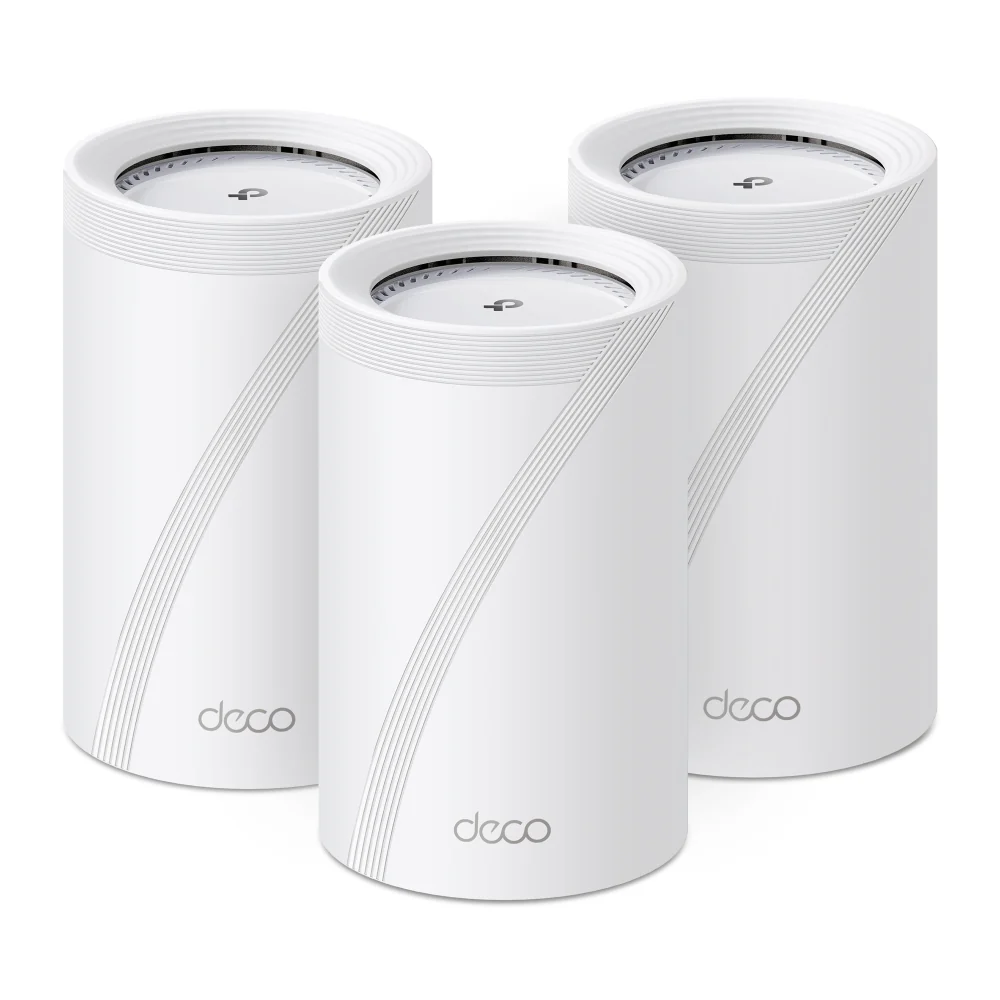
The Deco BE68 brings multi-gig speeds and ultra-low latency into normal homes, not just tech labs. Bandwidth is smarter, more adaptive, less chaotic. Congestion melts away. 4K streams, cloud gaming, smart home traffic, are all handled simultaneously without suffocation. Setup is streamlined, and the management intuitive.You don’t notice it working but you will notice when it’s gone.
10. Nighthawk M7 Pro (Around £899)
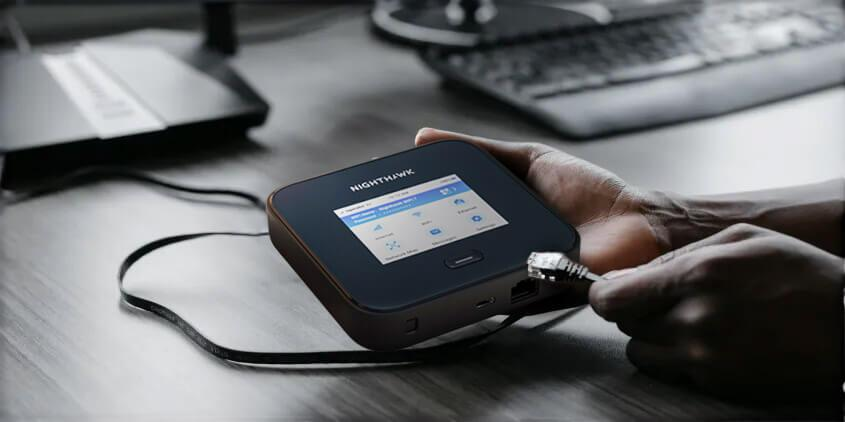
Portable internet, weaponised. The Nighthawk M7 Pro transforms mobile connectivity into something enterprise-grade. Multi-gig 5G support, Wi-Fi 7 broadcasting, and a design that looks more command centre than hotspot. For creators, remote workers, or digital nomads, it eliminates dependency on unstable public networks. Battery endurance holds up under pressure. The interface is clean and responsive. This is freedom infrastructure; fast, secure, independent. The future of work fits in your bag.
11. ScanSnap iX2500 (From £429)
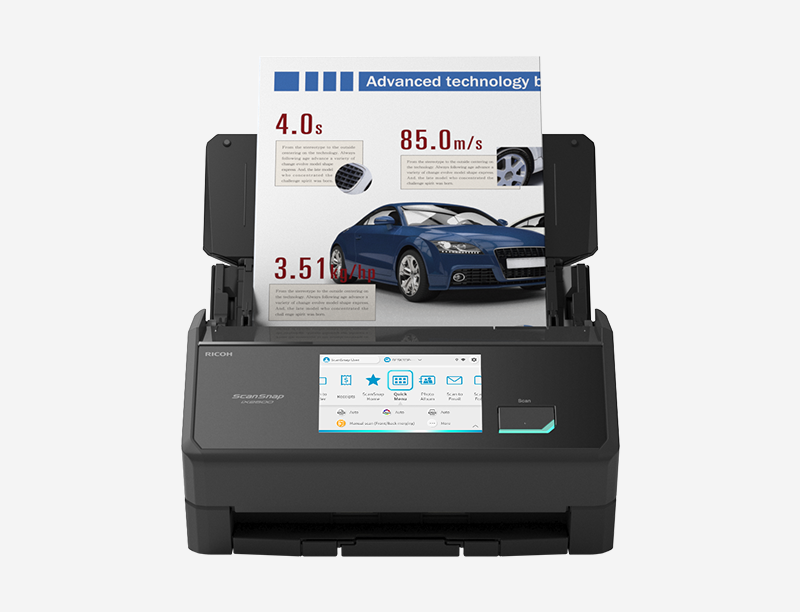
Paper is stubbornly alive, and the ScanSnap iX2500 doesn’t fight that reality; it digitises it with ruthless efficiency. This next-generation document scanner is designed for professionals who are drowning in contracts, receipts, client files and handwritten notes, and need frictionless organisation rather than another inbox. Duplex scanning is fast and eerily quiet, automatically correcting skewed pages and optimising clarity without requiring constant supervision. The intelligent software layer categorises, renames and routes files into cloud ecosystems with minimal manual input, effectively becoming a background admin assistant. OCR performance feels refined, accurately extracting editable text even from imperfect originals.
The compact design means it doesn’t dominate your desk, yet its productivity impact is disproportionate. In a world obsessed with AI creativity, this is AI-powered order. Glamorous? No. Transformative for workflow? Absolutely.
12. Mijia Smart Audio Glasses (Around £199)

Wearable audio is evolving beyond earbuds, and Mijia’s Smart Audio Glasses make a compelling argument for ambient, open-ear listening that doesn’t isolate you from your environment. The frames look understated, almost indistinguishable from conventional eyewear, yet hidden directional speakers deliver surprisingly focused sound without broadcasting your playlist to the room. Calls feel intimate rather than speakerphone awkward, and voice assistant integration adds a subtle layer of hands-free control. Battery life comfortably handles a full workday, and magnetic charging keeps things practical. These glasses aren’t trying to replace headphones entirely; they’re redefining when you need them.
For commuters, hybrid workers, or anyone who wants tech that blends instead of dominates, this is wearable audio growing up.
13. Bose QuietComfort Ultra Headphones (From £449)
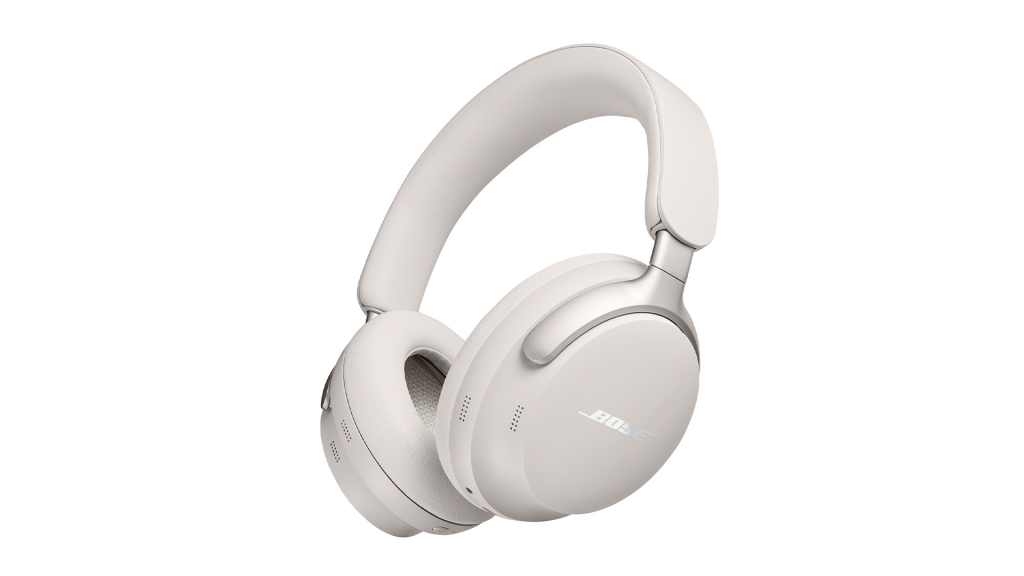
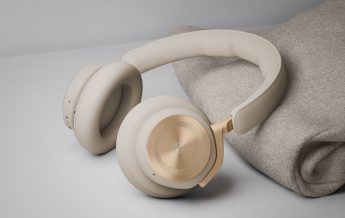
Noise cancellation has reached a point where silence feels sculpted, and Bose’s QuietComfort Ultra headphones refine that experience into something almost architectural. The adaptive ANC continuously adjusts to your surroundings in real time, creating a sound bubble that feels intelligent rather than binary. Spatial audio processing adds dimensionality that makes music feel less flat and more cinematic, without becoming gimmicky.
The comfort is deliberate; plush ear cushions, balanced clamping force, materials that feel premium rather than plastic. Battery life comfortably handles long-haul flights or back-to-back work sessions, and call clarity is crisp even in unpredictable environments. Bose hasn’t reinvented headphones; it has perfected the art of controlled immersion. This is for people who value audio as an environment, not just entertainment.
14. Huawei FreeClip 2 (From £180)

Huawei’s FreeClip 2 challenges what earbuds are supposed to look like, abandoning traditional in-ear sealing for a distinctive clip-on form that feels surprisingly secure and breathable. The open-ear design prioritises awareness, making them ideal for urban commuters or outdoor runners who don’t want to sacrifice situational context. Despite the unconventional shape, sound delivery remains balanced, with enough low-end presence to avoid feeling thin. Dual-device connectivity keeps workflow fluid, and call quality holds up impressively in windy conditions. The charging case remains compact, resisting the bulk trend seen in many premium buds.
The FreeClip 2 isn’t chasing audiophile purism; it’s prioritising versatility and comfort. It’s a reminder that innovation sometimes begins with reshaping expectations, not just upgrading specs.
15. Jabra Evolve3 85 (Around £329)
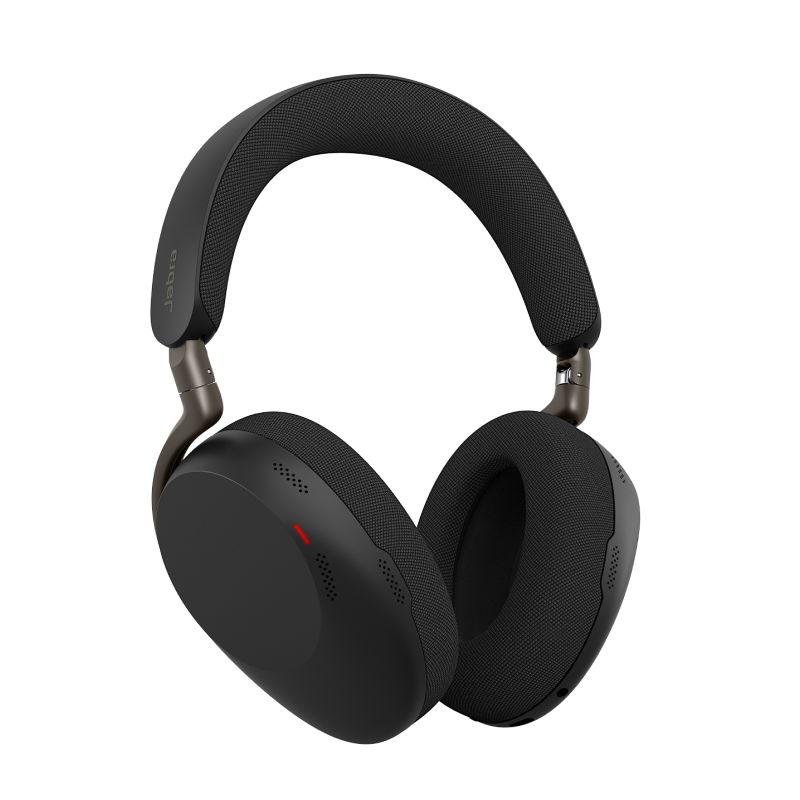
Hybrid work demanded better tools, and the Jabra Evolve3 85 feels engineered specifically for professionals who toggle between focused isolation and collaborative calls throughout the day. Active noise cancellation reduces environmental distractions without creating sensory fatigue, while the boom mic delivers broadcast-level clarity that subtly elevates your virtual presence. Multipoint connectivity allows seamless switching between laptop and phone, preventing workflow interruptions that quietly erode productivity. Battery life is substantial, comfortably exceeding a full workweek of moderate use.
The build quality balances durability with comfort, making extended wear genuinely manageable. This isn’t flashy consumer audio; it’s strategic equipment for communication. In a world where remote meetings define perception, this headset quietly enhances your authority.
16. Garmin Fenix 8 (From £699)

The Garmin Fenix 8 doesn’t just track performance; it dissects it with forensic precision, offering advanced metrics that go far beyond steps and heart rate averages. Built for endurance athletes and serious adventurers, its rugged construction resists weather, impact and prolonged outdoor exposure without compromising readability. The AMOLED display is bright enough for direct sunlight, while battery optimisation ensures multi-day expeditions don’t require constant charging anxiety. Training readiness scores, recovery insights and GPS accuracy feel meticulously refined, turning raw data into actionable intelligence. Health monitoring extends into sleep analysis and stress tracking, building a more holistic performance profile.
This is a watch for people who treat movement as strategy, not hobby. The Fenix 8 is less lifestyle accessory and more performance command centre.
17. Apple Watch Ultra 3 GPS + (From £799)
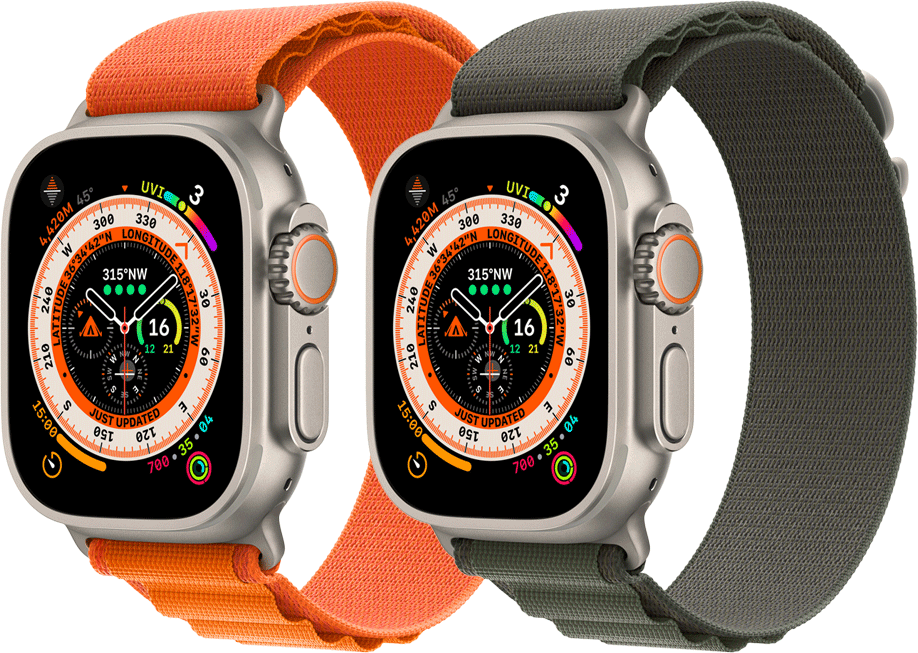
Apple’s Watch Ultra continues to blur the line between consumer wearable and professional-grade instrument, offering enhanced durability, precision GPS and deeper health metrics in a chassis that feels unapologetically bold. The larger display improves readability during workouts and navigation, while customisable action buttons add tactile utility. Integration within the Apple ecosystem remains frictionless, from unlocking devices to managing notifications with subtle gestures. Battery life pushes beyond standard smartwatch expectations, supporting extended outdoor use without constant recharging.
Water resistance and dive features broaden its scope beyond gym sessions into genuine adventure territory. It’s still recognisably Apple; polished, intuitive, cohesive, but hardened for extremes. This is smartwatch evolution with muscle.
18. Meta Glasses (From £299)
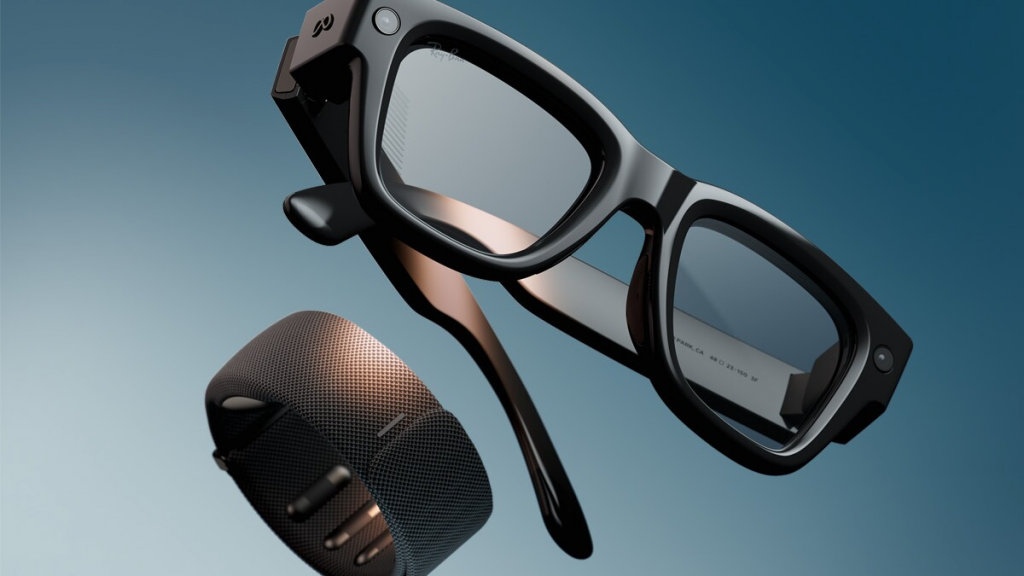
Smart glasses are transitioning from experimental to practical, and Meta’s latest iteration moves decisively toward real-world utility. Integrated cameras allow quick capture without the social awkwardness of lifting a phone, while built-in speakers provide discreet audio delivery. Live streaming and content sharing become frictionless, appealing directly to creators who operate in real time. The design feels contemporary rather than overtly “techy,” reducing the stigma often attached to wearable cameras.
AI-assisted features, from translation to contextual information overlays, hint at a future where glasses become informational layers rather than passive accessories. Battery efficiency has improved, making them viable for daily wear rather than novelty use. This is ambient computing entering public life.
19. Ultrahuman Ring (From £349)
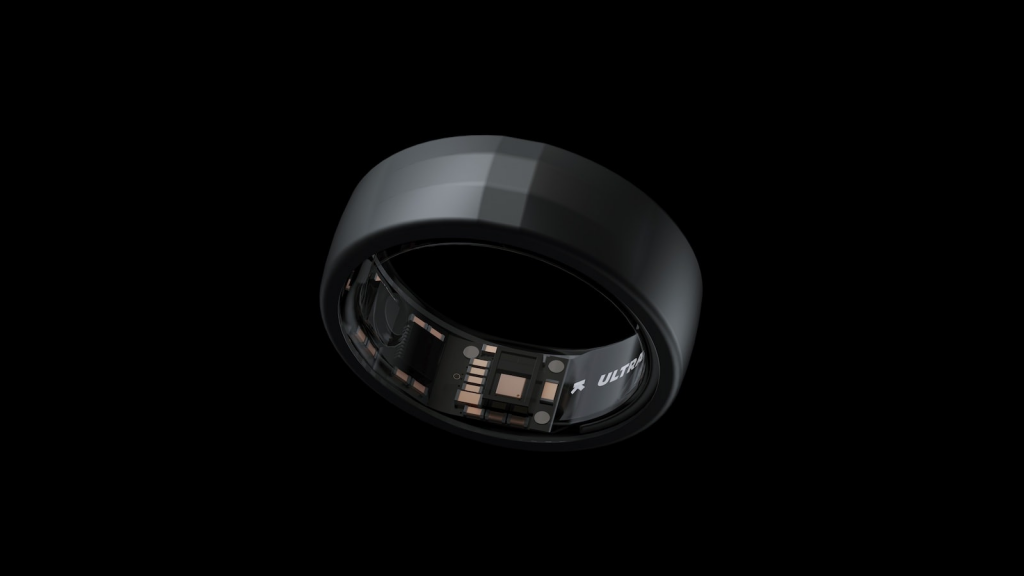
The Ultrahuman Ring embodies the shift toward discreet biometrics, offering comprehensive metabolic and recovery insights without the bulk of a wrist device. Sleep tracking is detailed and nuanced, analysing temperature variations, heart rate trends and recovery windows with impressive precision. Its lightweight titanium construction ensures it disappears on your finger while continuously collecting data in the background. The companion app translates complex metrics into readable guidance, helping users optimise caffeine timing, workout intensity and rest cycles. Battery life is efficient, reducing the need for constant charging rituals. Unlike many wearables, it feels understated rather than performative.
20. Whoop 5.0 (From £229 + Subscription)

Whoop remains unapologetically data-driven, and its latest iteration deepens the platform’s commitment to recovery-first performance tracking. Instead of focusing on surface-level achievements, Whoop analyses strain, heart rate variability and sleep architecture to build a predictive understanding of readiness. The strap design remains lightweight and screen-free, intentionally reducing distraction while encouraging behavioural awareness.
Continuous monitoring feeds into adaptive coaching suggestions that evolve with your habits. Battery packs allow charging without removing the device, maintaining uninterrupted data collection. For athletes and executives alike, it reframes health as optimisation, not aesthetics. Whoop doesn’t gamify wellness; it quantifies it.
21. VALVE Steam Deck (From £399)
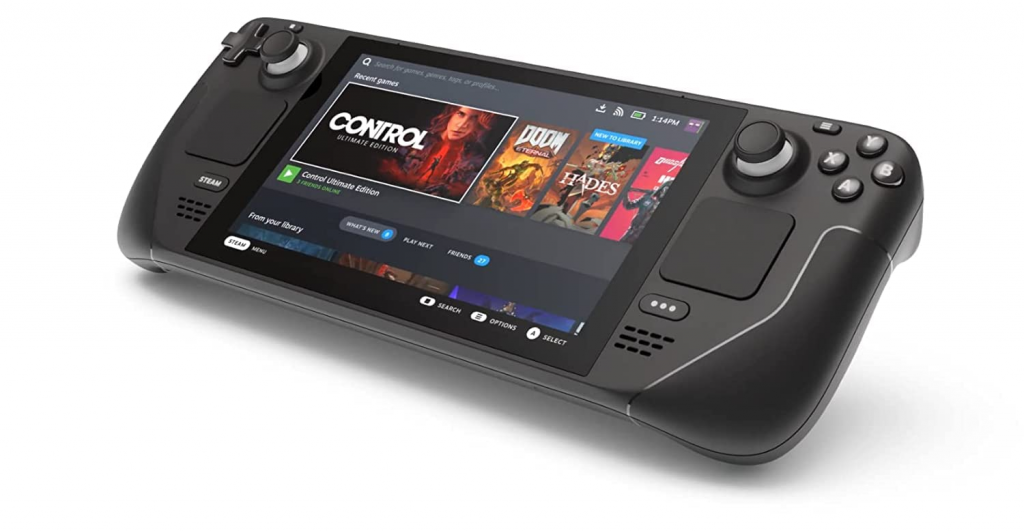
Valve’s Steam Deck continues to redefine portable gaming by delivering desktop-level library access in a handheld format that feels surprisingly ergonomic and powerful. The custom AMD architecture balances graphical fidelity with thermal efficiency, allowing demanding titles to run smoothly without excessive noise. The interface blends console simplicity with PC flexibility, giving players control over performance settings and mod support. Storage expansion options accommodate increasingly large game libraries, while cloud saves keep progress synchronised across devices. The display remains vibrant and responsive, enhancing immersion without overwhelming battery life. The Steam Deck remains one of the most disruptive gaming devices of the decade.
22. Asus ROG Xbox Ally X (From £599)
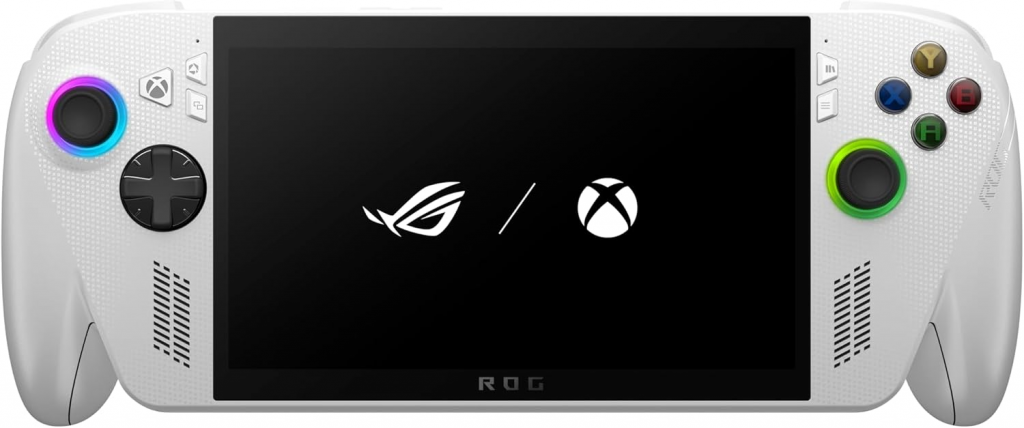
The ROG Xbox Ally X doesn’t politely enter the handheld arena; it arrives armed with raw performance and zero intention of compromise. Built around a custom high-efficiency chipset tuned for serious frame rates, it pushes AAA titles with surprising smoothness for a device that fits in your hands. The display is bright, fluid, and colour-rich, making fast-paced shooters and open-world epics feel genuinely immersive rather than “scaled down.” Ergonomics have clearly been studied; the grip design supports longer sessions without the hand fatigue that plagues many portable consoles.
Windows integration keeps the ecosystem open, while Xbox Game Pass access makes it instantly content-rich. Thermal management feels refined, keeping noise and heat under control even under pressure.
23. Vive Focus Vision (Around £999)

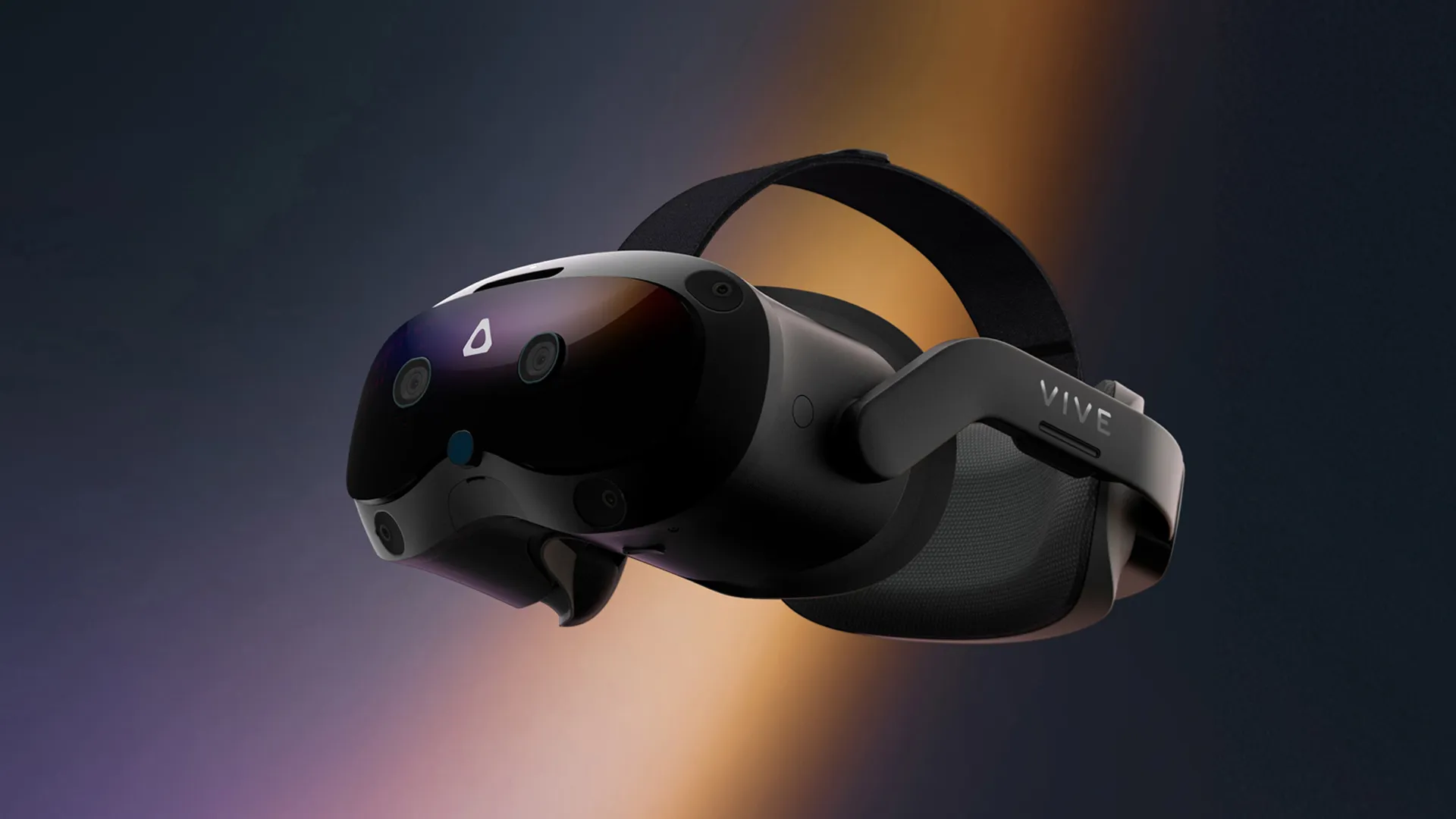
The Vive Focus Vision is less about gaming novelty and more about immersive computing, blending high-resolution optics with standalone freedom that doesn’t tether you to a PC. Visual clarity is noticeably sharper, reducing the screen-door effect and enhancing spatial depth in both gaming and productivity environments. Hand tracking feels more responsive, while eye-tracking capabilities hint at a more adaptive, gaze-aware future for XR. Mixed reality integration bridges physical and digital space in a way that feels intentional rather than experimental. Enterprise applications, virtual collaboration, and immersive media all benefit from improved processing power and reduced latency.
The headset is lighter than previous generations, improving wearability during extended sessions. This is VR evolving into something more versatile: less arcade, more ecosystem.
24. Alienware AW3225QF (Around £939)
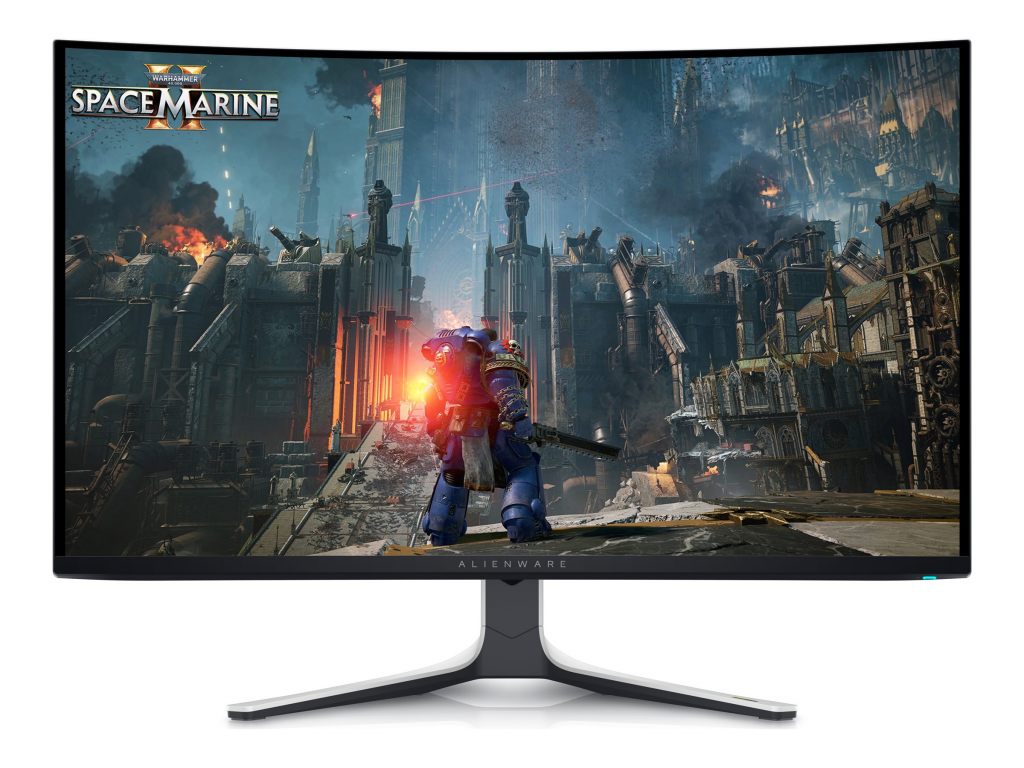
A 4K QD-OLED curved display at this scale is unapologetically indulgent, and the Alienware AW3225QF leans into that luxury with precision. The panel delivers deep blacks and luminous highlights that make HDR content feel cinematic rather than exaggerated. A high refresh rate ensures competitive gamers aren’t sacrificing speed for visual fidelity, creating a rare balance between beauty and performance. The subtle curvature enhances immersion without distorting perspective, wrapping gameplay around your field of vision. Build quality feels premium, with a stand that offers meaningful adjustability rather than decorative design. Connectivity options are modern and generous, supporting both console and PC setups seamlessly.
It’s not just a monitor: it’s a command centre for people who refuse visual compromise.
25. LG CLOiD Robot (Expected £2,000+)

LG’s latest home robot moves beyond novelty, presenting itself as an ambient domestic assistant rather than a rolling gimmick. Equipped with advanced sensors and AI-driven navigation, it maps interiors intelligently and adapts to changes in furniture or lighting. Voice interaction feels conversational rather than robotic, integrating with existing smart ecosystems to control lighting, climate and media.
The display interface adds personality, delivering notifications, reminders and contextual information in a subtle but visible way. Security monitoring features expand its role, allowing remote check-ins when you’re away from home. It’s less about replacing human presence and more about augmenting it.
The robot doesn’t just move through your home, it participates in it.
26. Samsung The Frame (2026 Edition) – From £1,299

Samsung’s The Frame continues to refine the art of invisibility, blending high-end display technology with gallery-level aesthetic integration. When active, the panel delivers crisp 4K clarity and balanced colour calibration suited for both cinema and casual viewing. When idle, it transforms into a curated art display, with matte finishing that reduces glare and enhances authenticity. The 2026 edition improves brightness control and adaptive sensors, ensuring artwork looks intentional in varying lighting conditions. Slimmer bezels and customisable frames allow it to merge seamlessly with contemporary interiors. Smart TV functionality remains fluid and intuitive, eliminating the need for external boxes. It’s television reimagined as décor, technology that understands space as much as content.
27. WiZ HDMI Sync Box with TV Backlight (Around £79)
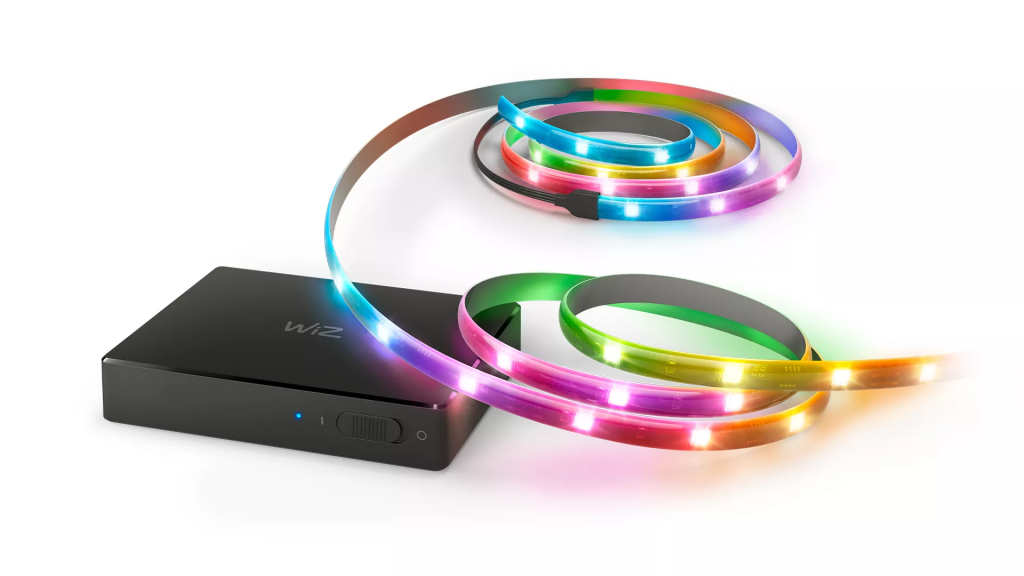
Ambient lighting isn’t new, but the WiZ HDMI Sync Box elevates it from gimmick to atmospheric enhancement by synchronising LED backlighting with on-screen colour data in real time. The result is a halo effect that expands visual immersion beyond the panel itself, subtly reducing eye strain during darker scenes. Setup is refreshingly simple, integrating with existing HDMI sources without demanding complex calibration. The WiZ app allows fine-tuned brightness, colour intensity and dynamic modes, giving users aesthetic control rather than fixed presets. Gaming, films and sports all benefit from added depth perception created by reactive lighting. For relatively modest investment, it transforms a standard TV setup into something that feels intentionally cinematic.
28. Reolink Video Doorbell WiFi (From £89.99)
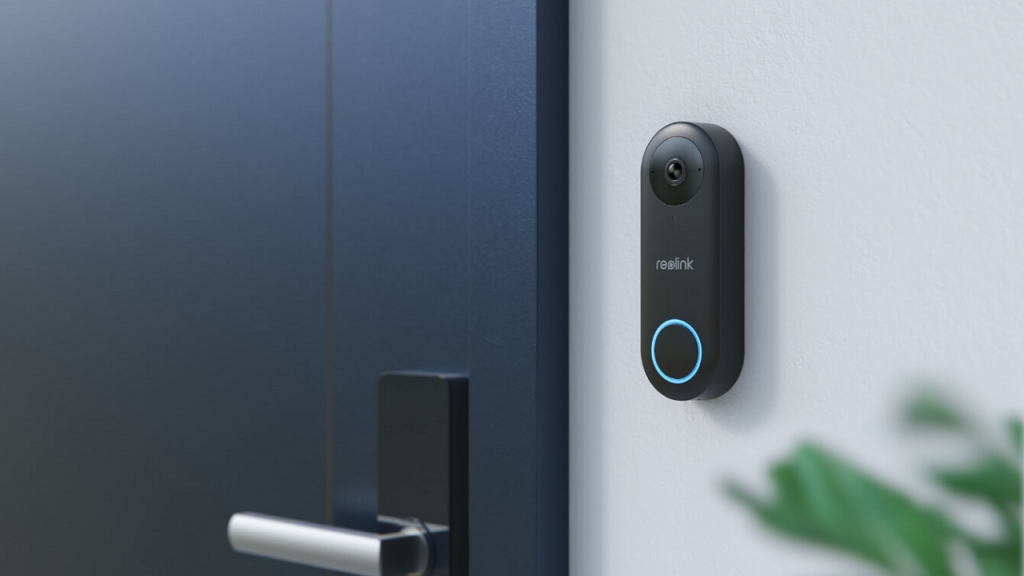
Home security continues to democratise, and the Reolink Video Doorbell WiFi offers robust surveillance without locking users into expensive subscription ecosystems. High-resolution video capture delivers crisp daytime clarity and reliable night vision performance, ensuring details remain visible when it matters. Two-way audio feels natural, allowing real-time conversation with visitors or delivery drivers. Motion detection alerts are customisable, reducing notification fatigue caused by passing traffic or pets.
Local storage options provide greater privacy control compared to cloud-only competitors. Installation is straightforward, making it accessible even to non-technical homeowners. This is practical security; effective, affordable, and refreshingly independent.
29. Thinkware ARC 900 Front & Rear Dash Cam Bundle (Around £369)
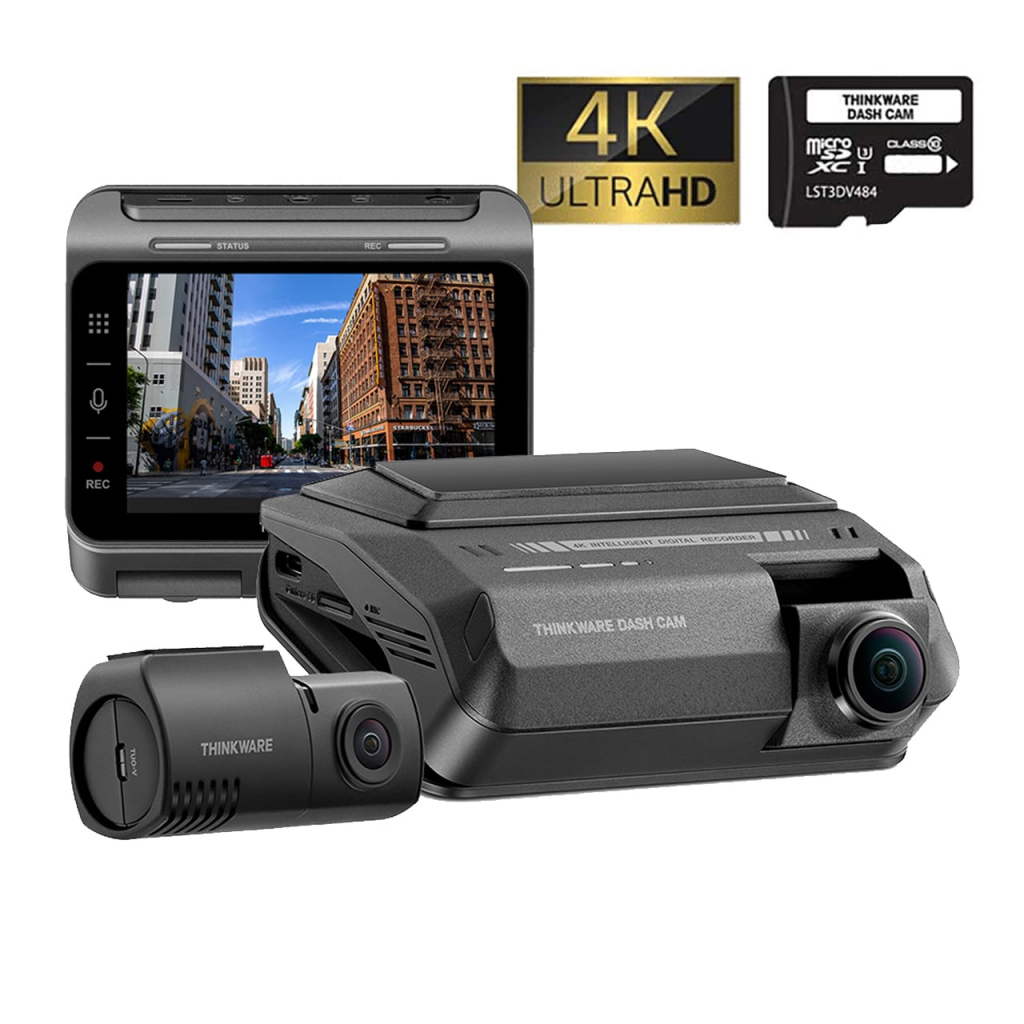
The Thinkware ARC 900 elevates dash cam technology into evidential-grade documentation, combining front and rear recording with high dynamic range clarity that captures licence plates even in challenging lighting. Built-in GPS embeds speed and location data directly into footage, transforming recordings into contextualised records rather than simple video files. Parking mode monitoring adds an extra layer of passive protection, activating automatically when impact is detected. The companion app is structured logically, allowing quick retrieval and sharing of clips without frustration. Image stabilisation and wide-angle lenses maximise field of view without distortion.
30. Halfords Nextbase 522GW Front & Rear Dash Cam Bundle (Around £299)
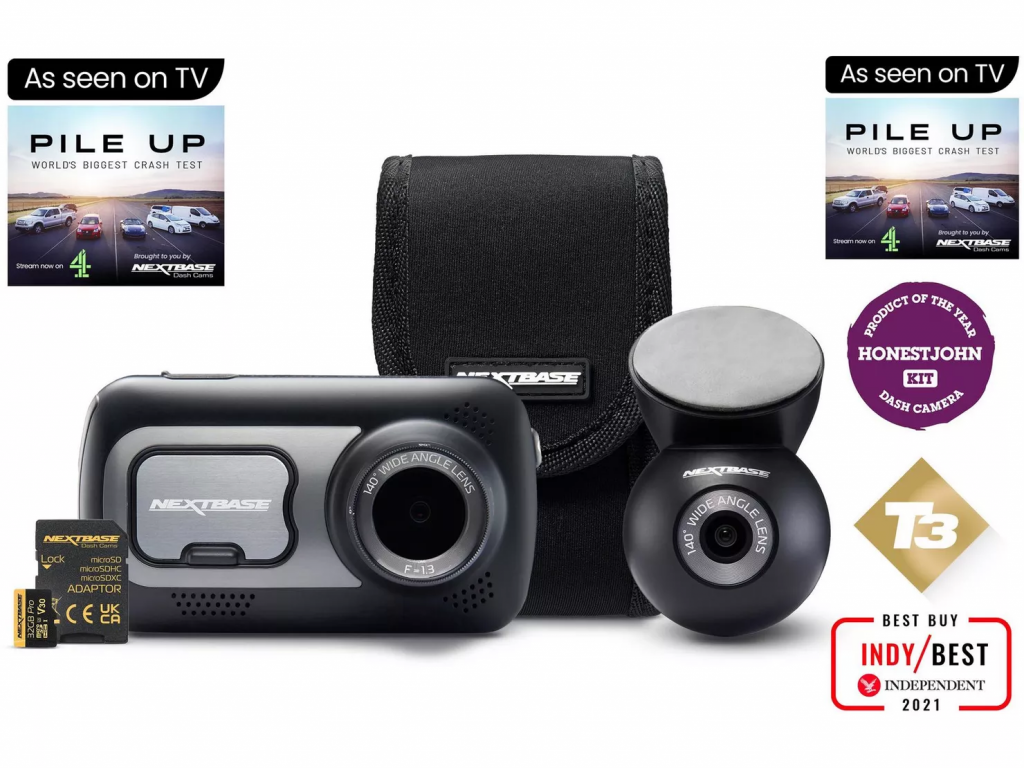
Nextbase has long been synonymous with accessible dash cam reliability, and the 522GW bundle continues that legacy with integrated Alexa support and emergency SOS features. Video quality is sharp, with improved low-light handling that reduces grain and enhances plate visibility. The rear camera expands coverage, creating a comprehensive recording environment that strengthens accountability in case of incidents.
Touchscreen controls simplify navigation through settings and playback. Wi-Fi connectivity ensures quick transfer of important clips to smartphones for insurance or legal purposes. It balances affordability with meaningful features rather than unnecessary complexity. For everyday drivers seeking peace of mind, it remains a solid, user-friendly choice.
31. Nextbase iQ (From £349 + Subscription)
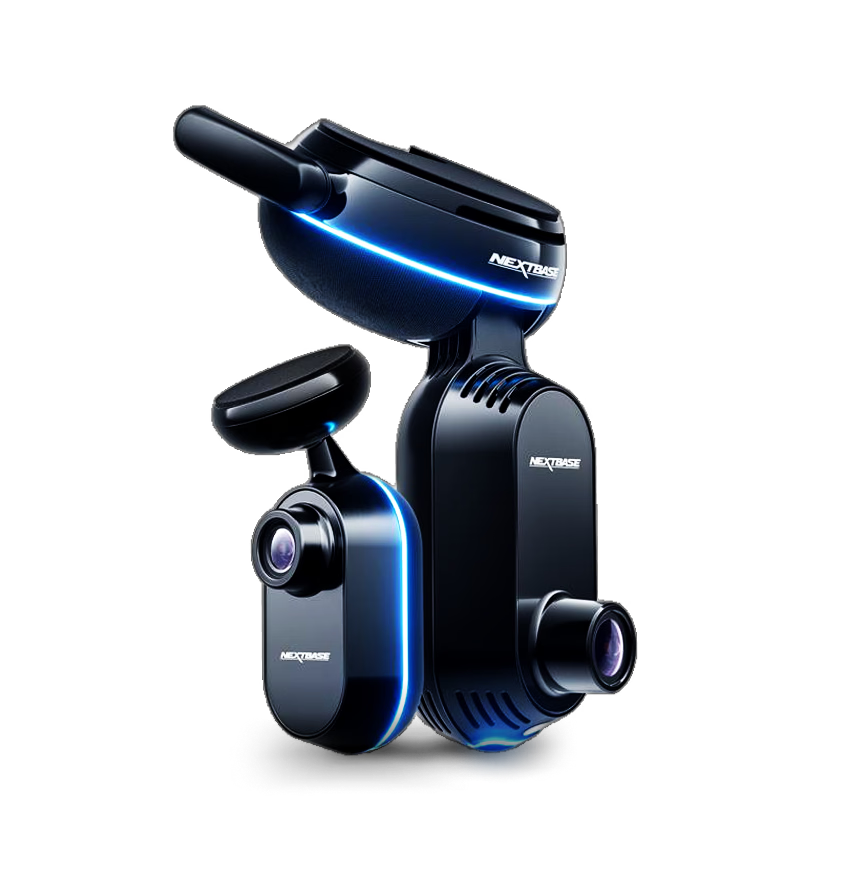
The Nextbase iQ pushes dash cam functionality into proactive surveillance territory, integrating 4G connectivity for real-time notifications and remote live viewing. Instead of simply recording incidents, it alerts you instantly if suspicious activity is detected around your parked vehicle. AI-powered scene analysis distinguishes between genuine threats and routine movement, reducing false alarms. The sleek design feels more integrated than traditional bulky dash cams, blending discreetly into modern interiors. Cloud storage ensures footage remains secure even if the device is damaged. Voice commands allow hands-free control while driving, prioritising safety. This is car security entering the connected era.
32. Eufy Robot Vacuum Omni S1 Pro + Dust Station (Around £1,299)
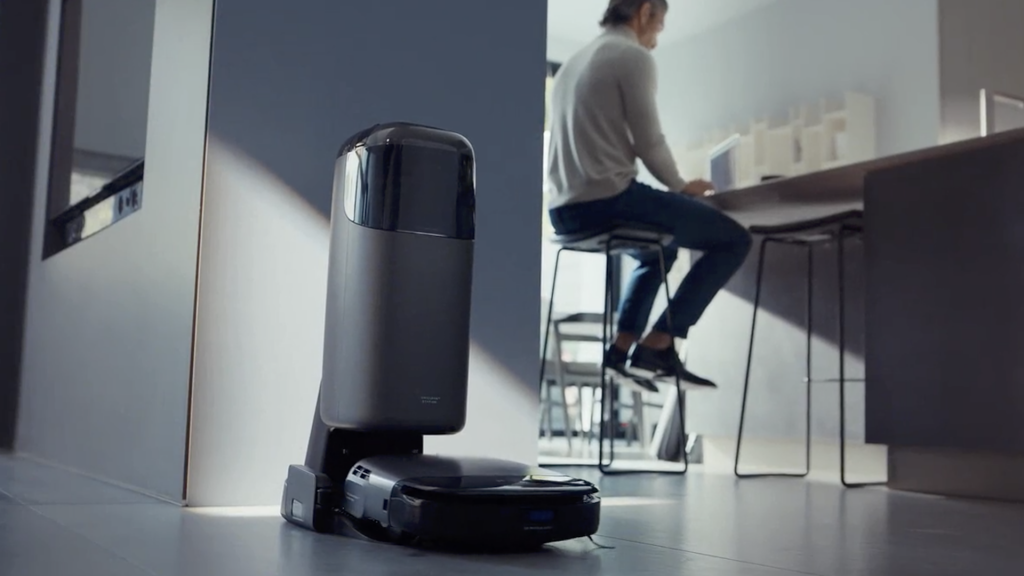
The Eufy Omni S1 Pro orchestrates full-cycle floor maintenance, combining powerful suction with automated mop washing and dust disposal. Advanced LiDAR mapping allows it to navigate complex layouts with impressive spatial awareness, avoiding cables and furniture with minimal intervention. The self-emptying base reduces manual maintenance, making the system feel genuinely autonomous rather than semi-automated. App-based customisation allows room-specific cleaning schedules and suction adjustments. Noise levels remain controlled, preventing it from feeling intrusive during operation. It’s domestic automation designed to disappear into routine.
33. Enabot Ebo Air 2 Pet Companion (Around £299)

The Ebo Air 2 isn’t just a rolling camera; it’s a mobile digital companion designed specifically for pet owners who refuse to leave curiosity unanswered. Equipped with HD video streaming, two-way audio, and interactive laser play features, it allows you to check in, talk to, and even entertain your pets remotely with surprising immediacy. Autonomous navigation enables it to patrol rooms without clumsy collisions, while obstacle detection keeps it from becoming a nuisance. Night vision ensures visibility even in low-light conditions, adding a subtle layer of home awareness.
The compact, rounded design feels approachable rather than mechanical. App control is intuitive, making spontaneous check-ins effortless. It transforms passive monitoring into interactive presence. For pet lovers, this isn’t surveillance, it’s connection.
34. Philips 5000 Series Dual Basket Air Fryer (From £199)
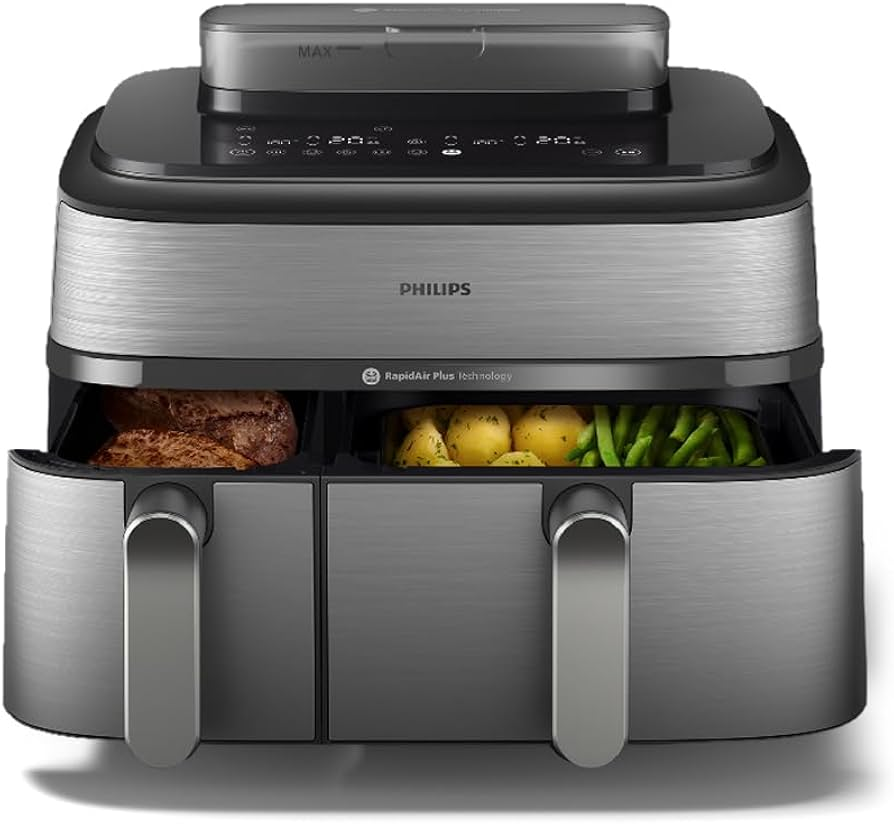
Air fryers have matured, and the Philips 5000 Series Dual Basket version understands that modern kitchens demand parallel efficiency. With two independently controlled compartments, it allows you to cook proteins and sides simultaneously at different temperatures without flavour crossover. Rapid air circulation technology ensures even crisping while reducing oil dependency, appealing to health-conscious households. The interface is clean and direct, eliminating guesswork with preset cooking profiles.
Energy efficiency remains a strong advantage over traditional ovens, especially for smaller portions. Cleaning is manageable thanks to non-stick components and dishwasher-safe baskets. It’s less about novelty and more about optimised daily cooking. Quietly practical, surprisingly transformative for weeknight meals.
35. Tokit C2 AI Omni Cook Robot (Around £899)
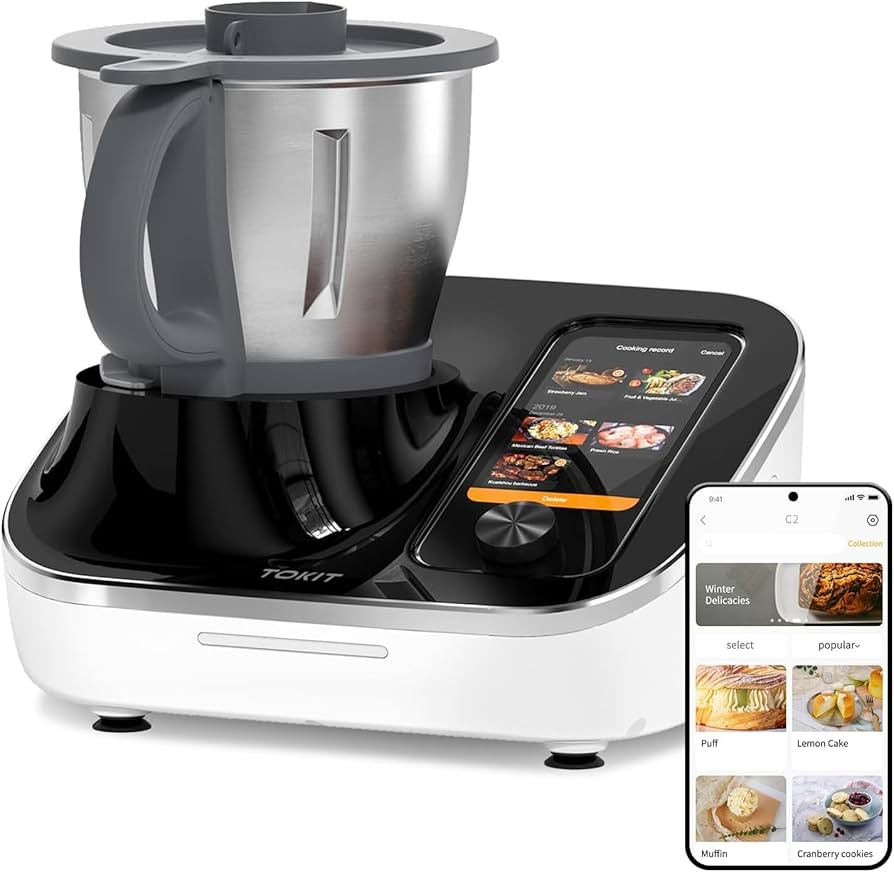
The Tokit C2 AI Omni Cook Robot positions itself as a countertop sous-chef rather than a gimmicky kitchen gadget, blending automated stirring, heating, and guided cooking into one cohesive system. Its built-in AI adapts cooking parameters based on ingredient weight, temperature, and recipe complexity, reducing human error without removing creativity. The integrated touchscreen displays step-by-step guidance that feels instructional rather than overwhelming. Multi-functionality replaces several standalone appliances, from slow cooker to blender to steamer. Precision temperature control ensures sauces don’t split and proteins don’t overcook. Connectivity allows recipe updates and cloud-based expansion. It’s less about replacing cooking : more about elevating consistency. For ambitious home chefs, this feels like augmented culinary intelligence.
36. SHARK FacialPro Glow + DePuff (Around £299)

The SHARK FacialPro Glow + DePuff brings spa-adjacent treatment into daily skincare routines through a combination of LED light therapy and controlled micro-massage stimulation. Designed to target puffiness, dullness, and uneven tone, it uses calibrated wavelengths that penetrate deeper than surface-level creams ever could. Cooling technology works in tandem with light exposure to reduce visible inflammation, especially around the under-eye area.
The ergonomic design allows smooth gliding across facial contours without awkward angles. Battery life comfortably supports multiple sessions before recharging. It’s not an overnight miracle: it’s cumulative optimisation. Skincare is shifting from passive product layering to active device-led treatment. This is beauty tech stepping confidently into clinical territory.
37. Ziip Halo (From £379)

Ziip Halo pushes microcurrent technology into luxury territory, delivering dual-wave stimulation that aims to tone facial muscles and enhance collagen production over time. The device connects to a companion app that customises treatment sessions based on skin goals, from sculpting to lifting to brightening. Electrical currents are carefully calibrated to remain effective without discomfort, creating subtle but noticeable tightening after consistent use. The gold-toned finish reinforces its premium positioning, feeling more jewellery than appliance. Portability ensures treatments can integrate seamlessly into travel routines. It doesn’t promise unrealistic transformation ; it promises incremental refinement. Beauty in 2026 is about bioelectric optimisation, and Ziip understands that shift.
38. FOREO FAQ Swiss Device (Around £599)
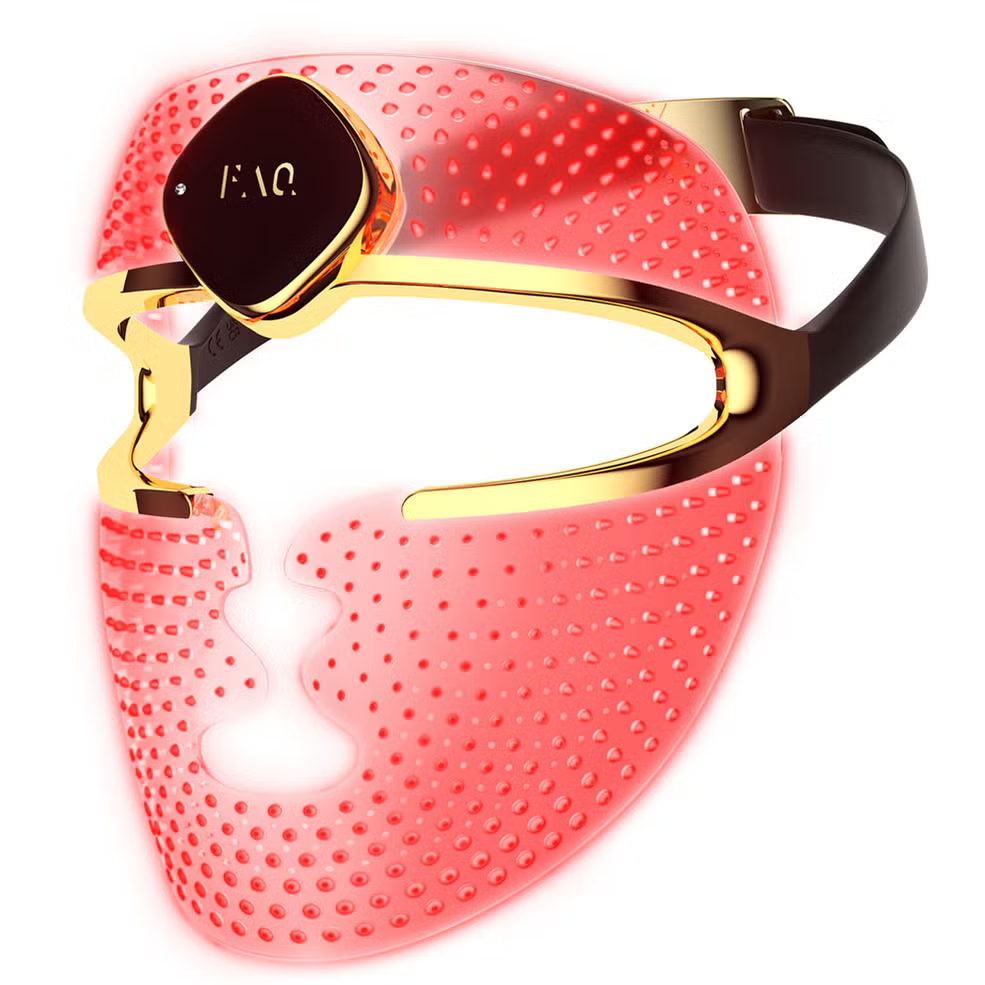
FOREO’s FAQ Swiss line leans into medical-grade inspiration, offering advanced LED and radiofrequency treatments in a device engineered for home precision. Multiple light wavelengths target different concerns, from acne reduction to collagen stimulation, while radiofrequency penetrates deeper layers to encourage firmness. The silicone construction remains hygienic and easy to clean, a signature advantage over many competitors. Temperature control ensures comfort during longer sessions. App-guided protocols make clinical-style treatment more approachable without oversimplifying science. It feels like skincare merging with dermatology rather than beauty marketing. High-tech, high-commitment, high-impact.
39. NIRA Pro Laser (From £588)

The NIRA Pro Laser brings non-ablative laser treatment into domestic space, using controlled heat energy to stimulate collagen regeneration without invasive procedures. Designed for targeted wrinkle reduction, it focuses on precision rather than full-face overwhelm. Clinical studies support its mechanism, reinforcing credibility beyond influencer hype. Treatments require consistency, but cumulative improvement becomes visible with disciplined use. The handheld design is compact yet robust, delivering calibrated pulses that feel warm but manageable.
40. CurrentBody LED Multi Light Therapy Mask (From £499)
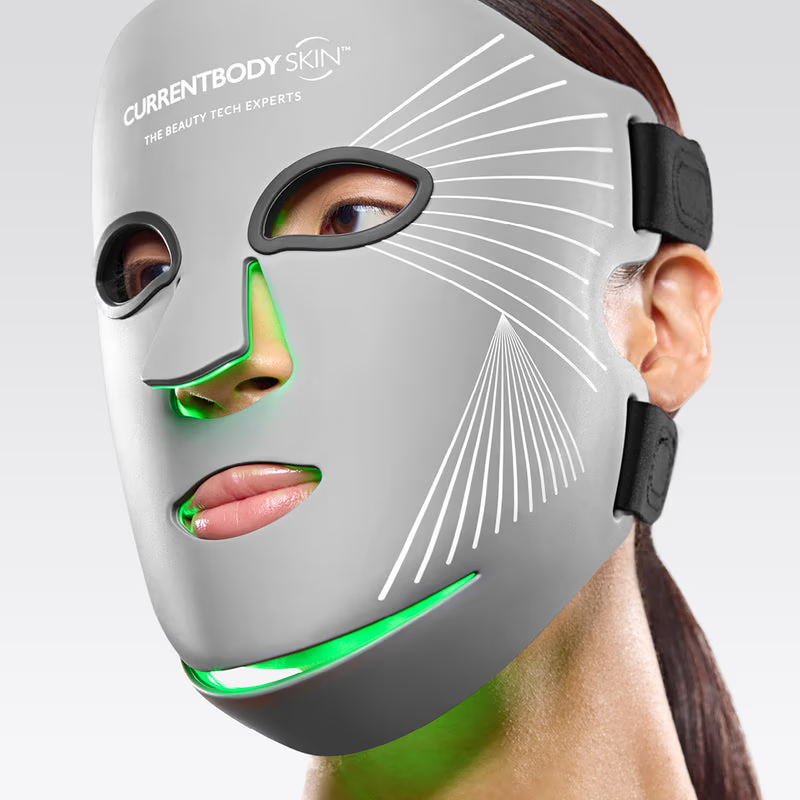
The CurrentBody LED mask embraces full-face light therapy through a flexible, close-fitting design that maximises skin contact and energy absorption. Multiple wavelengths operate simultaneously, targeting fine lines, pigmentation, and inflammation in layered fashion. The wearable format allows multitasking during treatment sessions, blending self-care with productivity. Medical-grade LED calibration ensures effective penetration without overheating. It’s lightweight, portable, and easy to store despite its sci-fi silhouette. Regular sessions feel ritualistic, almost meditative.
41. Hydrow Arc Rower (From £$2,295)
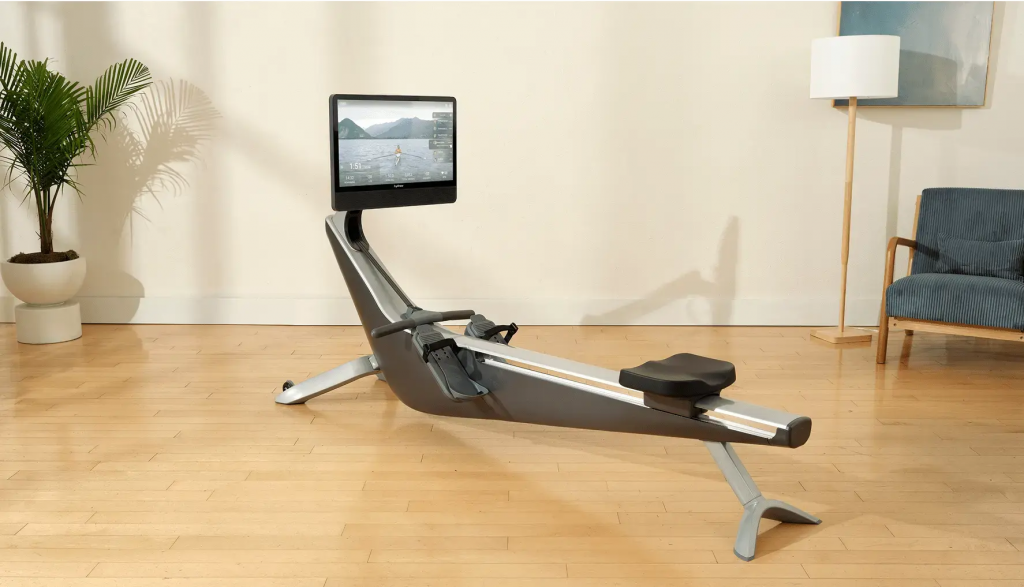
The Hydrow Arc Rower transforms indoor cardio into cinematic immersion, combining electromagnetic resistance with live-streamed scenic workouts filmed on real waterways. The motion feels fluid and natural, closely mimicking on-water rowing mechanics. The integrated display delivers instructor-led sessions that feel engaging rather than repetitive. Compact design compared to traditional rowers makes it more apartment-friendly. Performance tracking integrates metrics like stroke rate, power output and heart rate for measurable progression.
42. Infrared Sauna Blanket (From £1,595)
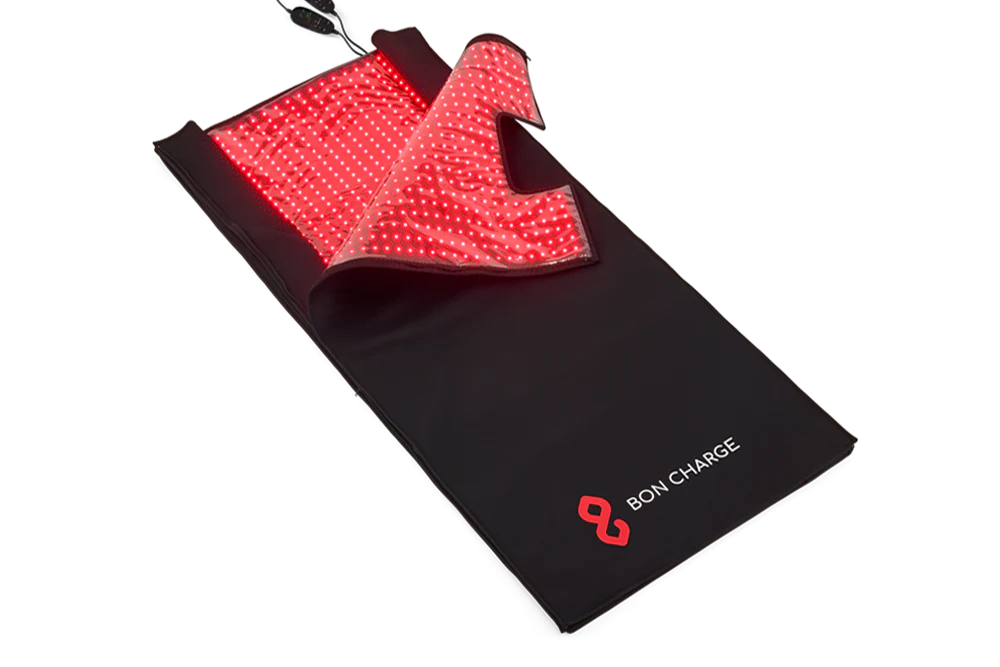
Infrared therapy moves beyond spa exclusivity with sauna blankets designed to deliver controlled heat exposure within the comfort of home. Unlike traditional steam saunas, infrared penetrates deeper into tissue layers, encouraging muscle recovery and improved circulation. Temperature settings are adjustable, allowing gradual acclimatisation for beginners. Compact folding design makes storage manageable even in smaller spaces. Sessions feel intense yet controlled, often leaving users with noticeable relaxation and post-workout recovery benefits.
43. Moflin CASIO (Around £369)

Moflin by Casio is one of the strangest and most intriguing gadgets of the year: an AI-driven emotional companion designed to evolve based on interaction patterns. Covered in soft fur and shaped like a minimalistic creature, it responds to touch and voice with subtle behavioural shifts over time. Machine learning algorithms allow it to “develop” personality traits influenced by user engagement. It’s not a toy in the traditional sense; it’s an experiment in digital companionship. Battery life supports extended interaction sessions, and charging is discreet. In an era of loneliness and hyper-connectivity, Moflin asks uncomfortable questions about attachment and technology.
44. AeroPress Manual Coffee Grinder (Around £199)
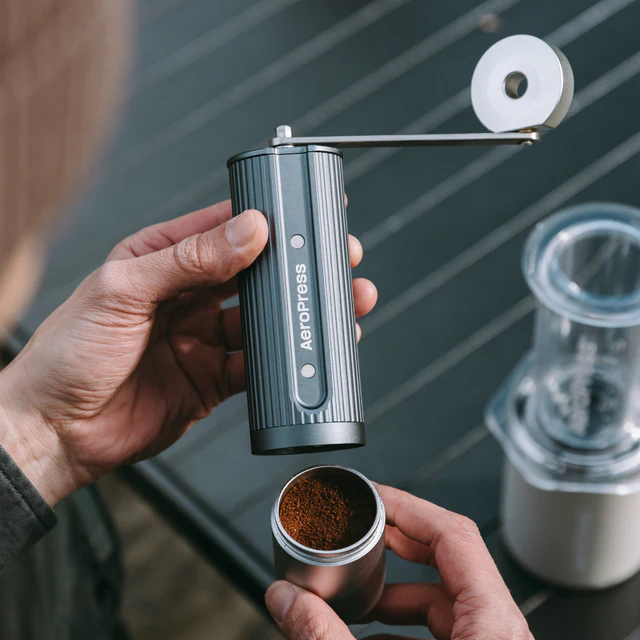
Precision coffee culture has shifted from café counters to kitchen rituals, and the AeroPress Manual Coffee Grinder embraces that tactile transformation with unapologetic mechanical purity. Built with stainless steel burrs engineered for consistent particle distribution, it allows users to fine-tune grind size for espresso, pour-over or immersion brewing with impressive accuracy. The hand-crank mechanism feels deliberate and satisfying, turning preparation into ceremony rather than convenience. Compact enough for travel yet robust enough for daily use, it pairs naturally with AeroPress systems without excess bulk.
45. LARQ Bottle PureVis™ 2 (From £129)

Hydration goes intelligent with the LARQ PureVis™ 2, which integrates UV-C LED purification technology directly into a double-walled stainless steel bottle. At the press of a button, ultraviolet light neutralises bacteria and odour-causing microbes, keeping both water and bottle interior fresher for longer without chemical additives. The connected app tracks hydration levels and reminds you when intake drops below optimal thresholds. Thermal insulation maintains temperature for hours, whether cold or hot. The design is sleek, minimal, and distinctly premium, resisting the “sports bottle” aesthetic. Charging is discreet via USB-C, reinforcing modern convenience. It’s wellness quantified and sterilised.
46. NINJA Cold Press Juicer (Around £129)

The NINJA Cold Press Juicer focuses on extraction efficiency rather than speed theatrics, using slow-rotation auger technology to minimise heat buildup and preserve nutrients. Pulp control settings allow users to adjust texture preferences rather than accepting one fixed consistency. The motor operates quietly, making early morning juicing less disruptive. Anti-drip spouts reduce counter mess, while dishwasher-safe components streamline cleanup. The compact vertical design occupies minimal surface space compared to traditional centrifugal models. Yield feels generous, maximising produce value. It’s not flashy; it’s optimised nutrition engineering for everyday use.
47. JURA C8 (Around £895)
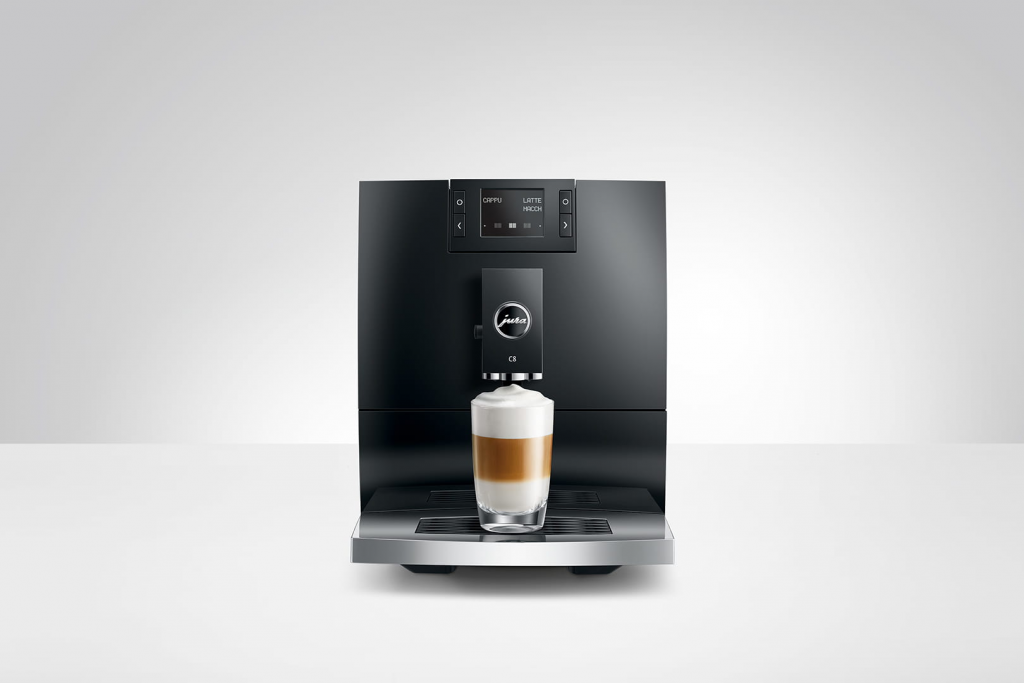
The JURA C8 enters the premium automatic espresso arena with Swiss-engineered precision and a design philosophy rooted in understated elegance. Its Professional Aroma Grinder ensures consistent grind quality, while pulse extraction technology optimises water contact time for richer flavour development. The one-touch interface simplifies complex drinks without diluting quality. Milk texturing is smooth and microfoam-consistent, rivaling many café outputs. The water filtration system reduces maintenance frequency while protecting internal components. The machine operates quietly, reinforcing its refined presence.
48. 32” LG Smart Monitor Swing (Around £899)

The LG Smart Monitor Swing is one of the most visually playful yet functionally serious displays of the year, combining a 32-inch 4K IPS touchscreen with a fully adjustable rolling stand that transforms it into a movable digital workstation. Unlike static desktop monitors, this one pivots, tilts, rotates and glides effortlessly across spaces, making it equally suited for gaming sessions, creative work or streaming in different rooms. The integrated webOS platform means it operates independently from a PC when needed, allowing direct access to apps and cloud services. Touch interaction feels responsive and accurate, bridging tablet-like fluidity with desktop scale. Colour reproduction is vibrant without oversaturation, and viewing angles remain consistent thanks to IPS panel technology. It’s less about raw gaming aggression and more about flexible immersion. A monitor that adapts to your life instead of anchoring it.