


Don’t Buy a Galaxy S25, Wait for the Samsung Galaxy S26
If you were thinking of upgrading to the Samsung Galaxy S25 this quarter, take a breath and put your credit card back in your pocket. The rumor mill, supply-chain whispers, and the cadence of Samsung’s own roadmap all point to a bigger, smarter, and more consequential Galaxy refresh on the horizon.
This isn’t just incremental polishing. The Samsung Galaxy S26 looks poised to be the kind of generational leap that changes how we think about flagship phones. That matters now because buying in at the tail end of a cycle often leaves early adopters paying for the past instead of investing in the near future.
Why the Galaxy S25 is not the best choice right now
The headline is simple. Samsung is likely saving its most headline-grabbing moves for the Galaxy S26. Reports and industry chatter hint at meaningful upgrades across imaging, silicon, on-device intelligence, and software experience. For buyers, that means the Galaxy S25 could arrive as a solid, safe phone; but not the one you’ll be talking about in 12 months.
Smartphone launches follow a rhythm. Mid-cycle players tidy up the experience. Big generational changes are reserved for the marquee release. In this cycle, it appears Samsung is preparing a bigger swing: a more advanced neural processing architecture, smarter AI features baked into the camera and UI, and camera hardware improvements that aim to compete with the best from Google and Apple. If those reports are true, the S26 will be the story of the year for Android.
Samsung’s playbook and what the Galaxy S26 could be
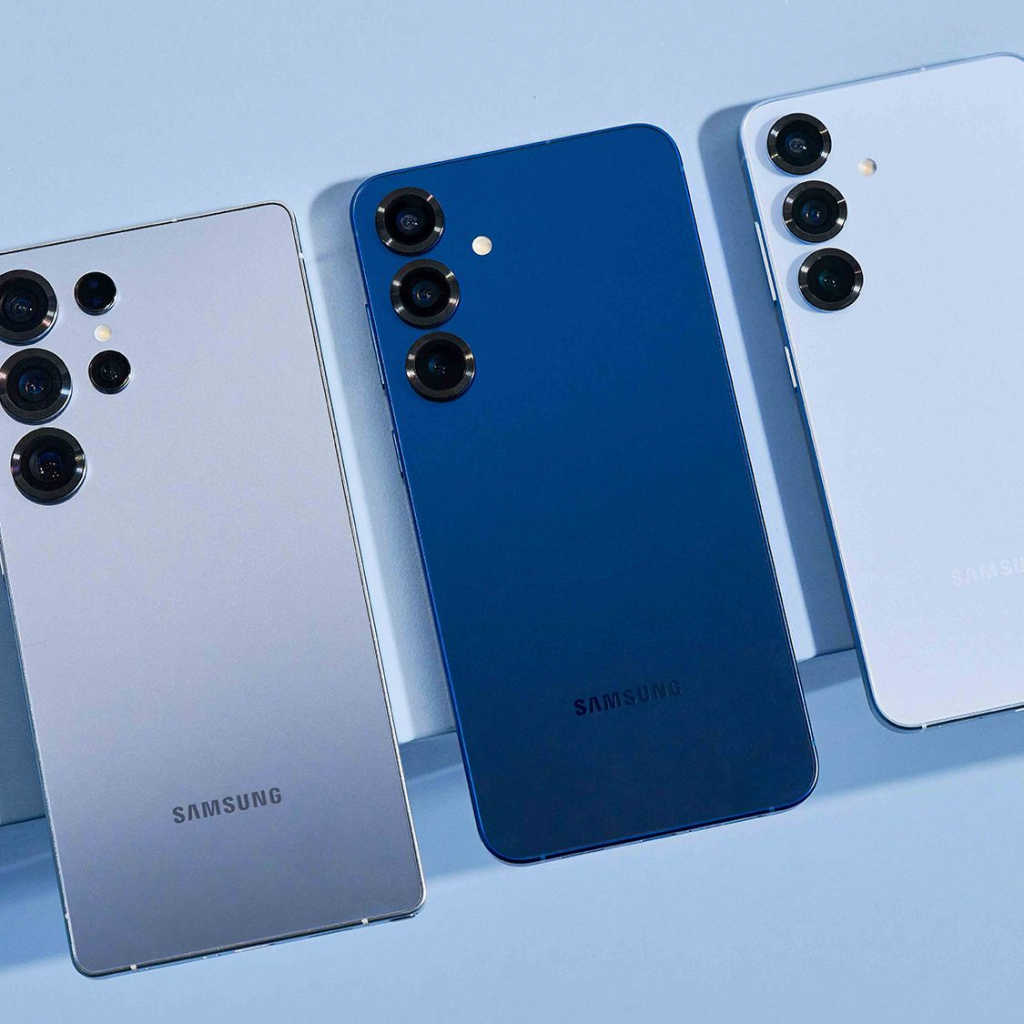
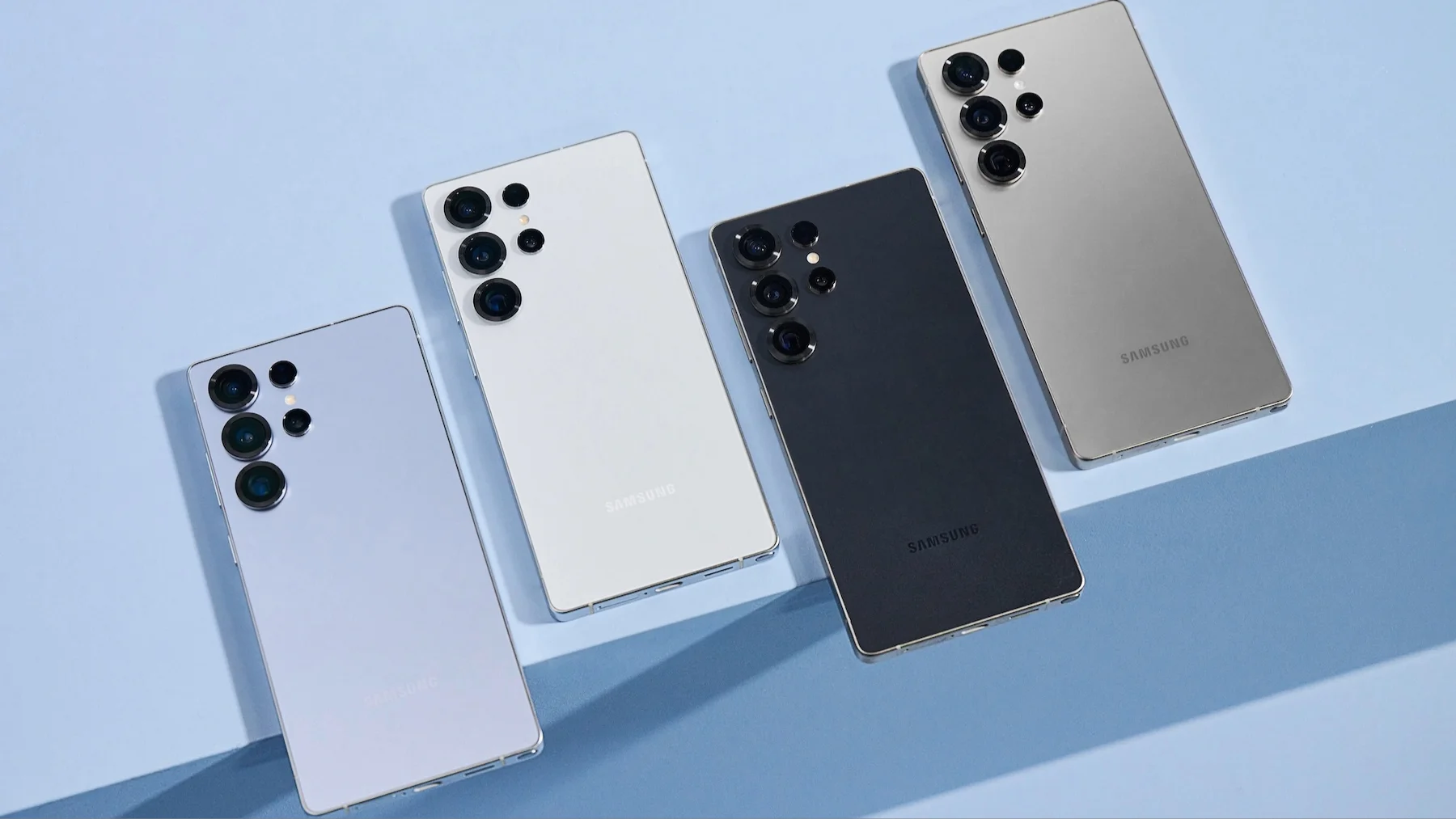
Samsung has built its reputation on iteration with occasional ambition. The S series refines display quality, chipset performance, and camera processing year over year. But the company also has a habit of reserving radical changes until they can be executed across the hardware and software stack. Think of the way Galaxy Z devices slowly nudged foldables into the mainstream or how the S23 Ultra’s camera choices shaped expectations for premium telephoto performance.
For the S26, the ingredients that matter are familiar: a new flagship chipset, better on-device AI, improved optics, and perhaps a rethink of battery and thermals. What’s different is the ambition. Conversations with supply-chain sources and analysts suggest Samsung is accelerating its investment in neural processing units that can run more capable AI models locally. That shift would enable features that are faster, more private, and less dependent on cloud connectivity.
Put all of that together and you have a phone that feels stylistically familiar but behaves in new ways. It’s like buying last season’s luxury suit versus waiting for the new cut that makes everything fit better.
Technical details explained without the hype
Rumors about the S26 point toward several technical upgrades that, when combined, deliver a different user experience rather than simply better numbers on a spec sheet. First, a beefier neural processing unit means more complex computations can be handled on-device. Translation, image processing, and contextual assistants could work faster and with more privacy. Second, expect a more efficient flagship chipset which improves battery life and thermal performance, making sustained high-load tasks like gaming and 8K video capture more realistic.
Camera rumors are especially compelling. Instead of chasing ever-larger megapixel counts, the trend is toward smarter sensor stacks and periscope zooms that deliver usable long-range shots. Image processing will likely lean on AI-assisted computational photography to make low-light and high-contrast scenes look natural while rescuing detail at greater distances.
Software is the glue that turns hardware into experience. Samsung’s One UI has matured into a polished skin, and tighter integration between Samsung’s software developers and the silicon team could mean features that actually feel native rather than tacked-on. Imagine contextual photography suggestions, smarter home screen actions based on habits, and battery optimization tuned to your daily flows.
Market impact and cultural relevance
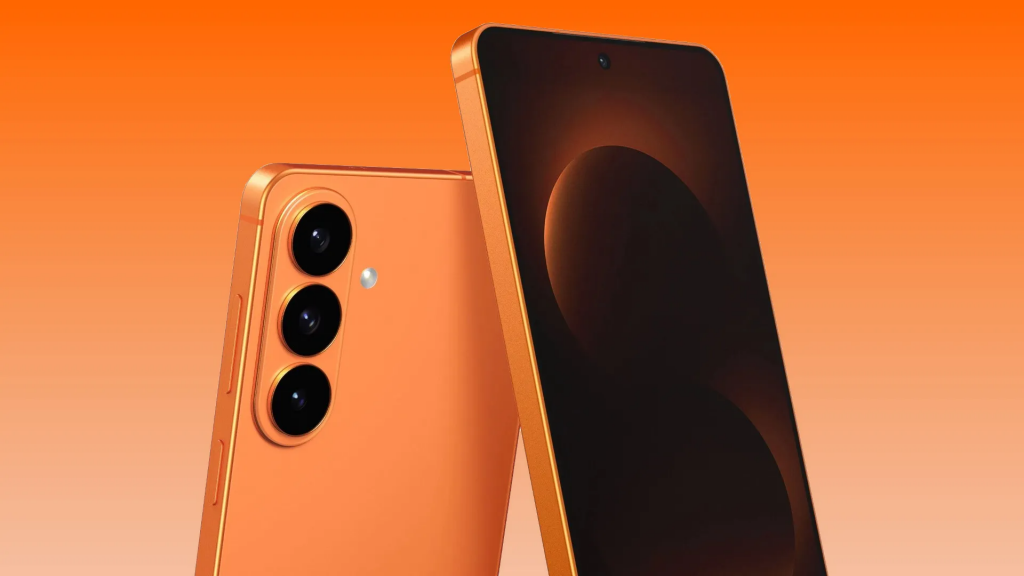
If the S26 delivers on these fronts, the implications ripple beyond Samsung. Android flagships would be forced to accelerate on-device AI, and Apple would see renewed pressure to highlight the unique advantages of iPhone hardware and chip design. For consumers, it means a faster pace of meaningful improvements, and for carriers and retailers it changes the timing of trade-in promotions and financing deals.
There’s also a cultural element. Smartphones are no longer just hardware; they function as personal assistants, creative studios, and privacy guardians. The S26’s potential focus on offline AI plays into growing consumer concern around data privacy and latency. A phone that can do more without tapping the cloud is appealing to professionals, travelers, and anyone who values speed and discretion.
What Samsung insiders and the brand say
Officially, Samsung stays neutral. The company rarely telegraphs big product-level specifics ahead of launch. What we can do is read between the lines. Public messaging has shifted toward “on-device intelligence” and “privacy-first” features, and Samsung’s investment patterns indicate chip-level innovation is a priority. Executives have also hinted at a tighter integration between Galaxy hardware and Samsung’s AI initiatives.
Industry insiders suggest Samsung is being strategic about timing. The company knows that launching too many striking changes at once brings risk. Instead, staging them into a flagship refresh like the S26 gives Samsung a cleaner narrative and a better chance to manage supply and marketing. Expect measured announcements accompanied by clear demos showing the real-world value of new features.
What this means for consumers
For buyers, the calculus is straightforward. If your current phone is functional and you’re not in urgent need of a camera upgrade or battery rescue, waiting is the smarter move. Flagships usually retain trade-in value best when you time the upgrade just before the next generation lands. Buying the S25 now means you’ll likely sell it at a loss or regret it when the S26’s features make headlines.
That said, there are always exceptions. If you need a phone immediately, or if carrier promotions make the S25 a bargain when paired with services you plan to keep, the S25 will still be a solid device. Samsung knows how to make dependable handsets. The cautionary note is that you may be buying yesterday’s innovation for tomorrow’s price.
How the S26 could compare to past Galaxies and rival phones
Comparing the rumored S26 to the S25 is less about raw comparisons and more about a change in emphasis. The S25 will likely refine the S24 lineage: polished displays, competent cameras, and incremental battery and processing gains. The S26 could be where Samsung pivots, emphasizing on-device AI and smarter computational photography in ways that feel like a platform upgrade.
Against rivals, a successful S26 launch would reposition Samsung against Google and Apple in new ways. Google has leaned hard into AI features that tie into its Tensor chips and integrated services. Apple keeps pushing proprietary silicon and privacy-centric AI. Samsung’s winning card might be the combination of cutting-edge hardware, a mature app ecosystem, and the freedom of Android. If Samsung nails the on-device AI experience, it could outpace rivals who still rely heavily on cloud processing for similar features.
Practicalities: price, timing, and trade-ins
One reason shoppers consider the S25 now is price predictability. New launches often carry premium tags. Samsung is aware of this and typically staggers prices to capture multiple buyer segments. If you wait, you might get the S26 at launch price, or you could use the S25 as leverage in a trade-in deal a few months later.
Retailers and carriers will play a big role. Expect promotions timed around the S26 launch that make upgrades tempting, like generous trade-in values for older Galaxy models or bundled perks like earbuds and credits. Patience can be financially savvy, but only if you’re not forced into a purchase by an unexpectedly urgent need.
What to watch for and when to pull the trigger
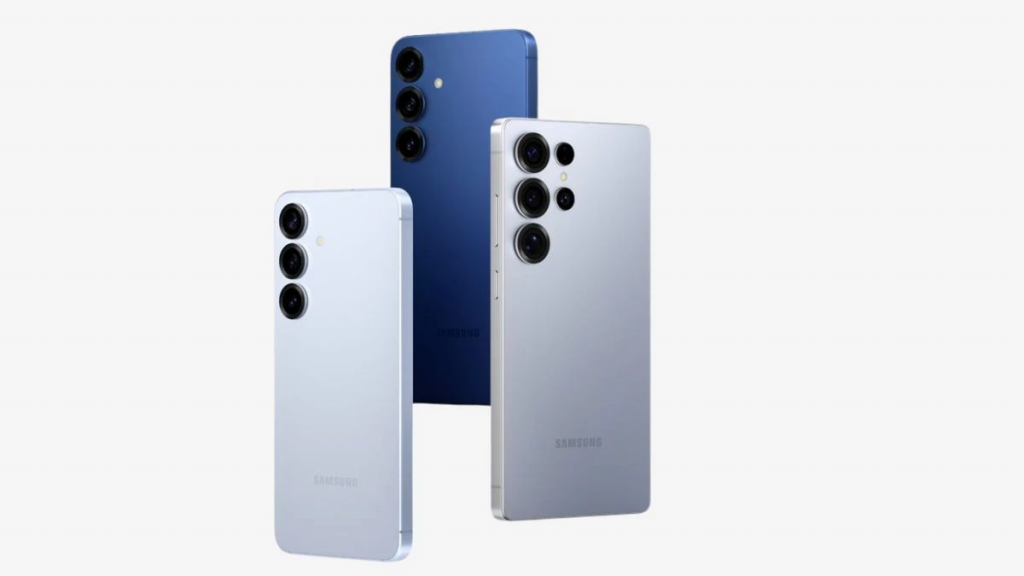
Keep an eye on three things. First, credible leaks about on-device AI capabilities and the neural processing unit. Demos or benchmarks that demonstrate tasks running locally, quickly, and without cloud reliance are a strong signal. Second, camera samples that display consistent zoom quality and improved low-light handling without oversharpening. Third, battery and thermal test results showing that sustained performance is reliable.
If those boxes are checked and the price is reasonable, the S26 will be an easy recommendation. Until then, the S25 remains an option for those who need a handset now or who find a deal they can’t refuse.
Conclusion
There is always a tension between wanting the latest gadget now and waiting for the next step forward. The Samsung Galaxy S25 will almost certainly be a capable phone. But if you care about having a device that looks and acts like the future, waiting for the Galaxy S26 is the smarter play. The potential for meaningful AI-centric upgrades, improved imaging, and better sustained performance suggests the S26 could be the story of the year for flagship Android phones.
In consumer tech, timing is part of taste. If you love being on the cutting edge, hold off for just a bit. Your next phone should not only be about today’s shine. It should be about what matters tomorrow. And from where we stand, the Galaxy S26 looks like the phone that will matter.