



Polar Loop review: The understated fitness band that still knows how to coach
Polar Loop arrives with the confidence of a device that is not trying to be everything, it is trying to be useful. Loop stakes a claim as a focused activity tracker that aims to keep you moving, sleeping better, and connected to the Polar training ecosystem without asking for your full attention.
Small band, big personality: why this matters now
There is a strange comfort in a product that refuses to overpromise. Polar Loop is not trying to replace your phone, it is not trying to shout notifications at you, it wants to be a nudge and a reliable logbook. That approach matters because many people are looking for a simple device that helps build healthy habits, rather than another gadget to obsess over. Loop’s philosophy is visible in its clean design, its quiet notifications and its focus on actionable feedback. The result is a tracker that is oddly calming to wear, because it is purposeful and modest at the same time.
Design: rubber, lights and a very wearable attitude
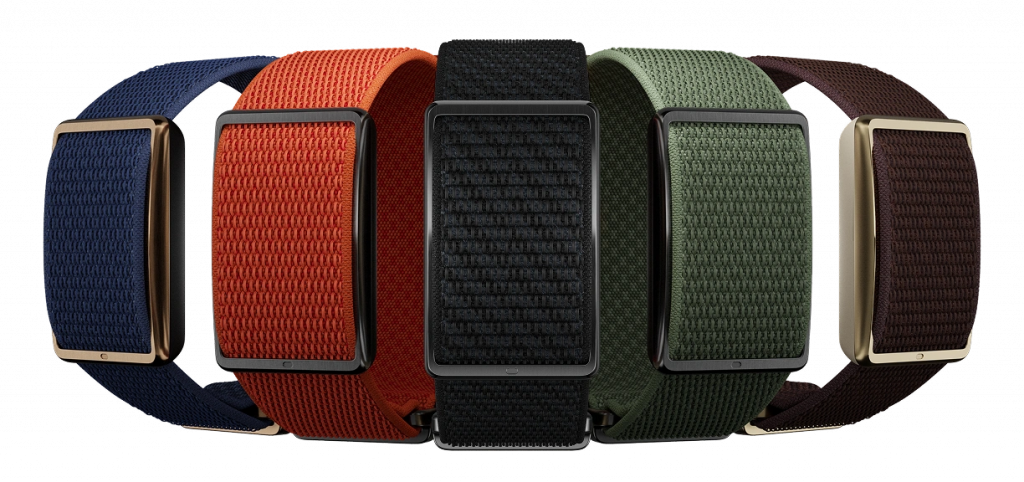
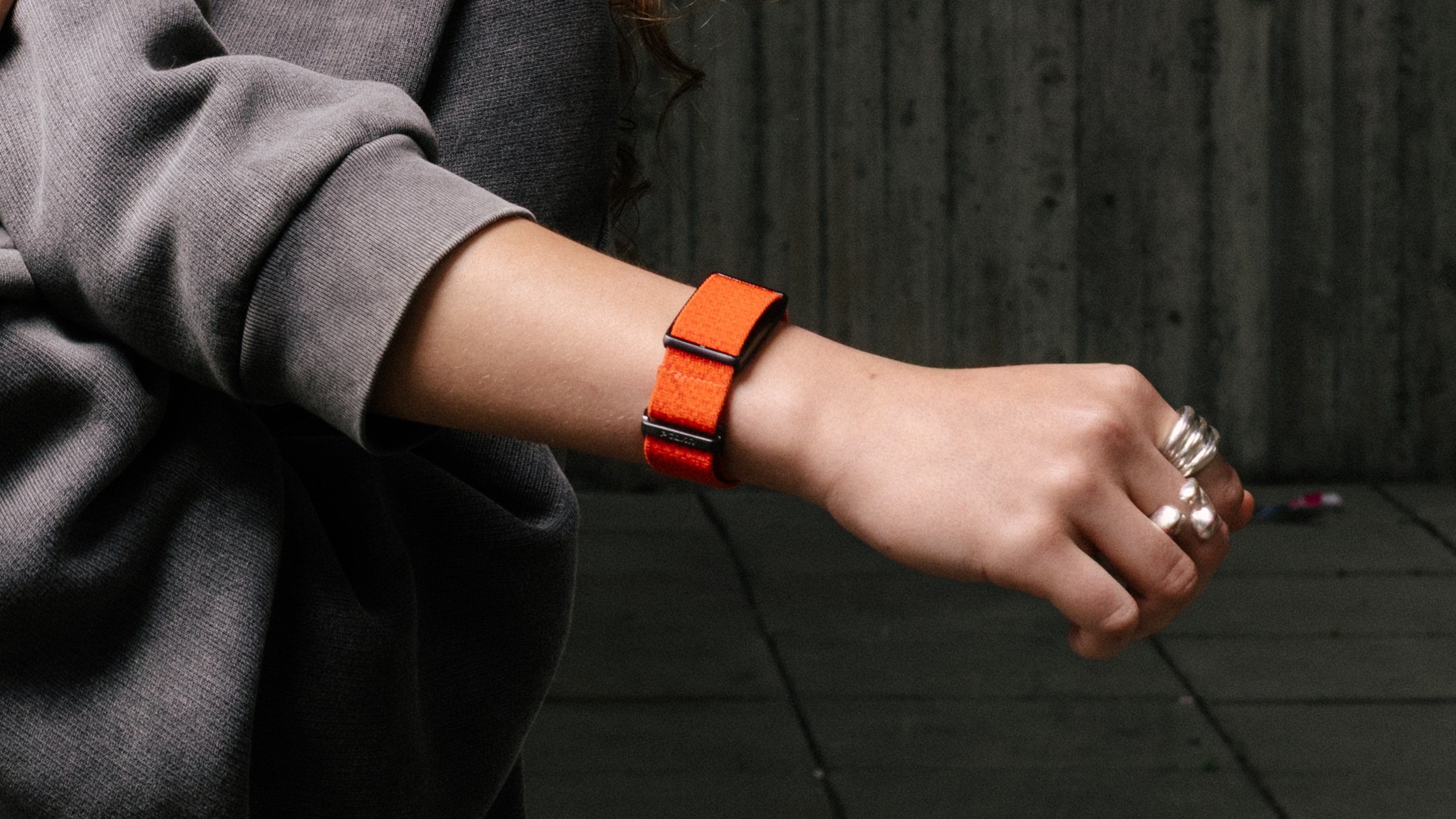
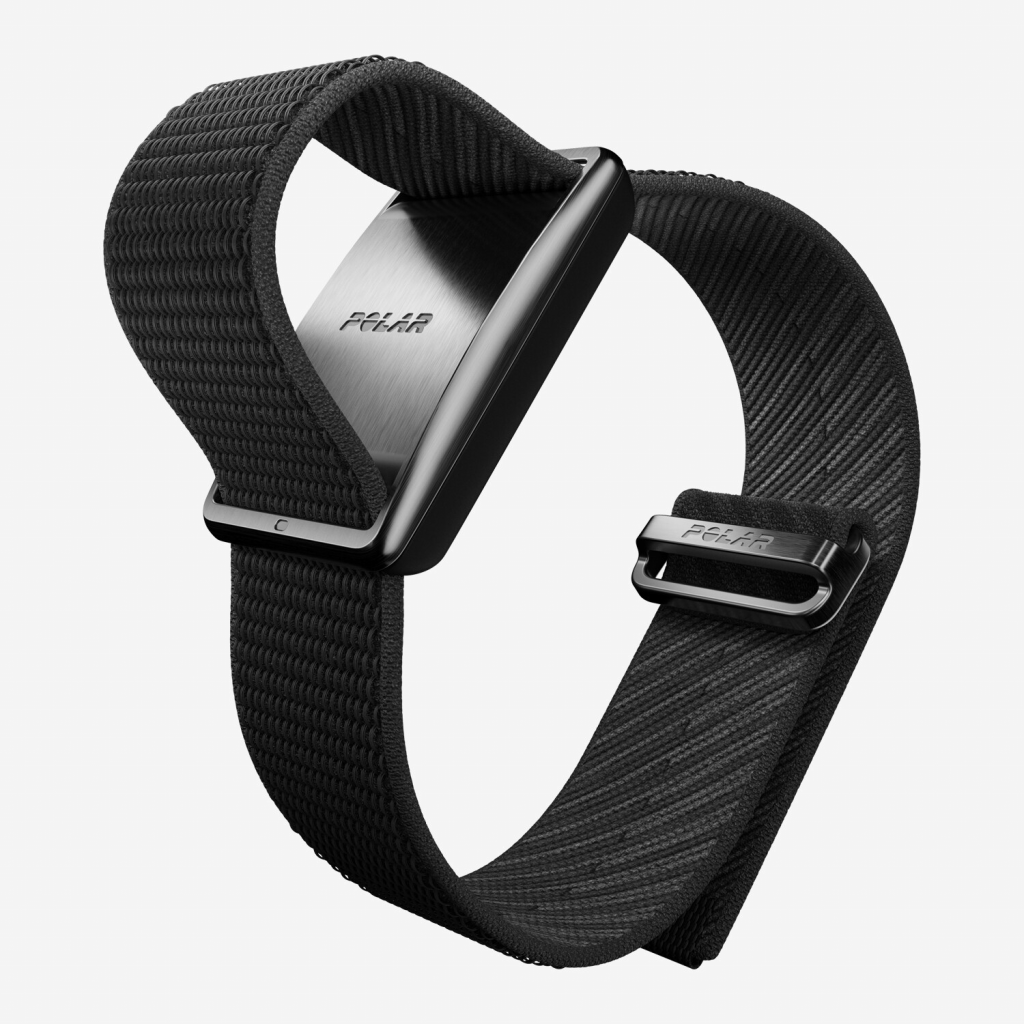
At first glance Loop looks like a thick rubber bracelet, which is precisely the point. The band hugs the wrist, it feels sturdy without being heavy, and the materials are built for everyday life: sweat, showers, and accidental scrapes. Polar has chosen a design language that sacrifices the jewelry appeal of some rivals for something more utilitarian and durable. The top of the band features a row of small lights that act as a visual progress meter, giving you a glanceable summary of activity without requiring a screen interaction. There are no flashy bezels, no glass face to scratch, just a simple, purposeful shape that blends into whatever day you are having.
Comfort can make or break a wearable. On that front Loop performs well. The band sits flat, the clasp keeps it secure, and because it is not trying to be a watch, it does not get in the way of daily tasks. Smaller wrists may find it a touch bulky, but most people will appreciate that Loop feels less like an intrusive device and more like a reliable companion. The trade off is aesthetic subtlety: if you want your wearable to be a style statement, this is not the loudest choice. If you want durability and discretion, Loop hits the mark.
Technology under the hood: simple sensors, smart thinking
Polar Loop keeps the hardware straightforward, using motion sensors to translate movement into steps, active time and calorie estimates. There is no built in optical heart rate sensor, which may disappoint those used to wrist heart sensing. Polar’s choice here actually exposes a belief about accuracy: when heart rate matters, use a chest strap. Loop integrates with Polar chest straps to capture precise heart data during workouts, so the band is a bridge to deeper training metrics rather than a one stop health lab.
Connectivity is pragmatic. The band syncs with Polar’s app to transfer data and update goals, and the ecosystem around the device is where much of its intelligence lives. The device also uses vibration to deliver gentle alerts, a helpful way to remind the wearer to move without demanding constant attention. These technological choices contribute to a low fuss, low maintenance experience: think of Loop as a quiet recorder and nudger, rather than a flashy data engine.
Real world performance: what living with Loop is actually like
The true test of any fitness band is life with it on your wrist over weeks, not hours. Loop performs consistently: it logs steps and active minutes reliably, and its inactivity reminders have a funny way of actually working. You notice the subtle buzz, stand up, walk around and at the end of the day you often find your progress lit up on the band. For general activity tracking and habit nudging Loop is satisfying, because it rewards incremental success rather than punishing lapses.
Accuracy when compared to a dedicated pedometer or a GPS watch will vary, as with all wrist worn trackers. Loop errs toward conservative counting in my experience, which is preferable to wildly optimistic step inflation. Where it shines is in day to day reliability. The battery lasts comfortably across several days of normal use and charging is straightforward, so you are not constantly hunting for a cable. When paired with a chest strap during workouts, the combined setup becomes noticeably more serious: heart rate zones, duration, and calorie burn estimates all gain a level of credibility that Loop alone cannot provide.
Standout features: the things that survive everyday life
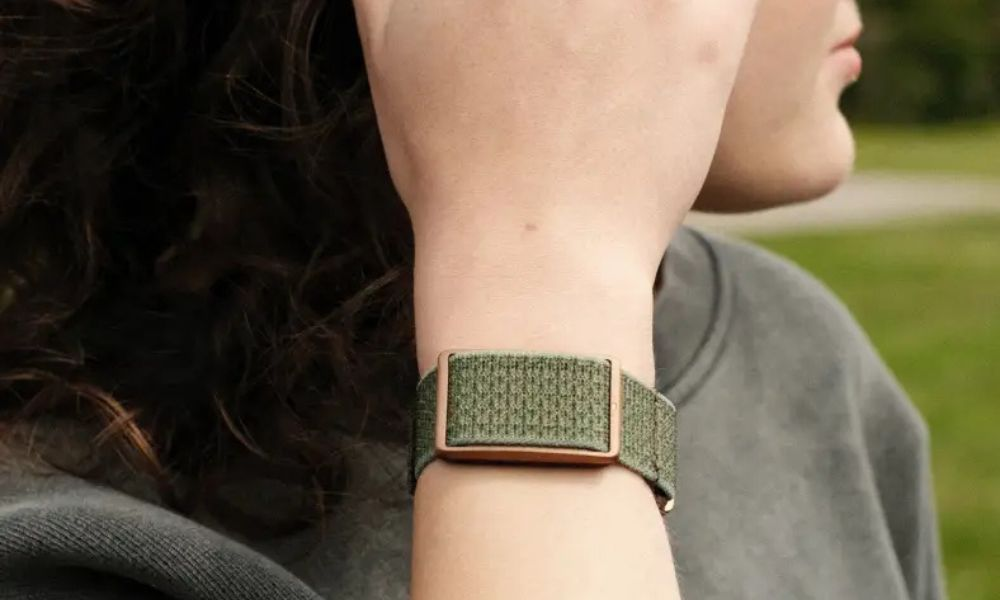
Polar did not try to cram too many features into Loop, instead the company refined a few useful ones. The activity progress lights are a brilliant little UX trick: they turn abstract goals into an instant visual score. Sleep tracking is handled through movement analysis, offering a practical snapshot of how well you slept without turning your bedroom into a mobile lab. The inactivity alerts are more effective than they sound, nudging you into short bursts of activity that, over time, change behavior.
Another highlight is the integration with Polar Flow, the ecosystem where data is transformed into insight. Polar Flow provides training plans, activity summaries and the ability to export data for deeper analysis. For people who want a gentle entry into fitness planning, Loop plus Flow is a compelling combination. It gives you enough depth to improve without requiring that you become a metrics expert overnight.
Use case: who should actually buy Polar Loop
Polar Loop suits a wide but specific group. It is a smart choice for fitness newcomers who want structure and encouragement, for busy professionals who need gentle reminders to move, and for seasoned athletes who prefer a simple activity tracker and pair it with a separate chest strap during training. It is particularly good for people who dislike constant screen interaction. If you want to be coached rather than overwhelmed, Loop fits neatly into that ethos.
However, it is not for everyone. If you live and die by smartwatch features: notifications rich with context, voice replies, and apps, Loop will feel too quiet. Similarly, if you require built in GPS for accurate route mapping, or a wrist based heart rate sensor for constant biometric monitoring, this is not the device for you. But for someone who wants consistent activity tracking, easy habit nudges and a robust companion app, Loop is precisely what they need.
Drawbacks, softly stated: what you should consider
No product is perfect and Loop’s compromises are the source of both its strengths and its limits. The absence of a wrist heart sensor keeps the design clean and battery life reasonable, but it also means extra hardware if you want accurate heart rate during workouts. The display is intentionally minimal which supports glanceable feedback but limits the depth of information shown on the device itself. For a handful of users these trade offs will be a deal breaker, for many they will be tolerable or even preferable.
Another quibble is styling. The functional look that makes Loop durable also makes it less fashionable compared to sleeker rivals. For daily wear that blends in, this is fine. For people who think of wearables as fashion accessories, the choice feels utilitarian. These are not insurmountable complaints, they are simply reminders that Loop is designed with habit formation and durability in mind rather than fashion or full smartwatch functionality.
Why it still matters: the Polar philosophy in action
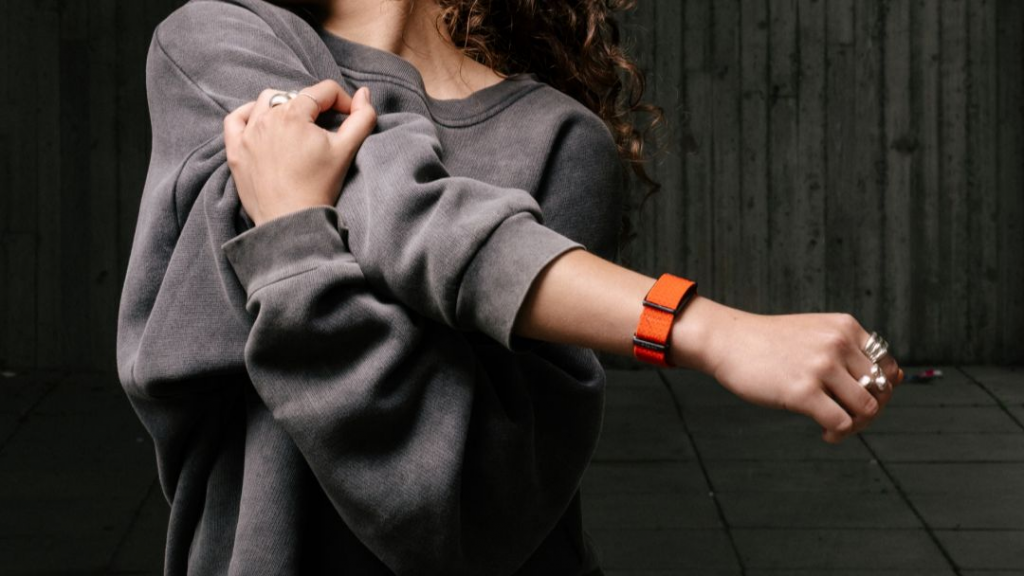
In a landscape where wearables often race to add more sensors and louder screens, Polar Loop is a modest counterpoint. It embodies a design philosophy that values reliable feedback and meaningful coaching over novelty. This approach matters because the best wearable is the one you keep using, and Loop’s simplicity encourages continued engagement. By focusing on the essentials: movement tracking, sleep awareness, and seamless integration with a thoughtful app, Polar has created a product that actually helps build healthy behavior rather than becoming another digital distraction.
Loop also reinforces an important lesson about ecosystems. The tracker alone is useful, but when it connects with Polar Flow and compatible heart rate sensors, it becomes a tool with wider utility. That interoperability matters for people who want to grow into more structured training without abandoning the friendly, unobtrusive device that got them started.
Conclusion: who should pick Polar Loop and why it earns a recommendation
Polar Loop is not flashy, it does not scream for attention, and that is precisely why it works. It is a thoughtfully executed activity tracker that nudges you to move more, helps you understand your sleep, and integrates with a mature training platform for those who want deeper insights. If you are seeking a wearable that encourages healthier habits without adding notification drama, Loop is an excellent match. If you crave smartwatch toys, built in GPS or wrist based heart rate day and night, look elsewhere.
Ultimately Loop succeeds because it knows what it is good at and it pursues that aim with quiet confidence. It is a practical band for people who want dependable tracking and meaningful guidance without a steep learning curve. For those users Polar Loop is not merely a device on the wrist, it is a small, sensible coach that makes daily wellbeing easier to achieve.