
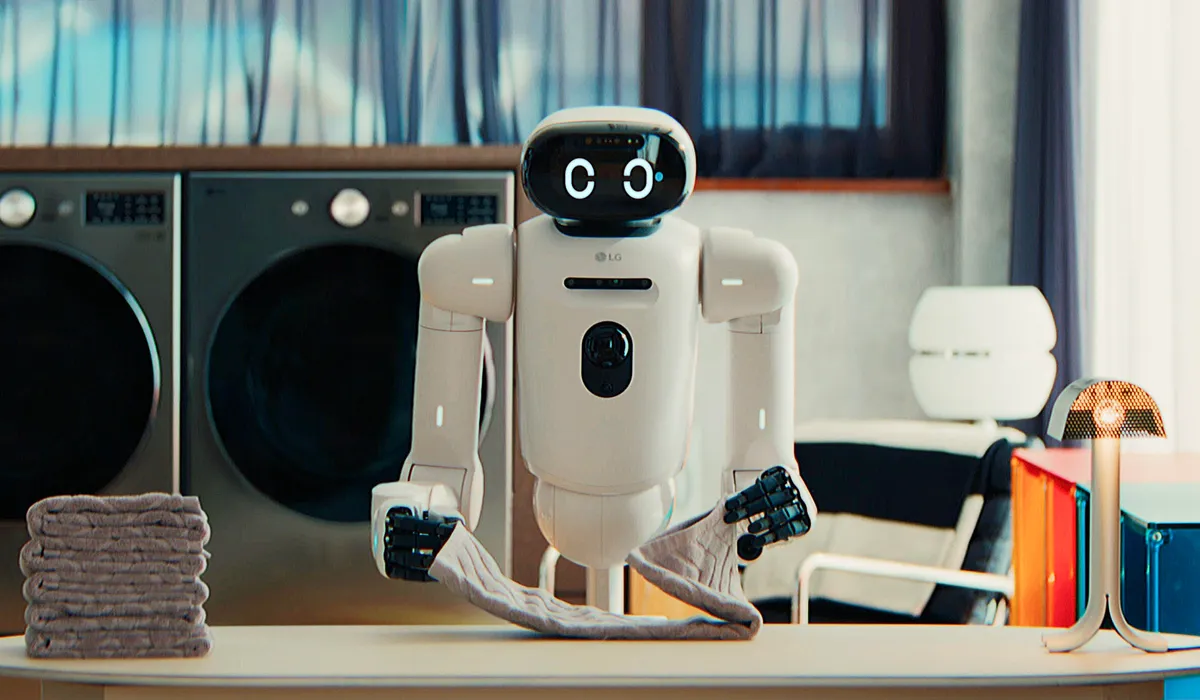
CES 2026: The Robots Are Growing Up
Robots have always been a CES crowd-pleaser. Flashy demos, humanoid silhouettes, choreographed movements designed more for cameras than kitchens. For years, they were symbols of a future that felt perpetually five years away.
CES 2026 changes that story.
This year, robots didn’t feel like concepts searching for a purpose. They felt purposeful. More grounded. Less theatrical. The big shift wasn’t about robots becoming more human: it was about them becoming more helpful. Folding laundry instead of waving. Cleaning smarter instead of louder. Assisting quietly rather than demanding attention.
What we saw in Las Vegas wasn’t the robot revolution promised in sci-fi. It was something far more realistic, and far more likely to stick. Robots that fit into daily life, handle narrow but meaningful tasks, and coexist with humans instead of trying to replace them.
Here’s a deep look at the most compelling robots from CES 2026, and why this year may finally mark the moment robots move from novelty to necessity.
Home robots stop performing and start working
For a long time, home robots were stuck in an identity crisis. Too complex to be appliances. Too limited to be companions. CES 2026 brought clarity.
LG CLOiD: the most realistic home robot yet
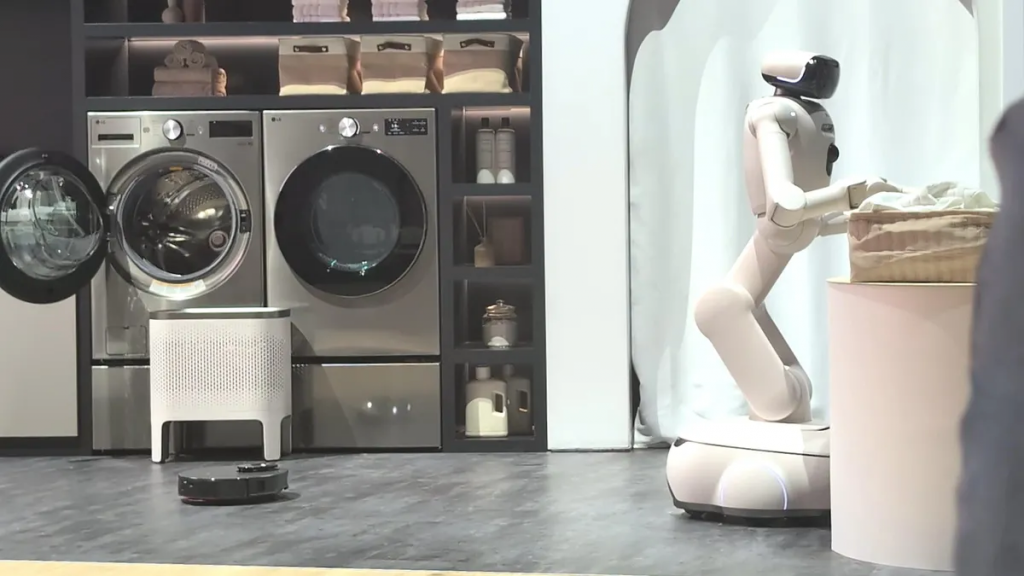
LG’s CLOiD was one of the clearest signals that the industry is shifting gears. Instead of presenting a humanoid designed to mimic people, LG focused on mobility, manipulation, and usefulness.
CLOiD moves on a mobile base and features articulated arms with multiple degrees of motion, allowing it to perform household tasks like folding laundry, stacking clothes, fetching items, or placing food into an oven. It doesn’t pretend to be fast or flawless, and that honesty matters.
What makes CLOiD interesting isn’t that it can do everything. It’s that it can do specific things reliably. Folding laundry is slow, repetitive, and universally disliked. A robot that handles it consistently doesn’t need to be charming. It needs to work.
Equally important is CLOiD’s role as a moving smart-home interface. Instead of shouting commands at a speaker across the room, you interact with something that follows you, responds contextually, and acts as a physical bridge between you and your connected home.
CES 2026 made one thing clear: the future home robot isn’t a butler. It’s a helper.
Robot vacuums evolve from brute force to real intelligence
Robot vacuums have been “good enough” for years. CES 2026 shows they’re becoming genuinely smart.
This year’s models focus less on raw suction numbers and more on perception. Improved lidar, camera-based object recognition, and on-device AI allow robot vacuums to understand what they’re cleaning: not just where they’re going.
Instead of dragging debris across rooms or getting confused by cables and pet toys, the latest robots identify objects in real time, adjust cleaning strategies dynamically, and even recognize mess types. Wet spill? Switch modes. Pet hair cluster? Increase passes. High-traffic zone? Prioritize it automatically.
The biggest improvement isn’t visible on spec sheets. It’s behavioral. These robots interrupt you less, get stuck less often, and require less babysitting. That’s real progress.
Service robots step out of science fiction and into public spaces
CES 2026 also highlighted a growing class of robots designed not for homes, but for shared environments.
Service robots are increasingly appearing in hotels, hospitals, airports, and offices: and the ones shown this year felt less experimental and more production-ready.
These robots focus on logistics and assistance rather than interaction theater. Delivering supplies. Guiding visitors. Monitoring environments. Cleaning large spaces autonomously. They’re built to operate quietly, predictably, and safely around people.
What stood out at CES was how little these robots tried to draw attention to themselves. No exaggerated faces. No forced personalities. Just calm, deliberate movement and task execution.
That restraint is intentional. In public environments, the best robot is the one that blends in.
Humanoid robots get less hype, and more purpose
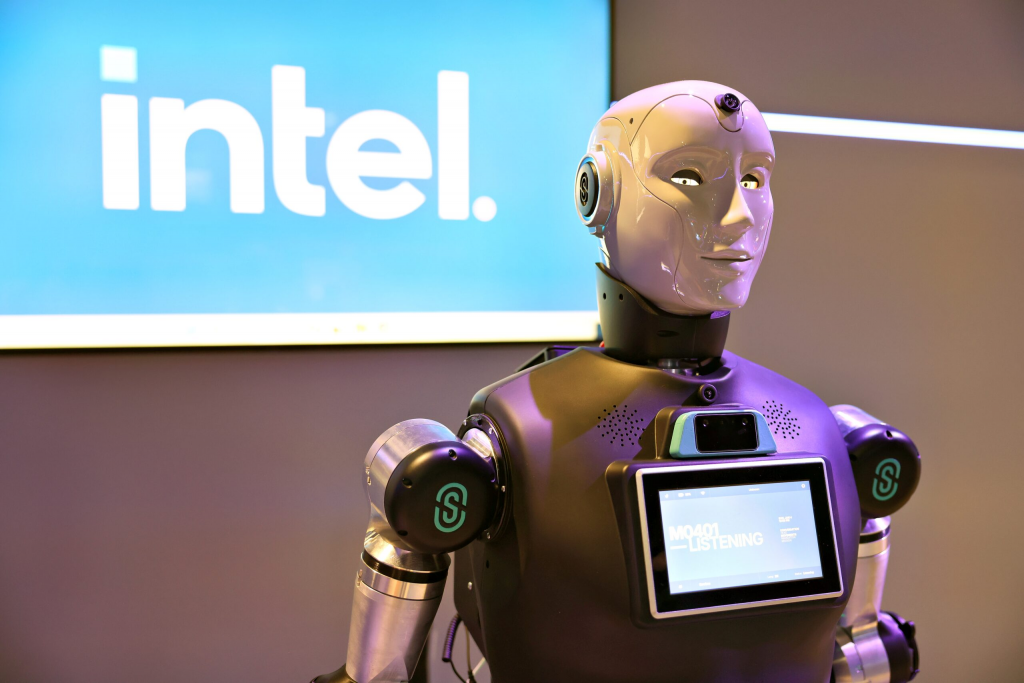
Yes, humanoid robots were still at CES 2026. But the tone has shifted.
Instead of promising full human replacement, most humanoid designs focused on narrow use cases: lifting, carrying, inspection, repetitive industrial tasks. Arms and legs exist because they fit human environments, not because the robot needs to look like us.
The conversation around humanoids has matured. They’re no longer pitched as companions. They’re pitched as tools that can operate in spaces designed for people without expensive redesigns.
This reframing makes humanoid robots more plausible, and more honest.
Companion robots learn to calm down
One of the quieter trends at CES 2026 was the evolution of companion robots. These are not productivity machines. They’re emotional and social devices designed to reduce stress, offer presence, or provide light interaction.
The difference this year was tone.
Earlier generations leaned heavily into exaggerated personalities and constant engagement. CES 2026’s companion robots were softer. Simpler. Less demanding. They reacted instead of performed.
Some offered gentle movement or ambient sound. Others provided basic reminders, emotional cues, or presence without conversation. The goal wasn’t to replace human connection, but to support it, particularly for children, elderly users, or people living alone.
This restraint makes companion robots feel more humane than ever before.
AI is the quiet force behind everything
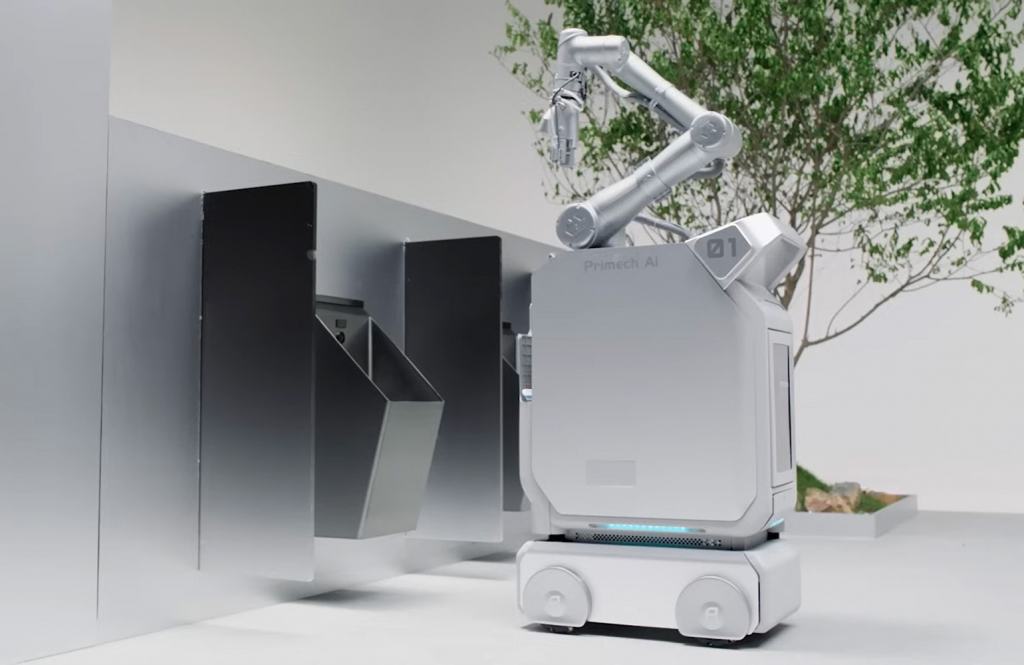
Almost every robot at CES 2026 shared one common trait: AI working behind the scenes rather than on center stage.
Instead of showcasing large language models through talking demos, manufacturers used AI for perception, planning, and adaptation. Robots see better. Decide faster. Adjust behavior over time. And they do it quietly.
This is a crucial shift.
Robots don’t need to sound intelligent. They need to behave intelligently. CES 2026 demonstrated that the industry finally understands this distinction.
Safety, trust, and predictability take priority
One of the most encouraging aspects of CES 2026 was how openly manufacturers discussed safety and reliability.
Robots moving in human spaces require trust. That trust comes from predictable behavior, clear boundaries, and graceful failure modes. This year’s robots emphasized collision avoidance, slow intentional movement, and conservative decision-making.
There was less talk about autonomy for autonomy’s sake, and more discussion around supervised autonomy: robots that act independently but defer to humans when uncertainty arises.
That’s a sign of a maturing industry.
What CES 2026 tells us about the future of robots
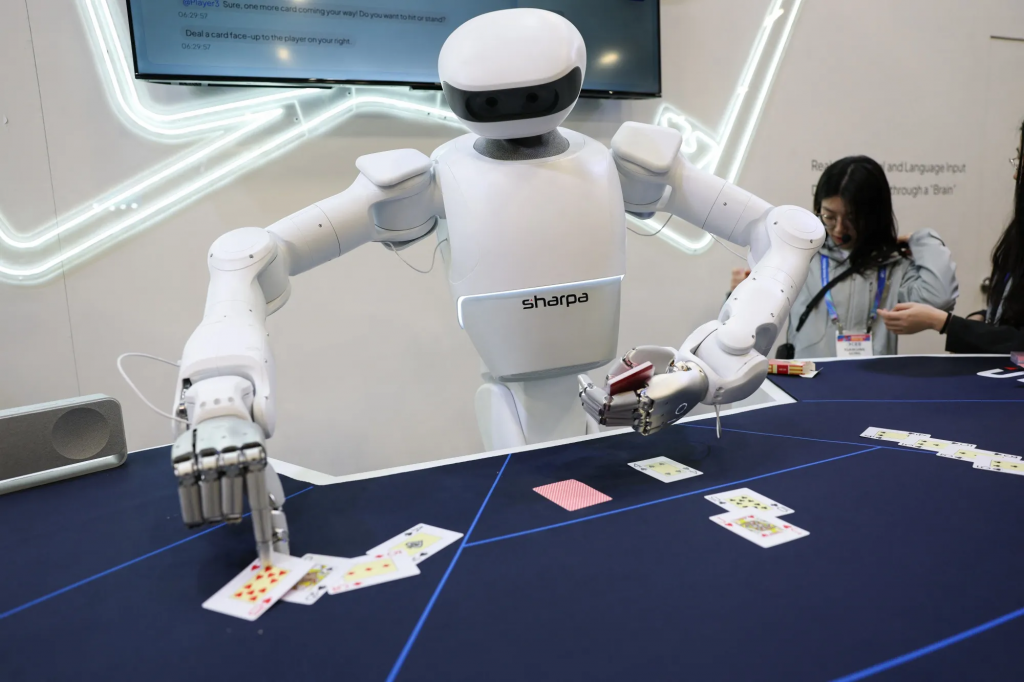
CES 2026 didn’t deliver a robot apocalypse or a humanoid in every home. What it delivered was something more believable.
Robots are becoming appliances. Tools. Infrastructure.
They’re being designed to do fewer things better, rather than everything poorly. They’re shedding personality in favor of reliability. They’re integrating into existing spaces instead of demanding new ones.
Most importantly, robots are learning how to stay out of the way.
What’s likely to arrive first, and what still needs time
Based on what we saw at CES 2026, some robot categories feel ready for broader adoption.
Home task robots that handle laundry, fetching, or basic manipulation feel close, especially as premium products. Robot vacuums and floor cleaners are already mainstream and will continue to improve rapidly. Service robots in controlled environments like hotels and hospitals are expanding quietly but steadily.
What still needs time are general-purpose humanoids for homes and emotionally intelligent companion robots that can truly understand context. The hardware is improving, but the social layer is still fragile.
Final thoughts: the age of practical robots begins
CES 2026 may be remembered as the year robots stopped trying to impress and started trying to help.
The most exciting machines weren’t the ones that danced or talked the most. They were the ones that folded clothes, avoided obstacles, delivered supplies, and worked silently in the background.


