



CES 2026 Just Dropped the Most Thoughtful Tech in Years
CES has always been a little unhinged, in the best possible way. Every January, Las Vegas turns into a sci-fi flea market where the future is loud, glossy, sometimes ridiculous, and occasionally genuinely brilliant. But CES 2026? This year feels different.
Less gimmicks. More intent.
The tech announced so far isn’t just shouting “look what we can do.” It’s quietly asking a more interesting question: how does this actually fit into your life? From ultra-thin wireless TVs that vanish into your wall, to fridges that finally understand how humans shop, to a phone that dares to bring back physical buttons without irony: CES 2026 is shaping up to be one of the most thoughtful shows we’ve seen in years.
Here’s our roundup of the best tech announced at CES 2026 so far: what’s exciting, what actually matters, and what might end up redefining how we live with technology.
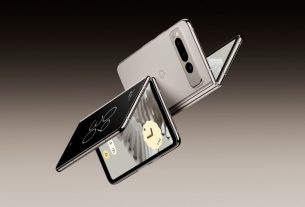
Samsung Galaxy Z TriFold: the first phone that genuinely threatens your laptop
Foldables have been circling greatness for years. Interesting, expensive, impressive; but rarely essential. The Samsung Galaxy Z TriFold changes that tone entirely.
First announced late last year and now properly handled at CES, the TriFold uses two inward-folding hinges to morph from a chunky smartphone into a genuinely tablet-sized workspace. This isn’t a gimmicky unfolding party trick. It feels purposeful.
What makes it dangerous (for laptops, especially) is Samsung DeX. On the TriFold, DeX isn’t a “plug it into a monitor” afterthought. It’s a fully fledged windowed desktop environment running directly on the device. Multitasking feels natural. Email, docs, messaging, web: all at once, all touch-friendly.
Yes, it’s thick when folded. Yes, it will be expensive. And yes, it’s launching in Korea first before a likely US release in Q1 2026. But for the first time, a foldable feels like it earns its complexity.
GE Profile Smart Fridge: grocery shopping, finally fixed
Smart fridges have spent years solving problems nobody asked for. Touchscreens! Recipes! TikTok on your freezer door! Meanwhile, you still forget the milk.
GE Appliances has finally nailed the one feature people actually need.
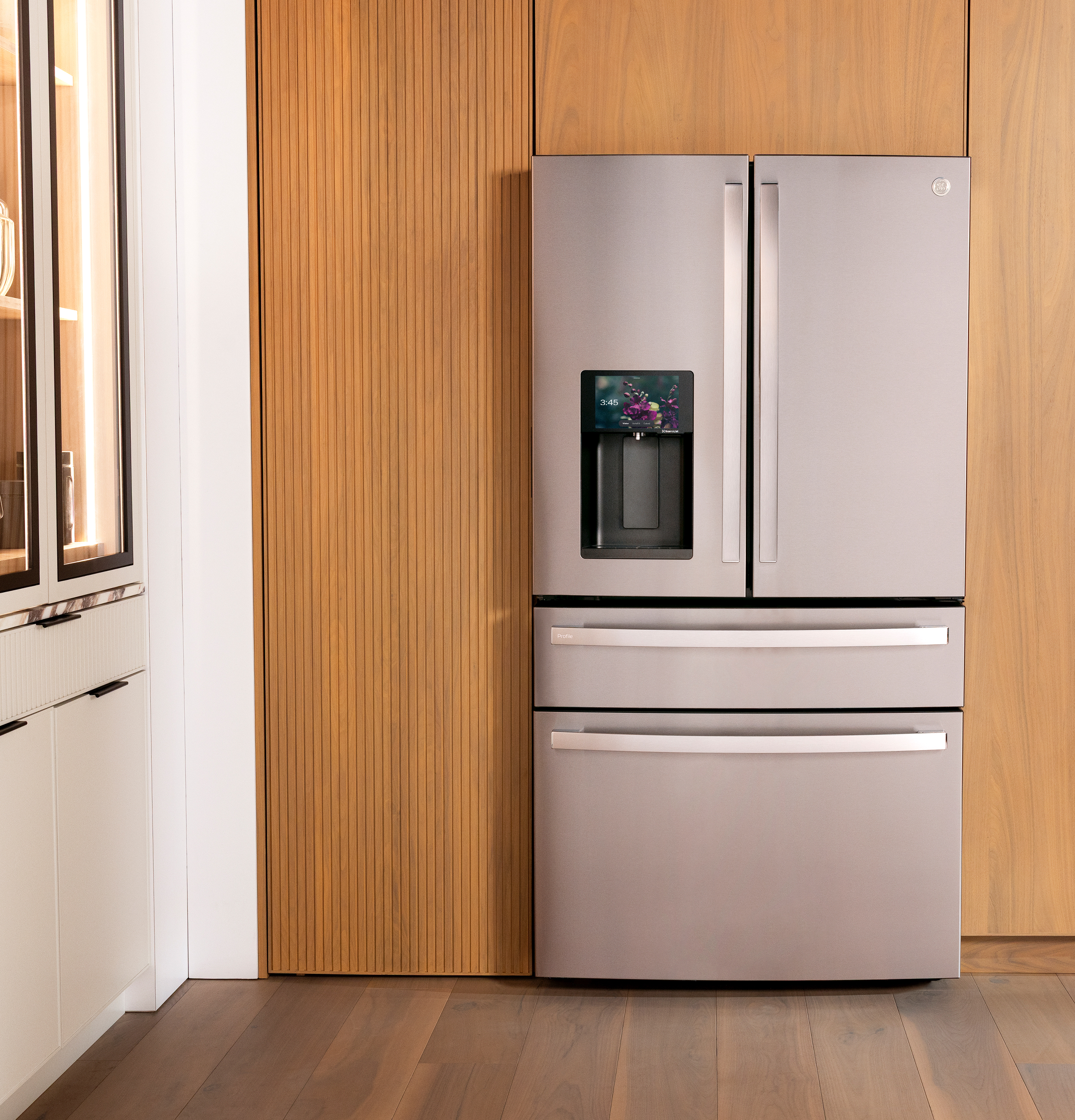
The GE Profile Smart 4-Door French-Door Refrigerator with Kitchen Assistant includes a front-facing scanner that lets you scan empty packages as you throw them away. That data automatically builds a grocery list. Add to that an internal camera you can access remotely while you’re in the supermarket, and suddenly the “did we already have eggs?” problem is gone.
There’s also an 8-inch tablet on the door for manual additions and management, but the real magic is how invisible the system feels. Scan. Forget. Shop smarter later.
At $4,899 launching April 2026, it’s not cheap: but this is one of the first smart appliances that actually saves mental bandwidth.
Clicks Communicator: the anti-smartphone, done right
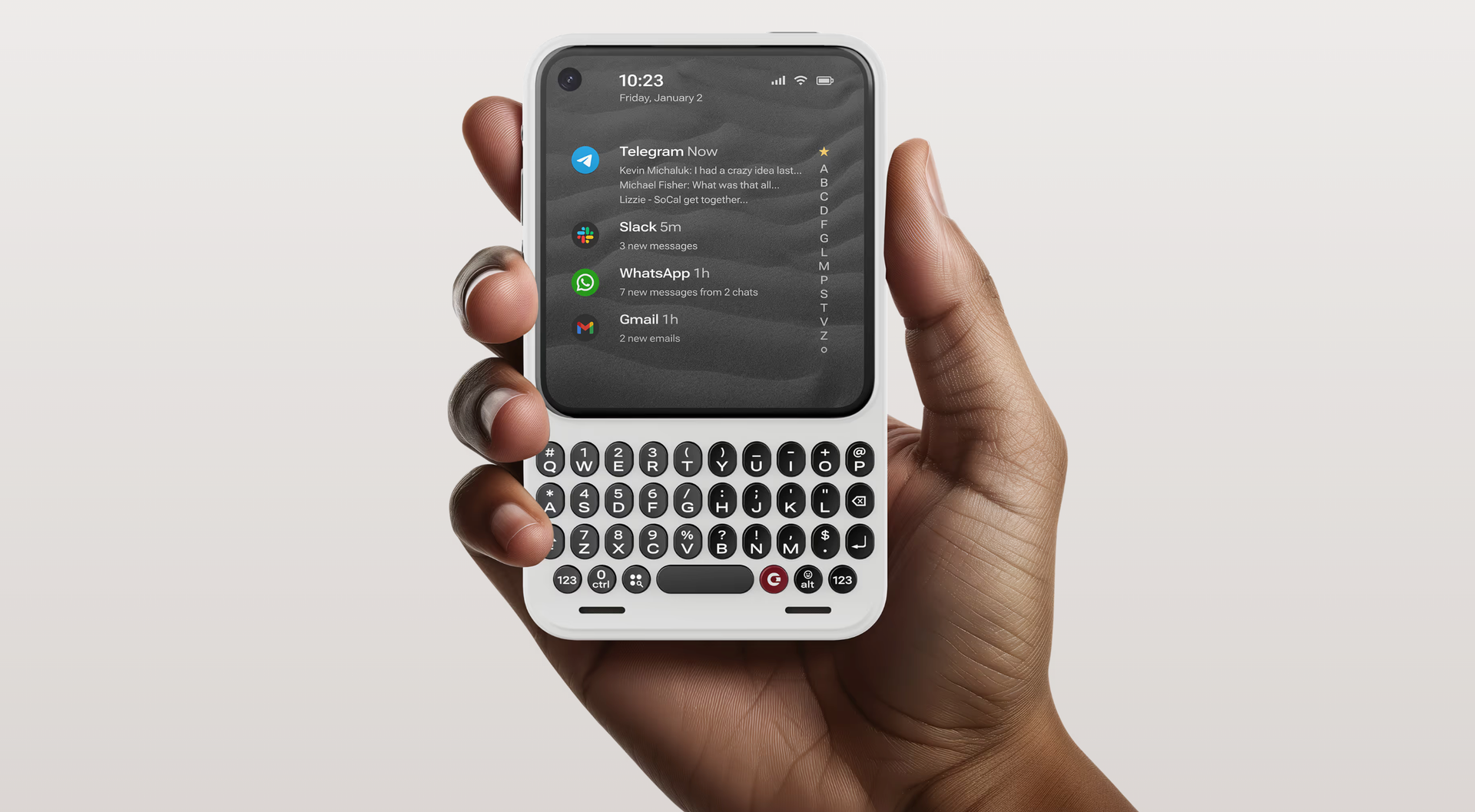
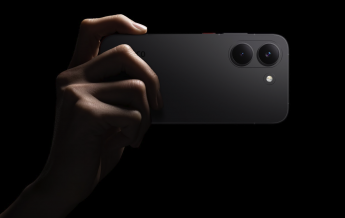
In a sea of glass slabs chasing each other on camera specs and AI buzzwords, the Clicks Communicator feels refreshingly rebellious.
Yes, it has a physical BlackBerry-style keyboard. Yes, it’s intentional.
Clicks has taken what it learned from its popular keyboard cases and built an entire phone around the idea of focused communication. The result is a compact Android 16 device with a 4.03-inch OLED display, front and rear cameras, a headphone jack (remember those?), and full 5G connectivity.
The pitch isn’t nostalgia. It’s restraint.
This is a phone designed to run essential apps; messaging, email, navigation; without dragging you into infinite scroll hell. At $499 (with early discounts available), it sits directly against budget Android phones, but offers something they don’t: a philosophy.
LG Gallery TV: Samsung Frame, meet real competition

Samsung’s The Frame has dominated the art TV category for years largely because nobody else took it seriously enough. LG is done watching from the sidelines.
The new LG Gallery TV combines a mini-LED panel with a matte, glare-reducing finish designed specifically to mimic framed art. It launches with a clean white frame, with optional wood finishes available, and integrates LG’s Gallery+ content service: spanning classic art, modern photography, and even stylised gaming visuals.
This isn’t just about aesthetics. LG is positioning the Gallery TV as a hybrid object: part display, part décor, part ambient experience. Pricing hasn’t been announced yet, but LG is clearly aiming squarely at Samsung’s territory.
LG CLOiD: the home robot that isn’t pretending to be cute
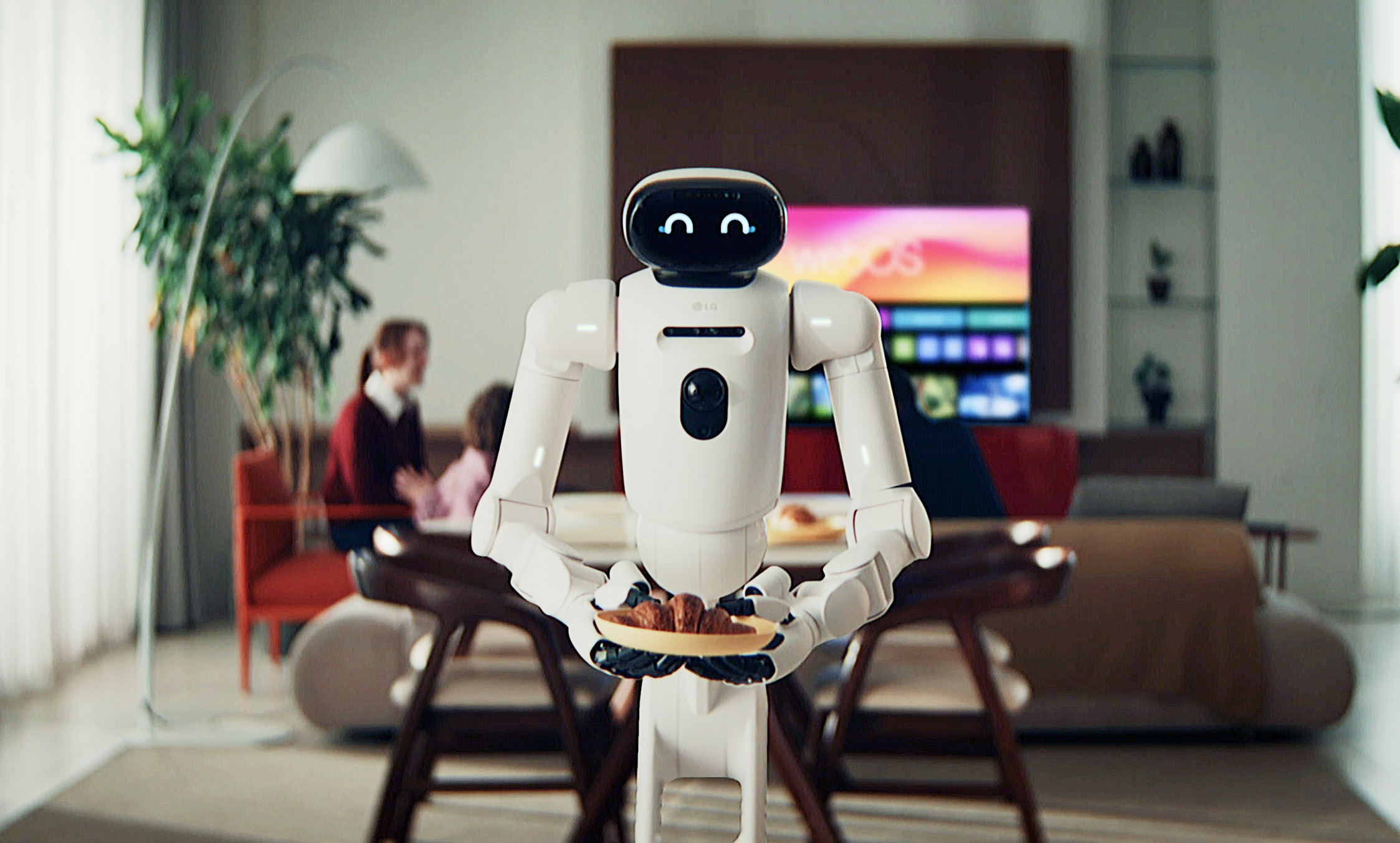
Robots at CES usually fall into two camps: terrifyingly useless, or aggressively adorable. LG’s CLOiD chooses a third path: practical ambition.
CLOiD is a mobile home robot with articulated arms offering seven degrees of motion, a torso that bends and tilts, and enough dexterity to perform tasks like folding laundry, stacking clothes, fetching items from the fridge, or placing food into the oven.
Will it do these things better than you? Probably not — yet.
But where CLOiD becomes genuinely interesting is as a mobile smart home hub. It can follow you around, respond to voice commands, and act as a physical interface to your connected home rather than a static speaker stuck on a shelf.
Samsung Family Hub fridges: when voice control actually makes sense

Voice assistants are often solutions hunting for problems. This time, Samsung found the problem.
The next generation of Samsung Family Hub fridges introduces voice-activated door opening and closing. Hands full of groceries? Say the word. Covered in flour mid-recipe? Still works. Can’t speak clearly? Use a tap from your palm or the back of your hand.
It sounds simple: because it is. And that’s why it works.
SwitchBot Obboto: mood lighting, turned up to eleven

SwitchBot’s Obboto lamp looks like what would happen if the Las Vegas Sphere shrank and decided to live on your desk.
Wrapped in over 2,900 RGB LEDs, Obboto can display animations, GIFs, music visualisations, AI-generated mood scenes, weather updates, and time, all inside a smooth dome-shaped design.
Is it practical? Sometimes.
Is it delightful? Absolutely.
Pricing hasn’t been announced yet, but this feels destined for streamers, creative studios, and anyone who wants ambient lighting that actually feels alive.
Petkit Yumshare Daily Feast: smart pet care done properly

Pet tech often leans into novelty. Petkit’s Yumshare Daily Feast leans into responsibility.
This automatic feeder can store and serve up to seven days of wet food, removes uneaten meals after 48 hours, and uses UVC lighting to keep everything sanitary. But the standout feature is its AI-powered 1080p night-vision camera.
It tracks when and how much your pet eats, building insights that can flag potential health issues early. For pet owners who travel or work long hours, this isn’t just convenience; it’s peace of mind.
LG OLED evo W6 Wallpaper TV: ultra-thin, truly wireless, quietly insane

LG’s Wallpaper TV is back: and this time, it feels like the technology has finally caught up with the idea.
The LG OLED evo W6 is just 9mm thick and mounts completely flush against the wall. No visible cables. No bulky inputs. Video is transmitted wirelessly via LG’s Zero Connect Box from up to 33 feet away. The only cable you’ll see is power.
Available in 77- and 83-inch sizes, this is less “TV” and more architectural feature.
GameSir Swift Drive: the weirdest controller that actually makes sense

|
At first glance, the GameSir Swift Drive looks like a controller that lost a bet. A tiny steering wheel in the middle? RGB lighting? Hall effect triggers?
Then you think about racing games.
The central wheel provides force feedback via a direct drive motor, while additional haptics simulate ABS braking and road texture. It’s designed specifically for racing and sim fans who want more immersion without investing in a full wheel setup.
Yukai Engineering Baby FuFu: cooling, but make it adorable

CES wouldn’t be CES without something gently unhinged.
Baby FuFu is a kid-safe wearable fan disguised as a huffing, puffing cat. Inside is a soft, enclosed fan system that keeps children cool without exposing moving parts to curious fingers.
Launching mid-2026 for around $50–$60, it’s equal parts cute and practical.
CES 2026 isn’t about flashy specs or empty AI promises. It’s about refinement. Focus. Products that feel like they’ve been designed by people who actually live with technology — and understand its friction points.
From devices that help us disconnect, to appliances that reduce cognitive load, to displays that disappear into our homes rather than dominate them, this year’s show is less about shouting and more about solving.