



Google Pixel 10 Pro: I Bought the Smaller Pixel. Now I Wish I’d Gone XL
The Pixel 10 Pro is one of the best-balanced smartphones Google has ever made: fast, elegant, and easy to live with. But after weeks of use, it’s the Pixel 10 Pro XL that keeps creeping into my thoughts. Not because the Pro disappoints, but because it’s so good that the few things it doesn’t do feel louder than they should.
Buying a phone stopped being simple
There was a time when choosing a phone was easy. You picked how much you wanted to spend, bought the flagship at that price, and moved on with your life. No soul-searching. No comparing screen sizes down to a tenth of an inch. No weighing battery capacity against pocket comfort.
In 2025, that simplicity is gone.
Buying a smartphone now feels more like configuring a luxury car. Standard flagship or Ultra? Compact or Max? Flat or curved display? Titanium or aluminium? And somehow, despite all that complexity, the choice that trips you up most is often the smallest one.
Google’s Pixel 10 lineup is relatively restrained compared to its rivals, but even here, the decision between the Pixel 10 Pro and Pixel 10 Pro XL carries more weight than it first appears. On paper, they’re almost identical. Same Tensor G5 chip. Same camera system. Same AI features. Same software experience.
The main difference? Size.
I chose the Pixel 10 Pro. It felt like the sensible option. Now, weeks later, I’m not so sure.
Design and size: Compact perfection, until it isn’t

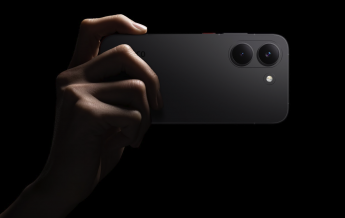
The Pixel 10 Pro is a beautifully designed phone. It’s slim, well-balanced, and genuinely comfortable to use one-handed. It slips into a pocket without protest and sits naturally in the hand. In an era of oversized slabs, it feels refreshingly restrained.
The 6.3-inch display would once have been considered massive. Today, it’s edging toward compact. And that’s where things get complicated.
For most tasks: messaging, browsing, quick social checks, the size is ideal. Everything is reachable. Nothing feels awkward. Google has nailed ergonomics here in a way many competitors haven’t.
But use the phone for longer sessions, and the limitations start to surface.
Reading dense content, viewing detailed images, or spending time with visual media reveals that the display is just slightly smaller than ideal. Not bad. Not uncomfortable. Just… constrained.
The Pixel 10 Pro XL’s 6.8-inch display suddenly makes sense when you realise how often modern phone use goes beyond quick interactions. Phones aren’t just tools anymore; they’re primary screens.
And sometimes, you feel that extra space missing.
Display: Excellent quality, limited breathing room

There’s nothing wrong with the Pixel 10 Pro’s display from a technical standpoint. It’s bright, sharp, colour-accurate, and fluid. Google’s tuning is excellent, and the panel performs beautifully in both indoor and outdoor conditions.
The issue isn’t quality: it’s scale.
Content like manga, infographics, and image-heavy posts quickly expose the limits of a 6.3-inch screen. Fine details are harder to appreciate. Small text demands zooming. And once you start pinching and panning, the experience becomes fragmented.
Social media doesn’t escape this either. Image-first platforms benefit from space, and while the Pixel 10 Pro handles them well, the XL simply does them better.
This isn’t a flaw so much as a reminder: screen size matters more in 2025 than it did even a few years ago.
Performance and software: Peak Pixel

Under the hood, the Pixel 10 Pro is everything you expect from Google’s latest flagship. The Tensor G5 chip delivers fast, smooth performance with excellent efficiency. Day-to-day use is effortless, animations are fluid, and multitasking feels polished.
Google’s AI features continue to mature in ways that feel genuinely useful rather than gimmicky. Smart summaries, improved voice dictation, contextual suggestions: it all blends naturally into the Android 16 experience.
Crucially, none of this changes between the Pro and the Pro XL. Performance parity means size is the deciding factor, not capability.
And that makes the choice harder, not easier.
Charging and Pixel Snap: A magnetic revelation
Qi2 and Pixel Snap are the sleeper hits of the Pixel 10 series.
I’ve never been particularly impressed by wireless charging. It was always slower, fussier, and less reliable than plugging in a cable. Pixel Snap changes that entirely.
Magnets transform wireless charging from a compromise into a pleasure. The phone snaps into place perfectly, every time. No alignment issues. No second guesses. It just works.
Once you start using magnetic accessories: a desk stand, a car mount, a power bank, it’s hard to stop. The ecosystem pulls you in fast.
Here’s where the Pro XL gains a real advantage.
The Pixel 10 Pro tops out at 15W wireless charging. The Pro XL pushes that to 25W. In short bursts, on a desk, in a car, between tasks, that difference is noticeable. The XL simply makes better use of every charging opportunity.
If Pixel Snap turns you into a wireless charging convert, the Pro XL rewards you more for it.
Battery life: Good versus comfortably better
Battery life on the Pixel 10 Pro is solid. It gets through a full day without drama, and it doesn’t demand constant attention. That alone puts it ahead of many premium smartphones.
But the Pixel 10 Pro XL has a larger battery, and the result is predictable: slightly better endurance.
The difference isn’t dramatic, but it’s consistent. Video streaming, in particular, benefits from the extra capacity. Watching YouTube while doing chores, catching up on content late at night—these are the moments where the XL pulls ahead.
The Pixel 10 Pro doesn’t struggle here. It just doesn’t excel.
And in a phone that gets so many things right, “good” can sometimes feel like a missed opportunity.
Living with the Pixel 10 Pro: The paradox of satisfaction

The strangest part of this experience is that I’m happy with the Pixel 10 Pro.
Most of the time, it’s exactly what I want. It’s subtle, efficient, and unobtrusive. It doesn’t dominate my pocket or my hand. It simply fits into my life.
That’s what makes the occasional longing for the XL so frustrating.
If the Pixel 10 Pro were bad, the decision would be easy. I’d upgrade, move on, and never look back. But it’s not bad: it’s excellent.
It’s only in specific moments: late nights, long reading sessions, short charging windows, that the XL feels like the better choice.
Those moments aren’t constant. They’re just enough to plant doubt.
Conclusion: A great phone with a bigger shadow
The Google Pixel 10 Pro is one of the best traditional smartphones you can buy in 2025. It’s refined, powerful, intelligently designed, and deeply comfortable to use.
But it exists in the shadow of the Pixel 10 Pro XL.
Not because it’s inferior: but because the XL quietly offers more of the things modern phone use increasingly values: screen space, charging speed, and battery headroom.
If you prioritise comfort, one-handed use, and portability, the Pixel 10 Pro is an easy recommendation. If you consume a lot of visual content, rely heavily on wireless charging, or simply want a phone that gives you more margin everywhere, the XL makes a compelling case.
As for me? I chose the smaller Pixel: and most days, I’m glad I did.
But the fact that I’m even writing this tells you everything you need to know.
Sometimes, the hardest tech decisions aren’t about what a device does wrong, but about how close it comes to being perfect.