



The 10 best Android phones of 2026, from pocket passports to 200MP camera monsters
Android has never had this much variety. Here are the ten handsets we’d spend our own money on, whether you want a stylus-toting powerhouse, a phone that folds like a passport or a £434 bargain.
As an Amazon Associate we earn from qualifying purchases.
It’s been a big year for Android. Samsung changed what a folding phone can look like. Oppo put three 200MP cameras on one handset, which a few years ago would have sounded like a dare. Xiaomi went back to a screen on the back of the phone, and this time it’s useful. Black Friday has also knocked hundreds of pounds off phones that launched only a few months ago, so this is a very good week to upgrade.
We’ve lived with all of these handsets. That means commutes, holidays, battery panics at 4pm and far too many photos of lunch. Below are the ten we’d recommend now, sorted by the kind of person who should buy each one.
Jump to:
- The do-everything flagships
- For people who shoot first
- Phones that bend the rules
- Flagship feel, sensible spend
The do-everything flagships
These are the phones for people who want one device to handle work, play, photos and a long day away from a charger without making a fuss.
Samsung Galaxy S26 Ultra
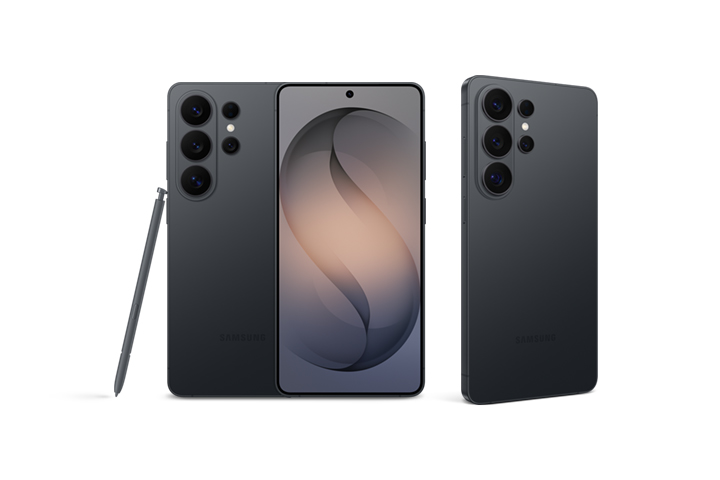
There’s a reason this phone sits at the top of so many wish lists. The S26 Ultra is the most complete Android phone you can buy this year. Its 6.9-inch screen has a new Privacy Display that dims the panel to anyone watching from an angle, and once you’ve used it on a packed Northern line train, every other phone feels a bit exposed. The 200MP main camera works with a 5x 50MP telephoto and a 3x 10MP zoom, so everything from concert shots to architecture comes out sharp. The Snapdragon 8 Elite Gen 5 for Galaxy chip runs everything you throw at it without breaking a sweat.
The S Pen is still built into the body. Most people will use it to sign PDFs and doodle on screenshots, and it’s good at both. Charging has finally moved up to 60W, which takes the 5,000mAh battery to 75% in about half an hour. At 214g and 7.9mm thick, it’s also slimmer than any Ultra before it. It’s a lot of phone, but it earns its place.
Google Pixel 11 Pro XL
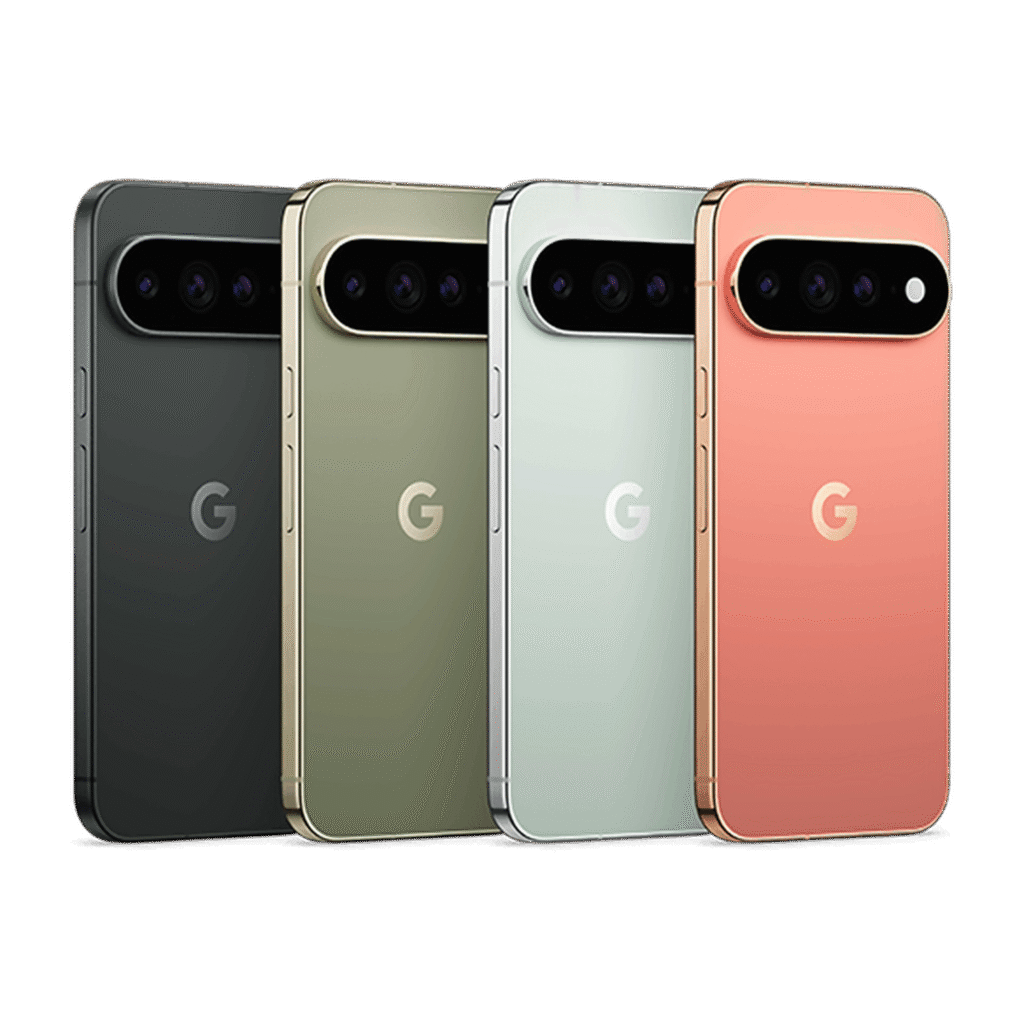
If you want a phone that takes great photos without making you think about it, this is the one. Google’s photo processing is still the best at turning a rushed, badly lit snap into something you’d frame. The 48MP 5x telephoto goes up to 120x Pro Zoom, which is fun for spying on the birds in your garden. The 6.8-inch Super Actua display is one of the nicest screens on any phone, and at 7.6mm the XL feels slimmer than its size suggests.
There are trade-offs. The Tensor G6 chip still trails the Snapdragon phones for serious gaming, and the base model has dropped to 12GB of RAM. Battery capacity has dipped slightly to 5,115mAh too, though the more efficient chip keeps it lasting a full day. Charging runs at 45W wired and 25W Qi2.2 wireless. Google’s new HiLight feature is clever but limited for now. The Black Friday price is what really sells it: £280 off the launch price makes this a much easier decision.
Oppo Find X10 Pro Max
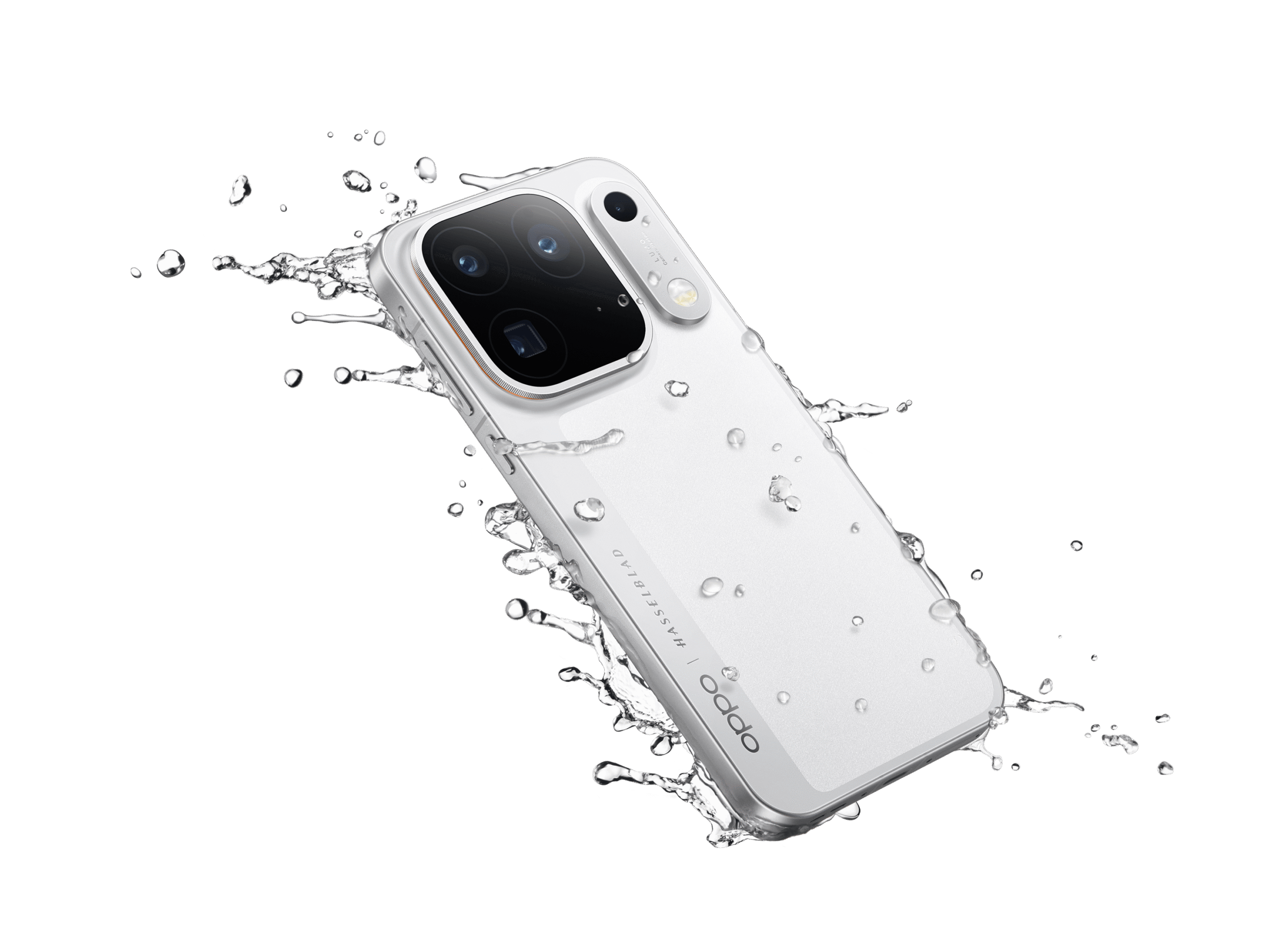
Three 200MP cameras on one phone sounds like a spec-sheet stunt, but it’s what makes the Find X10 Pro Max so good. Every lens, whether wide, ultra-wide or telephoto, captures the same level of detail. Colours stay consistent as you zoom in and out, which almost no other phone manages. The Hasselblad colour tuning is lovely, and video handles up to 17 stops of dynamic range. A sunset over the Thames keeps the sky and the shadows at the same time.
The 6.78-inch screen is very bright, and its 3,840Hz PWM dimming is gentle on your eyes in bed at night. There’s an 80W charger in the box, which most rivals no longer include. The catch is the price. It launched at £1,499, a huge jump from last year. If photography is your main hobby, though, nothing else this year does more with a single click.
For people who shoot first
Some people buy a phone for the screen and some for the battery. These two are for people who judge a phone by the photos it takes.
Xiaomi 18 Pro Max
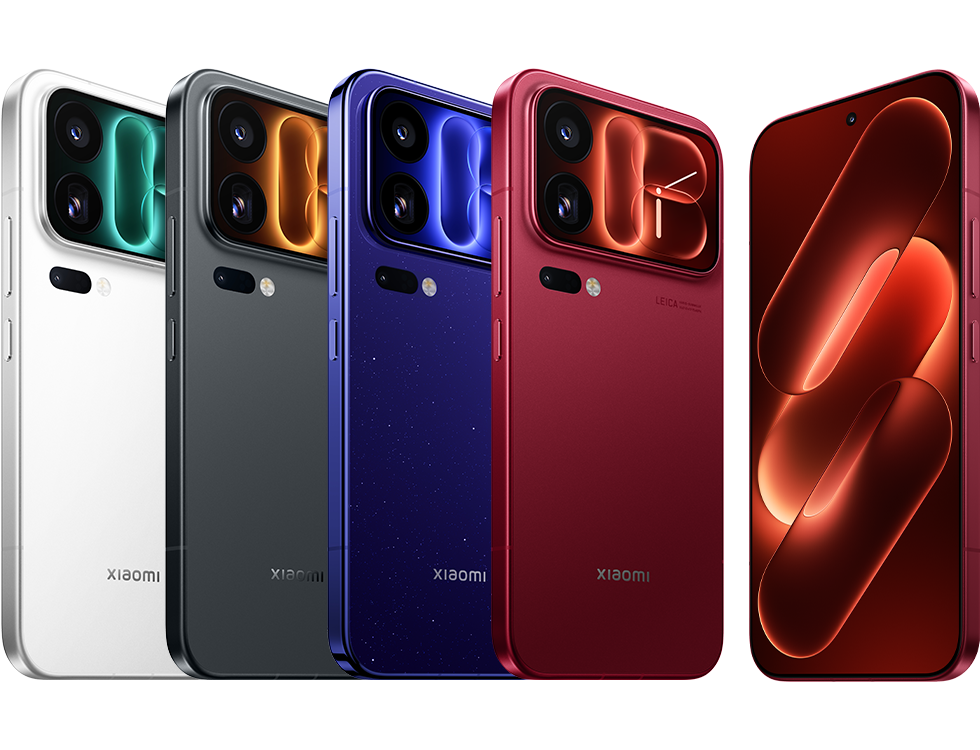
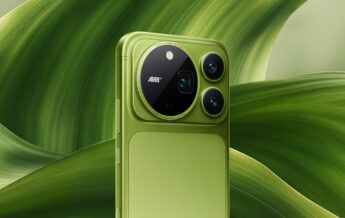
Turn it over and you’ll see why everyone asks about this phone. A second display sits next to the Leica cameras on the back, and it works as a viewfinder. You can take selfies and vlog with the 200MP main camera instead of the selfie camera. Your holiday group shots instantly look better, and solo travellers will be able to stop handing their phone to strangers. The back screen also shows notifications, music controls and a small selection of AI apps. It’s playful in a way phones haven’t been for a while.
Inside is the Snapdragon 8 Elite Extreme Gen 6, built on a 2nm process. That makes it the fastest Android phone we’ve used, and games play exactly as they should. A 7,050mAh battery gets through two days of moderate use. Charging is quick too, at 100W wired and 50W wireless. The weak spot is software support: four years of OS updates is short of what Samsung, Google and Oppo promise. At 235g, you’ll also feel it in your pocket.
Google Pixel 11 Pro
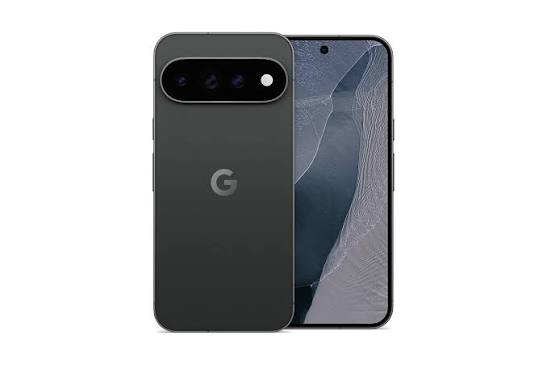
This is everything we love about the XL in a size you can use with one hand on the bus. The 6.3-inch Pro keeps the full camera system: a 50MP main sensor, a 48MP ultra-wide and the same 48MP 5x telephoto. On the front, a 42MP selfie camera means your video calls finally look as good as your photos. Peak brightness reaches 3,600 nits, so you can read it easily under bright summer sun.
At 204g it’s a comfortable phone to carry all day. The 4,850mAh battery isn’t huge, so heavy users may want a top-up in the evening. Magnetic wireless charging at 25W makes that easy if you keep a puck on your desk. Gemini runs throughout the phone, and real-time call translation and on-device editing feel quicker than last year. With £290 off the launch price right now, it’s the best-value flagship on this list.
How to pick the right camera phone
Look past the megapixels
A 200MP sensor sounds impressive, but most of the quality comes from processing and lens quality. Look at the telephoto camera. A good 5x zoom will change your photos far more than a bigger number on the main sensor.
Think about who you photograph most
If you take lots of group shots or self-portraits, a rear-screen viewfinder like the Xiaomi’s makes a real difference. If you mostly shoot kids and pets that won’t stay still, Google’s point-and-shoot reliability is hard to beat.
Check the video specs
Lots of us film more than we photograph now. Look for 4K with good dynamic range and stabilisation on every lens, not only the main camera. Switching lenses mid-clip should be smooth, with no jump in colour.
Don’t ignore the selfie camera
Most phones still put their weakest sensor on the front. If FaceTime, Teams and Instagram stories make up half of your camera use, a 40MP-plus front camera is worth paying for.
Phones that bend the rules
Foldables used to be fragile experiments for early adopters. These two are now phones we’d happily recommend to anyone.
Samsung Galaxy Z Fold 8
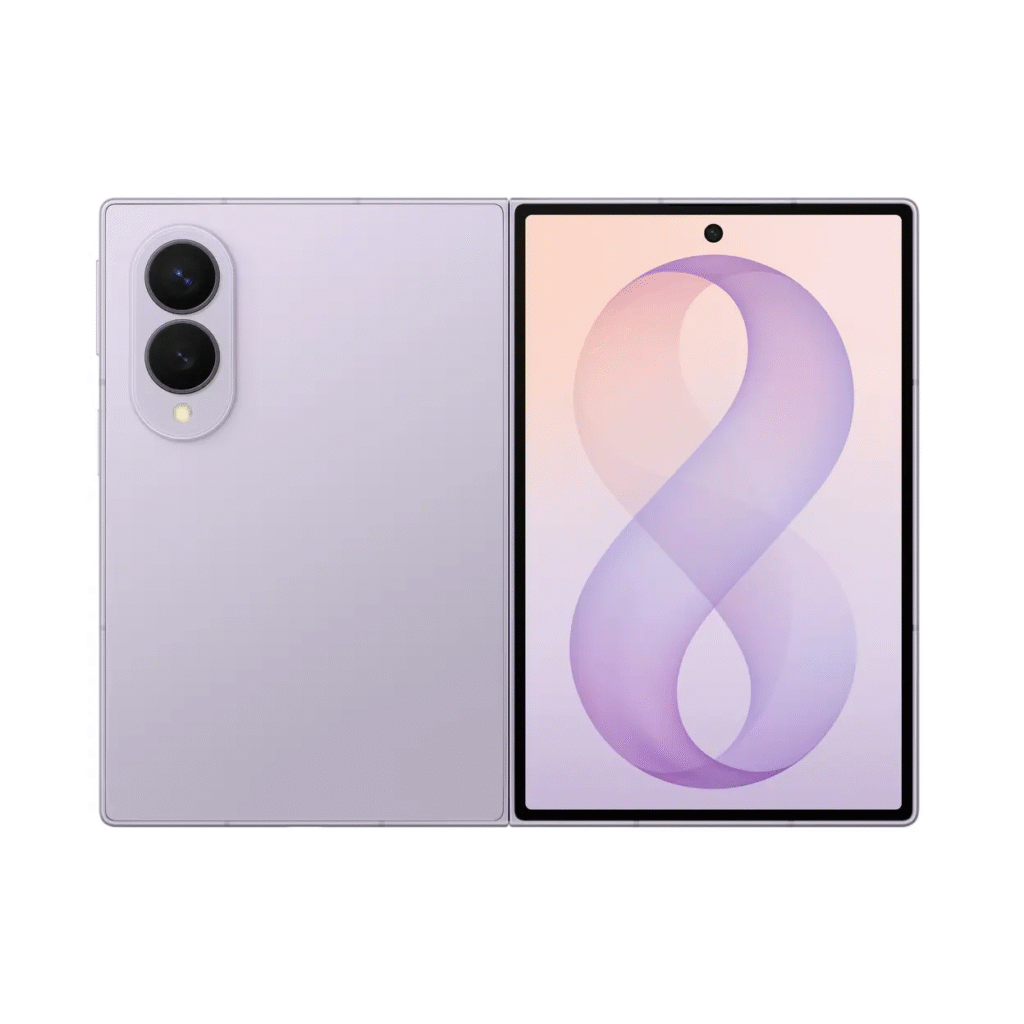
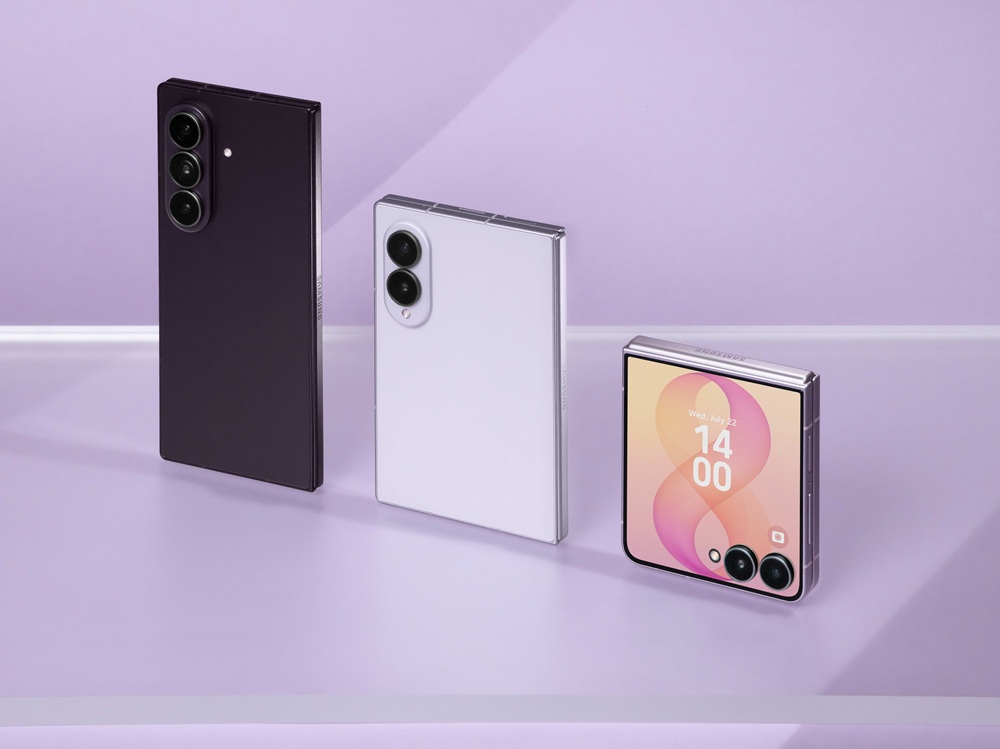
Samsung has made the Fold shorter and wider, and it works much better for it. Closed, it’s shaped like a passport, so the outer screen is wide enough to type on properly and shows apps at their normal size. Open, the inner display has a landscape shape that’s great for films, spreadsheets and split-screen multitasking. It feels like an iPad mini in your pocket. At 201g it’s also lighter than many standard flagships.
It runs the same Snapdragon 8 Elite Gen 5 for Galaxy chip as the S26 Ultra, so you lose nothing in speed. The camera is the sacrifice. There’s no telephoto lens, only a main camera and an ultra-wide, so zoom shots are a weak point. If zoom matters to you, the taller Z Fold 8 Ultra adds one for more money. For everyone else, this is the foldable that changes minds, and at £300 under its launch price it’s become much more tempting.
Motorola Razr 70 Ultra
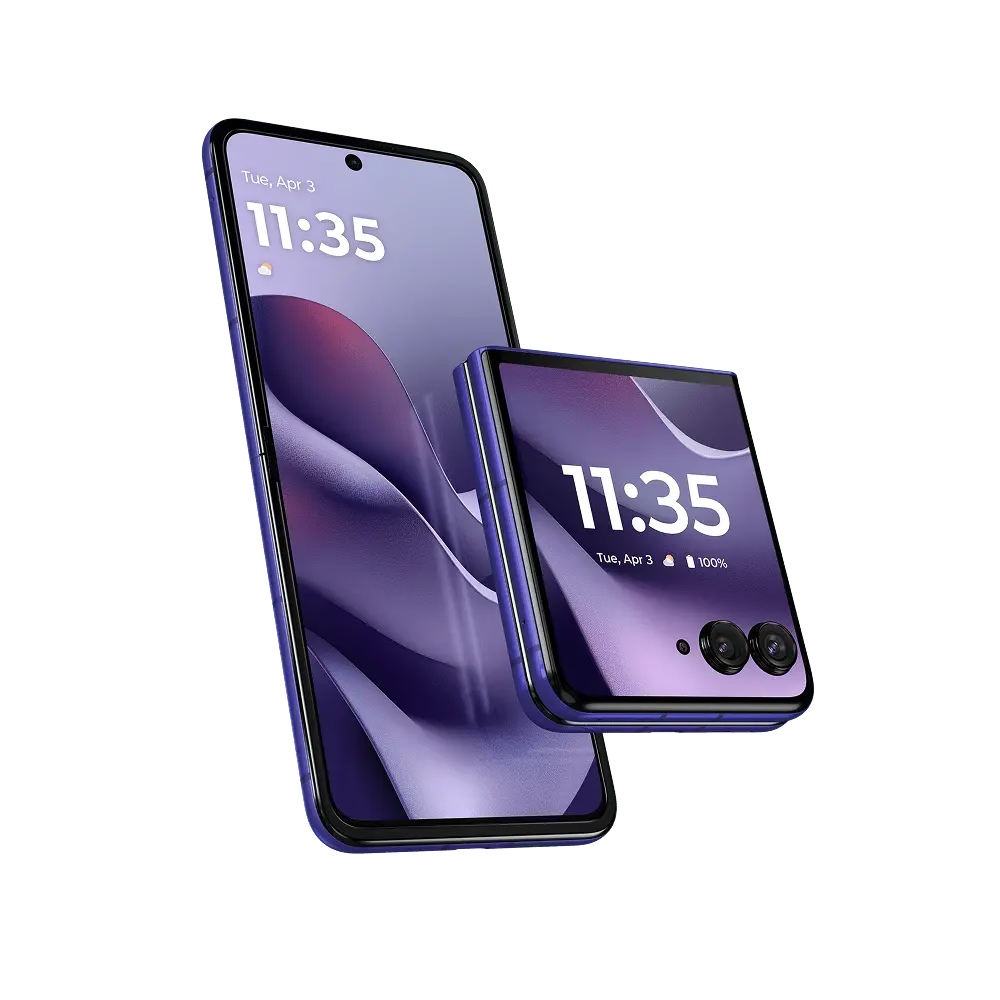
Snap it shut and it’s the size of a compact mirror. Open it and you get a full 7-inch display with a 165Hz refresh rate, one of the smoothest screens on any phone. The 4-inch cover screen runs full apps, not just widgets. You can reply to messages, check Maps or frame a selfie with the main camera without opening the phone. Motorola’s Pantone finishes are a real highlight too. Our Cocoa version has a real wood back, and the Orient Blue comes in soft Alcantara.
The battery has grown to 5,000mAh, which is a lot for a flip phone, and it lasted a full day in our use. Charging is quick at 68W wired and 30W wireless. Motorola kept last year’s Snapdragon 8 Elite chip, but it’s still very fast. Software support is the weak spot, with only three years of OS updates. The current discount makes that easier to accept: £300 off the launch price, with 16GB of RAM and 512GB of storage as standard.
Flagship feel, sensible spend
You don’t need to spend over £1,000 for a phone you’ll love. These three prove the middle of the market has never been better.
Google Pixel 11
Same chip, same 12GB of RAM, a fraction of the Pro price. The Pixel 11 runs the same Tensor G6 as Google’s top models and now starts at 256GB of storage, double last year’s base model. Its new 48MP main sensor is larger and copes much better in low light. You can take decent photos in candlelit restaurants without reaching for night mode.
The 6.3-inch OLED is gorgeous and bright. Pixelsnap magnetic charging at 25W (Qi2.2-certified) means you can use MagSafe-style accessories without a special case. The 4,985mAh battery will get most people through a day, but heavy users may run low by the evening. There’s no vapour chamber like the Pro models have, so long gaming sessions can make it warm. For calls, photos and everyday apps, though, it’s the easiest Android phone to recommend at this price. At £600 it’s also nearly £280 under launch price.
Nothing Phone (4a) Pro
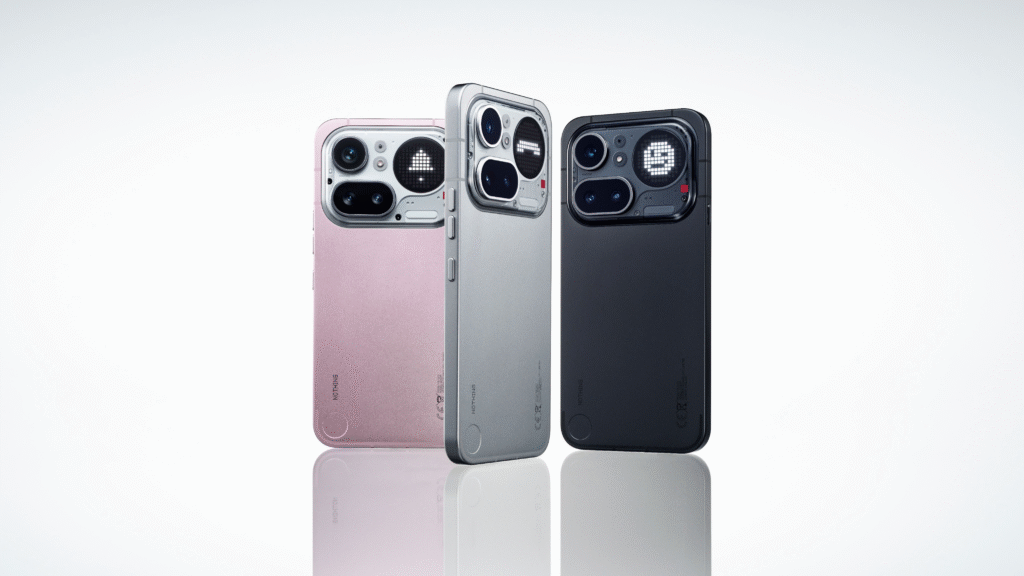
We expected a glass phone from Nothing, and it surprised us. The (4a) Pro has an aluminium unibody that feels like a phone twice the price. On the back is the Glyph Matrix, made of 137 mini-LEDs. It can show the time, track your Uber as it arrives or count you down to a timed selfie. A small red light comes on when you’re filming, which is a lovely touch.
The real story is the camera. A 50MP periscope telephoto gives 3.5x optical zoom, which is very rare at this price, and stretches to 140x digital when you’re feeling brave. The 6.83-inch 144Hz AMOLED reaches 5,000 nits. The 5,080mAh battery charges at 50W, so a short top-up before you head out goes a long way. Performance can stutter now and then when you’re switching between heavy apps. That’s a small price for a phone this distinctive.
New stock is sold out on Amazon UK, so we’re linking to a high street retailer instead.
Google Pixel 10a
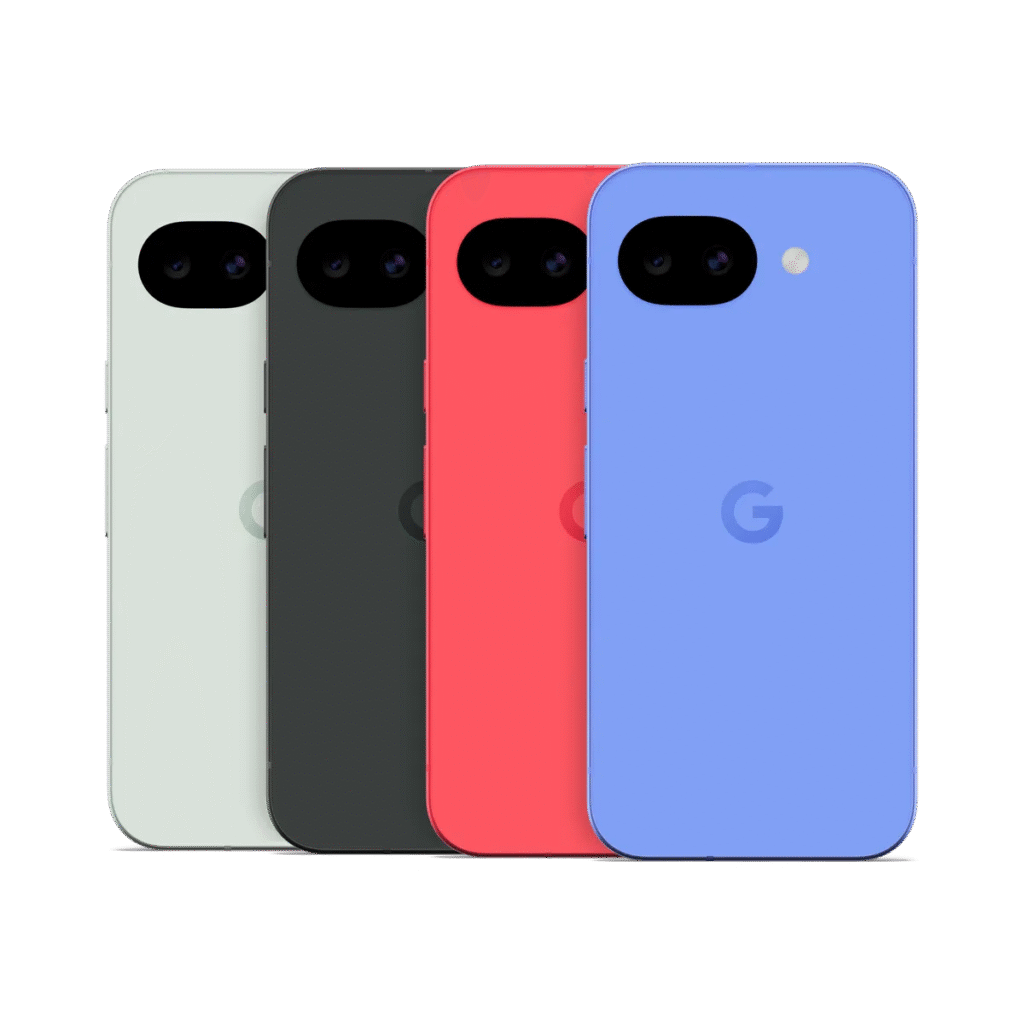
The camera bump is gone. The Pixel 10a’s back is completely flat, so it lies still on a desk and slides easily into a jeans pocket. It’s an understated, well-made phone. The 6.3-inch screen reaches 3,000 nits, and the 5,100mAh battery lasts well over a day for most people.
It runs the older Tensor G4 chip, and the back is matte plastic rather than glass. Neither matters much in daily use. What matters is the camera, which captures the same Google magic as phones twice the price. Google also promises seven years of updates, so you could still be using this phone in 2033. Charging tops out at 23W, which feels slow next to everything else here. At £434 for the 256GB model, though, it’s still the mid-range phone we recommend most to friends and family.
How to get flagship value without paying flagship prices
Buy last month’s flagship, not last year’s budget phone
Prices drop fast now. The Pixel 11 Pro is down nearly £300 only three months after launch. A slightly older top-end phone often beats a brand-new mid-ranger on camera, screen and build.
Check how long updates last
Seven years of updates (Google, Samsung) against three or four (Motorola, Xiaomi) can be the difference between a phone you keep and one you replace early. Spread over its lifespan, the cheaper phone can end up costing more.
Go for storage over RAM
Photos and 4K video fill a phone quickly. If you have to choose, get 256GB of storage before worrying about 12GB versus 16GB of RAM. Most people will never notice the RAM difference.
Budget for a charger
Almost none of these phones come with a plug in the box (the Oppo is the exception). A good 45W to 65W GaN charger costs around £25 and unlocks the fast charging you’re paying for.
The final word
If you want one phone that does everything, buy the Galaxy S26 Ultra. If you want the best photos for the least effort, choose the Pixel 11 Pro. If you want the most fun, flip a coin between the Galaxy Z Fold 8 and the Xiaomi 18 Pro Max. They’re the two phones we kept picking up even when they weren’t on our review list.