

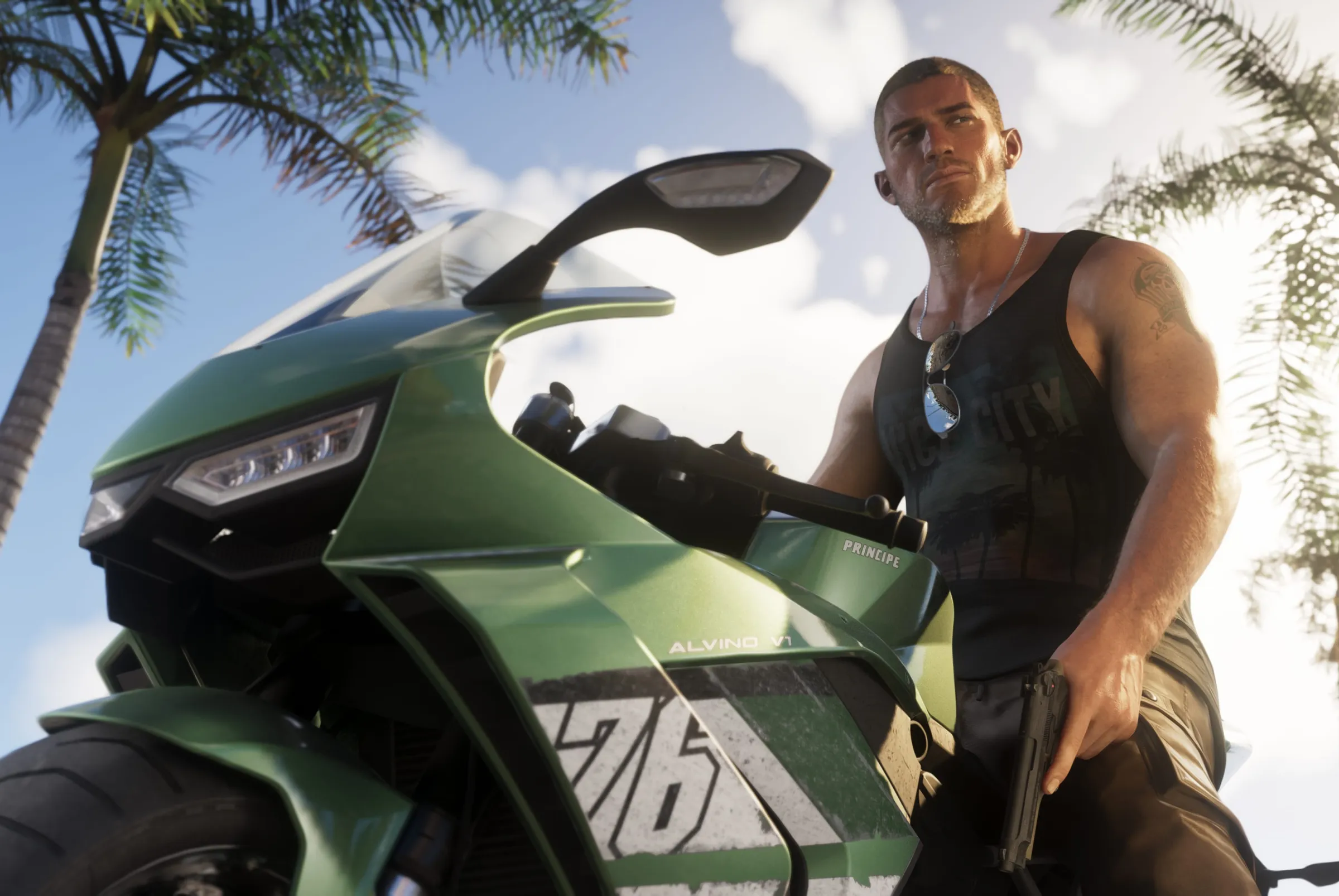
Rockstar’s New Modding Rules Put a Fence Round the GTA Sandbox
Two months before GTA 6 launches, Rockstar has written down what modders can and cannot do. The list of cannots is a lot longer than the community hoped, and the fine print is where it gets interesting.
Rockstar has never been shy about controlling what happens to its games. This weekend it pushed that instinct into the spotlight with a page of official Mod Guidelines, landing less than two months before GTA 6 arrives on 19 November. The first rule sets the tone before you have finished your coffee: “Respect our games.”
Fans are, predictably, not thrilled. One popular reaction compares Rockstar to Nintendo, which is not a compliment in modding circles. We have read the page line by line, and our view is that it is part sensible housekeeping and part very wide net. Here is what it says, who it hits hardest, and why Rockstar picked this moment to say it.
What Rockstar has actually ruled out
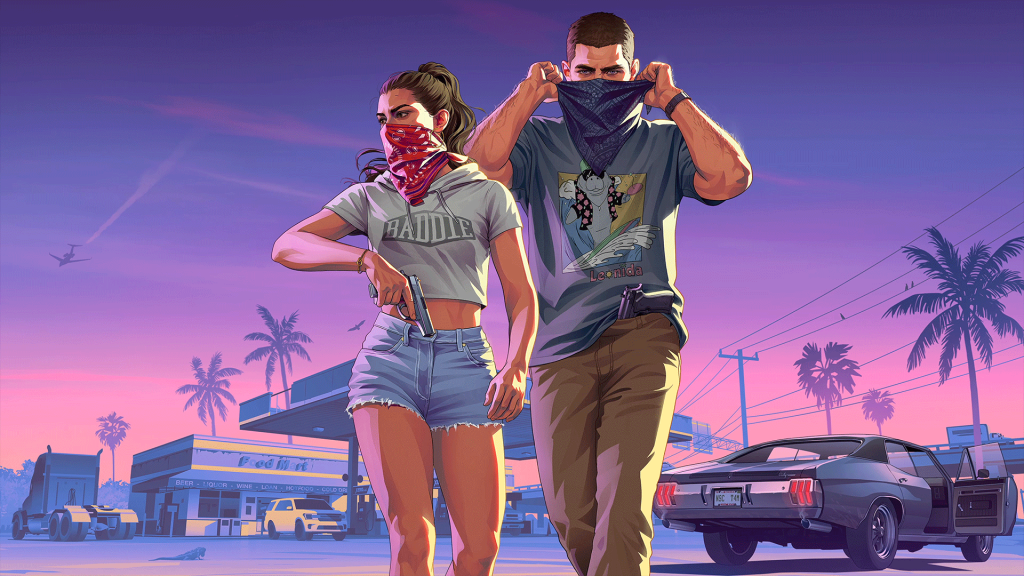
The headline rule says mods must not expand or modify Rockstar’s official storylines, plots, missions, characters or anything else in its established continuity. Rockstar’s reasoning is ownership. These worlds form the official continuity of its games, and like any creator it says it has the right to set limits on how others use them.
On a literal reading, that covers a startling share of the mods people actually make. A new mission chain? Out. Extra scenes for a favourite supporting character? Out. Some fans have summed it up bluntly as a ban on most of what makes modding fun.
The second rule bans mixing content between Rockstar games. Maps, locations, characters, storylines and assets from one title cannot be dropped into another. Liberty City inside Los Santos has been a fan dream for over a decade. A recent Red Dead Redemption 2 mod that brings Mexico across from the original Red Dead Redemption looks to fall into the same bucket.
The third rule is about hardware, and we will come back to it. Rockstar says its games must not be modified to run on consoles, devices or platforms where it has not officially released them.
The rest of the page is broader housekeeping. There are no cheat menus or software that interfere with official multiplayer, online services or the licensed Creator Platform. Rockstar logos cannot be used to suggest a mod is officially endorsed. Third-party intellectual property, from music and brands to adverts and real-world locations, is off limits. Voice performances from Rockstar games cannot be reused or altered, and no real person’s voice or likeness can be used without written permission. Conflict roleplay and military simulations depicting real-world armed organisations are out.
Money gets its own line. Unless it runs through Rockstar’s Creator Platform, modding has to stay strictly non-commercial, with specific bans on crypto, NFTs, loot boxes and real-money gambling. Rockstar also adds that the guidelines are not a licence and that it can revise them whenever it likes.
That last part is the one we would underline. A policy that can be rewritten at any time is a statement of preferences, not a proper set of rights.
The page also says it only summarises the Rockstar Terms of Service and the Creator Platform License Agreement, which is where the legally binding wording actually lives. Mods fall under those documents as either Custom Content or user generated content, depending on how they are made. If you are building anything ambitious, those are the texts to read, not the friendly summary.
The port problem
The platform rule will do the most visible damage. Over the past few years, enthusiasts have got GTA 5 running on the Nintendo Switch and on Android phones. A community effort has been bringing GTA 3 to the Sega Dreamcast, a console the game was reportedly once in development for. Other builds have targeted the Wii, GameCube, 3DS and iPhone. Under the new wording, every one of them is unauthorised.
These projects are technically remarkable and, as far as we can tell, commercially harmless. Nobody skips a PS5 copy of GTA 6 because a hobbyist squeezed GTA 5 onto a handheld. Rockstar’s counter is that it decides where its games appear and in what state, and that is a coherent position. It is also one that turns years of unpaid, often brilliant work into a liability overnight.
The FiveM elephant in the room
This is where the story gets awkward. Rockstar bought Cfx.re, the team behind the FiveM and RedM mod frameworks, back in 2023. FiveM is what turns GTA 5 into a home for giant roleplay servers, and it reportedly hit 200,000 players on Steam in March. Rockstar has even put the roleplay server NoPixel into its own launcher.
In January it opened the Cfx Marketplace, a curated store where approved creators sell mods and bundles to players, with payments handled through Tebex. Some listings already had thousands of downloads at launch.
So Rockstar is not against modding. It is against modding it does not run. The guidelines make that plain by funnelling multiplayer modding and paid mods into the official Creator Platform, while everything else must stay free and stay away from the online modes. Call it a business model with a rulebook stapled to it. How fair that feels depends on how you view a group that once accused FiveM of piracy and now runs the shop.
The military roleplay rule deserves a second look here. Some servers are built to resemble real armed forces, and they are the obvious casualties. We also read it as the rule with the clearest commercial logic. A studio that runs an official marketplace has little appetite for its brand sitting next to simulations of real-world conflict.
Is any of this actually new?
Fair question. Read closely, much of the page writes down positions the studio has held for years. Single-player PC modding has long been tolerated within limits, and the guidelines appear to leave that door open as long as you avoid online services and other people’s intellectual property. The real change is clarity: one page, plain English, and no wiggle room on cross-game maps or ports.
The history is not friendly either. Take-Two has a record of DMCA takedowns against mods and even saved game files, and a modder who rebuilt GTA 6’s Vice City map inside GTA 5 pulled the whole project offline after a single YouTube strike. So the guidelines do not create the enforcement habit. They give it a citation.
Why now
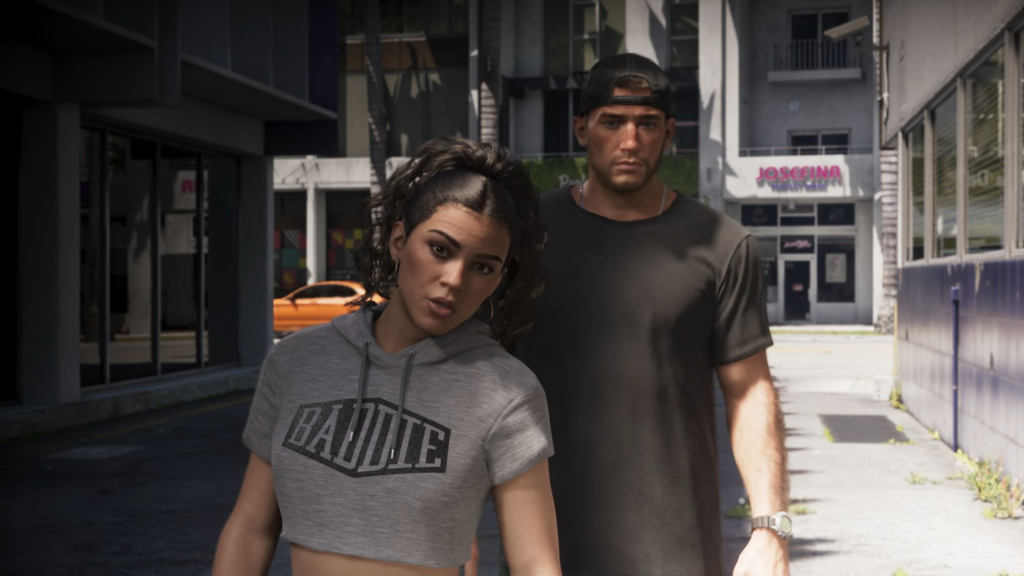
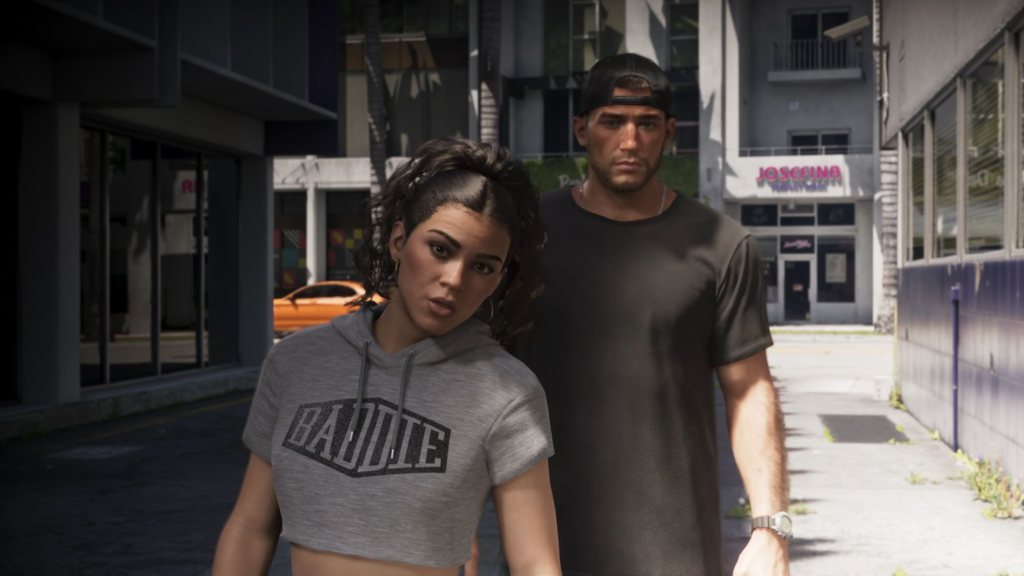
The answer is on the calendar. GTA 6 launches on 19 November for PS5 and Xbox Series X and S only, as a single-player game, with no PC version announced. Consoles are locked boxes, so the real modding question for GTA 6 does not arrive until PC does.
For most people playing on 19 November, none of this changes a thing. You will buy the game, play it as Rockstar built it, and mods will be somebody else’s problem. The pain lands on PC, on roleplay communities and on the people who have spent years on projects the page now forbids.
On 17 September, at Take-Two’s shareholder meeting, chief executive Strauss Zelnick said the company aims to launch on platforms with a meaningful audience and that PC is becoming more important to it. He did not name GTA 6, and nothing about a PC release is confirmed. History offers a rough guide. GTA 5 took around 19 months to reach PC, and Red Dead Redemption 2 took around 13. Follow the shorter gap and GTA 6 would land on PC in December 2027.
That gives Rockstar over a year to get the rules, the Creator Platform and the takedown machinery in place before a GTA 6 mod scene can exist. We also suspect mood plays a part. The guidelines arrived in the same fortnight as a reported leak of nearly 200GB of unreleased GTA material, and that is exactly the sort of thing that makes a studio reach for the fence.
Rockstar has not said whether GTA 6 will get Creator Platform support eventually. We would be surprised if it did not, given the marketplace investment.
Where we land
Two things are true at once. Rockstar is right about some of it. A studio this size has good reasons to keep cheat menus out of online play, real-world military roleplay away from its brand, cloned voices out of its worlds and crypto schemes out of Los Santos. The legal and reputational risk is real, and nobody serious is mourning the loss of NFT loot boxes.
But the blanket ban on cross-game maps and story expansions is a different animal. GTA 5 launched in 2013 and is still busy 13 years later, largely because the community keeps rebuilding it. Somebody carrying Liberty City into Los Santos is not stealing a sale. They are giving people a reason to keep playing a game Rockstar still sells. As for continuity, no one mistakes a mod for canon. Mods label themselves.
The Nintendo comparison is only half fair. Nintendo shuts fan projects down and offers nothing in return. Rockstar shuts a lot down too, but it also runs a shop, so the message is less “no” than “not without us”.
Our guess is that enforcement will be selective. Rockstar cannot police every hobby project, and its track record points at the visible ones: popular videos, marketplaces, ports that make headlines. If you make mods, the safe lane is narrow. Keep it single-player, keep it free, stay out of online modes and leave other people’s IP alone. We are journalists, not lawyers, so read the page and the licence terms it points to yourself.
What to watch
Four things will tell us how serious this is. Whether takedowns begin for ports and cross-game projects in the coming weeks. Whether Rockstar softens the wording after the backlash, which it says it can do at any time. Whether the Creator Platform is extended to GTA 6. And whether a PC date turns up before the mod scene has to guess.
Rockstar has drawn the fence. Now we find out how hard it plans to patrol it.