



Samsung Galaxy Glasses Could Launch at Galaxy Unpacked and Redefine the Future of AI Wearables
The race to dominate the next era of consumer technology is accelerating fast, and Samsung appears ready to make one of its boldest moves yet. According to new leaks, the company is expected to unveil its long-rumoured Samsung Galaxy Glasses during Galaxy Unpacked on 22 July in London, alongside the next generation of Galaxy Z Fold and Galaxy Z Flip smartphones.
While rumours surrounding Samsung’s AI glasses have circulated for years, the latest reports suggest the project is finally nearing reality. More importantly, the launch could mark a major turning point for the wearable technology market, positioning Samsung as one of the biggest challengers to Meta in the rapidly growing AI smart glasses category.
Powered by Android XR and deeply integrated with Google Gemini AI, the Samsung Galaxy Glasses are expected to focus on voice assistance, hands-free content capture, audio experiences and contextual artificial intelligence features designed to bring AI into everyday life more naturally than ever before.
For the tech industry, this is about far more than another gadget launch. Samsung’s entry into AI-powered smart glasses represents a major step toward a future where wearable computing begins to replace constant smartphone interaction, creating a more seamless relationship between users and technology.
Samsung’s AI Glasses Have Been Years in the Making
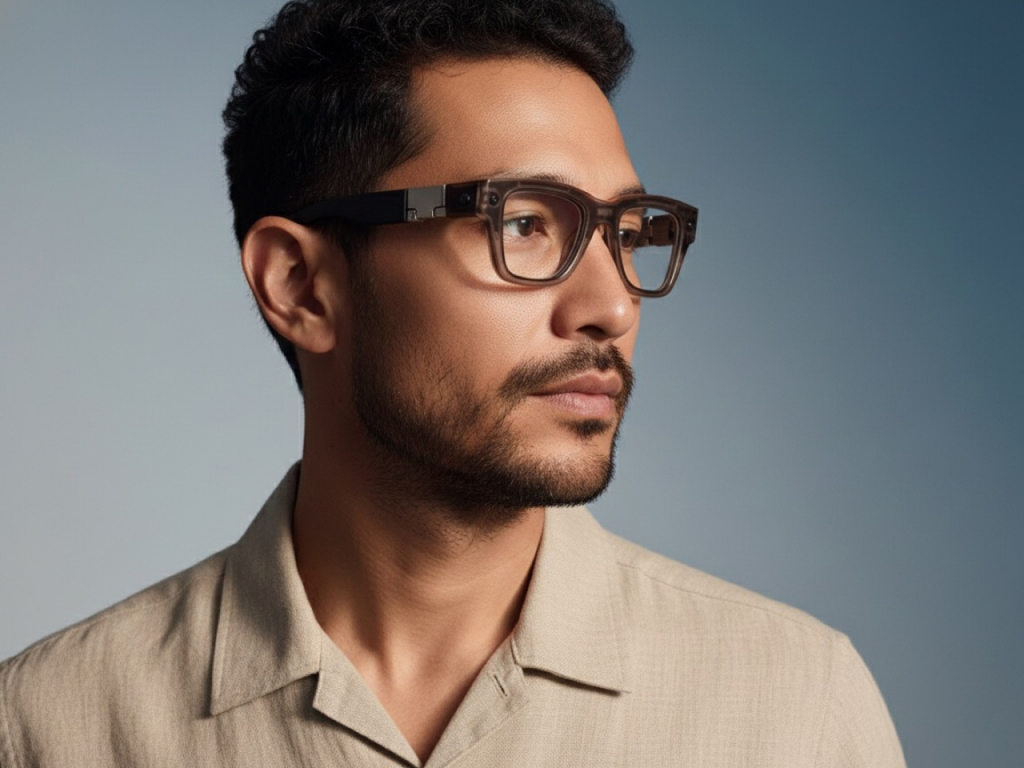
Samsung has reportedly been developing AI glasses under the internal codenames Jinju and Haean, with speculation suggesting the company has been testing both display-equipped augmented reality glasses and simpler non-display smart glasses aimed at mainstream consumers.
The first version expected to launch this year is believed to focus on practical everyday functionality rather than full augmented reality visuals. That means users can likely expect features similar to Meta’s Ray-Ban smart glasses, including built-in cameras, microphones, speakers, voice controls and AI-powered assistance.
However, Samsung’s biggest advantage may come from its partnership with Google and its use of Android XR, a new platform designed specifically for extended reality and wearable AI devices.
The collaboration between Samsung and Google has already produced the Galaxy XR headset, which was introduced as part of a broader strategy to expand wearable computing experiences beyond smartphones and tablets. The Galaxy Glasses appear to be the next major step in that vision, bringing AI directly into lightweight wearable hardware that people can use throughout the day.
Reports also suggest Samsung has partnered with luxury eyewear brand Gentle Monster to help develop the design of the Galaxy Glasses, signalling a strong focus on style and wearability rather than purely technical performance.
That could prove crucial in helping Samsung avoid one of the biggest mistakes previous smart glasses makers struggled with: creating devices that looked too experimental or uncomfortable for everyday use.
Why AI Smart Glasses Are Suddenly Becoming Mainstream
Just a few years ago, AI glasses felt like an ambitious but unrealistic concept. Early wearable devices suffered from weak battery life, limited functionality and awkward designs that struggled to appeal to mainstream users.
The rise of generative AI has changed that completely.
Artificial intelligence tools like Gemini, ChatGPT and other multimodal systems are making wearable devices far more useful because AI can now understand voice, images, context and real-world environments in ways that simply were not possible before.
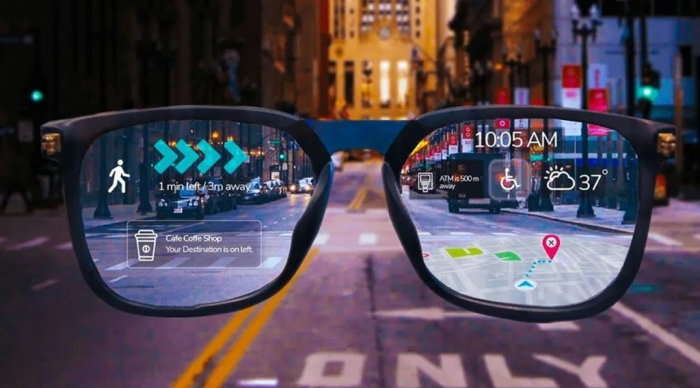
Instead of functioning like small smartphone replacements, modern AI glasses are designed to act as intelligent assistants that operate naturally in the background. Users can ask questions, translate conversations, capture photos, listen to audio, receive navigation help and interact with AI without constantly needing to reach for a phone screen.
That shift is exactly why companies across the tech industry are suddenly investing heavily in wearable AI hardware.
Meta has already found success with its Ray-Ban smart glasses, which became unexpectedly popular thanks to their stylish design and genuinely useful everyday features. Apple continues to expand its spatial computing ambitions through Vision Pro and future wearable projects, while Google is rebuilding its wearable ecosystem around Android XR.
Samsung’s Galaxy Glasses could become one of the most important products in this emerging category because Samsung combines hardware expertise, global distribution, smartphone ecosystem integration and AI partnerships at a scale few competitors can match.
Expected Samsung Galaxy Glasses Features and Specs
Although Samsung has not officially confirmed the hardware specifications, multiple leaks have painted a fairly detailed picture of what the Galaxy Glasses may include.
The AI glasses are reportedly powered by Qualcomm’s Snapdragon AR1 chip, a processor specifically designed for smart glasses and wearable AI experiences. The Snapdragon AR1 platform focuses heavily on low power consumption while supporting real-time AI interactions, voice processing and image recognition capabilities.
Current rumours suggest the Galaxy Glasses may include:
- 12-megapixel front-facing cameras
- Integrated microphones and speakers
- Gemini AI support
- Android XR operating system
- Voice-based controls
- Photochromic lenses that automatically adapt to lighting conditions
- A 155mAh battery
- Hands-free photo and video capture
- Audio playback and AI assistant features
The first-generation device is expected to launch without an internal display, allowing Samsung to focus on comfort, battery efficiency and affordability before introducing more advanced augmented reality functionality in future models.
According to reports, Samsung is already planning a second-generation version of the Galaxy Glasses for 2027 that may include built-in displays capable of delivering full augmented reality experiences directly into the user’s field of vision.
That future version could introduce features such as real-time translation overlays, navigation directions, contextual notifications and interactive digital content layered onto the real world.
Android XR Could Be the Most Important Part of the Launch
While the hardware itself is attracting major attention, the real long-term story may actually be Android XR.
Google’s Android XR platform is designed to become the foundation for a new generation of wearable computing devices, including AI glasses, mixed reality headsets and future spatial computing products.
In many ways, Android XR could become for wearable technology what Android originally became for smartphones: a scalable operating system capable of powering an entire ecosystem of devices across multiple manufacturers.
That creates significant opportunities for Samsung.
Instead of building a completely isolated wearable ecosystem, Samsung can leverage Google’s AI infrastructure, app ecosystem and Gemini platform while combining them with Samsung’s own hardware capabilities and Galaxy ecosystem integration.
This partnership could allow Samsung to deliver one of the most complete wearable AI experiences currently available, especially for existing Galaxy smartphone users.
It also positions Samsung and Google as major competitors to Meta and Apple in what is quickly becoming one of the most important areas of future consumer technology.
Galaxy Unpacked Could Be Samsung’s Biggest Event Yet
If the leaks prove accurate, Galaxy Unpacked 2026 could become one of Samsung’s most significant launch events in years.
The company is already expected to reveal several major products, including the Galaxy Z Fold 8, Galaxy Z Fold 8 Wide, Galaxy Z Flip 8 and the Galaxy Watch 9 lineup. Adding Galaxy Glasses to that event would dramatically expand Samsung’s wearable ecosystem and showcase the company’s growing focus on AI-powered devices.
The timing also aligns closely with increasing industry attention surrounding AI hardware.
Google I/O is expected to reveal more details about Android XR and Google’s future wearable strategy, meaning Samsung’s Galaxy Glasses could receive additional exposure even before their official launch.
As competition intensifies across the AI hardware space, Samsung’s arrival in the smart glasses market signals that wearable AI is no longer an experimental niche category. It is rapidly becoming one of the next major frontiers in consumer technology.
Could Samsung Galaxy Glasses Replace Smartphones One Day?
Smartphones are not disappearing anytime soon, but the long-term goal behind devices like Samsung Galaxy Glasses is clear.
Tech companies increasingly believe that wearable AI could eventually reduce our dependence on phones by allowing information, communication and digital assistance to happen more naturally through voice, vision and contextual computing.
Instead of staring at screens for hours every day, future wearable AI systems may quietly assist users throughout daily life by surfacing relevant information exactly when needed.
That vision still faces major challenges, including privacy concerns, battery limitations and consumer adoption hurdles. However, the rapid progress in artificial intelligence is making wearable computing feel far more realistic than it did even a few years ago.
Samsung’s Galaxy Glasses may not deliver the full augmented reality future immediately, but they could become one of the first truly mainstream AI wearable devices capable of bringing smart glasses into everyday consumer life.
If Samsung succeeds in balancing style, comfort, AI functionality and ecosystem integration, the Galaxy Glasses could become one of the company’s most important products of the decade and potentially help shape the future of post-smartphone computing.