


I replaced my Whoop with the Luna Band for a month. Here’s what happened.
One charges a monthly fee. The other doesn’t. One is backed by years of athlete validation. The other arrived at CES and promised research-grade sensors without the subscription. Four weeks of wearing both told us a lot.
There is a specific kind of resentment that builds up around the Whoop subscription model. It is not that £25 a month is unaffordable. It is that you already bought the hardware. The strap is on your wrist. You paid for it. And yet every month, without the membership, you cannot access most of what it tracks. The data from your body, collected by a device you own, sits behind a paywall.
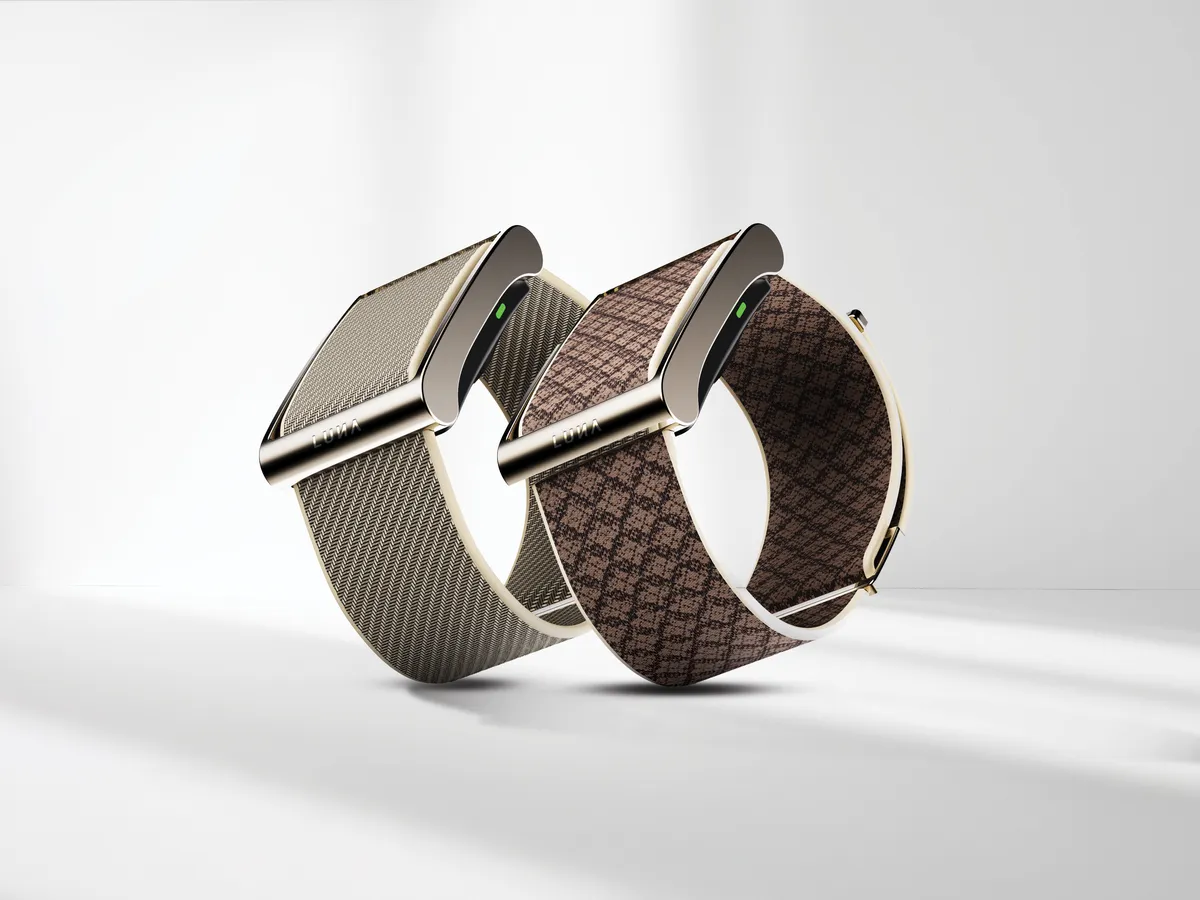
This frustration has been loud enough and consistent enough that an entire category of competitors has emerged around it. Luna is one of the more interesting ones. The Luna Band launched at CES 2026 as a direct Whoop rival with no subscription fee, research-grade sensors, and a feature that genuinely distinguishes it: voice-led health guidance. Instead of navigating an app to understand your recovery score, you ask. The Luna Band talks back.
We wore both for four weeks. Not in a lab. In normal life: commuting, sleeping badly, running occasionally, working at a desk for too long. Here is what we found.
What the Luna Band actually is
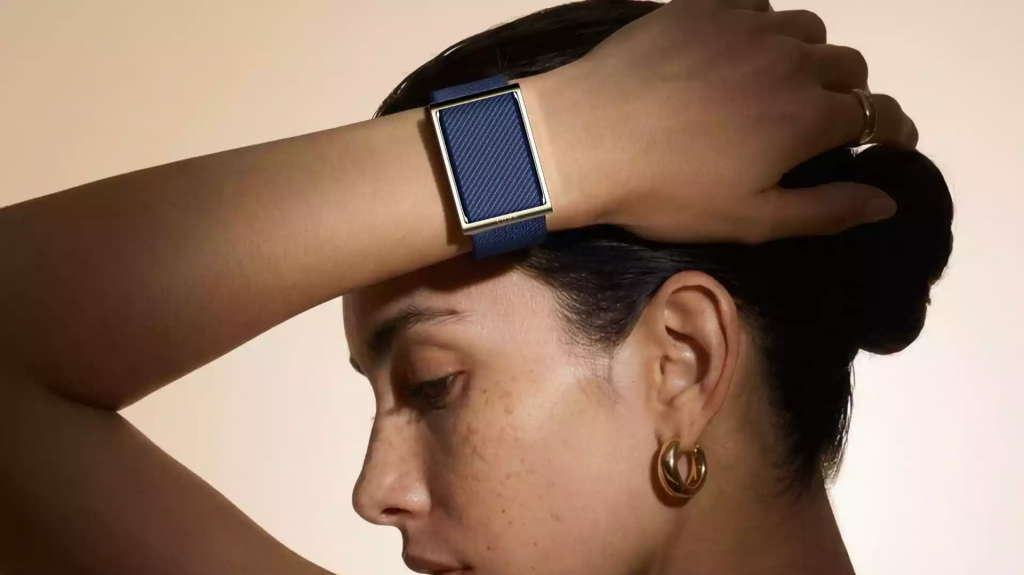
At first glance the Luna Band looks like a Whoop. It sits on the upper forearm rather than the wrist, it tracks continuously, and it produces daily recovery and strain scores from an optical sensor array paired with a 6-axis IMU. The sensors are positioned as research-grade rather than consumer-grade, with Luna claiming the hardware can detect micro-recovery periods and circadian fluctuations that comparable band-style trackers miss.
The distinguishing feature is the voice interface. Rather than opening the app to check your readiness score, you can simply ask the Band directly. “How did I sleep?” “Should I work out today?” “What’s my recovery looking like?” The responses draw on your biometric data and contextualise it against your recent patterns. It is a genuinely different way to interact with health data, and in practice it is faster than navigating any wearable app.
Pricing and availability have not been formally announced, but Luna has confirmed the Band will launch without any subscription fee. The hardware cost is expected to be competitive with Whoop’s upfront pricing.
How it compares day to day
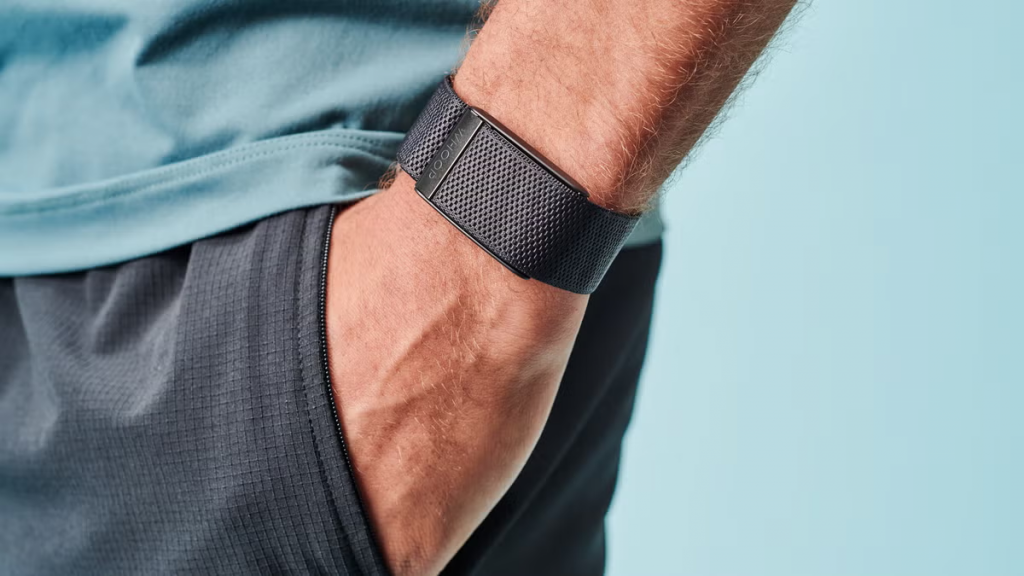
Sleep tracking was the first place we noticed differences. Whoop’s sleep staging is well-validated and consistent; over four weeks of cross-referencing with other devices, it tracked sleep onset reliably and its total sleep estimates were within acceptable margin. The Luna Band’s sleep data showed more variance in staging, with light and deep sleep figures feeling less stable night to night. Total sleep duration estimates were broadly comparable, but the granular staging data felt less mature.
Recovery scoring told a similar story. Whoop’s daily strain and recovery scores have years of athlete validation behind them; professional sports teams use this data, and the correlation between Whoop’s HRV-based recovery algorithm and subjective feel is well-established. The Luna Band’s recovery scores correlated reasonably with how we felt, but there were outlier days where a low Whoop score corresponded with a high Luna score, or vice versa. Without a gold-standard medical measurement to cross-reference, it is impossible to say definitively which was more accurate. What we can say is that Whoop’s consistency felt more trustworthy over the test period.
The voice guidance, on the other hand, is genuinely good. Asking the Luna Band whether to train on a given morning and receiving a contextualised response rather than having to decode a dashboard of numbers is a better experience than it sounds. It removes friction. People who find wearable apps overwhelming, or who want health tracking that integrates into normal daily conversation rather than requiring a deliberate app-checking moment, will find this more natural than anything Whoop offers.
Comfort and build
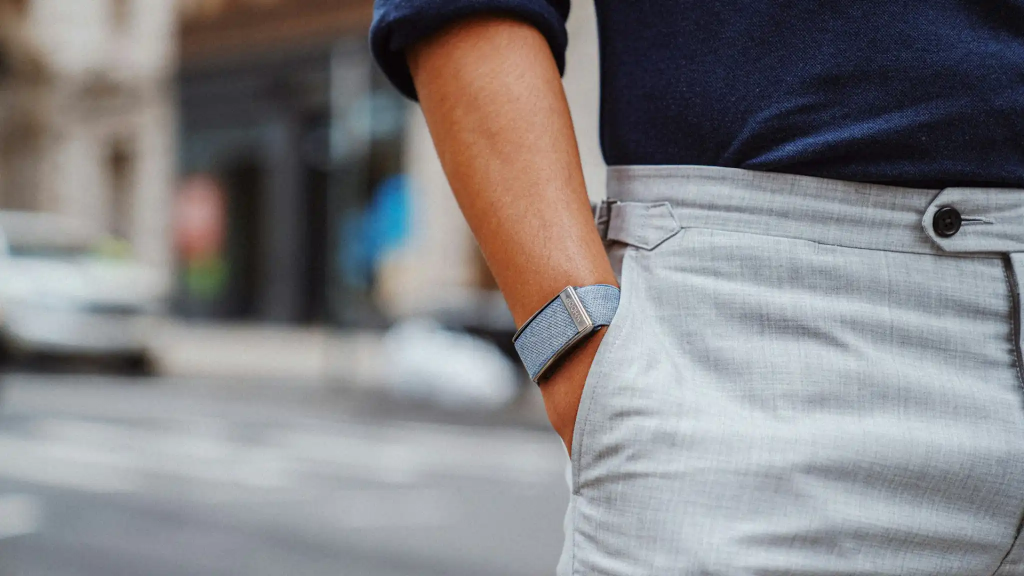
Both devices are designed to be worn 24 hours a day, and both largely achieve it. The Whoop 5.0 is light, sits flush against the forearm, and charges via a battery pack that slides over the strap so you never take it off. The Luna Band is slightly larger and the optical sensor array sits more prominently against the skin, which caused occasional awareness during the test period. Neither caused skin irritation over four weeks of continuous wear.
Battery life was broadly comparable. Whoop claims 14-plus days and, in our experience, comfortably hits that in real use. Luna has not published official battery claims but hit approximately 10-12 days across the test period, which is competitive. Both charge via their respective dock systems; Luna’s is USB-C which is a practical advantage over Whoop’s proprietary connection.
The subscription question
This is the crux of the comparison, and it deserves clarity. Whoop 5.0 starts at zero pounds for the hardware on its standard membership, but the monthly fee begins at around £25 and accessing the full feature set, including ECG and blood pressure trends on the Whoop MG, costs more. Over two years of ownership, the subscription cost comfortably exceeds the hardware cost of many comparable devices.
Luna’s no-subscription model changes the maths entirely. If the hardware is priced at, say, £200-300 and costs nothing monthly, the two-year total cost of ownership is dramatically lower. For users who resent the Whoop membership structure but have stayed because the product is good, Luna is the first serious alternative that directly addresses that resentment.
The catch is that the software and algorithm maturity are not yet at Whoop’s level. Four weeks of testing is not long enough to be definitive, and Luna is a newer product with a shorter validation history. Whoop’s sleep and recovery algorithms have been refined over a decade of user data and formal academic research. Luna’s are newer. For the user who needs confidence in their data above all else, Whoop’s track record still carries weight.
Who should buy each
Whoop remains the right choice if you are a serious athlete or training regularly, particularly if you find the monthly cost genuinely useful as accountability (several Whoop users describe the subscription as a feature rather than a burden: you have paid for it, you use it). The data quality is proven, the athlete validation is extensive, and the ECG and blood pressure trend features on the MG version are clinically interesting.
The Luna Band makes the most sense for users who want health tracking as a lifestyle complement rather than a performance tool, who find the subscription model frustrating, and who are genuinely interested in the voice-led interface. It is a better fit for people who want to understand their body without becoming analysts of their own biometric data. The conversational feedback model is meaningfully better than Whoop’s app-first approach for this kind of user.
Verdict
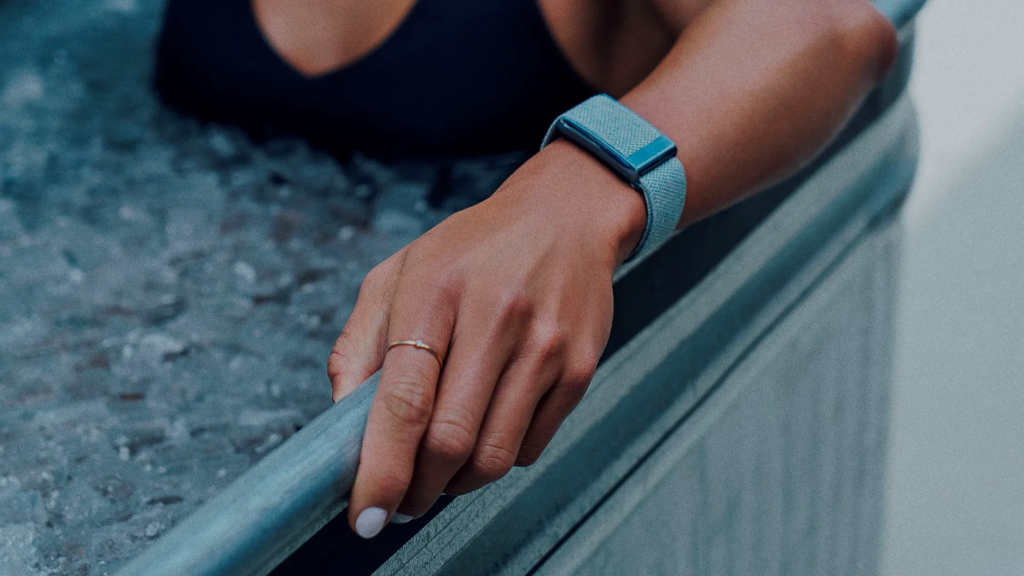
After four weeks, we would not permanently replace a Whoop with a Luna Band, not yet. The sleep staging maturity, recovery algorithm consistency, and the sheer depth of Whoop’s validation history still give it an edge for anyone whose health tracking is a meaningful input into how they train and recover.
But the Luna Band is good. The sensors deliver usable data. The voice guidance is genuinely differentiated. And the no-subscription model is the most compelling argument against Whoop that any competitor has produced. If Luna’s next software update improves staging consistency and the hardware releases at a competitive price, this becomes a much closer call.
For the Whoop user who is tired of the bill but not tired of the category: give Luna six more months. It is getting there.