

9 AI wearables in 2026 that aren’t a watch or ring (and actually work)
The next wave of body-worn AI is here, and it clips to your collar, slides into your ears, and hangs around your neck. None of it counts steps. All of it wants to run your day.
The failure of the Humane AI Pin was supposed to kill the category. It didn’t. In 2026, a new generation of AI wearables has quietly arrived, cheaper, smaller, and far more honest about what they can and can’t do. These aren’t trying to replace your phone. They’re doing something more specific: capturing your conversations, surfacing patterns, cutting the mental overhead of being a person with a lot going on. Some of them are genuinely excellent. Some are still rough around the edges. All of them are more interesting than your step count.
Plaud NotePin S
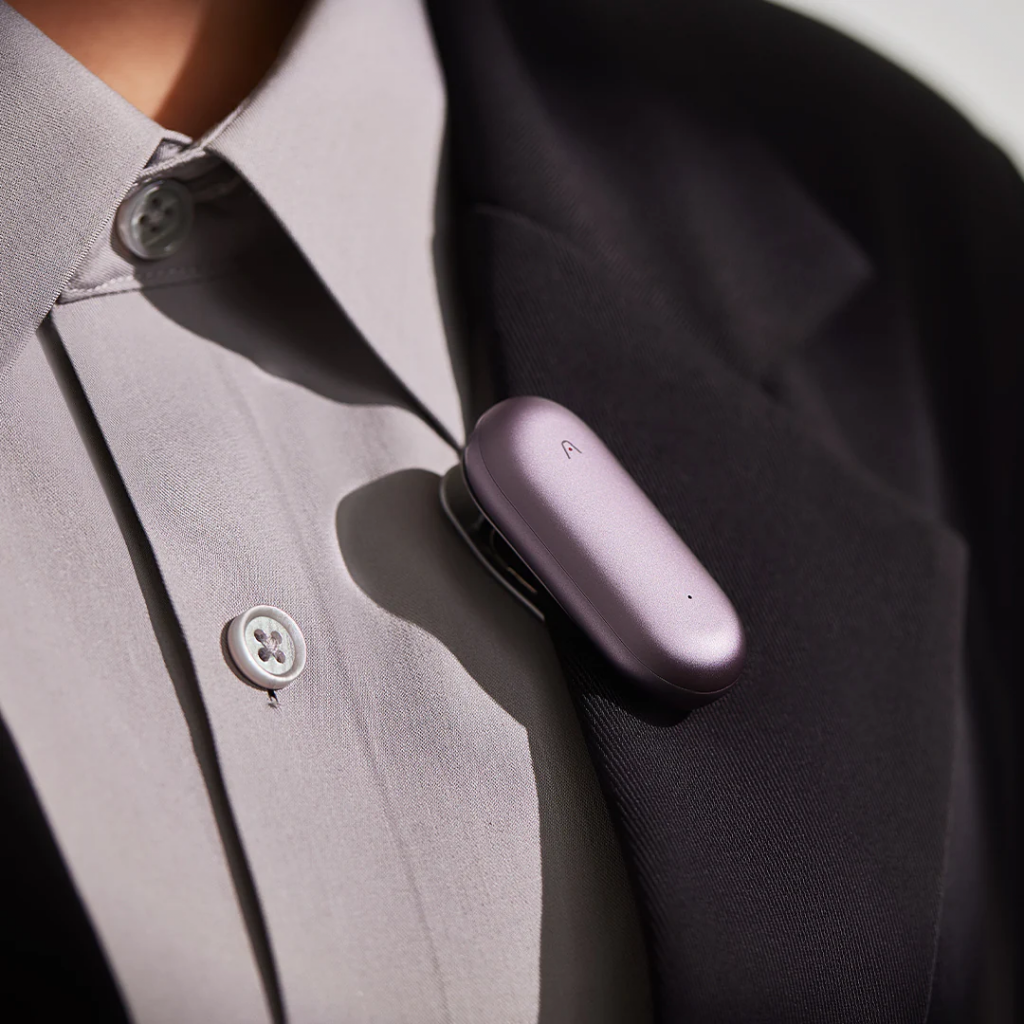
Clip it to your collar before the meeting and forget it’s there. The NotePin S is the size of a house key, records up to 20 hours on a charge (expect 4-6 hours in heavy active-recording use), and produces transcripts, summaries, and a visual mind map that organises what was actually said into something you can act on. The physical highlight button is the feature nobody talks about enough: tap it when someone says something important, and the NotePin flags that moment in the transcript so you don’t have to scrub through 45 minutes of audio later. It supports 112 languages and speaker diarisation, and the app earns its keep in a way that most wearable companion apps don’t. Not designed for video calls (software handles those better), and the AI summaries occasionally misread context in noisy rooms, but for in-person professionals who’ve been losing meeting details for years, this is the one.
From £159 / $179, plaud.ai
Soundcore Work by Anker
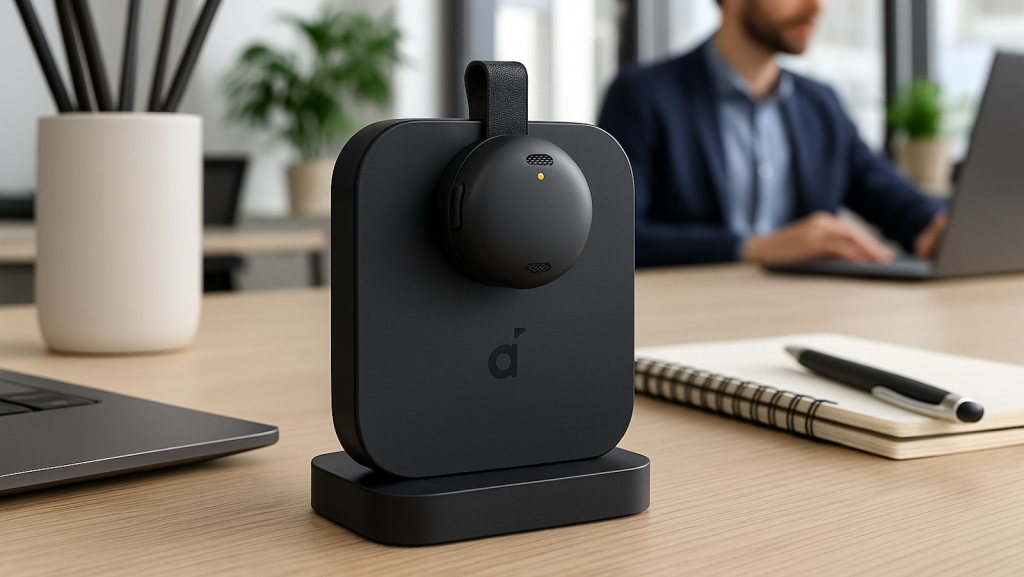
A more affordable entry into AI note-taking from a brand that will definitely still exist in two years, which matters more than it sounds in this category. The Soundcore Work clips on and runs similar meeting capture and summary functions to the NotePin, at a lower upfront cost. The subscription is required for deeper AI features, so factor that in over 12 months before assuming the price gap is as wide as it looks on day one. For someone who wants to try the category without committing £150+, it’s the right starting point.
From £79, soundcore.com
Omi (open platform)

Omi is the developer’s pick: open platform, active community, lower price, and genuine extendability for users who want to build their own workflows on top of a wearable recorder. The summaries are solid. The plug-in app ecosystem has real potential. If data privacy with third-party app integrations doesn’t bother you and you’d rather have flexibility than polish, Omi earns its place. If you want a consumer-grade “it just works” experience, look elsewhere.
From £69, omi.me
Looki L1
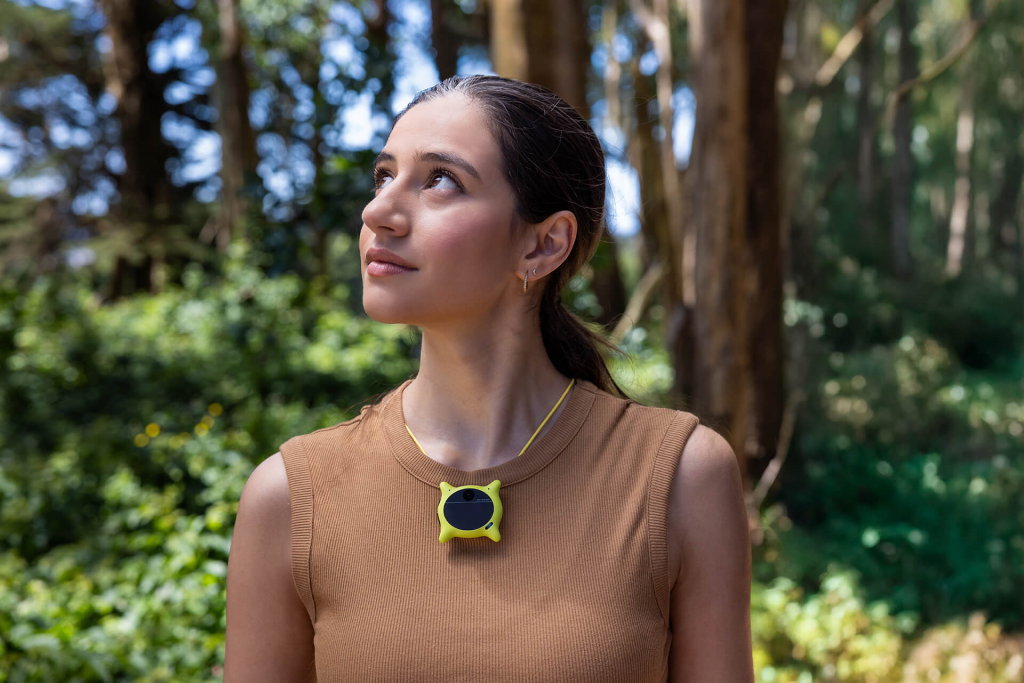
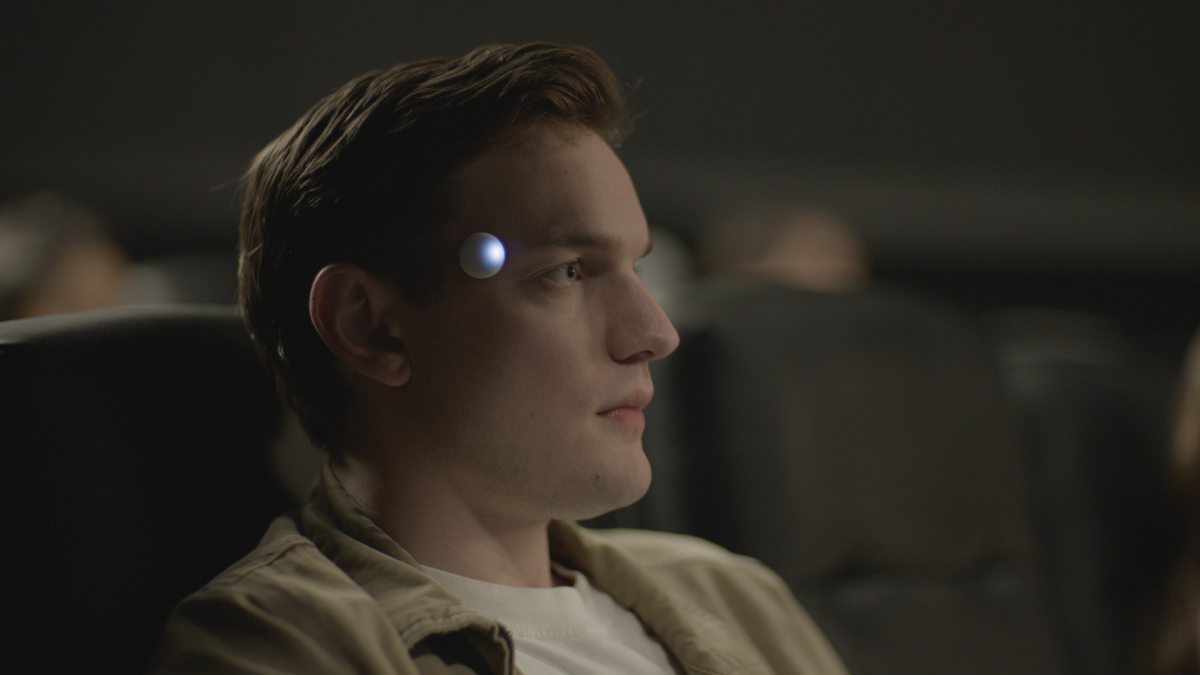
The most fully realised attempt yet at an always-on AI visual wearable, and one of the few in this category you can actually buy off the shelf today. The L1 is a 32-gram clip that attaches at chest height, packs a 12-megapixel camera, three microphones, and a Qualcomm Snapdragon W5 Gen 2 processor running on-device AI. The 109-degree field of view captures roughly what you see. With 12 hours of battery life and 32GB of onboard storage, it handles a full day without a charge. At $199 (around £148) with a roughly $10/month subscription, it significantly undercuts the Humane AI Pin’s failed £699-plus-subscription model. Data is processed locally first and stays on the device for up to five days before you decide what to upload, which is a meaningful privacy step forward. The proactive AI features carry a beta label, the camera quality is documentation-grade rather than portfolio-worthy, and the privacy questions in public spaces are real ones that won’t go away. But at this price, it’s the most honest way to find out whether an AI companion that watches your day is useful to you.
$199 / approx. £148, looki.ai
Plaud Note (the original)
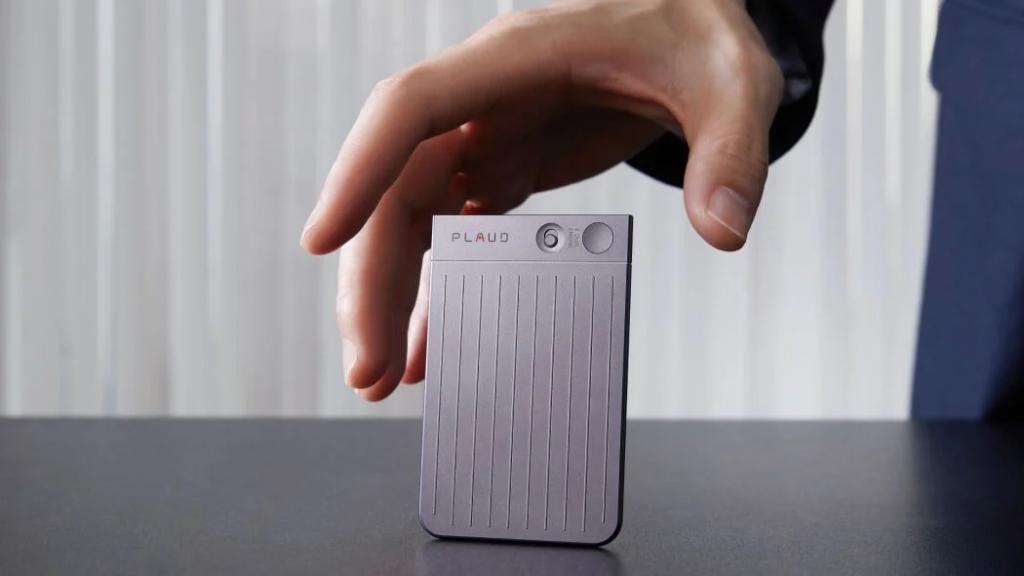
Where the NotePin S is a clip wearable, the original Plaud Note is a credit-card-thin magnetic rectangle that attaches to your phone via MagSafe. Thinner than two stacked cards and weighing 30 grams, it gives you 30+ hours of recording time with a 90-minute full charge, and the dual microphones produce clean audio across coffee shops, conference rooms, and outdoor settings. The AI summaries reliably capture key decisions, action items, and open questions. The main limitation over the NotePin S is the lack of Vibration Conduction Sensor for call recording (you’ll need speakerphone), and it requires intentional carrying rather than all-day wear. If you’re a desk worker who wants AI-assisted recall for specific meetings rather than ambient capture, this is the more practical and portable option.
From £99, plaud.ai
Ray-Ban Meta Gen 2

The category’s best argument that AI wearables don’t have to look like tech. Built into the iconic Wayfarer frame, the Gen 2 packs dual cameras capable of 3K video capture, beam-forming microphones, and Meta AI for real-time information and hands-free questions. Live translation in ear, hands-free calls, and subtle audio via open-ear speakers make it the only AI wearable on this list you’d wear to dinner without explaining yourself. The camera and AI integration are firmly on the lifestyle end of the spectrum rather than the productivity end, but for creators, frequent travellers, and anyone wanting ambient AI access without obvious hardware, it’s the most refined execution in the category.
From £299, ray-ban.com\
Oakley Meta Vanguard
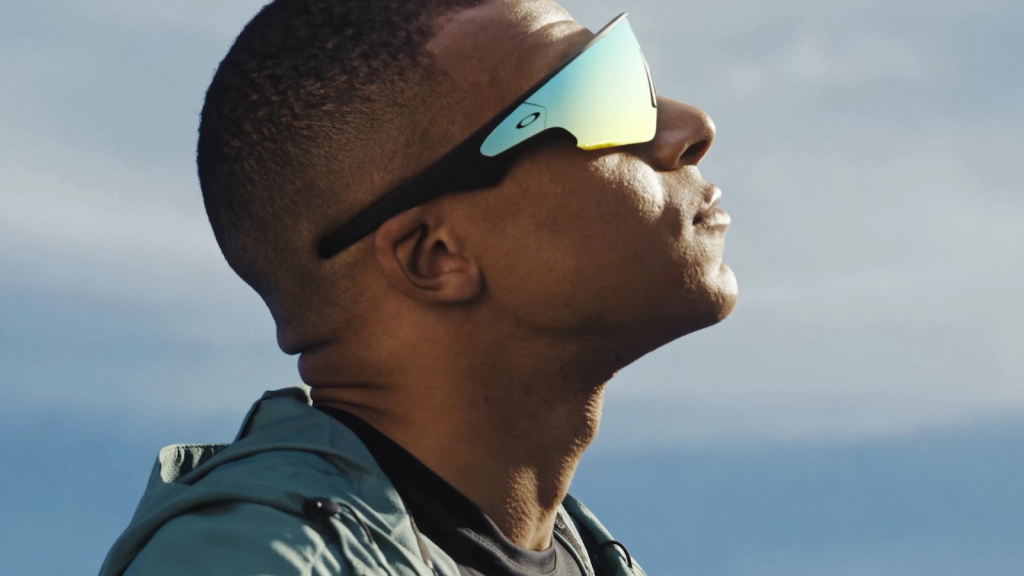
What Meta and Ray-Ban built for lifestyle, Oakley built for sport. The Vanguard brings the same AI platform into high-performance eyewear for cyclists, runners, and trail athletes, at roughly 66 grams with even weight distribution so they stay put on rough ground. Tactile controls, a waterproof design, and open-ear audio built around activity rather than cafés make these the first performance smart glasses worth taking seriously. They’re heavier than standard performance lenses and the camera is not what you’d use for professional footage, but as an AI-connected companion for outdoor sport, nothing else currently competes.
From £329, oakley.com
Luna Band
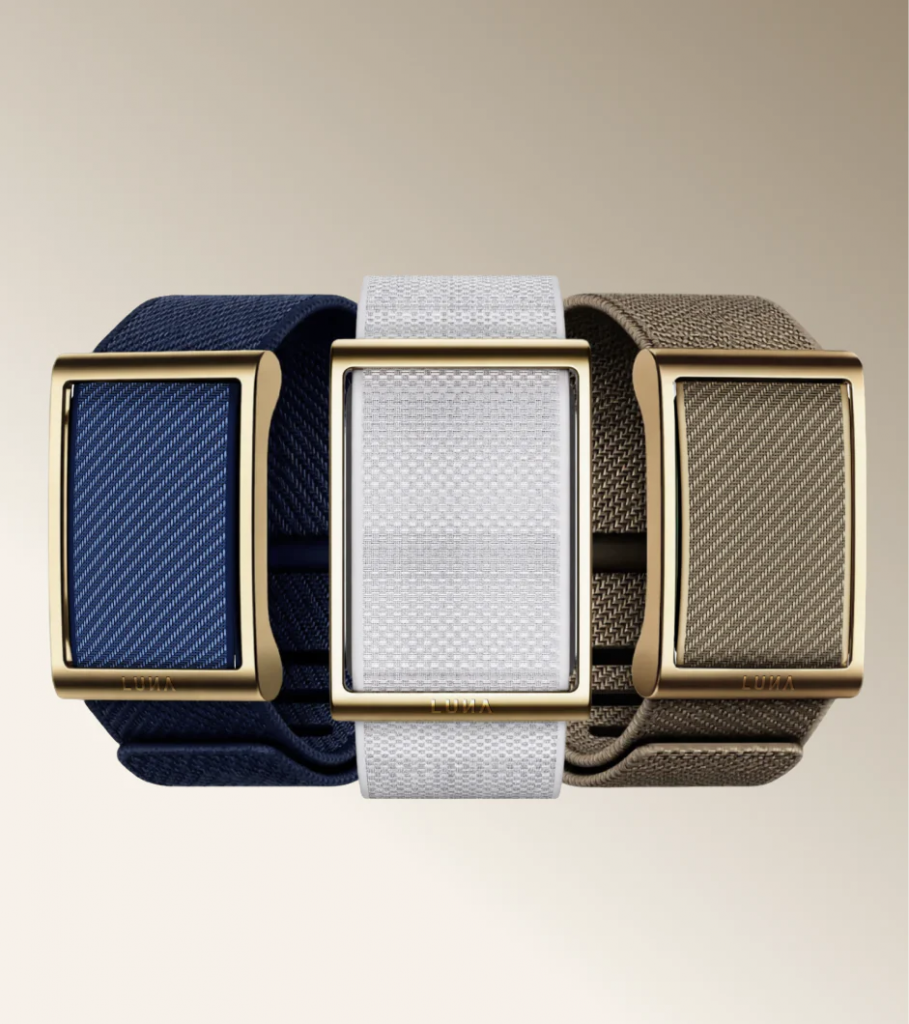
A screenless wristband that does one thing the crowded wearables category mostly ignores: it talks back. Rather than pushing data into an app you’ll check once and forget, the Luna Band delivers audio wellness guidance through your paired earbuds based on your real-time data. Speak to it to log meals or stress, and it responds with guidance powered by Luna’s AI health engine. It tracks the standard health metrics (sleep, HRV, heart rate, body temperature) and its voice-first approach removes the screen-staring step that kills most people’s engagement with wearable data long-term. Still early hardware, and the AI guidance quality depends heavily on how thoroughly you engage with it, but the direction is right.
From £149, luna.health
Pebble Index 01
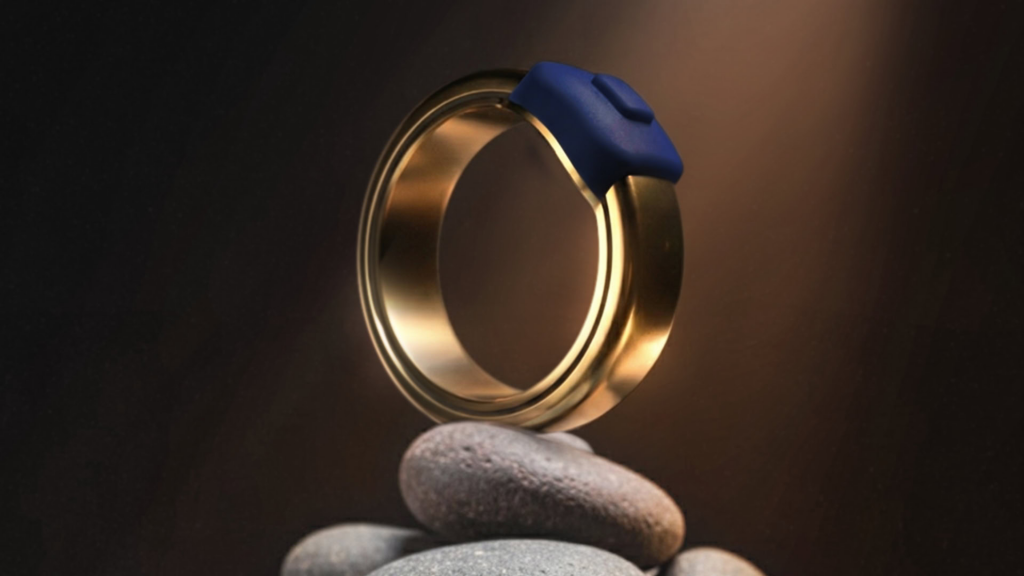
Not a health tracker and proud of it. The Index 01 is a smart ring in form factor only: inside, there’s a single clicky button, an onboard microphone, and an AI layer that captures audio, transcribes it, and shares notes on demand. Press and hold to record a thought. Release to stop. It’s a wearable voice recorder for the finger rather than the collar, and the appeal is exactly its simplicity: one button, one job, no subscriptions, no sleep tracking, no onboarding process. For writers, founders, and anyone whose best ideas arrive while their hands are otherwise occupied, it’s genuinely useful. Priced accordingly at the entry end of the category.
From £99, getpebble.com