


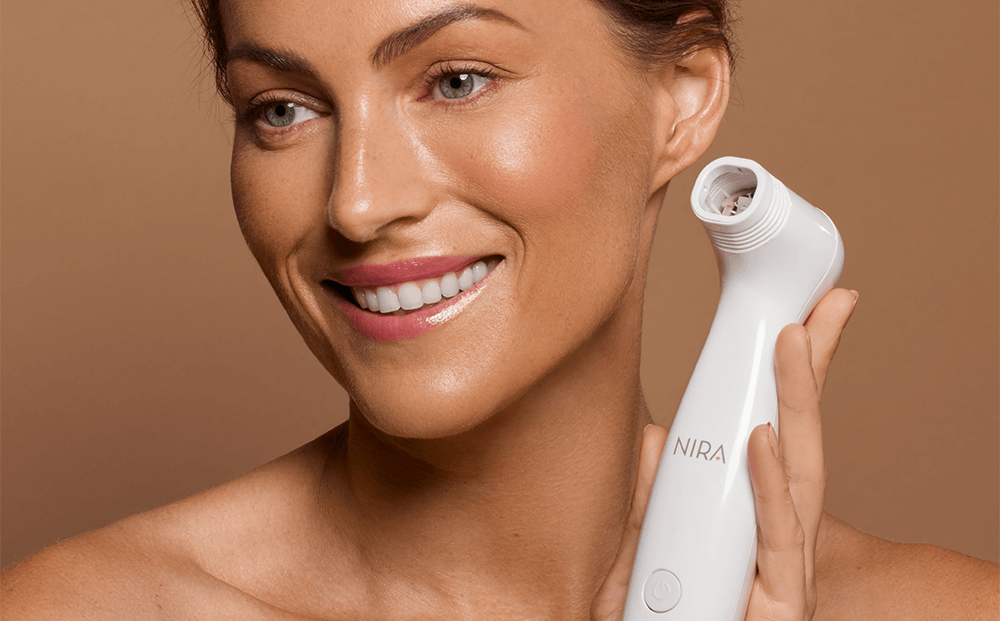
NIRA Pro Laser 3 review: Your skin clinic bill just met its match
The most powerful at-home laser on the market promises salon-grade collagen therapy without the salon price tag, or the small talk
If you’ve been throwing money at laser facials, the NIRA Pro Laser 3 makes a strong case for bringing that habit home. It’s not cheap at £569, but it’s a one-time hit versus the appointments that never seem to stop. It works on all skin tones, needs zero recovery time, takes about two minutes a day, and after three months of consistent use, the results are real. The catch: patience is non-negotiable. If you need results in a fortnight, this isn’t your girl.
Quick Specs
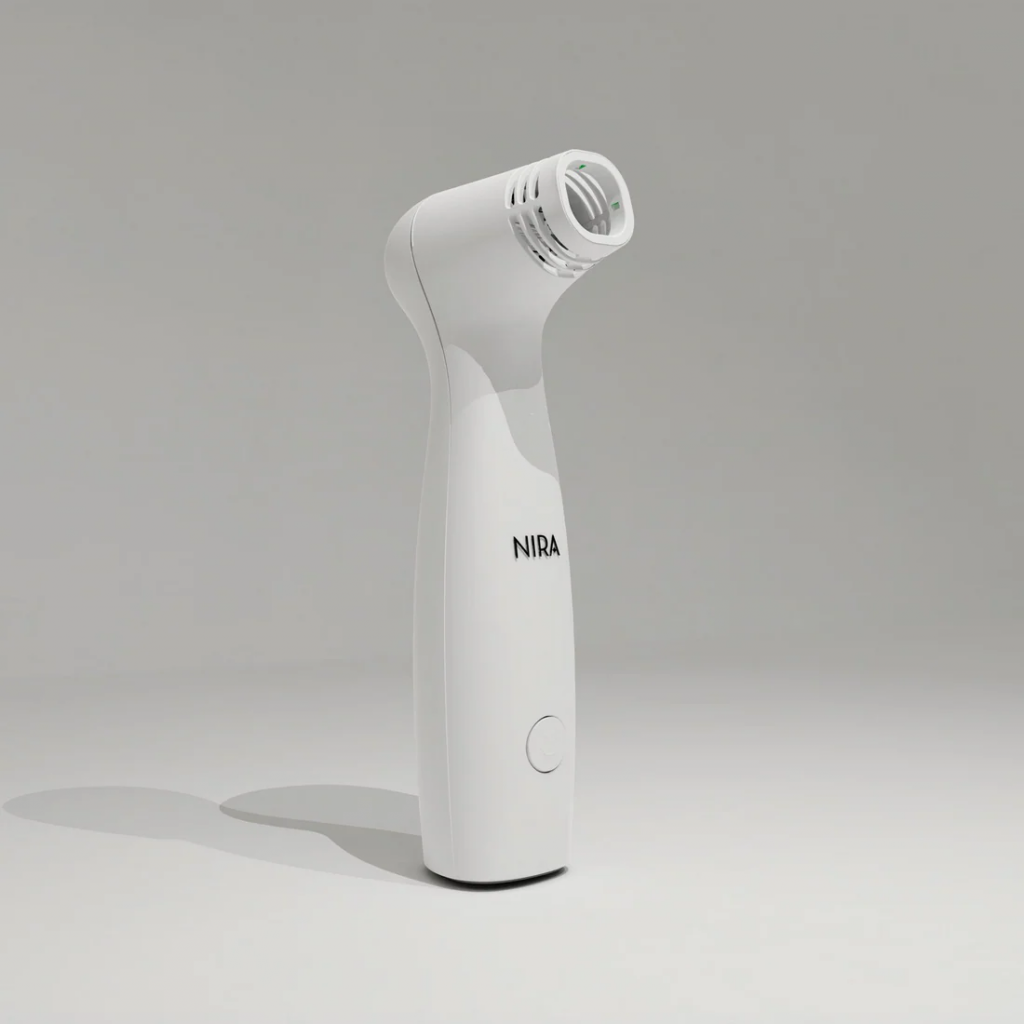
Price: £569 Technology: Non-fractional, non-ablative diode laser
Wavelength: 1450nm
Treatment time: 2 to 3 minutes per day
Results timeline: Visible improvement from 30 days, significant by 90 days
FDA cleared: Yes
Skin tones: All
Treatment areas: Face, neck, chest, hands, body
Power levels: 5 adjustable comfort settings
The clinic habit we need to talk about
There’s a particular kind of financial denial that sets in around skin treatments. You book one laser facial, it feels transformative, and suddenly you’re back every six to eight weeks, watching the receipts stack up and telling yourself it’s an investment. And it is. But at some point it starts to feel less like self-care and more like a subscription you forgot to cancel.
The NIRA Pro Laser 3 arrived when a lot of us are asking a pretty reasonable question: what can we actually do at home, and what do we genuinely still need the clinic for? The answer is more complicated than the skincare industry usually admits. Collagen-stimulating laser technology has always lived in the professional lane. Fractional lasers, intense pulsed light, resurfacing treatments have always required trained hands, clinical settings, and a sizeable chunk of your salary.
NIRA’s argument is simple: if the underlying technology works in a clinic, a controlled version of it can work in your bathroom. The brand was founded by David Bean, who spent his career building semiconductor laser diodes for professional treatment systems used by plastic surgeons and dermatologists around the world. He knows the technology. He’s not selling a glorified torch.
After three weeks of daily use on hyperpigmentation, fine lines, sun spots and post-procedure scarring, here’s an honest account of what it actually delivers and whether £569 is money well spent.
Design & Build
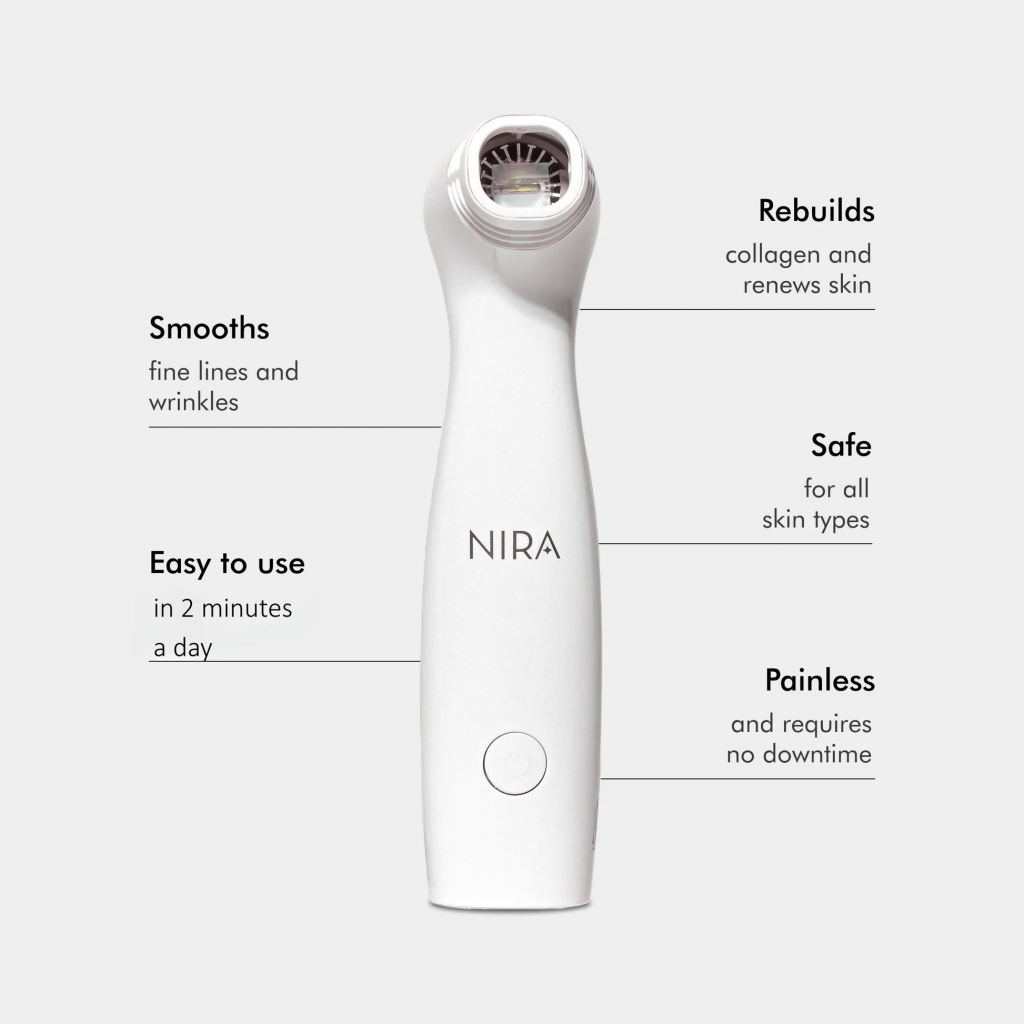
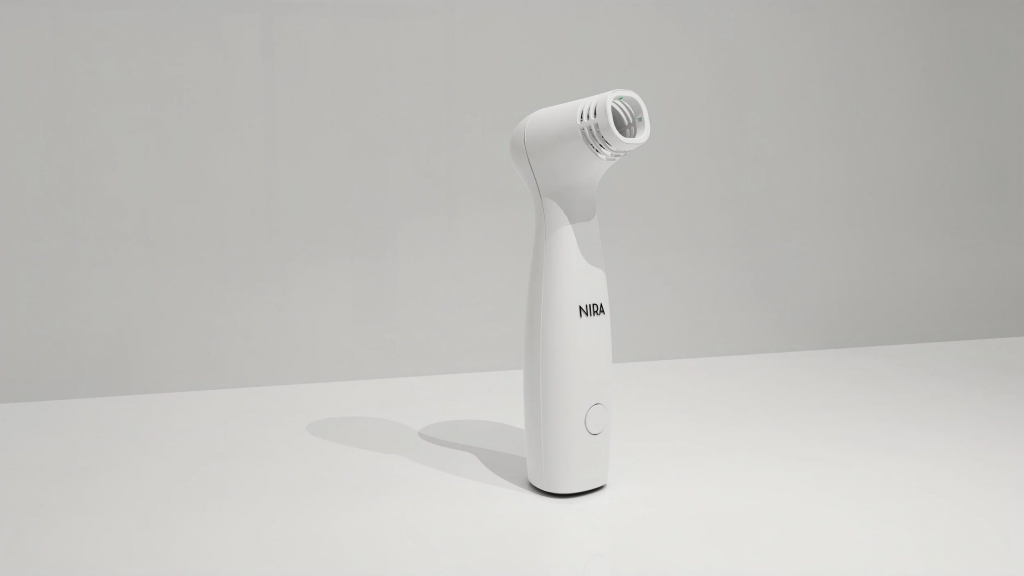
The NIRA is handheld, light, and looks like something you’d actually keep on your shelf rather than bury in a drawer. It feels solid without being heavy, and you don’t need a manual to figure it out. There’s no app to set up, no gel or serum to apply first, no attachments to swap around. You turn it on, pick a power level, and glide it across your skin.
It beeps when you’re supposed to move on, which takes out all the guesswork. A full face takes about two minutes, a little longer if you go down the neck and chest too, but it never demands that you rearrange your evening. It goes in before moisturiser. That’s it.
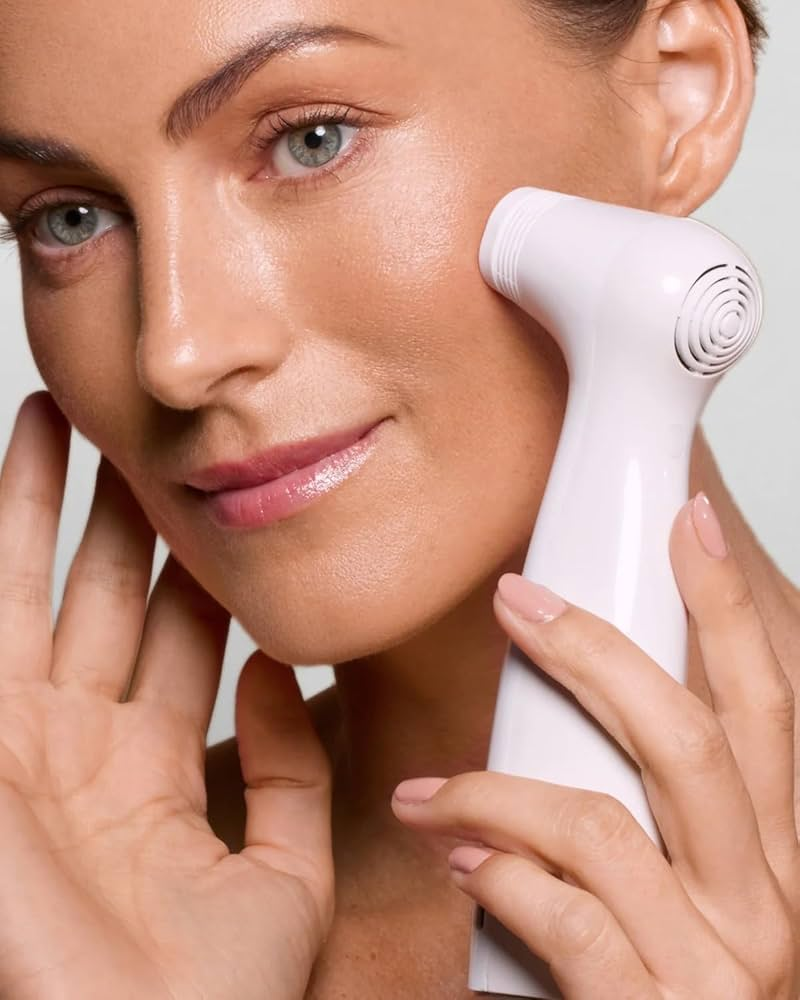
The five power levels earn their place. Starting low and building up as your skin adjusts is the sensible approach, and the range is wide enough that it works just as well for sensitive skin as for anyone used to more aggressive treatments. Even at higher settings, there’s no sensation of heat or discomfort. Which feels almost impossible given what it’s doing beneath the surface, but the science is clear on why.
How It Actually Works
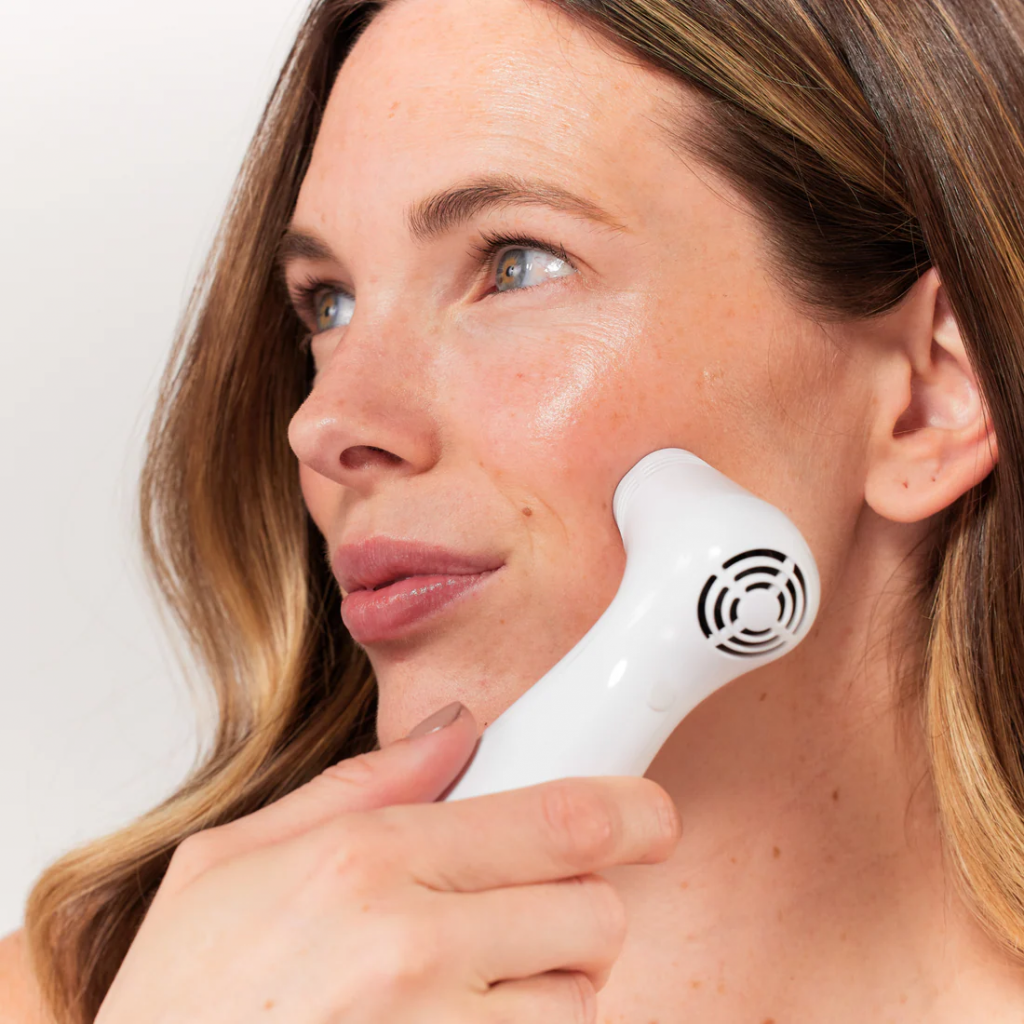
This is where NIRA earns its credibility, and it’s worth understanding the mechanism properly, because it’s the thing that separates this from the pile of overpromising gadgets that leave you out of pocket and largely unimpressed.
The device uses a 1450nm wavelength diode laser, the same wavelength used in professional dermatology clinics. That number matters because it’s what lets laser energy travel past the epidermis and reach the dermis, where collagen and elastin are actually made. Each 0.8-second pulse heats the targeted tissue to just above 39°C. That’s enough to trigger a heat-shock protein response, the body’s biological signal to start producing more collagen, without hitting the 45°C pain threshold. Hot enough to work. Not hot enough to notice.
This is what non-ablative means in practice. In-clinic fractional and ablative lasers create deliberate micro-injuries to the skin, forcing the body to repair itself and rebuild collagen in the process. The results can be dramatic, but so can the recovery: redness, peeling, sensitivity, time off from your normal routine. NIRA skips all of that. Your skin looks exactly the same the second you put it down.
The comparison to LED devices comes up constantly in this category and it needs addressing, because the two are frequently sold as if they’re doing the same job. They’re not. LED red light therapy works in the 600 to 1000nm range and doesn’t reach deep enough to get anywhere near the fibroblasts responsible for collagen production. NIRA is 200 times more powerful than LED at that collagen depth. That’s not a marketing line, it’s a wavelength physics difference. Buying an LED mask expecting laser results is like running a fan and expecting air conditioning.
Results are cumulative. Collagen doesn’t rebuild fast, and the remodelling process takes consistent treatment over weeks before it shows up on your face. What NIRA does is make that level of therapy available every day at home, which means over time you accumulate far more treatment sessions than you’d ever realistically book at a clinic.
Performance: What to Realistically Expect
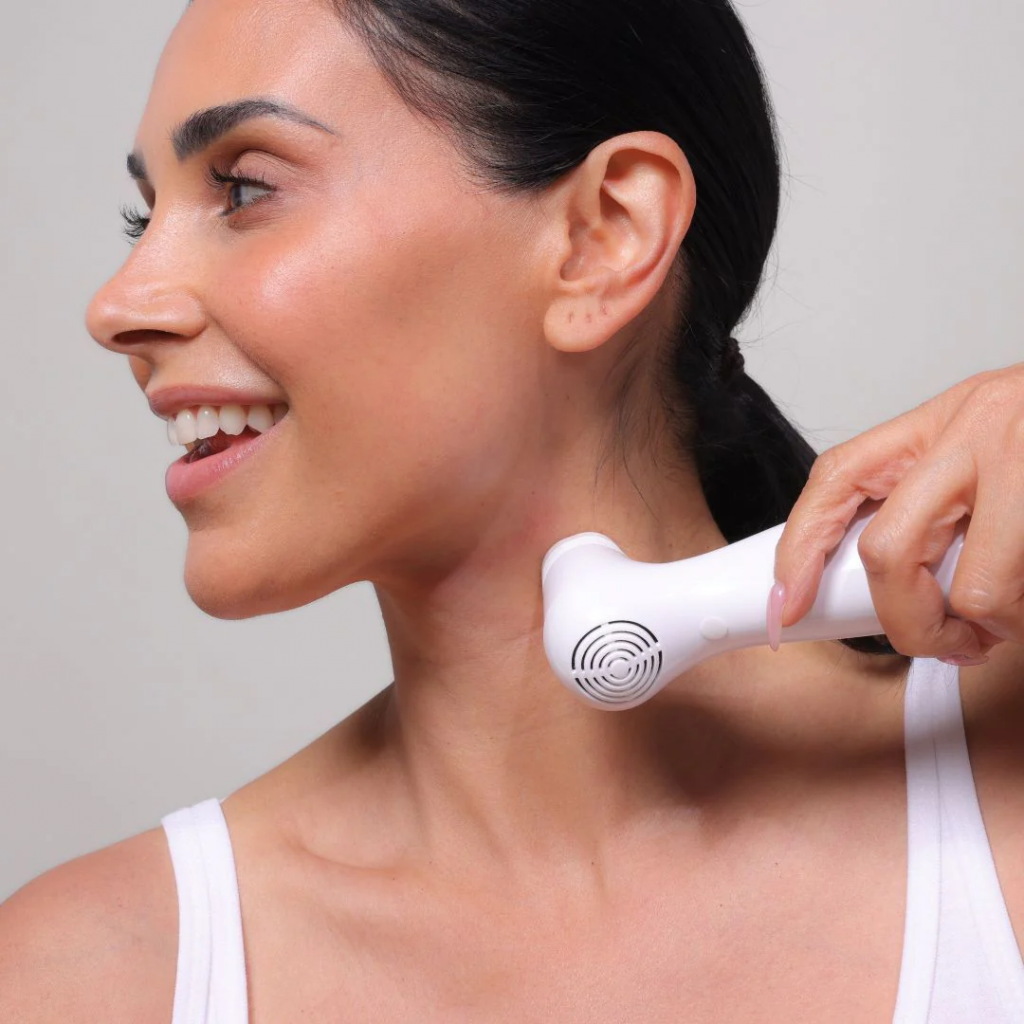
Three weeks of testing covered a few different concerns: mild hyperpigmentation and sun spots on the face, fine lines on the forehead, and post-procedure scarring on the arms.
Surface pigmentation responded fastest. Within 10 days, the darker patches had visibly lightened and the overall skin tone looked more even, noticeably so, without needing to line up photos. By 20 days, the change was clear enough that concealer use over previously pigmented areas dropped.
Fine lines on the forehead moved more slowly, but the improvement was real. The lines didn’t disappear, it would be dishonest to suggest they would this early, but the skin texture around them looked smoother and the lines sat less deeply at rest. For anyone using the NIRA to slow early fine lines rather than reverse deep-set ones, this is the honest outcome. And it is a good one.
The 90-day timeline is not small print. It’s how collagen physiology works. Taking photos at day one, day 30, day 60 and day 90 is the single most practical thing you can do alongside using the device. The change is gradual enough that you won’t always feel it in the mirror until the before-and-after is sitting side by side.
Aesthetic doctor Dr. Wassim Taktouk on where NIRA fits: “Nira is ideal for patients who do not want downtime from in-clinic lasers or don’t necessarily want to book into a clinic for treatments. It can also be used alongside in-clinic targeted treatments for stubborn hyperpigmentation, scarring, skin texture, and fine lines and wrinkles to enhance and maintain results.”
That’s the frame. This device doesn’t replace every clinic treatment you’ve ever considered. It makes daily collagen maintenance possible at home, cuts down how often you need to book top-ups, and means that when you do spend money at a clinic, you’re spending it on something you genuinely can’t do yourself.
The Maths
Three laser treatments a year at a London clinic will cost somewhere between £450 and £900, and that’s maintenance level, not targeted, not intensive. A single collagen-stimulating session typically starts around £150 and goes up from there depending on the clinic and the technology.
The NIRA at £569 is, bluntly, the cost of three or four clinic appointments. After that, it works daily for as long as you use it with no consumables, no rebooking and no waiting rooms. For someone spending on two to four laser-type treatments a year, the device pays for itself within twelve months, and after that you’re saving money while treating your skin more frequently than any clinic schedule would ever allow.
There’s also the time and the experience you’re not spending: no travel, no small talk, no explaining your whole skin history again to someone who doesn’t have your notes. The NIRA is yours, private, available every evening.
Who It’s For (and Who It Isn’t)
The NIRA Pro suits someone already serious about their skin and willing to show up for it every day. If you’ve had laser treatments at a clinic and want to hold onto those results between sessions, this does that well. If you’re dealing with mild to moderate hyperpigmentation, sun damage or early fine lines and want something clinically grounded at home, this delivers. If you travel a lot and want to keep up a proper skin routine on the road, it’s practical enough to bring along.
It’s not for someone who needs results in two weeks, or someone whose concerns genuinely need professional intervention, or someone who won’t use it consistently. Sporadic use won’t get you anywhere near the results. Anyone with active skin conditions or recent procedures should check with a dermatologist first.
Verdict
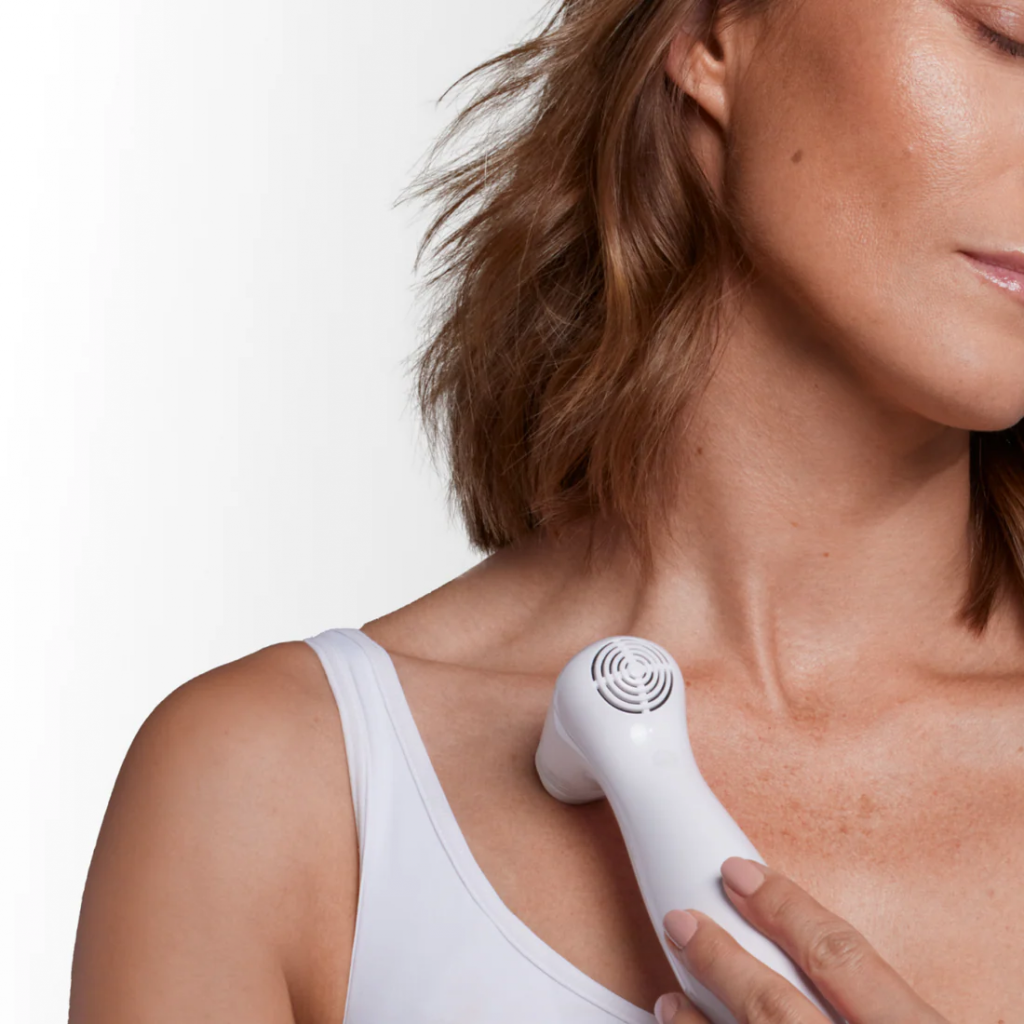
The NIRA Pro Laser 3 is one of the few beauty tech products that actually earns what it charges, as long as your expectations are based on how skin biology works rather than how before-and-afters on the internet look. Three months of consistent use produces visible improvement in pigmentation, fine lines and skin texture. The device is painless, easy to fit into a daily routine, and technically sound in a category full of products that are neither.
At £569, it’s a real purchase. But it makes sense for anyone who has decided that laser-based skin treatment is part of their plan. If you’re already spending at the clinic, this will save you money. If you’ve been curious about laser treatment but put off by the cost and commitment of appointments, this is the most accessible way in.
Buy it. Use it every day. Take your photos. Give it 60 days.
Buy the NIRA Pro Laser 3 at niraskin.com, £569
Also Consider
LYMA Laser: More expensive, and uses low-level light therapy rather than true diode laser technology. A better brand experience, less clinically robust for deep collagen work. Worth it if budget isn’t a factor and the brand matters to you.
CurrentBody Skin LED Light Therapy Mask: Cheaper and good for general brightness and recovery, but it’s a different category entirely. Surface-level improvements rather than collagen rebuilding.
NuFace Trinity: If lifting and laxity are the main concern rather than pigmentation or lines, NuFace’s microcurrent approach targets the facial muscles rather than the dermis. Different mechanism, different results, worth considering alongside a laser device rather than instead of one.