




Sennheiser HDB 630 Review: Actual Audiophile Quality Without the Wires
The Sennheiser HDB 630 promises to finally close the gap between studio grade sound and wireless convenience, delivering detail, depth, and composure in a package made for serious listeners. This review walks through what it gets right, where it hesitates, and who should care about a pair of headphones that ask you to rethink what wireless can actually sound like.
The new breed of wireless audiophile, loud and clear
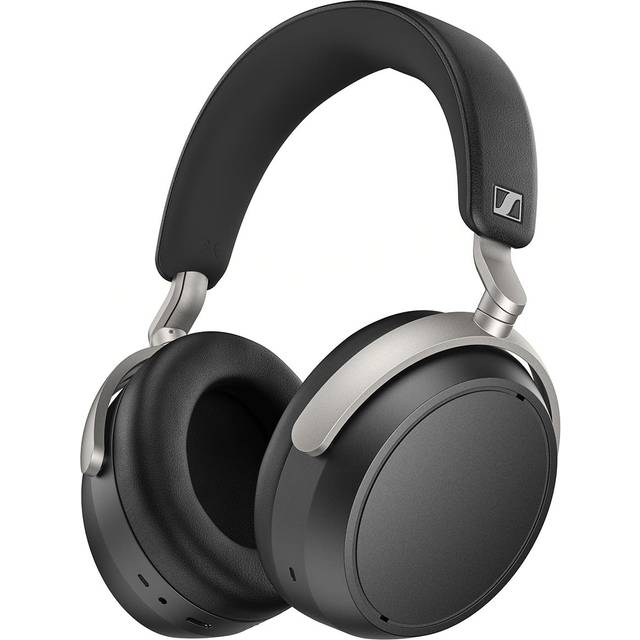
Sennheiser has long worn the audiophile badge with quiet confidence, and the HDB 630 is its loudest statement yet that wireless does not have to be a compromise. From the moment you unpack them you feel the design clarity, and when you press play the resolve in the midrange makes a convincing case that this is a headphone intended to serve music rather than merely play it. It is not trying to dazzle with gimmicks, and yet it manages to surprise: the layering and microdetail that used to be the preserve of wired setups are here over Bluetooth, and they are not just hinted at, they sing. The HDB 630 feels like a product with a clear mission, and that mission is to give listeners the essence of a reference studio monitor without chaining them to a desk. If you have been waiting for wireless headphones that respect nuance, timing, and emotional intent, these come close to the ambition you have in your head.
Design and comfort: under the radar premium
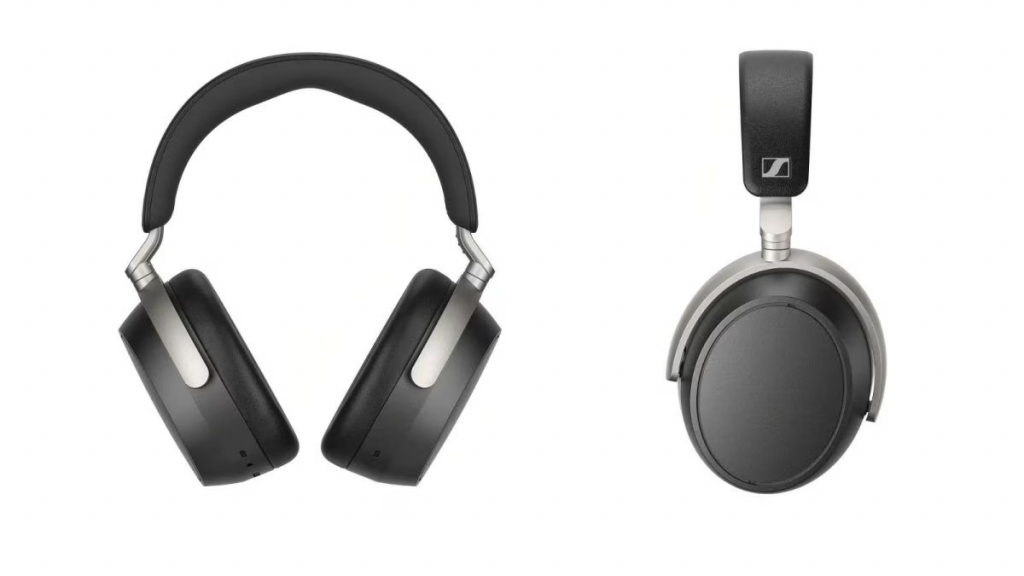
At first glance the HDB 630 avoids flash. There is a sensible mix of metal and high quality plastics, plush earpads, and an overall silhouette that reads restrained and deliberately modern. Close them around your ears and the headphones disappear. That is a compliment in a category where some models feel more like headgear than a piece of listening equipment. The clamping force is balanced, and the headband distributes weight so you can wear them for long sessions without the pressure points that ruin many otherwise great headphones. The earcup finish favors substance over signage, and the hinges have the kind of precision you do not expect in wireless models at this level.
The build quality signals durability without the burden of bulk. The earcups rotate and tilt in a way that accommodates different head shapes, and the replaceable earpads are an acknowledgement that headphones are meant to be lived with. Controls are tactile and thoughtfully placed, physical rather than capacitive, which means you can operate them without hunting for the right spot. There is a compactness that respects travel while remaining comfortable at a desk, in a studio, or on a plane. The overall aesthetic is one part functional engineering, one part quiet luxury, and it will appeal to someone who wants their gear to look considered rather than loud.
Technology explained: what is under the hood, and why it matters
Talking about the HDB 630 in tech terms can quickly become jargon heavy, but the core ideas are simple and impactful. Sennheiser has married high resolution drivers with a beefy digital to analog converter and a robust wireless link, which together preserve a lot of the detail that is usually surrendered to wireless compression. In plain language that means you hear clearer instruments, tighter bass, and a more honest vocal presentation than many Bluetooth headphones can deliver. The HDB 630 supports the modern high fidelity codecs that matter on Android devices, and it implements them in a way that favors consistency and bit transparent delivery when source material allows.
Latency and connectivity are handled thoughtfully, with a wireless stack designed to keep timing tight for video and gaming while prioritizing audio quality for music. There is sophisticated on board processing for staging and transient response that maintains a sense of space without artificial widening. The result is a headphone that feels faster and more agile than you might expect from a wireless design, and the technical underpinnings are all working toward a single goal: letting the music feel immediate and honest without requiring a tethered cable or a room full of amplification. Sennheiser has avoided throwing raw power at the problem, and instead has focused on accuracy and musical coherence.
Real world performance: headphones that listen back to you
In listening sessions the HDB 630 reveals its character slowly, and in doing so it demonstrates that precision can be an emotional experience. Classical passages shimmer with individual string textures, jazz recordings show air around each instrument, and densely produced electronic tracks maintain separation where other wireless headphones collapse layers. The bass is controlled and authoritative rather than exaggerated, which helps sustain clarity across the entire spectrum. Vocals are present, with a believable tonality that keeps singers in the room rather than pushed forward by studio trickery. Several tracks that usually sound muddy on wireless devices gained a new lease on life here, which is the hallmark of a design that prioritizes fidelity.
Practical use reinforces the sonic impressions. Calls are clean, and the microphone array is competent in typical home and office settings. Battery life is robust enough for a day of commuting and work, and quick charging gives you useful playback after a short top up. Noise control is present in a balanced way, designed to reduce continuous hum rather than obliterate every transient sound, which keeps the audio natural. The HDB 630 thrives when you want to focus, and it performs admirably whether you are mixing a track, watching a film, or wandering the city with a playlist in your pocket. There is a coherence to the performance that elevates ordinary listening into something that feels considered and intentional.
Standout features: the details that elevate listening
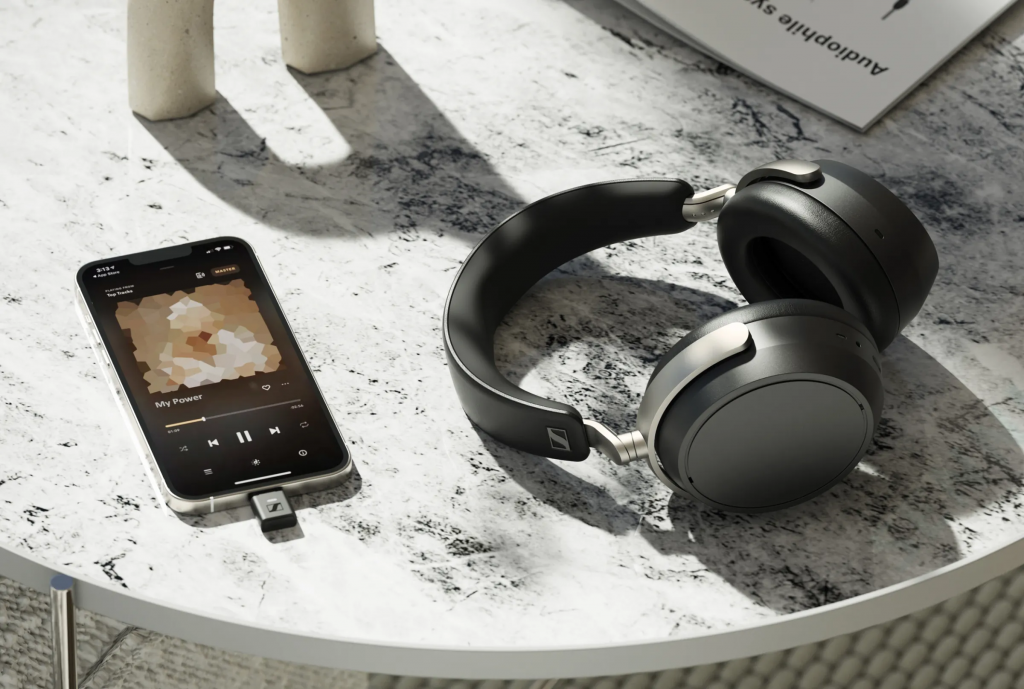
Beyond the core sound, the HDB 630 brings a handful of features that genuinely improve the user experience. The companion app provides a transparent equalizer and room tuning options, which are implemented with restraint so you can shape the sound without destroying the natural balance. Multi device pairing is reliable, and switching between a laptop and a phone is seamless enough that it becomes second nature. There is a low latency mode for video and gaming, which keeps lips sync accurate and sound effects aligned with on screen action, and the implementation does not degrade musical quality when you turn it off for pure listening sessions.
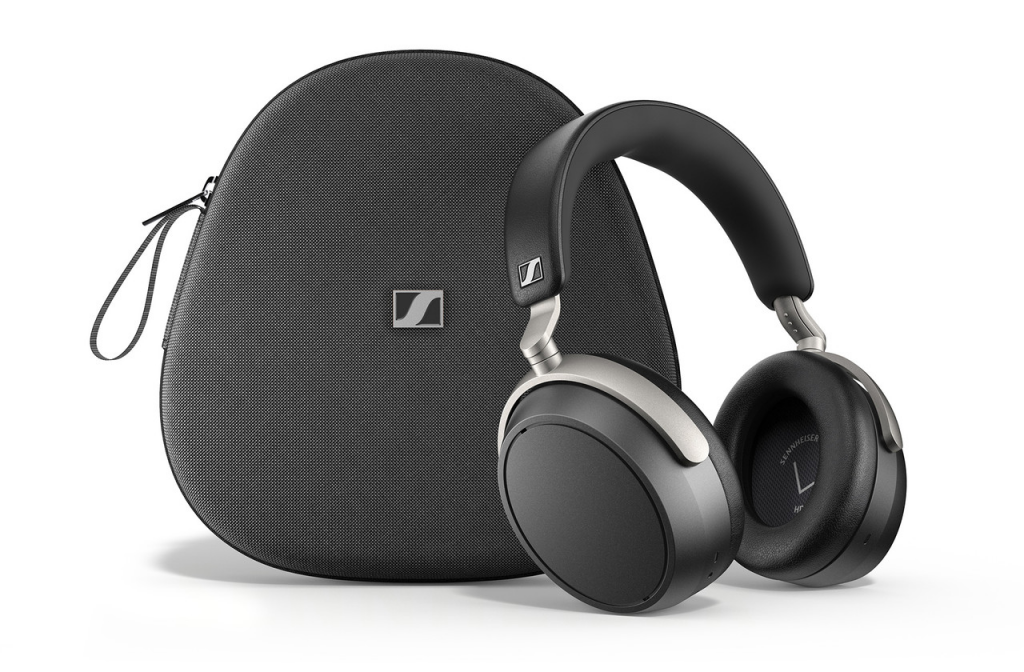
Small conveniences matter and Sennheiser does not skimp here. Physical controls give immediate, confident feedback. The case and accessories feel premium and thought through. There is also an emphasis on repairability with replaceable pads and parts that hint at a longer lifecycle than most sealed consumer products. These are not headline grabbing features, but together they create a better everyday life with the headphones. For people who listen a lot and expect gear to integrate into their routines, these details add up into a convincing package.
Use cases: who the HDB 630 was built to serve
The HDB 630 is aimed squarely at listeners who want to move beyond the idea that wireless equals compromise. For audiophiles who travel or commute, these headphones offer a way to carry high fidelity with minimal fuss. For content creators and producers who need a reliable, portable reference for editing and mixing on the go, the HDB 630 can be a practical tool as long as you remain mindful of the differences between a room treated reference and a personal headphone. For everyday listeners who care about clarity and musical detail, these headphones make familiar tracks reveal previously unnoticed elements. They are not for someone who wants fat, exaggerated bass for workouts, nor are they designed to be fashion accessories above their sonic merit. That focus is their strength, and it helps the HDB 630 find its niche in a crowded market.
The Drawbacks, Even If No Product is Ever Perfect
No product is perfect and the HDB 630 has a few compromises worth noting. The price sits in a premium bracket, which means the headphones are a considered purchase rather than an impulse buy. Some listeners who prefer a characterful, colored sound may find the neutrality less immediately thrilling, and the controlled bass will not satisfy those seeking a subwoofer like punch from closed back cups. Battery life is solid, but not industry leading in every scenario, especially if you push high resolution wireless codecs for extended sessions. The noise suppression leans toward preserving natural ambience, so if you want total isolation you may need additional passive measures. None of these are fatal flaws, but they are relevant trade offs to weigh against the clear strengths of fidelity and design.
Why the HDB 630 matters: a signal for the future of wireless audio
The significance of the HDB 630 is less about any single spec and more about the message it sends. It shows that manufacturers can prioritize transparency, build quality, and musical accuracy while still offering the wireless freedom consumers expect today. That matters because it changes expectations: people will start to demand that wireless products respect the integrity of recordings rather than just amplifying them loudly. The HDB 630 points toward a future where portable music systems are judged as much by their honesty as by their convenience, and where features are chosen to support fidelity rather than headline grabbing marketing claims. For the ecosystem at large, that is an important nudge toward products that treat listeners as discerning partners.
It is also worth noting that the HDB 630 is an invitation. It invites listeners who have tolerated compromises to reassess what is acceptable from wireless audio. It invites competitors to invest in better drivers, cleaner digital chains, and more thoughtful ergonomics. And it invites creators to think about how music and audio content translate to a wider range of real world listening environments. The headphones are more than a single device, they are a conversation starter about priorities in sound design and product engineering.
Conclusion: who should buy the HDB 630 and why
If your primary criterion is immersive, transparent sound and you value mobility, the Sennheiser HDB 630 is an exceptionally persuasive option. It balances accuracy with usability, it feels built to last, and it delivers a listening experience that rewards attention and repeated plays. It is not aimed at casual listeners who want maximum bass or the lowest price, and it does ask you to accept a premium for an honest sound signature. For serious listeners, professionals on the move, and anyone who treasures clarity and nuance, the HDB 630 is a rare combination of audiophile credentials and wireless practicality.
In short, these headphones are not a gadget that merely plays your music, they are a bridge between two worlds: the scrutinized, truth seeking environment of studio listening, and the untethered, everyday life of wireless audio. If you are ready to bring a little of that studio truth into your daily routine, the HDB 630 is a compelling companion worth auditioning.