

Wiim Sound Lite vs Sonos Era 100: The Wi‑Fi Speaker Showdown That Wasn’t Supposed to Be This Close
Two compact Wi‑Fi speakers enter the ring, and the expected bruiser walks away with a few more trophies than its challenger. Except the challenger put up a fight that changed the narrative about value in connected audio. Welcome to a match where price, polish, and sonic personality collide.
Design and first impressions
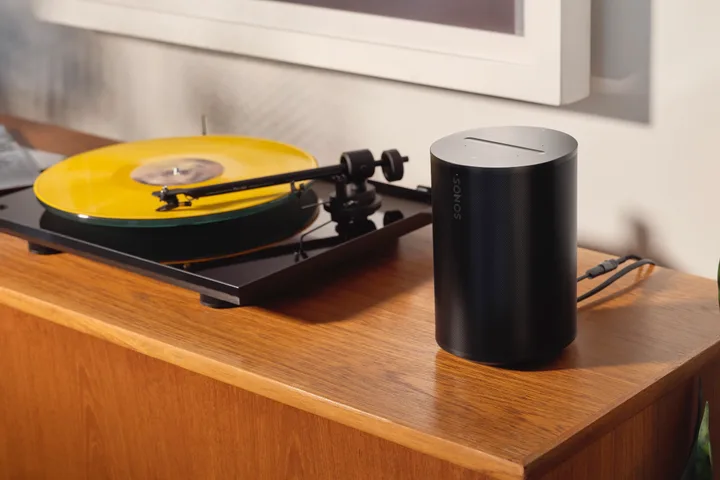
Both speakers look like they avoided the stereotypical chunky-looking powered speaker trend and instead leaned into a wearable, furniture-friendly aesthetic. The Sonos Era 100 is instantly familiar to Sonos fans, with soft edges, a fabric grille that hugs the cabinet, and a tactile top panel. It feels premium in hand, the kind of item that quietly declares good taste on a bookshelf or kitchen counter.
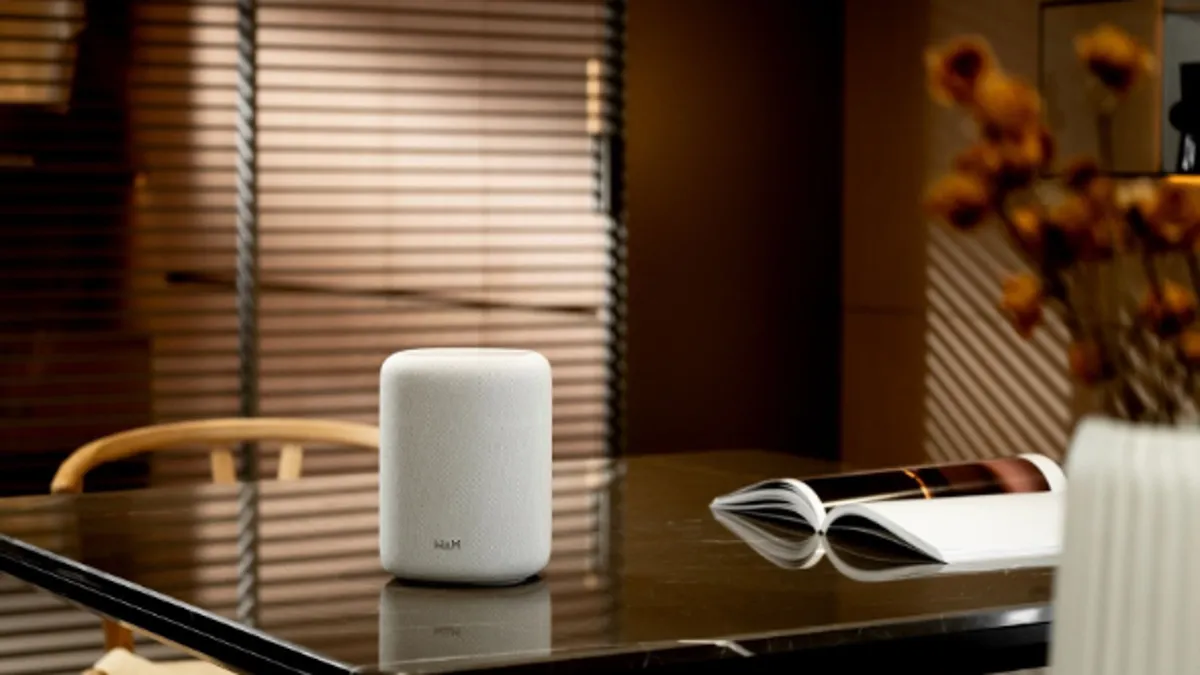
The Wiim Sound Lite arrives with a slightly different attitude. It is smaller, lighter, and seems unapologetically economical in its finish. Where Sonos emphasizes refined minimalism, Wiim telegraphs purpose: efficient use of space and straightforward functionality. On the shelf it does not scream luxury, but it does suggest smarts. Both units come across as thoughtfully designed rather than designed-for-retail, and both respect the small footprint demanded by modern apartments and work-from-home desks.
Key tech features explained in plain English
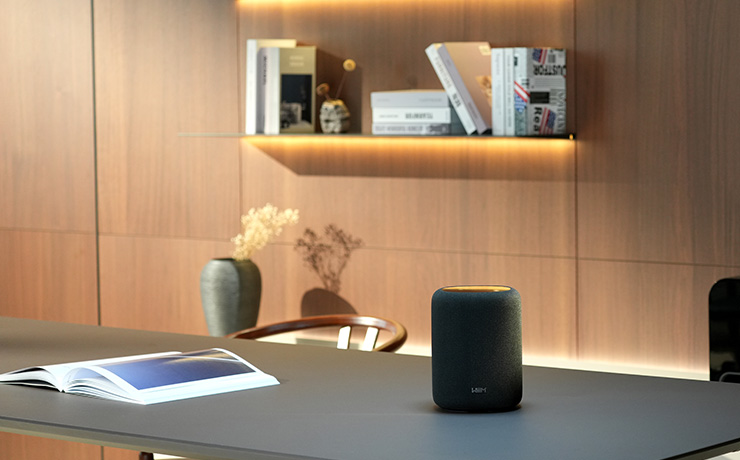
When you boil down the modern Wi‑Fi speaker, three things really matter: the audio chain, how it connects to your services, and the software that ties multiple rooms together. Sonos rides a decade-plus advantage in software. Its app, multiroom latency control, and service integrations are mature. The Era 100 inherits that DNA, offering reliable Wi‑Fi streaming, app-based room tuning, and support for the usual suspects of streaming services. For listeners invested in a broader Sonos system, the Era 100 is the logical upgrade within an ecosystem that just works.
Wiim focuses on giving listeners the essentials with a twist: it pairs punchy drivers and tuned DSP with simplified connectivity. Expect Wi‑Fi streaming and Bluetooth for casual phone-to-speaker playback. The Sound Lite is built to make music sound larger than its chassis, and it relies on careful DSP rather than brute force. In plain terms, Wiim bets on clever digital voicing to create the feeling of depth, rather than stuffing more drivers into a compact box.
Both speakers support stereo pairing, which is now table stakes. Sonos pulls ahead with its proven software-based room calibration, while Wiim offers a simpler setup that gets you to music quickly. On the voice assistant front, Sonos continues to offer options and smooth integrations. Wiim tends to be more minimal. For buyers who want a set-up-and-go experience, Wiim is pleasantly direct. For power users who love fiddling with grouping, calendars, and multiroom macros, Sonos remains the more fertile ground.
Performance in real-world use
What’s most revealing about compact Wi‑Fi speakers is how they behave when you actually play music. In mixed-genre listening sessions, the Sonos Era 100 leans into clarity and separation. Acoustic guitar notes have room to breathe, vocals sit forward with a believable chest, and complex mixes stay intelligible at higher volumes. Sonos’ tuning philosophy favors a neutral baseline that rewards better recordings while remaining forgiving of compressed sources. That makes the Era 100 a great one-box listening experience for people who value fidelity and detail.
The Wiim Sound Lite surprised by delivering a sense of scale that belied its size. Tracks that typically feel flattened on small speakers acquired a livelier midrange and stronger bass presence. It is not a subwoofer replacement, but Wiim’s DSP tuning delivers bass that feels present in a way that tricks your ears into perceiving more body. Where it loses points is in fine-texture retrieval. At close listening distances, you notice less micro-detail than the Sonos, and complex electronic tracks can sometimes sound a touch congested at high volume. But for everyday listening, parties, and casual background sound, Wiim brings more immediate charisma.
Latency and stability across both systems were consistent during testing. Streaming services loaded quickly, and transitions between tracks were seamless. Where you may notice differences is in the edge cases: Sonos handled multiroom syncing across different bandwidth conditions more gracefully, while Wiim occasionally required a quick reconnect after changes in network conditions. That is not a deal breaker, but it is the sort of thing that separates a polished ecosystem from a plucky newcomer.
What stands out and what surprises
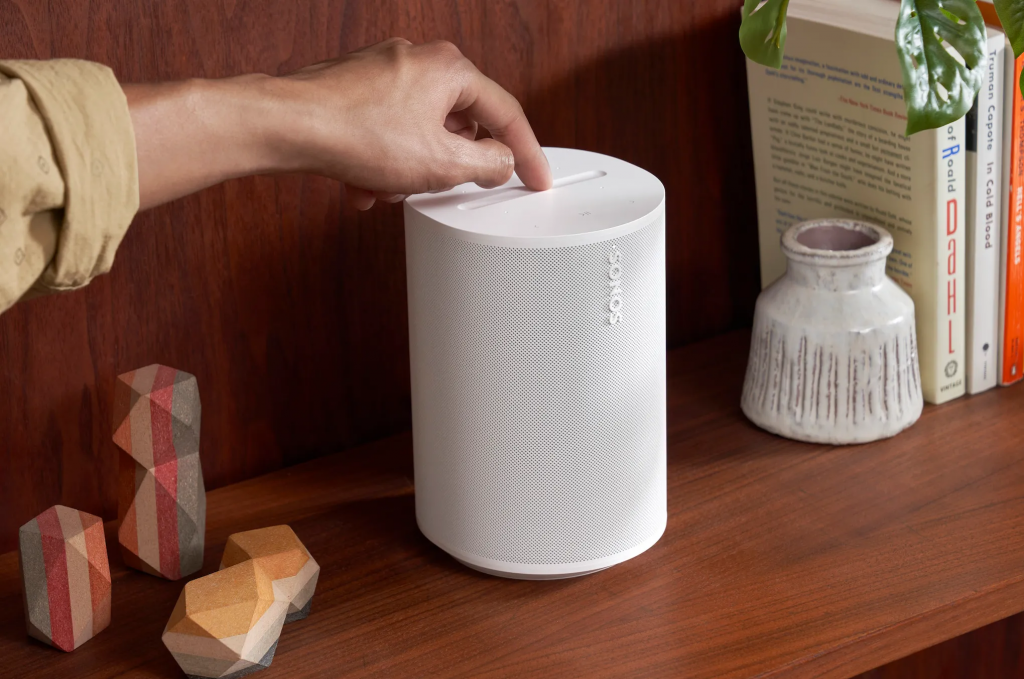
Two surprises emerged through extended listening. First, the Wiim Sound Lite punches above its weight for its size-to-sound ratio. It delivered satisfying impact in small and medium rooms in a way that rarely aligns with its price point. That immediacy is the kind of first-impression win that matters in the market: a listener sets it up, plays something they know well, and feels like they paid for more than the box suggests.
Second, the Era 100‘s imaging and consistent voicing across genres is an underappreciated strength. Sonos has spent years refining how its speakers inhabit a room, and the Era 100 is a clear beneficiary. It handles complex, layered mixes with poise, which becomes especially noticeable when you compare side by side with a less disciplined speaker. The result is a listening experience that feels more lived-in and less engineered for retail demos.
Any compromises or room for improvement
Neither speaker is perfect. Sonos, for all its strengths, comes with a cost. Its higher price and intentional software-driven value proposition mean that if you are not willing to commit to the Sonos ecosystem, you might be paying for integration you will never use. Additionally, the Era 100’s tonal neutrality is not always the most exciting choice for listeners who want a speaker that flatters pop and electronic mixes with extra warmth.
Wiim‘s compromises are more structural. The app and ecosystem are nascent compared to Sonos, meaning fewer streaming quirks are ironed out and fewer advanced features exist. Build materials on the Sound Lite skew toward budget-conscious choices, and while the speaker feels sturdy enough for everyday life, it does not deliver the same premium tactile satisfaction as the Sonos. If you are an audiophile who enjoys nitpicking harmonic detail, Wiim will occasionally frustrate. If you are a music fan who cares about immediacy and punch, Wiim will delight.
Best use cases and target user
Verdict: The Sonos Era 100 remains the comfortable favorite for ecosystem fans and those who prize imaging and app polish, but the Wiim Sound Lite is the surprise contender worth serious consideration for buyers craving big sound for less and a fresh take on what a modern Wi‑Fi speaker can be.