


Samsung Galaxy Unpacked 2026: Galaxy S26, AI Ambitions and the Subtle Power Moves We’re About to See
February 25 is Samsung planting its flag for 2026.
The first Galaxy Unpacked of the year is set to take place in San Francisco, and while Samsung’s official invites are predictably vague, the subtext is loud. The company says this event marks “a new phase in the era of AI as intelligence becomes truly personal and adaptive.” Translation: expect smarter phones, more software flexing, and a Galaxy S26 lineup that plays it cool on the outside while quietly leveling up underneath.
And if the leaks are even half right, this Unpacked is less about reinvention and more about precision. Think refinement, power efficiency, ecosystem play, and just enough hardware drama to keep Apple and Google slightly uncomfortable.
February 25: The Calm Before the Spec Storm
Samsung confirmed Unpacked will stream live on February 25 at 10AM PT from San Francisco. That’s standard. What’s less standard is how much we already know.
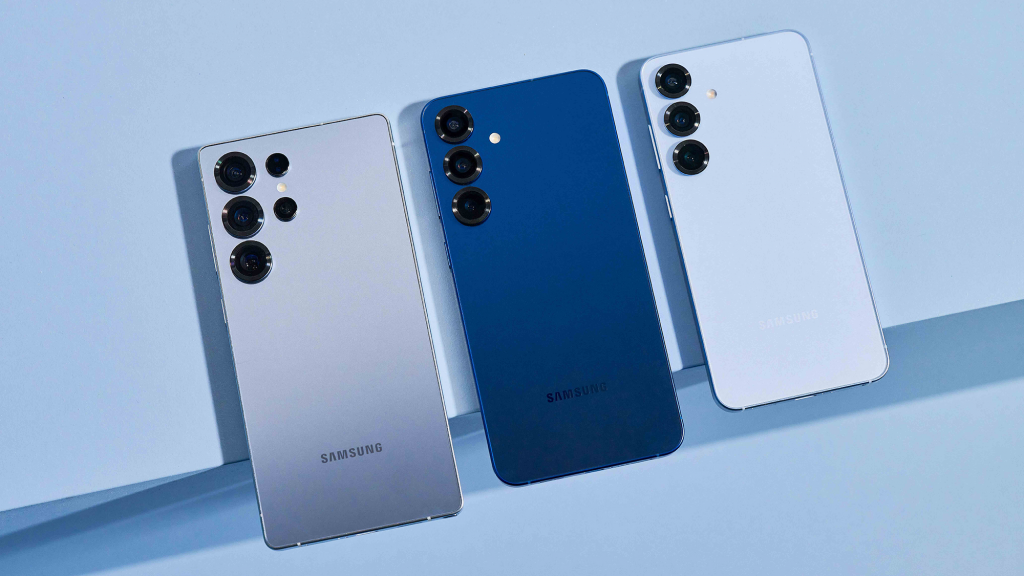
Leaks have painted a fairly complete picture of the Galaxy S26 family, and if Samsung sticks to form, we’ll see three core devices: Galaxy S26, Galaxy S26+, and Galaxy S26 Ultra. Possibly an S26 Edge. Possibly more AI announcements than you asked for.
Galaxy S26: The “If It Ain’t Broke” Evolution
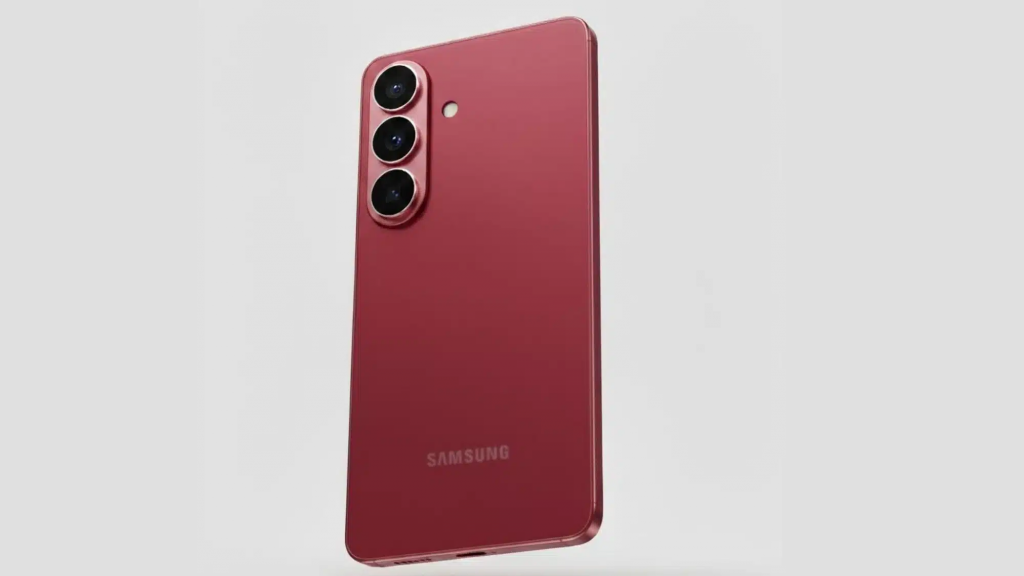
Let’s start with what everyone’s waiting for: the Galaxy S26 lineup.
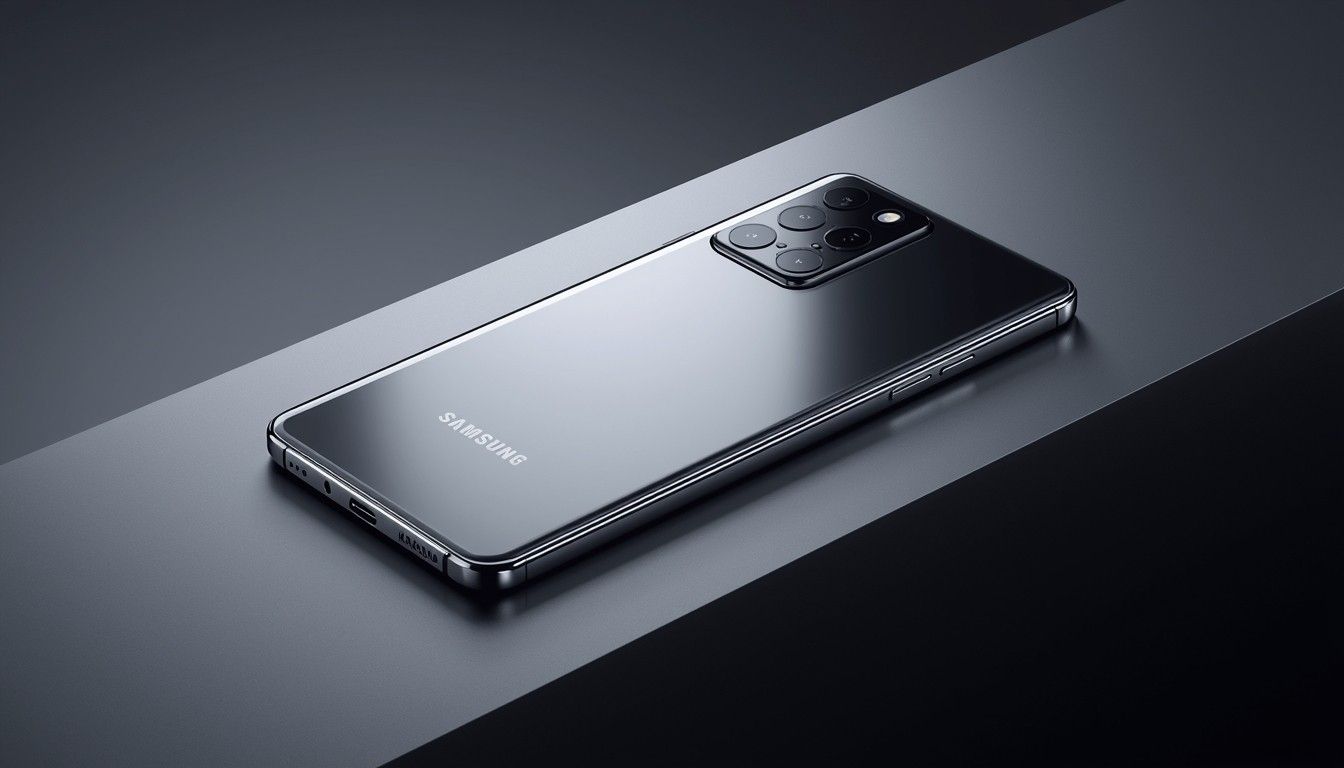
If you’re hoping for a radical redesign, lower your expectations gently. Samsung appears to be sticking to its now-iconic flat display, squared frame, and vertical camera layout. It’s clean. It’s recognisable. It sells.
The S26 is rumored to move to a 6.3-inch FHD+ display, a slight bump from the S25’s 6.2-inch panel. That’s not dramatic, but it shows Samsung continuing to push usable screen real estate without turning the base model into a mini-tablet.
Under the hood is where things get more interesting. Qualcomm’s Snapdragon 8 Elite Gen 5 is expected to power most regions, while some markets may receive Samsung’s Exynos 2600. Yes, the dual-chip strategy continues. Yes, the internet will debate it endlessly.
But performance-wise, both are expected to significantly improve on-device AI processing. That’s the key phrase. Samsung doesn’t just want faster phones. It wants smarter phones that don’t need to ping the cloud every time you ask them to do something clever.
RAM, Battery and the Subtle Glow-Up
The Galaxy S26 is rumored to ship with 12GB of RAM as standard, paired with 256GB or 512GB of storage. That’s generous for a base model and signals Samsung taking AI workloads seriously.
Battery capacity may increase slightly to around 4,300mAh. Not a huge jump, but combined with more efficient silicon, it should translate to better real-world endurance.
Cameras? Don’t expect fireworks. Leaks suggest Samsung is sticking with the same 50MP main, 12MP ultrawide, and 10MP 3x telephoto setup. On paper, it’s identical to the S25. But Samsung has a history of squeezing more performance out of existing hardware through software tuning.
Translation: the upgrades will be computational, not cosmetic.
Galaxy S26 Ultra: Where Things Get Spicy
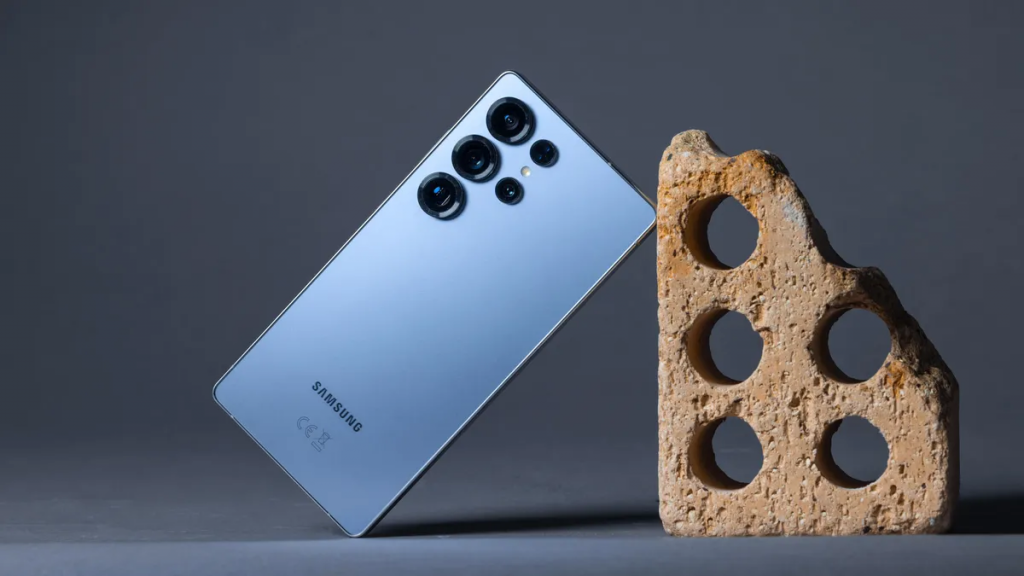
The Ultra model is where Samsung traditionally flexes, and this year appears no different.
Design-wise, reports suggest a subtle but noticeable shift. Cameras may sit slightly higher with a more metallic finish, giving the rear panel a sharper, more industrial aesthetic. There are also whispers of Samsung moving away from titanium back to aluminum. That’s controversial on paper, but aluminum can actually improve wireless charging compatibility and reduce weight.
Speaking of charging, here’s where it gets interesting.
Rumors suggest Samsung may finally make Qi2 truly native in the S26 Ultra by removing the S Pen digitizer layer and adopting a new stylus input method. If that’s accurate, it’s a bold trade-off. Qi2 magnetic alignment is long overdue, and removing hardware layers to enable better magnetic accessory support is a serious ecosystem play.
The Magnet Drama Continues
However, don’t celebrate too early.
Some reports indicate Samsung may still rely on magnetic cases rather than integrating magnets directly into the phone. If that’s true, we’re back in the slightly awkward position of “Qi2, but bring your own ring.”
It’s functional, but it lacks the elegance of Apple’s built-in MagSafe solution.
Samsung has been stubborn about this. Whether 2026 is the year it gives in remains to be seen.
Galaxy Buds 4: Quietly Smarter
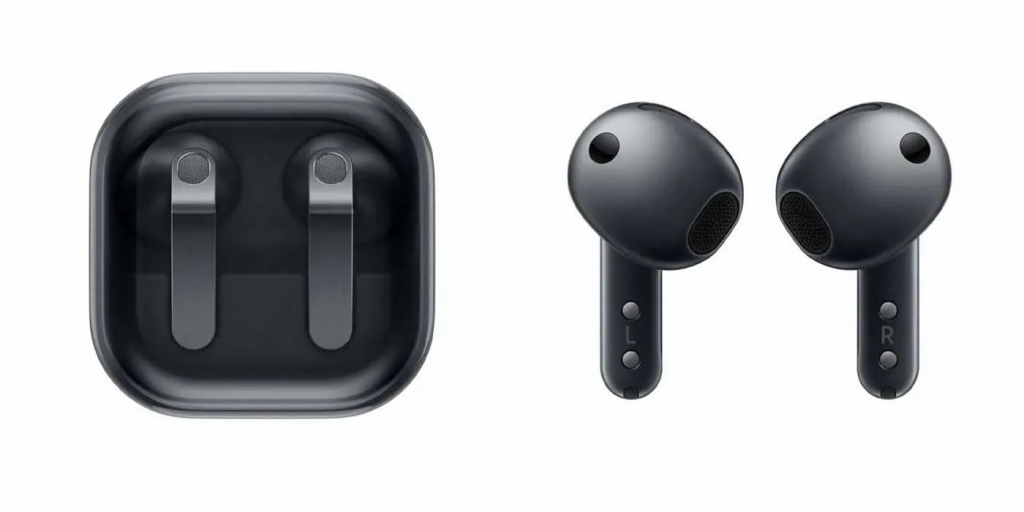
Alongside the S26 lineup, Galaxy Buds 4 and Buds 4 Pro are expected to debut.
Design leaks suggest a more compact case and slightly refined stems. Think less angular, more fluid. Nothing radical, but cleaner.
The real story is inside. Rumors point to Ultra Wideband integration, which would significantly improve location tracking via Google’s Find Hub network. In a world where people lose earbuds constantly, that’s not a minor feature.
Head gesture support is also rumored, allowing users to accept or decline calls with subtle movements. Yes, it sounds like sci-fi. Yes, it’s already on some competitors’ devices. And yes, Samsung wants parity.
Galaxy S26 Edge: Thin Is Still In
Samsung’s ultra-thin experiment appears to be continuing.
The Galaxy S26 Edge is rumored to slim down further to 5.5mm. That’s absurdly thin by modern standards and positions Samsung as the anti-brick in a world of increasingly thick flagships.
Design leaks suggest a larger rectangular camera plateau, reminiscent of Google’s Pixel aesthetic. Whether that’s inspiration or coincidence, it’s a noticeable shift.
The Edge isn’t replacing the Plus model. Instead, it exists as a style-forward alternative. A statement piece for people who want something different without folding their phone in half.
The Trifold: Seen, Priced, and Slightly Intimidating
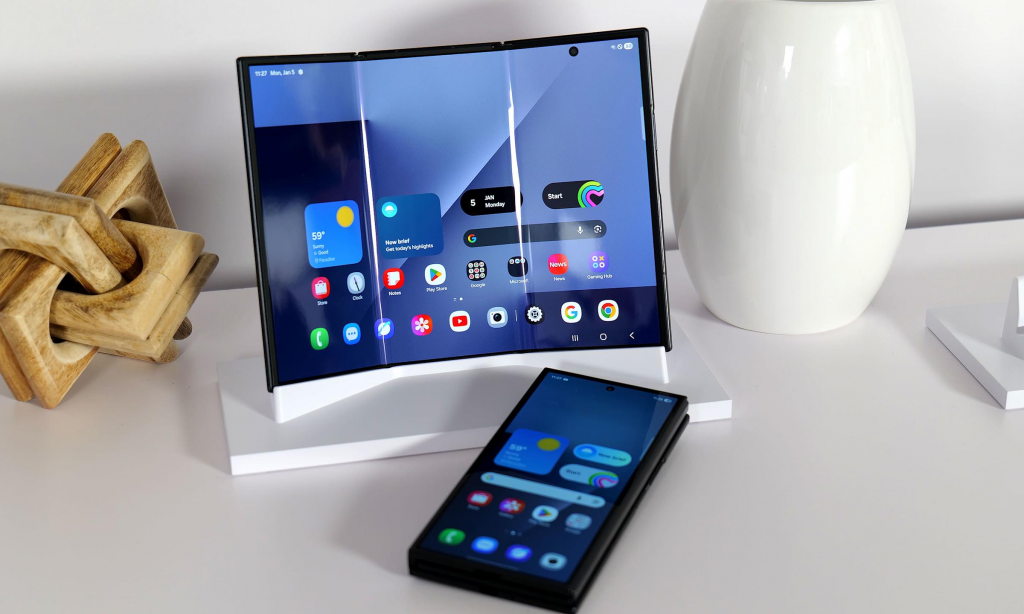
Samsung’s Galaxy Z TriFold already made its debut, and at $2,900, it’s not exactly impulse-buy territory.
Given that it’s already on sale, Unpacked may not spend much time on it. But its existence looms large over the S26 event. It reinforces Samsung’s willingness to experiment wildly at the high end while keeping its mainstream lineup steady.
AI: The Real Headliner
AI will dominate this event.
Samsung is teasing expanded mobile AI photography features, including advanced object reconstruction, day-to-night transformation, and seamless photo merging. These capabilities already exist in various forms across the industry, but Samsung’s angle will likely be tighter integration and faster on-device processing.
Then there’s Bixby.
Yes, Bixby. It’s reportedly getting a serious upgrade, potentially integrating Perplexity’s AI-powered search engine and acting as a counterweight to Google Gemini. Samsung aligning with Perplexity would be bold, especially given its deep ties with Google.
This is where things get strategic. Samsung doesn’t want to be just a hardware shell for Google’s AI ambitions. It wants leverage. It wants options.
Samsung is refining its flagship formula, doubling down on AI, expanding ecosystem features, and experimenting with form factors without destabilizing its core lineup.
The S26 family will likely look familiar. But under the hood, it’s positioning itself as one of the most AI-capable smartphone ecosystems on the market.
And that’s the real competition now. Not megapixels. Not screen curves: Intelligence.
And whether you’re upgrading or just watching from the sidelines, that’s worth paying attention to.