
Best running shoes in 2026: the standouts worth your money (and your miles)
Running shoes in 2026 are basically rolling tech platforms: sky-high stacks, superfoams, plates (nylon and carbon), uppers that feel like engineered knit sportswear, and geometry tweaks that quietly do the hard work when you’re tired at mile 9. The best part is you don’t have to pick “fast” or “comfortable” anymore; you can get both, as long as you buy the right shoe for the right job.
Best overall running shoe: Asics Megablast
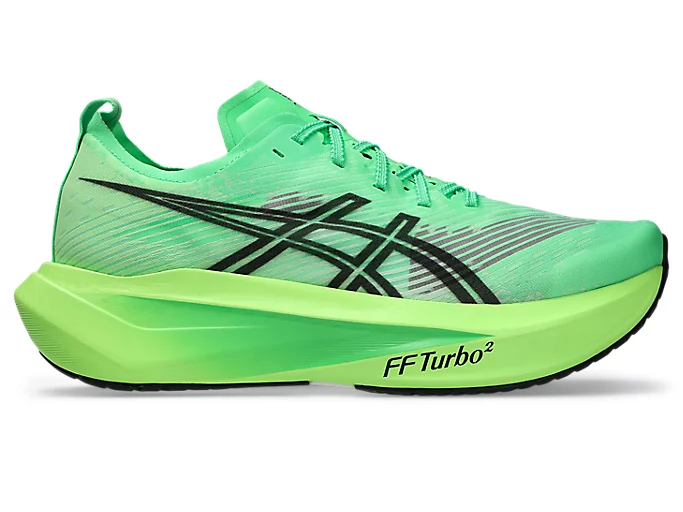
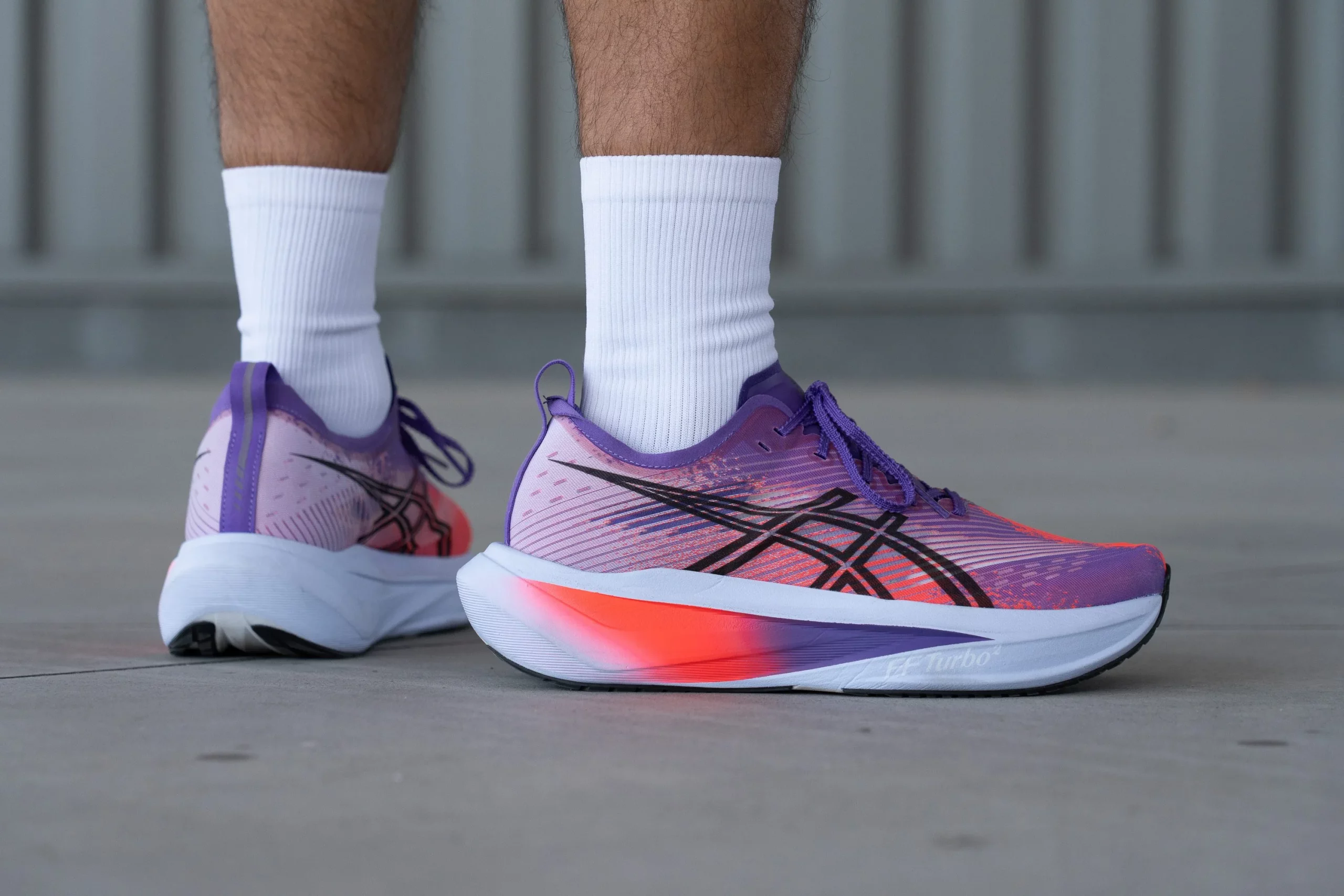
If you want one shoe that feels like it’s giving you a little extra back on every stride, the Asics Megablast is the headliner. It’s built to cover intervals, long runs, and even “B” race-day duties, which is rare because most shoes either feel amazing fast or feel amazing slow, not both. The ride is described as fast, light, and genuinely fun, and that’s usually code for “you’ll stop thinking about your legs and start thinking about your pace”.
The magic is in the FF Turbo Squared foam, paired with a tall 45mm heel stack and 8mm drop. That combo gives you a propulsive, bouncy feel, especially on flats and downhills where the shoe can really roll. The upper is breathable and minimal to keep weight down, the tongue is padded just enough to stay comfy, and the laces are a small but real win: serrated for grip so they don’t slowly loosen mid-run. The only real drawback is fit: there’s no wide option, and it can run snug if your feet need more room.
Best nylon-plate running shoe for PBs: Saucony Endorphin Speed 5
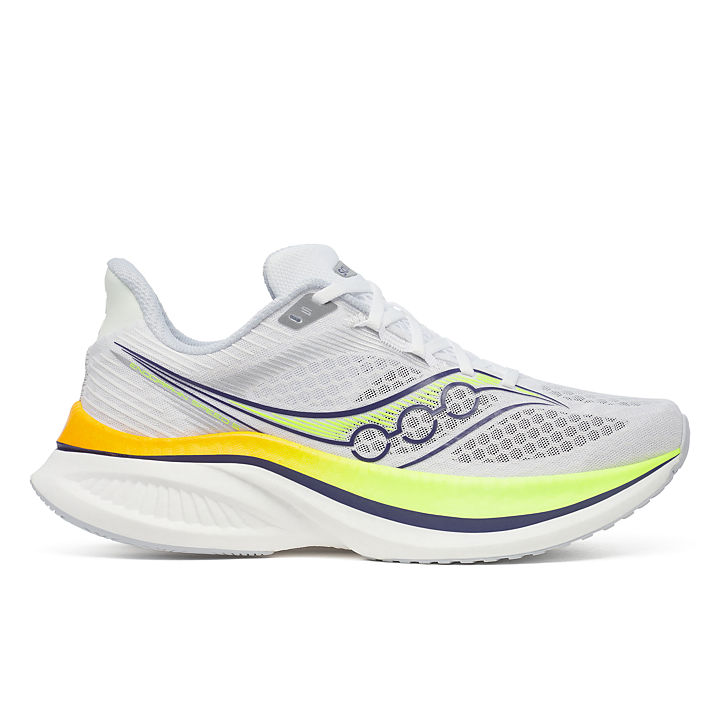
The Endorphin Speed line has basically become the “smart speed shoe” for runners who want race-day energy without full carbon stiffness; and the Speed 5 keeps that reputation intact. This is the pick for tempo days, interval sessions, and races where you want the shoe to feel snappy, but not so aggressive that it beats you up.
The nylon plate is the star: it’s responsive and helps you turn over quickly, but it’s typically more forgiving than carbon, which makes it easier to train in regularly. Sandwiched between foam layers, it gives you that “go faster” sensation without feeling like a rigid plank. The overall vibe here is versatile speed: it looks quick, feels supportive, and fits well enough to handle a lot of different run types.
Best bold carbon racer: Mizuno Wave Rebellion Pro 3
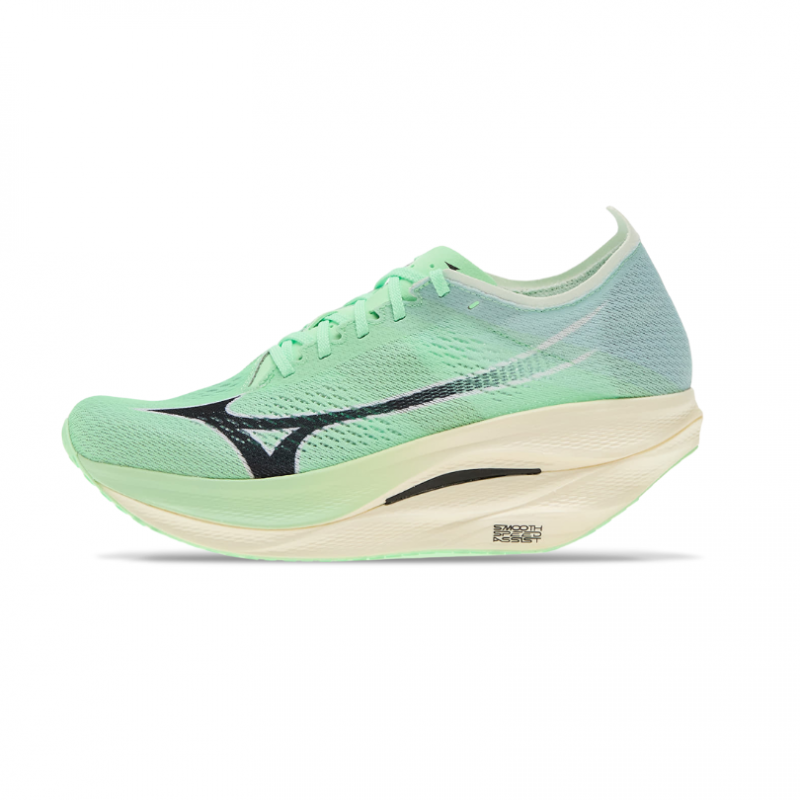
This one is for runners who want an unapologetically racy feel. The Wave Rebellion Pro 3 is tuned to feel very quick, with high energy return from its carbon plate and a low weight that makes it easy to pick up the pace. It’s built to encourage toe/midfoot striking, and it wants you moving forward; aggressively.
The trade-off is stability and versatility. It can feel less stable on turns, and it’s not the shoe you grab for chill recovery miles or days when your form falls apart late in the run. If you pronate or you’re a committed heel striker, this is the one you approach carefully, because it won’t do extra work to correct your gait. But if your mechanics suit it and you want that “race shoe adrenaline” on your feet, this is the kind of shoe that makes you run faster than you planned.
Best carbon super shoe for everyday runners: Salomon S/Lab Spectur
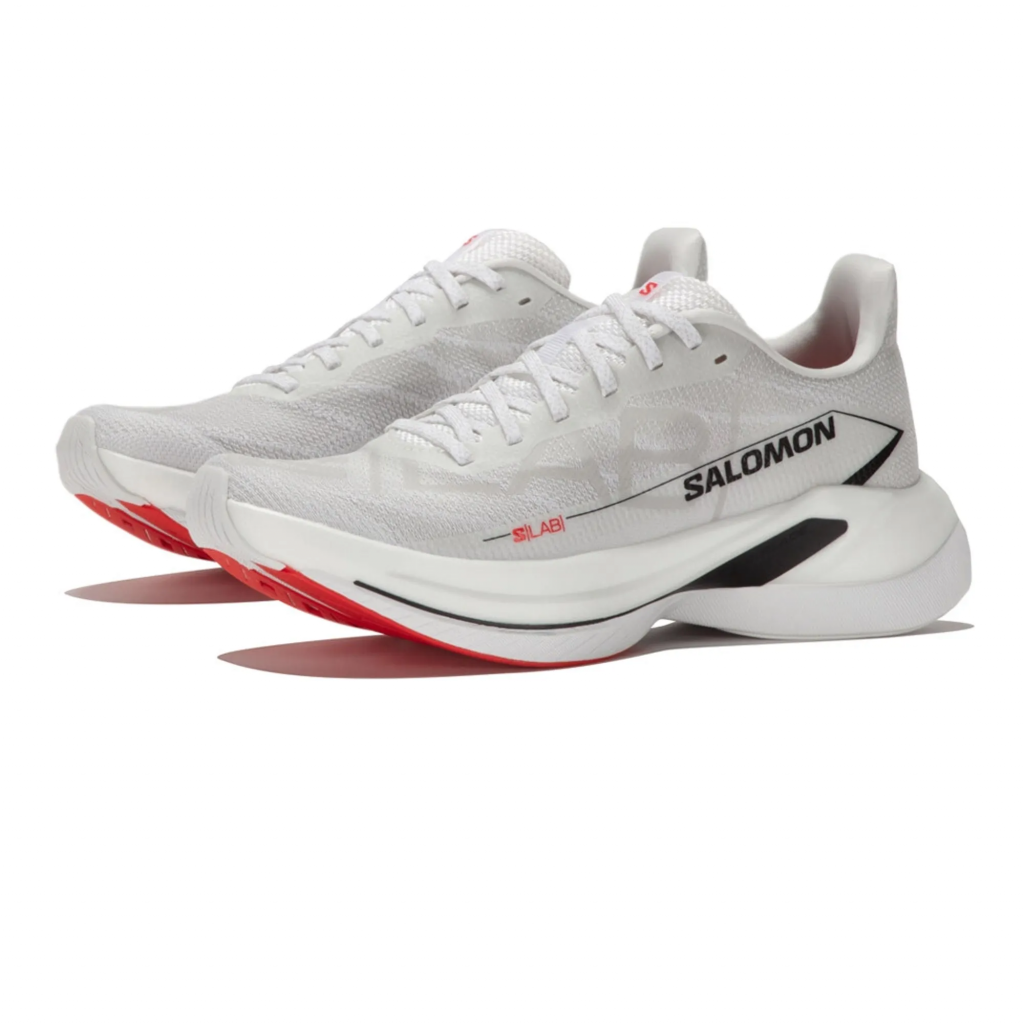
Not everyone loves the super-stiff, ultra-propulsive carbon experience; and Salomon clearly designed the S/Lab Spectur for runners who want carbon benefits without feeling like they’re fighting the shoe. The Spectur aims for a stable, springy, comfortable ride that’s easier to adapt to than elite-level racers.
It won’t be the absolute fastest option if you’re chasing marginal gains, but it can still support a PB effort because it’s less intimidating underfoot and more manageable when your stride gets messy. The big downside is price: it’s still premium money for a shoe that’s positioned more as “carbon, but friendly” rather than “carbon, but savage”.
Best cushioned running shoe: Asics Gel-Nimbus 26
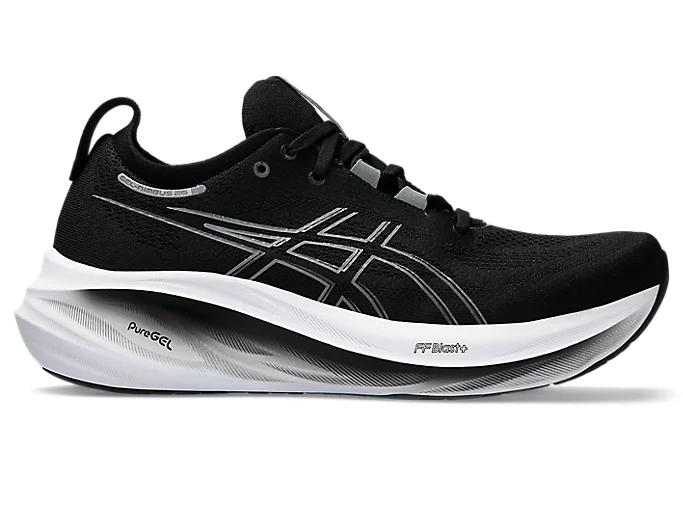
If your goal is comfortable, dependable mileage: the kind where you want your legs to feel protected tomorrow, the Gel-Nimbus 26 is your safe, plush, robust choice. It’s in the max-cushion category with 41mm at the heel and 33mm at the midsole, and it’s built for long training miles where comfort matters more than excitement.
You get stability from a wide base, traction you can trust, and a rocker shape that helps your foot roll from landing to toe-off without you having to think too hard. The main con is weight: it’s heavier than speed-focused shoes, so it’s not the one for “today I’m flying” sessions. But for easy runs, long runs, and runners who want a smooth ride with a stable feel, this is the workhorse you’ll reach for constantly.
Best triathlon race shoe: Salomon S/Lab Phantasm 2
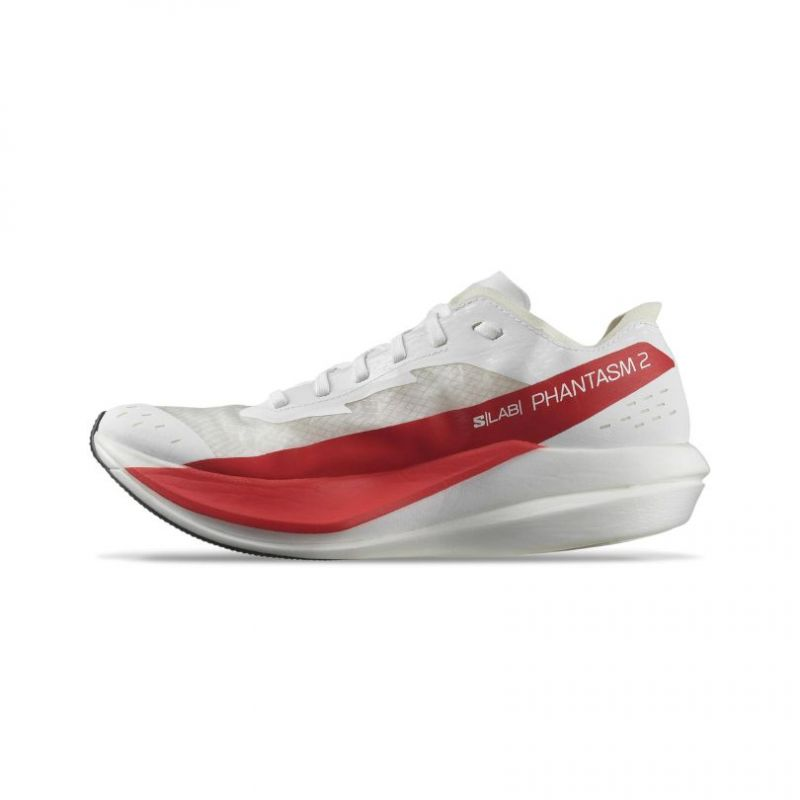
This is the classy race-day pick: light, fast, stable, and comfortable; including for sockless wear, which is a huge triathlon win. The men’s UK7 at 200g is seriously light, and Salomon pairs that with a well-built upper, padding in the right places, and a suede-like lining that helps with comfort when you skip socks in transition.
The stability is the surprising flex here. Racing shoes often feel twitchy, but the flared midsole and wider forefoot platform make it feel planted, even when you’re turning or running on slightly twisty courses. Downsides are pretty typical for this category: it’s expensive, and it can feel a touch firm, but it’s the kind of shoe you buy for big days.
Best training contender that can race too: Brooks Hyperion Max 2
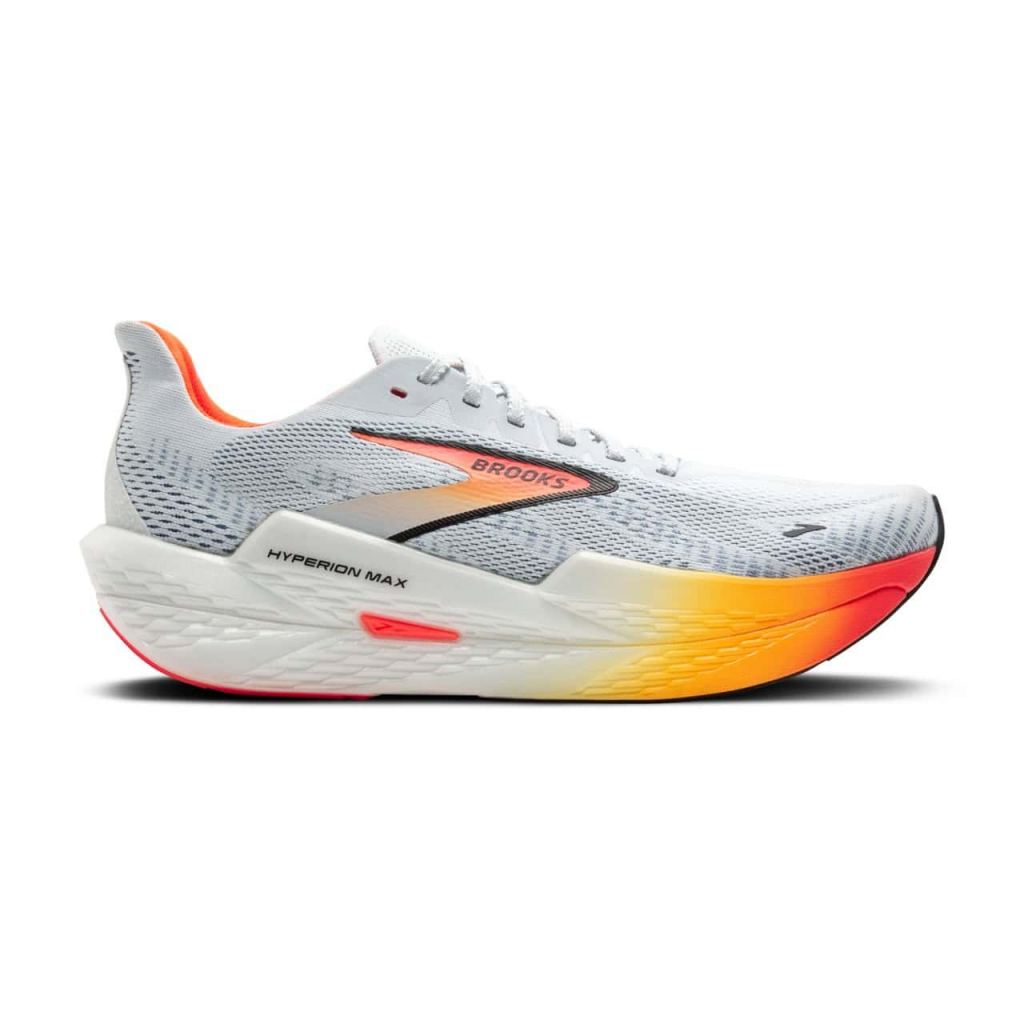
Think of the Hyperion Max 2 as a trainer that’s learned some race-day tricks. It’s designed for faster-paced efforts, thanks to the SpeedVault plate concept, and it has enough stability to stay controlled during tempo work. It’s also positioned as decent value for what you get.
The caution flag is firmness. If you want a soft, sinking recovery ride, this isn’t it. But if you like a more direct, responsive feel for training sessions where you’re working, not cruising, it’s a very solid pick.
Best trail running shoe: Inov-8 Trailtalon GTX
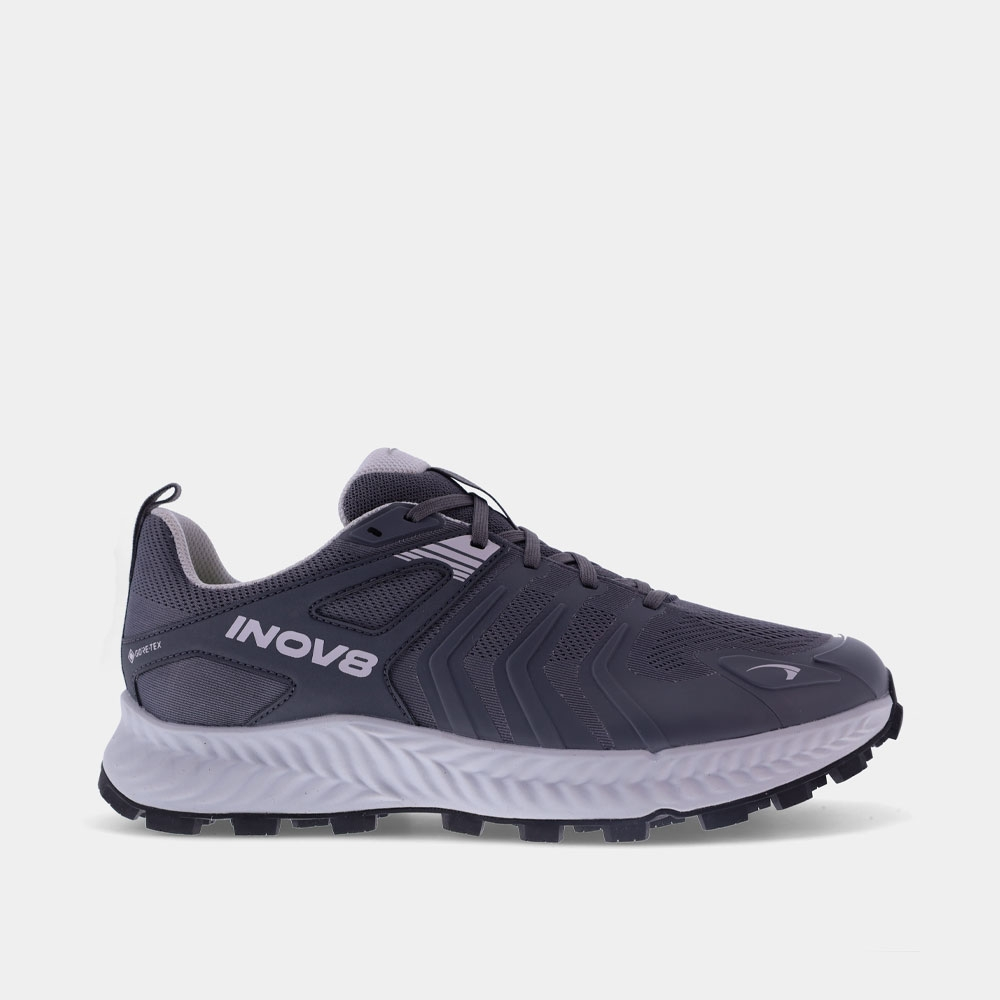
For muddy, wet, cold trail days, the Trailtalon GTX is built like a reliable tool. Gore-Tex keeps your feet dry, and the graphene-enhanced outsole is all about traction on slippery, steep terrain. It’s not the lightest shoe, and the colourways are a bit muted, but it does what winter trail runners actually need: keep you upright and keep your feet protected.
It’s also available in a standard or wide fit, and it hits a nice balance of cushioning and ground feel: enough comfort for distance, enough trail feedback to stay confident.
Best long-distance trail all-rounder: Arc’teryx Norvan LD4
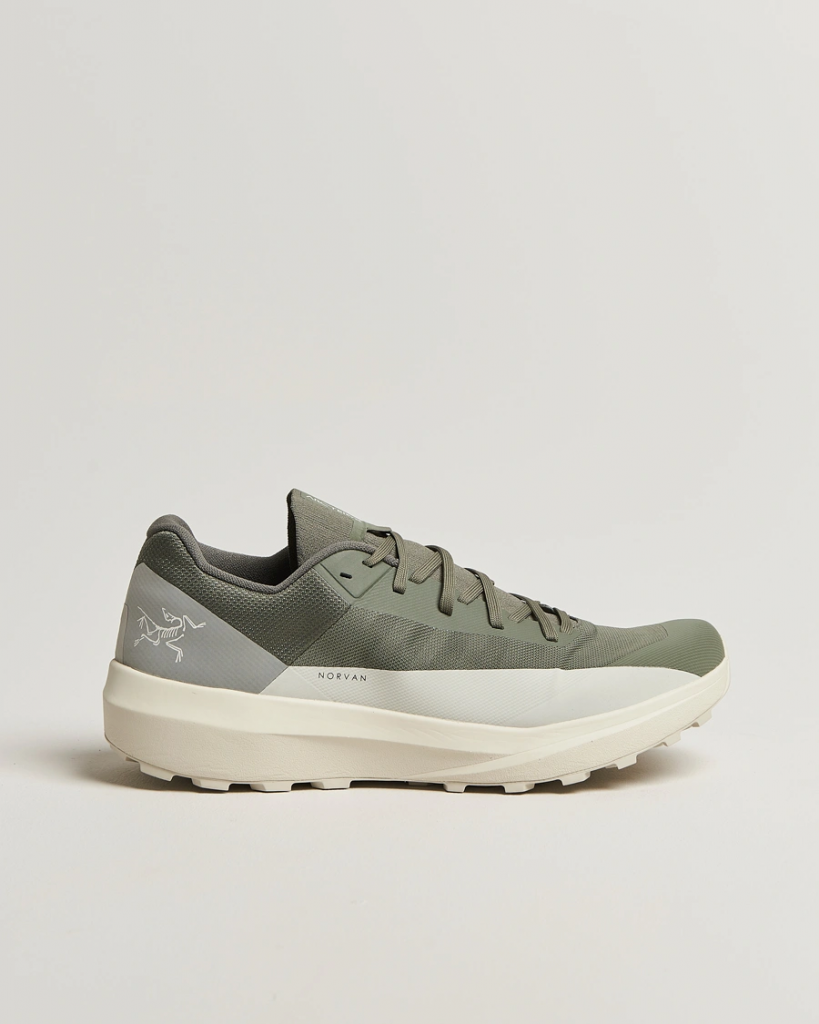
The Norvan LD4 is the “big day” trail shoe: durable, protective, grippy, and comfortable across varied terrain: including stretches of road. It’s not built for huge propulsion, but it shines in protection and consistency, which is exactly what you want when the trail goes long and conditions get unpredictable.
The upper is tough and abrasion-resistant, there’s extra rubber overlay protection, the toe bumper saves you from painful knocks, and the Vibram Megagrip Litebase outsole gives you traction with stability. The sock-like tongue can be fiddly to pull on, but once it’s on, the fit is dialed.
Best fast race shoe with stability: New Balance FuelCell SuperComp Elite v4
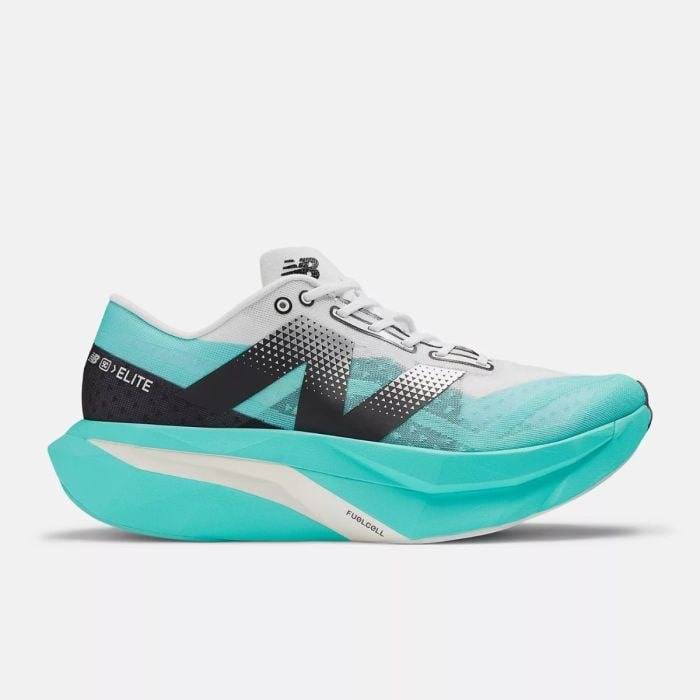
The SuperComp Elite v4 blends propulsive race foam with better stability than many max-stack racers. With a 40mm stack height (right at the legal limit), a 4mm drop, and a thinner arched carbon plate, it’s designed to feel cushioned but still quick when you’re pushing.
The main drawbacks are price and feel: it’s expensive, and it can feel heavier/slower compared to the ultra-light racers. But if you want a race shoe that feels stable enough to handle real-world courses and doesn’t feel like it’s trying to throw you off line, it’s a compelling option.
Best value running shoes: Kiprun KS900 2
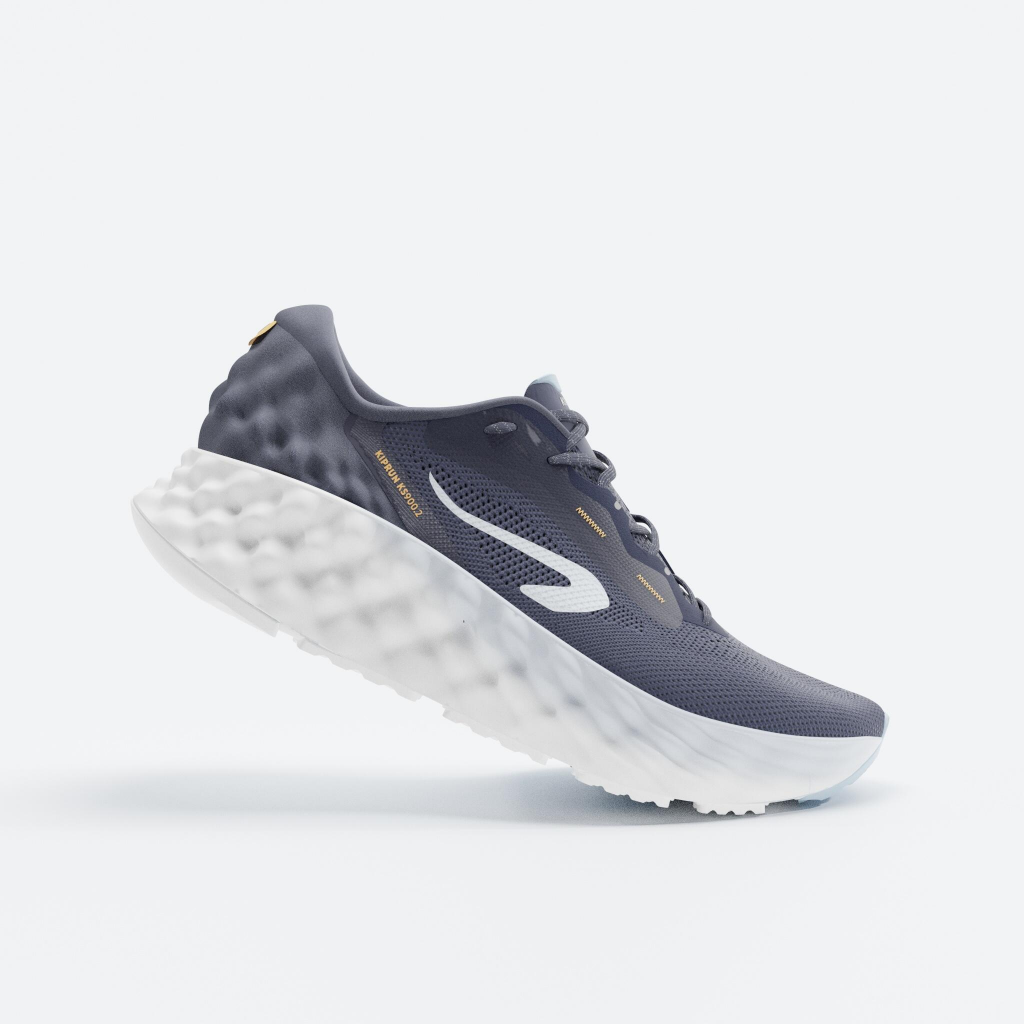
This is the comfort-first budget pick: max cushioning, plush padding, stable ride, and a price that doesn’t sting. It’s not thrilling; the roll can feel a bit sluggish and it won’t give you that springy “super shoe” vibe , but it’s a practical trainer for racking up mileage when you want softness and protection.
Watch-outs are potential rubbing and warmth build-up, plus it may not suit broader feet. But for the money, it’s a solid “do the miles” shoe.
Best fast running shoe: On Cloudsurfer Next
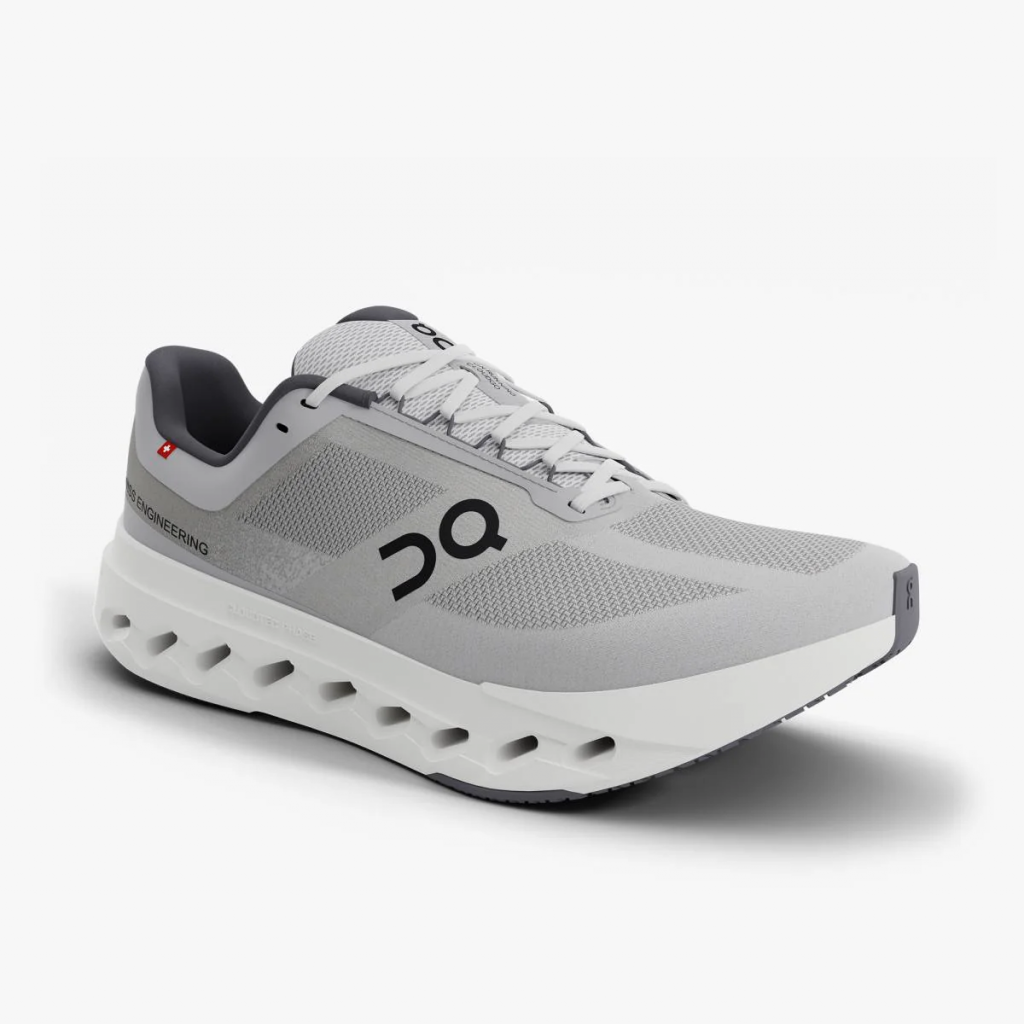
The Cloudsurfer Next is a tempo-leaning shoe: it’s more responsive when you pick up speed, it’s stable, and it encourages a forefoot-focused run style. The woven upper improves lockdown, grip is reliable, and the Helion foam comes alive when you’re moving.
The trade-off is easy-mile comfort: it’s not as plush as other On models and can feel flat at slower paces. If your week is heavy on tempo runs and steady faster efforts, it makes sense.
Best speed shoe for stride runners: Asics Metaspeed Edge+
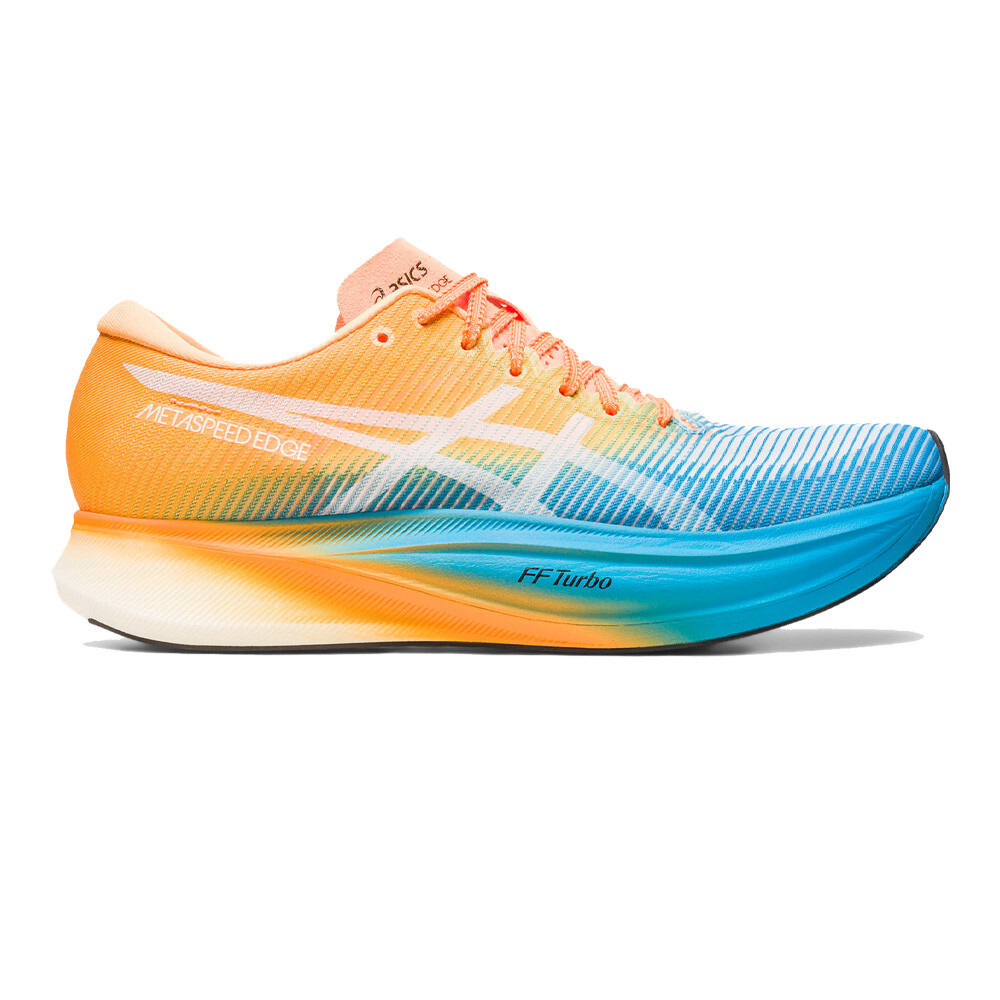
This is a lean, propulsive speed weapon: light and built for runners who thrive on quick cadence and forward momentum. It balances bounce, agility, and traction, and it sits just under the 40mm stack-height limit, making it an efficient race-day option.
The big con is stability and durability concerns. It’s a shoe you reserve for speed work and races, not something you’ll want to grind daily miles in.
Best reliable everyday max cushion: Brooks Ghost Max 2
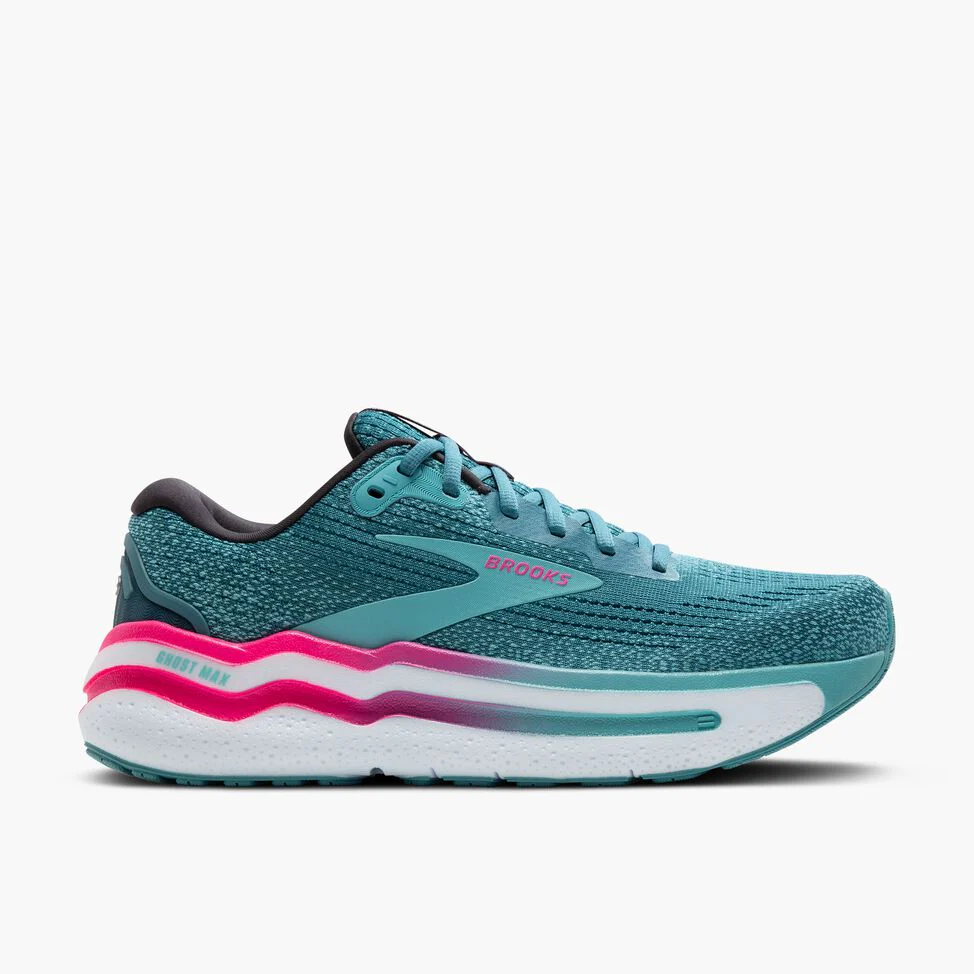
If you want a daily trainer that simply won’t let you down, the Ghost Max 2 is a strong option: especially because it comes in multiple widths (medium, wide, extra-wide). It’s cushioned and stable, with a wide base and nitrogen-infused foam that keeps the ride steady.
The compromise is weight and warmth: it’s heavier, and the structured upper can feel toasty. But if your priority is comfort, stability, and consistency over flashy speed, this is a trustworthy daily companion.
Best “do-everything” speed trainer: Saucony Endorphin Speed 4
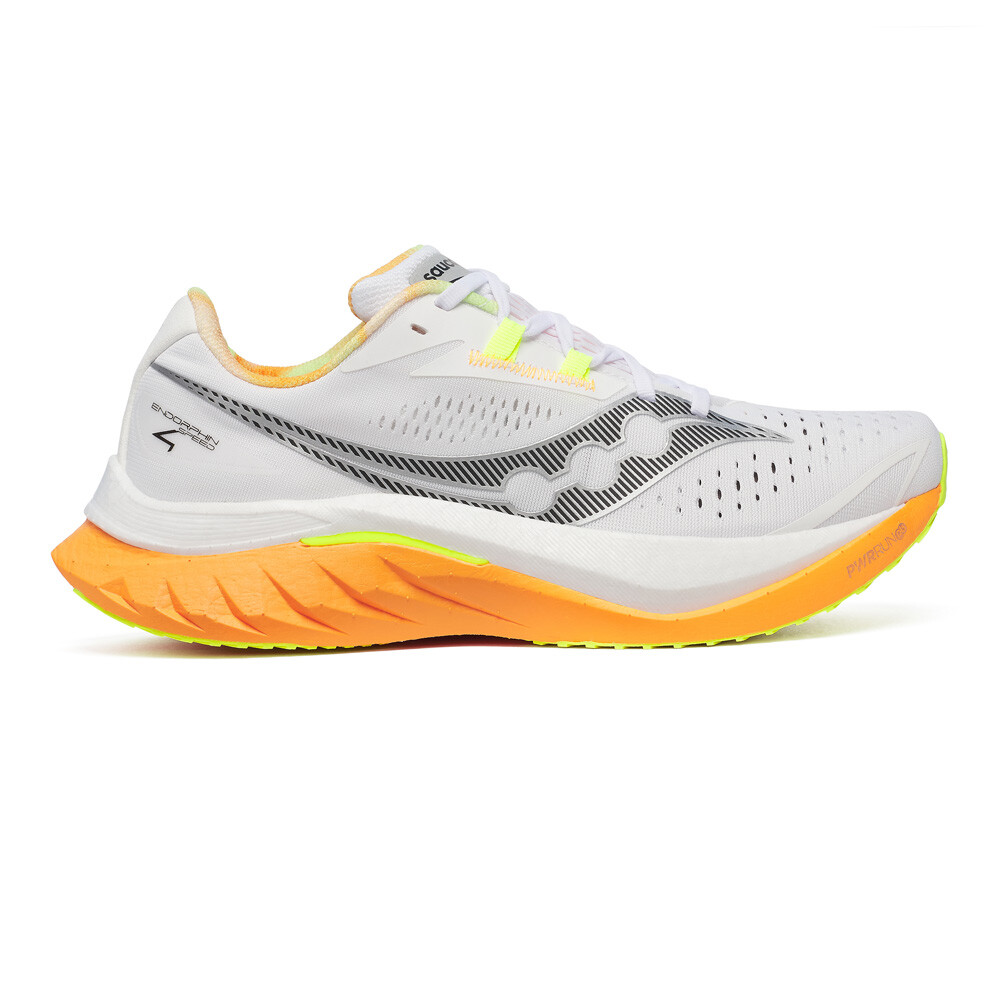
If you want one shoe that can handle long steady runs and hard intervals without feeling out of place, the Endorphin Speed 4 is that versatile operator. The winged nylon plate adds a snap that makes running feel more efficient, while the PWRRUN PB foam brings bounce that keeps your legs feeling lively.
It’s a bit narrow, and the outsole grip is more front-focused (something to consider if you’re a heavy heel striker), but as a single-shoe solution for mixed training weeks, it’s one of the best.
Best smooth versatile trainer (fit-dependent): Hoka Mach 6
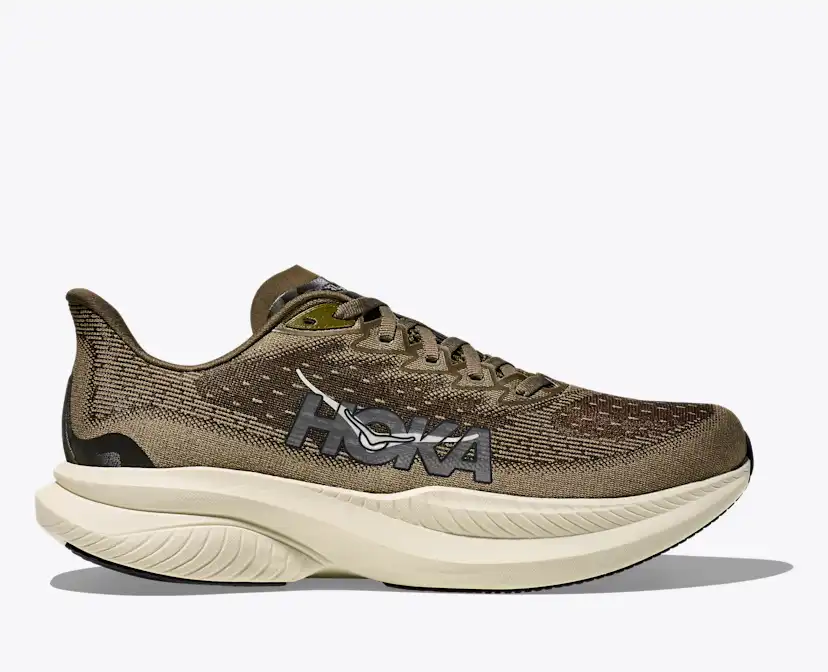
The Mach 6 is billed as Hoka’s lightest, most responsive Mach, with updates aimed at fit and comfort: a refreshed supercritical foam midsole, updated upper, and gusset tweaks. It has a peppy, smooth ride and can handle different sessions, but sizing/shape won’t work for everyone; it can feel small and narrow, so sizing up may help.
If you like Hoka geometry and want something that can do steady long runs comfortably while still feeling lively, it’s a strong option.