

Brita Cube Review: Clean Filtered Water Made Effortless
Most of us know what we should be doing. Drink more water. Waste less plastic. Stop buying those “just in case” bottles that always end up rolling around the car or stuffed in a gym bag. The problem isn’t awareness. It’s friction.
Traditional filtered jugs are a great idea in theory, but they come with a familiar routine: fill, wait, chill, forget, repeat. They live in the fridge like a well-meaning house guest and, eventually, they get pushed behind the milk and quietly retire to the back of a cupboard.
At the other end of the spectrum, the dream setup is a premium, plumbed-in boiling-water tap system that gives you hot and filtered water on demand. It’s sleek. It’s elegant. It’s also expensive, invasive to install, and for most people it’s hard to justify unless you’re renovating your kitchen or you’re deeply committed to your tea habit.
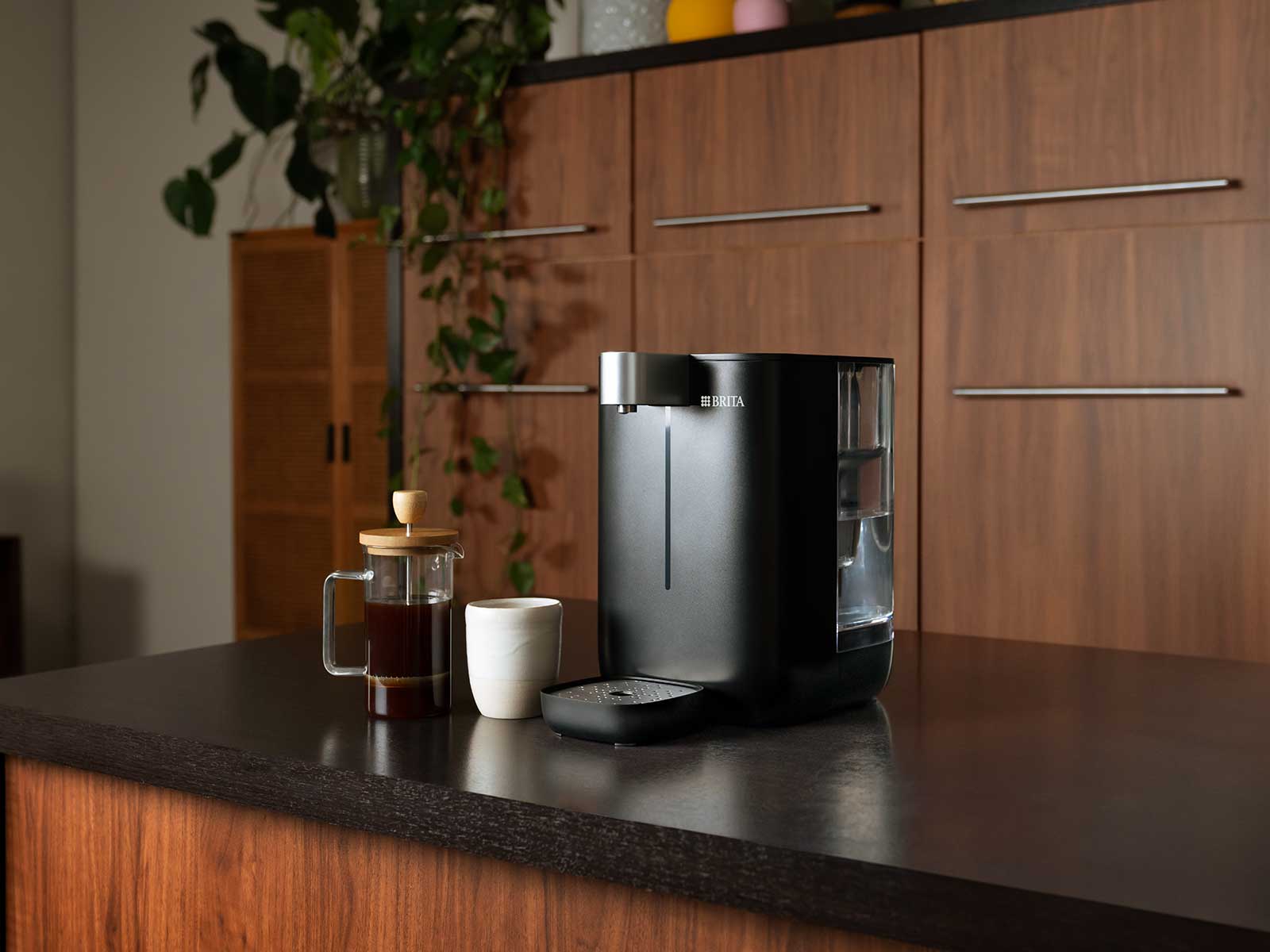
The Brita Cube arrives as a surprisingly persuasive middle ground. It’s not plumbed in. It’s not a jug. It’s a countertop water dispenser that aims to make filtered water and near-boiling water feel instant, precise, and low-effort, without turning your kitchen into a construction site.
If you’re environmentally minded and you want clean-tasting water without the constant faff, the Cube has a very clear pitch: plug it in, fill a large tank, and stop thinking about water altogether.
And honestly, that’s exactly why it works.
What the Brita Cube is trying to replace
The Cube is not just a “water filter.” It’s trying to replace habits.
It’s trying to replace reboiling the kettle because you overfilled it. It’s trying to replace half-used plastic bottles. It’s trying to replace buying bottled water because the tap tastes a bit too chlorinated today. It’s trying to replace the mental load of remembering whether you refilled the filter jug and whether the filter needs changing.
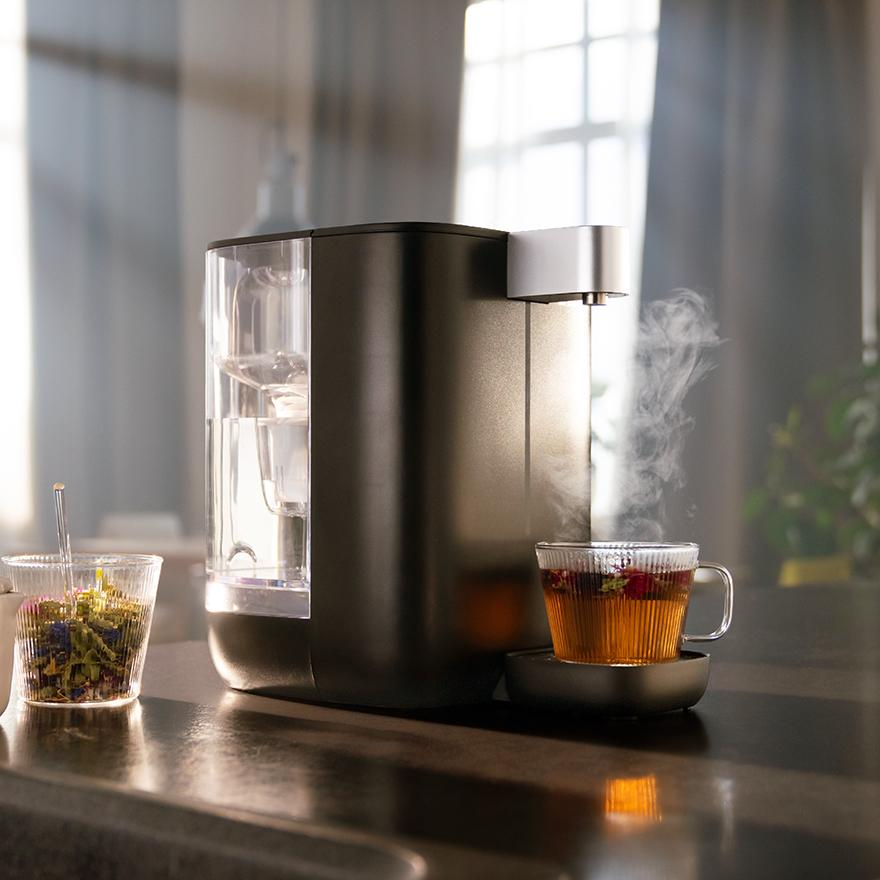
It does that by making water a one-touch experience. You choose the amount you want, choose the temperature you want, and it dispenses exactly that. No overpour. No drips. No “I’ll just boil a full kettle even though I only need one cup.”
For eco-conscious households, this is a big deal. Convenience is the gatekeeper. If the clean, lower-waste option is harder than the default, people drift back to the default. The Cube makes the better choice the easier choice, and that’s the whole game.
Design and build: genuinely kitchen-worthy
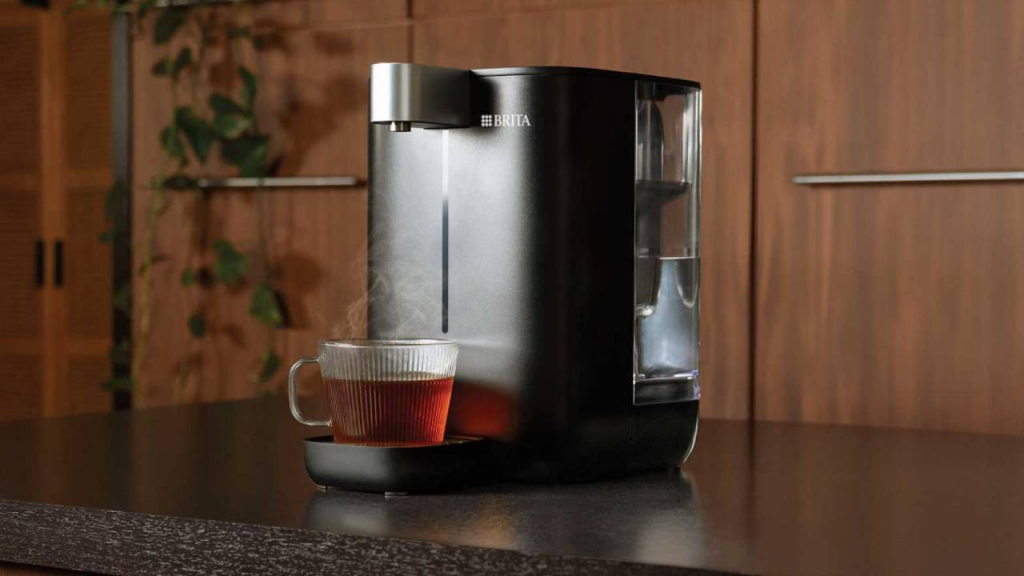
The Cube is a sleek cuboid device that looks more like a modern countertop appliance than a utilitarian water system. It’s slightly larger than a standard kettle, but it’s not obnoxious, and it’s tidy enough to sit permanently on a worktop without feeling like clutter.
You can get it in black or white, and the clear rear tank lets you see the water level at a glance. That visual feedback matters because it changes how you use it. You don’t have to guess. You don’t have to lift a lid and peer inside. You just look, like you would with a coffee machine water tank.
A surprisingly smart touch is the magnetic two-height tray that attaches to the front. It’s stable, it feels secure, and it accommodates different cup sizes without awkward balancing. It sounds minor, but it makes the Cube feel more like a premium, thought-through product rather than a device that expects you to adapt to it.
The controls are touch-sensitive and sit on top, staying discreet until you need them. There’s also an immediate visual cue with the child lock, which is exactly what you want on a device capable of dispensing very hot water. It’s a subtle but reassuring design choice that makes the Cube feel safer to live with day to day.
The core experience: press, pour, done
This is where the Cube wins people over quickly.
The interface is simple. You select how much water you want and you choose the temperature. The temperature range is flexible enough to cover real life, not just gimmick use cases. Room temperature water is there when you want it, and you can go up to around 95°C for hot drinks.
This matters because “boiling” isn’t always what you actually want. Tea and coffee lovers know this. Different teas prefer different temperatures, and plenty of coffee brewing methods taste better when you’re not scorching the grounds with aggressive boiling water. The ability to stop at a lower temperature is one of those quietly premium features that feels surprisingly luxurious once you start using it.
Then you hit dispense and it pours immediately. No waiting for a kettle to ramp up to boil. No pouring from a heavy jug. No dripping once it’s finished. The experience is crisp and controlled, and it makes traditional kettle use feel oddly clumsy by comparison.
If you want to stop early, you tap any button and the water stops instantly. That makes it feel safe, responsive, and modern, especially if you’re filling smaller cups or you’re moving fast in the kitchen.
Clean water: where the Cube’s value actually lives
You’re not buying the Cube just because it’s fast. You’re buying it because you want better water.
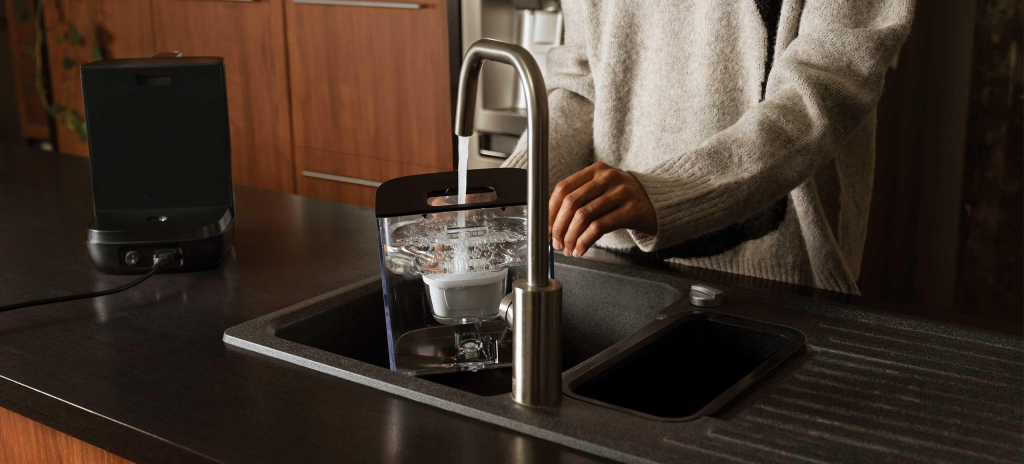
Brita’s filtration is the main event here. The Cube uses a Brita filter to reduce common tap-water nasties and unwanted tastes. In everyday language, that means fewer of the things that make water smell or taste “off,” like chlorine, and reduced contaminants that people worry about, such as lead or certain metals, depending on your local water system and plumbing.
It also claims to tackle microplastics, which is increasingly part of why people are seeking filtration in the first place. Even in places with generally excellent tap water, people want reassurance. Clean taste is one thing, but clean confidence is another.
The more distinctive feature, though, is the UV treatment. The Cube includes a UV system designed to address bacterial contamination. Most of the time, tap water in the UK is very safe. But water systems aren’t perfect, and issues can happen in supply chains, building plumbing, or unexpected local events. The idea of UV is that it gives you another line of defence, particularly for the cold water being dispensed.
For eco-minded users, this combination is powerful because it helps you stop buying bottled water for “peace of mind.” The Cube makes your everyday tap water feel upgraded, not just filtered.
Taste test: the difference you notice fast
If you live in a soft water area, you might not expect a huge change. But taste isn’t only about hardness. It’s about chlorine, temperature, and the subtle flavour notes that get magnified when you’re making tea, coffee, squash, or even just drinking water throughout the day.
Filtered water from the Cube tastes cleaner and smoother. It’s the kind of difference that sneaks up on you. You don’t necessarily have a dramatic “wow” moment, but you do notice you’re reaching for water more often because it tastes better.
Tea and coffee lovers will likely notice the impact faster. When you strip away some of the chemical taste and limescale-related harshness, hot drinks tend to taste cleaner and less “flat.” You also get less scale build-up compared to unfiltered boiling, which is a practical win if you’re in a hard-water area and you’re constantly descaling kettles.
Speed and efficiency: the real kettle challenger
The Cube’s most convincing trick is how quickly it delivers hot water. For one drink, it’s simply faster than boiling a kettle, because it’s not heating a whole reservoir. It’s heating a specific amount of water on demand.
This has two benefits.
It saves time. A mug of hot water appears in seconds rather than minutes.
It also reduces waste. Most people overfill kettles. It’s a habit. You fill to a safe level, you boil, you use a bit, and the rest sits there cooling until you reboil it later. That’s energy being spent repeatedly without delivering value.
The Cube’s “exact volume” approach helps change that behaviour. You dispense what you need and you stop. That’s better for the planet, better for your bills, and better for your daily rhythm.
It also makes it easier to do small kitchen tasks. Filling a saucepan for pasta becomes a quick dispense job rather than a kettle-boil-wait-pour-repeat ritual. Once you start using it this way, it becomes more than a fancy tea device. It becomes a hot-water utility.
Environmental impact: where the Cube earns its place
If you’re buying the Cube with an eco mindset, you’re really buying three shifts.
You’re reducing plastic bottle consumption by making filtered water always available and appealing. The less you buy bottled water, the less plastic you produce, transport, and dispose of.
You’re reducing wasted heating by heating only what you use. That’s a meaningful improvement over kettle behaviour for most households.
You’re creating a system that people actually stick to. This one matters most. The greenest product is the one that actually stays in use. If a filter jug ends up in a cupboard, it’s not saving anything. The Cube’s value is that it’s convenient enough to become part of your daily default.
Filters do need replacing, and that’s part of the environmental trade-off. You’re swapping plastic bottle waste and scale-related appliance churn for filter consumption. But because the filters last weeks and cover many litres, the overall waste profile tends to be more manageable than constant bottled water, especially when you also consider transport emissions and packaging.
If you already avoid bottled water entirely and you’re happy with your tap water, the Cube is less of an environmental necessity and more of a lifestyle upgrade. But if your household still buys bottled water for convenience or taste, the Cube can meaningfully shift behaviour in a greener direction.
Running costs and upkeep: simple, predictable, manageable
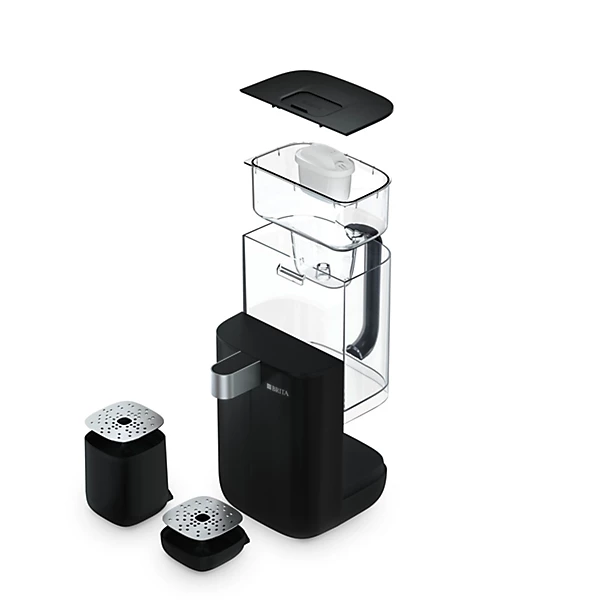
The Cube’s ongoing maintenance is mostly about filters. Brita filters are easy to find and often cheaper when bought in bulk. The replacement cycle depends on usage and local water quality, but the general expectation is a filter roughly every few weeks or around a set number of litres.
The good news is that the system is designed for low effort. You’re not scrubbing jugs, dealing with slimy lids, or wondering if you left water sitting too long. You refill the tank, you change the filter when prompted, and you keep moving.
That simplicity is the entire point.
Any downsides?
The biggest downside is that it’s still an appliance taking up countertop space. If your kitchen is tiny and every centimetre matters, you’ll feel its footprint more than you would with a jug in the fridge.
It also isn’t plumbed in, which is a pro for flexibility but means you still need to refill the tank. The upside is that the tank is large enough that refilling doesn’t feel constant. Four litres goes a long way for most households.
Then there’s cost. Around £200 can feel like a luxury for “water.” But it’s only a luxury if you treat it like a novelty. If it replaces bottled water purchases, reduces kettle use, and becomes your everyday hot and cold water station, the value starts to make sense quickly.
Who should buy the Brita Cube?
The Cube is ideal for households that want to drink more clean water without relying on bottled water. It’s great for people who care about reducing waste but also want convenience to be part of that story.
It’s especially strong for tea and coffee drinkers who will benefit from controlled temperature and cleaner-tasting water. It’s also a smart move for hard-water areas where limescale and flavour issues are more noticeable.
If you love the idea of a boiling-water tap but don’t want the installation cost, the Cube is the closest “plug-in” alternative that still feels premium and useful.
Verdict: the “set it and forget it” water upgrade that actually sticks
The Brita Cube is one of those rare appliances that feels instantly normal once it’s in your kitchen. After a few days, it stops feeling like a gadget and starts feeling like infrastructure.
It’s fast, safe, stylish, and practical. It makes clean water easy to drink, and it makes hot water dramatically less wasteful than kettle habits. It’s the kind of product that quietly changes your daily rhythm in a way that’s genuinely beneficial for both you and the environment.
If you want to be more eco-friendly without sacrificing convenience, and you want cleaner, better-tasting water on tap without installing a new tap, the Brita Cube is a surprisingly smart buy.