


The Night Shift: 9 Sleep Tech Gadgets That Actually Make Bedtime Better
Sleep tech used to feel like the future making small talk. Now it is the late-night headline, promising deeper rest, smarter mornings, and fewer groggy meetings. From temperature-tuned mattresses to discreet earbuds and rings that know your circadian rhythm better than your calendar, the market has matured from novelty into necessity.
This is the moment sleep tech stops being a luxury and starts being essential. If you care about the quality of your rest, these gadgets will change the way you approach sleep, not just how you track it.
Eight Sleep Pod Pro: The mattress that thinks your bed is a climate-controlled spaceship
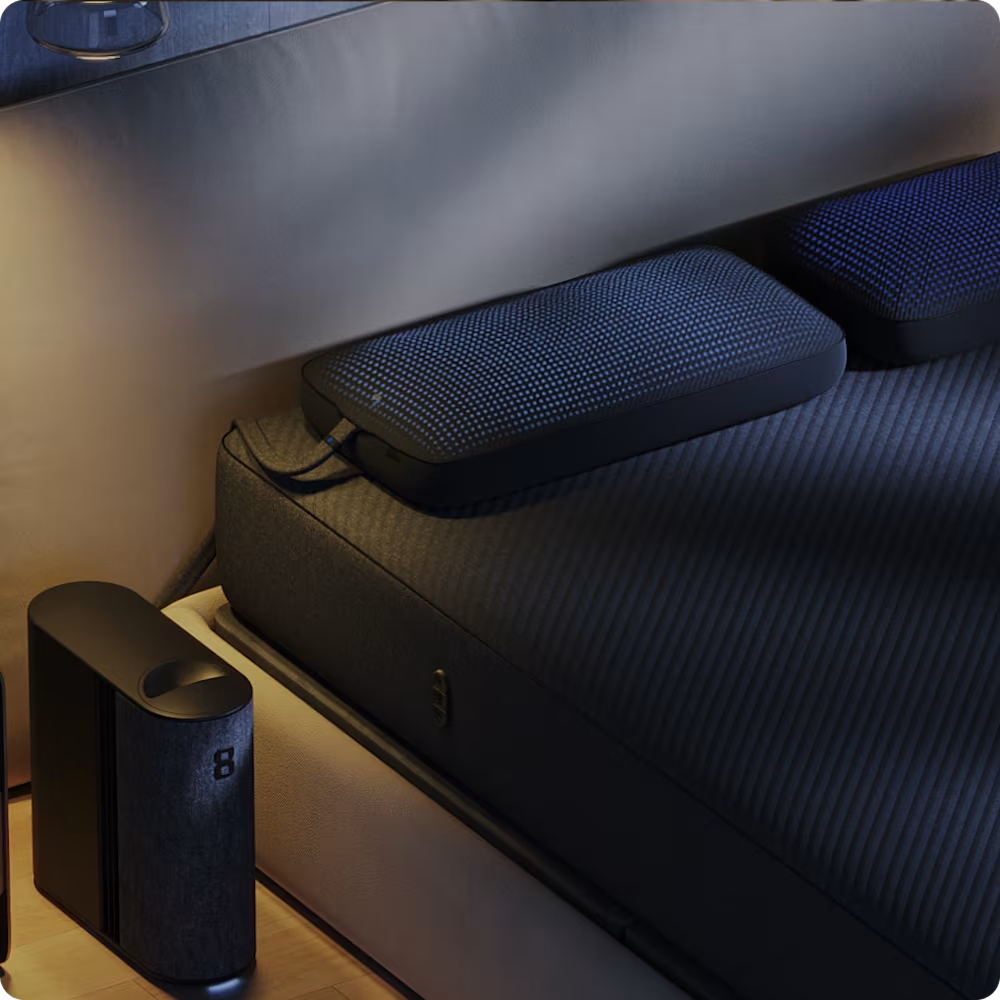
What it is and why it matters. The Pod Pro is a smart mattress cover with dual-zone temperature control. It warms you up or cools you down through water-based thermal technology, and it integrates sleep tracking and gentle wake features. The headline moment is thermal regulation. Temperature is one of the most powerful levers for sleep quality, and Eight Sleep turned it into a full-time feature.
Why it stands out. Unlike bulky mattress upgrades that ask for full bedroom surgery, the Pod Pro slips under your sheets and handles climate control with surgical precision. It reduces night sweats, helps partners with different preferences find middle ground, and amplifies the effects of a good bedtime routine. In practice the difference is tangible. Nights feel more consistently restorative, and those mid-night wakeups caused by heat feel less severe.
Real-world tradeoffs. The setup requires a bit of plumbing under the bed for rails and the water tube, and the device needs continuous power for its pump. It is an investment that pays off over months rather than nights, and it works best if the rest of your bedroom is at least minimally insulated. If you prioritize convenience over control, a classic mattress topper may be simpler, but you will miss the temperature-led wins.
Ideal user. Hot sleepers, people who share beds with very different temperature preferences, and anyone who wants to tune sleep variables rather than just measure them. Treat this as part appliance and part mattress upgrade.
Oura Ring Gen 3: The discreet sleep coach on your finger
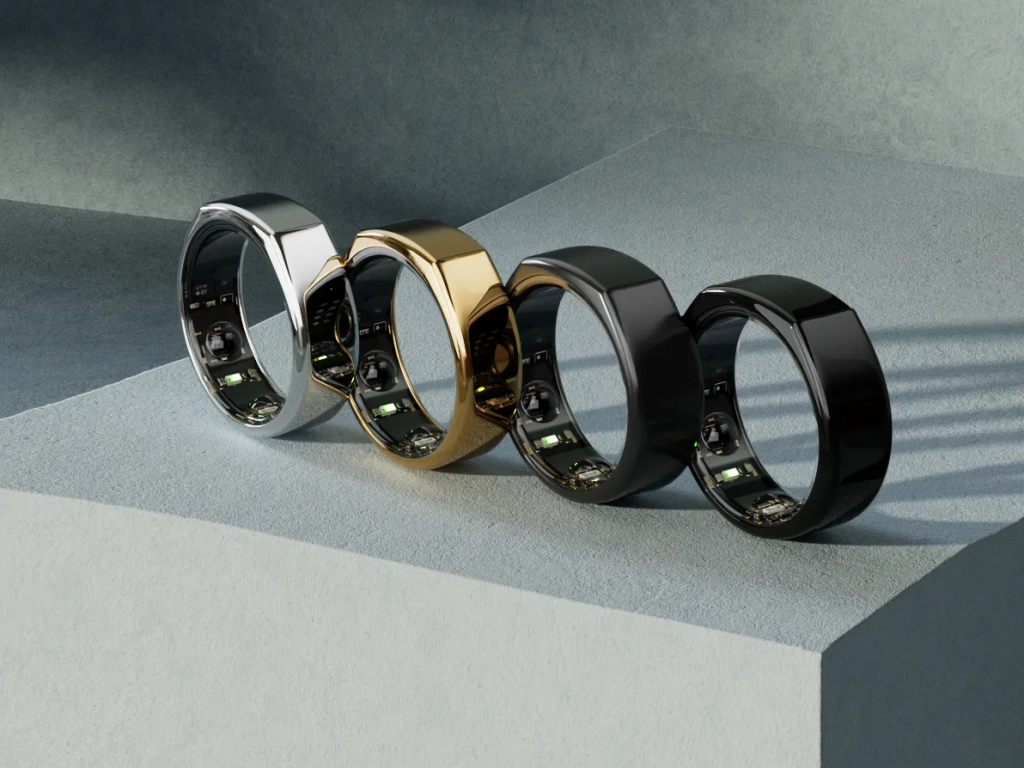
What it is and why it matters. The Oura Ring took wearables out of the wrist game and put them on the finger, where physiology is subtle and signals are clearer. The latest generation brings advanced sensors for heart rate, temperature, movement, and respiratory signals, and the companion app transforms this raw data into sleep stages, readiness scores, and actionable guidance.
Why it stands out. The ring is unobtrusive, fashionable, and socially acceptable in settings where wrist-worn trackers feel ostentatious. The algorithm focuses on trends and context, not just nightly numbers, which means the insights are easier to act on. The “readiness” score is the star feature. It synthesizes sleep, activity, and physiological signals to say whether you should push your limits today or prioritize recovery.
Real-world tradeoffs. No device is perfect at parsing every sleep stage. The ring can miss short awakenings and sometimes smooth over fragmented sleep. Battery life is strong but requires weekly charging, which is a small routine to adopt. The app nudges you toward behavioral changes rather than enforcing them, which is ideal if you want help rather than a mandate.
Ideal user. Someone who wants a stylish, passive way to measure and improve sleep, and who values trends over obsessing about a single night. Great for data fans who prefer subtle design and consistent insight.
Bose Sleepbuds II: Sound design that shuts the world out
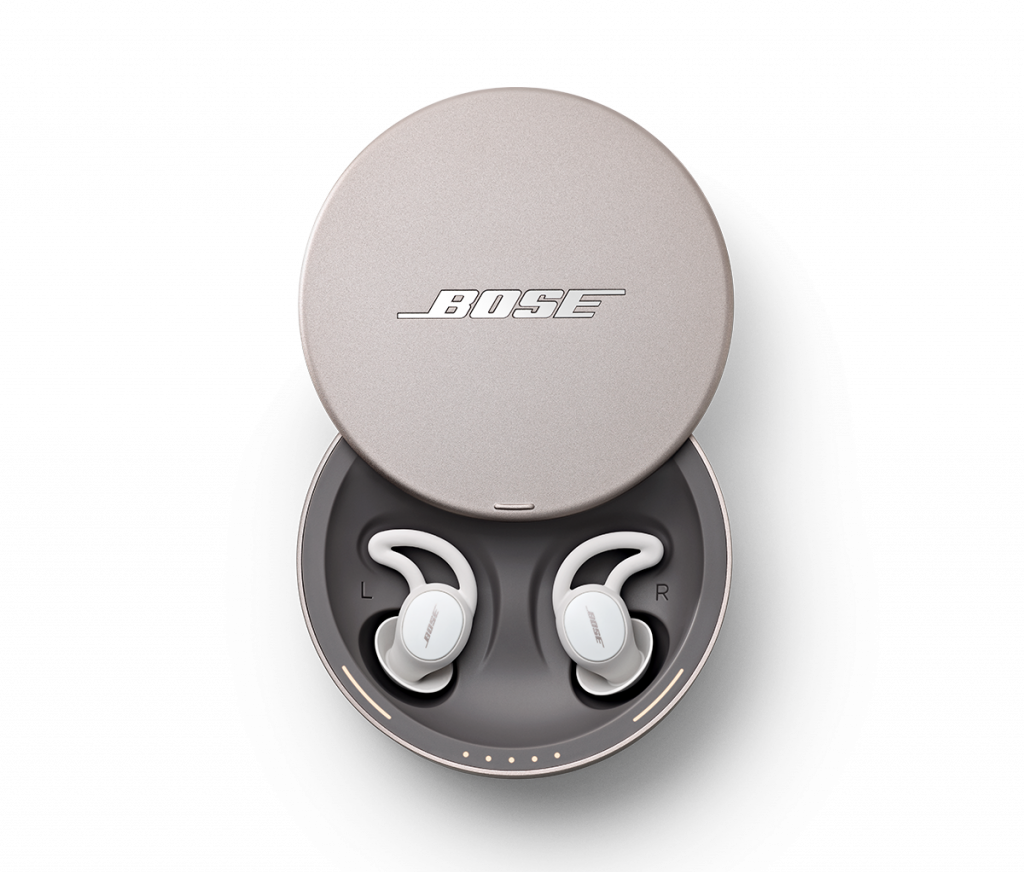
What it is and why it matters. These are not music earbuds. They are tiny sleep-first devices that deliver engineered soothing sounds and mask environmental noise. The magic is micro-engineering. Bose designed comfortable earbuds that sit in your ear all night and generate soundscapes that focus on masking irregular disruptive noises rather than playing tunes with distracting dynamics.
Why it stands out. For people in noisy apartments, couples with differing sleep schedules, or parents of small children, the Sleepbuds II feel like noise-cancelling tranquillity in miniature. They are designed for comfort, and many users report they can wear them longer than other earbuds without waking up sore or cramped. The silence they create is different from absolute quiet. It is a curated ambient field that nudges the brain into ignoring the wrong kind of stimuli.
Real-world tradeoffs. These buds are purpose-driven. If you want audio fidelity or to stream podcasts, this is not the product for you. Battery life is adequate for most nights but the charging case will become part of your bedside routine. The initial setup can require patience to find the right sound masks. Also, earbuds may not be comfortable for side sleepers who prefer plush pillows.
Ideal user. Apartment dwellers, shift workers, co-sleepers, and anyone who needs to neutralize external noise without resorting to a high-decibel white noise machine.
Hatch Restore: The bedside ritual, upgraded
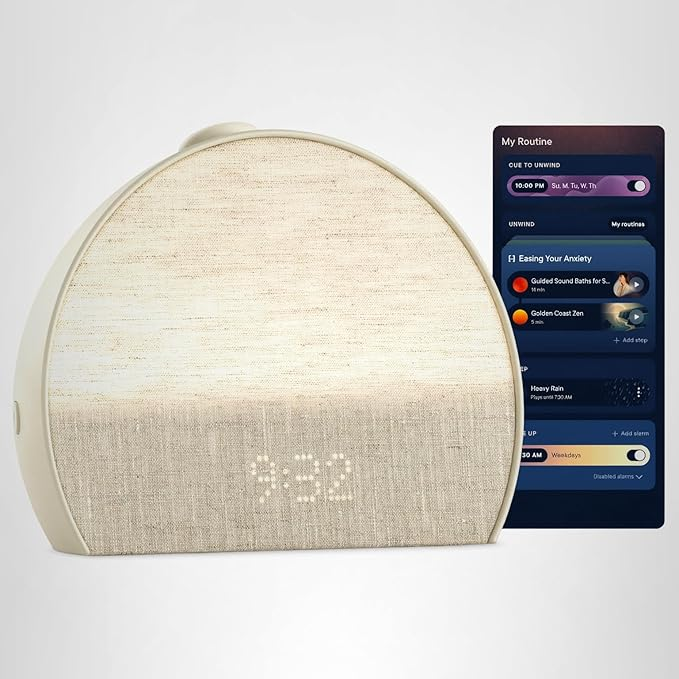
What it is and why it matters. The Hatch Restore blends a smart light, sound machine, and a personalized routine builder into a single bedside companion. It is less about advanced sensors and more about behavioral design. The Restore lets you craft wind-down sequences with dimming light and soundscapes, and it can simulate sunrise to wake you more gently than an alarm clock screaming on the bedside table.
Why it stands out. The device nails the psychology of ritual. It recognizes that technology can create frictionless bedtime habits rather than break them. The interface is clean, the companion app offers guided routines, and the sunrise simulation is genuinely gentler on the brain than abrupt alarms. In practice the Restore helps build consistency, which is one of the most robust predictors of better sleep.
Real-world tradeoffs. If your sleep struggles are physiological rather than behavioral, a Hatch may be soothing but not curative. The device leans heavily on user discipline to create and stick to routines. On the plus side, it integrates well into minimalist nightstands and is attractively designed for modern bedrooms.
Ideal user. People who need help establishing consistent bedtimes, those who respond well to ambient cues, and anyone who wants an elegant all-in-one bedside tool that nudges better habits.
Withings Sleep Analyzer: The mattress mat that watches without intruding
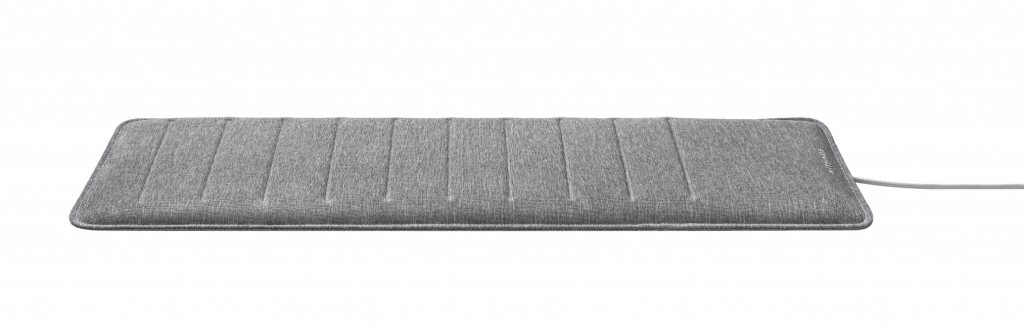
What it is and why it matters. A thin mat that slides under the mattress and tracks sleep cycles, heart rate, breathing disturbances, and snoring patterns. The Sleep Analyzer offers an unobtrusive way to monitor sleep health at scale without wearing anything to bed. For people who resist wearable tech, this is the privacy-friendly alternative.
Why it stands out. The mat is passive and professional enough to appeal to people who want medical-grade-like insights without the clinical setting. It is particularly strong at identifying breathing irregularities and can flag patterns that warrant a conversation with a healthcare provider. For households where multiple people share a bed, the Withings system can still parse who is who, which is impressive for a non-contact device.
Real-world tradeoffs. While non-contact tracking is convenient, it can be slightly less granular than a ring or headband for micro-awakenings. The mat is sensitive to mattress type and thickness, and thin foam or adjustable beds can muddy data. Still, for many the compromise is worth it because it removes device fatigue and the nightly chore of remembering to charge or wear a sensor.
Ideal user. Non-wearers, people curious about sleep apnea risks, and families who want a low-effort window into sleep health without altering bedtime behavior.
Dreem Headband: EEG meets practical sleep coaching
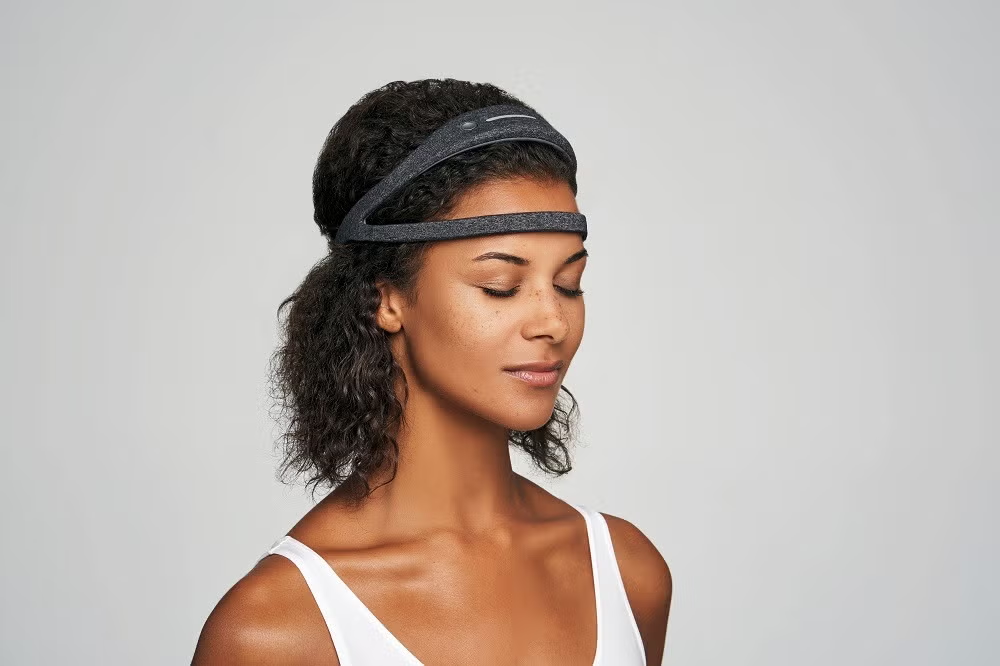
What it is and why it matters. The Dreem headband uses dry EEG sensors to measure brain activity, then delivers auditory stimulation intended to boost deep sleep. This device moves beyond tracking and into active modulation. If you want to experiment with nudging your brain into better slow-wave sleep, Dreem is among the most developed consumer-grade options.
Why it stands out. Measuring brain waves is the big differentiator. Dreem’s approach is grounded in sleep science, and many users report measurable improvements in deep sleep quantities and next-day alertness. The headband feels clinical and futuristic, and it is an explicit nod to users who are willing to wear something on their head to get substantive results.
Real-world tradeoffs. Comfort is the primary tradeoff. Some people adapt quickly, others find a headband intrusive. The device is not cheap, and the concept requires trust in algorithmic stimulation. For people seeking effortless improvements, this may feel like a steep step. For biohackers and those with persistent deep sleep deficits, Dreem is compelling.
Ideal user. Deep sleep seekers who are comfortable with wearing a headband and who want active intervention based on EEG readings rather than passive tracking.
Marpac Dohm Classic: Analog simplicity that still works
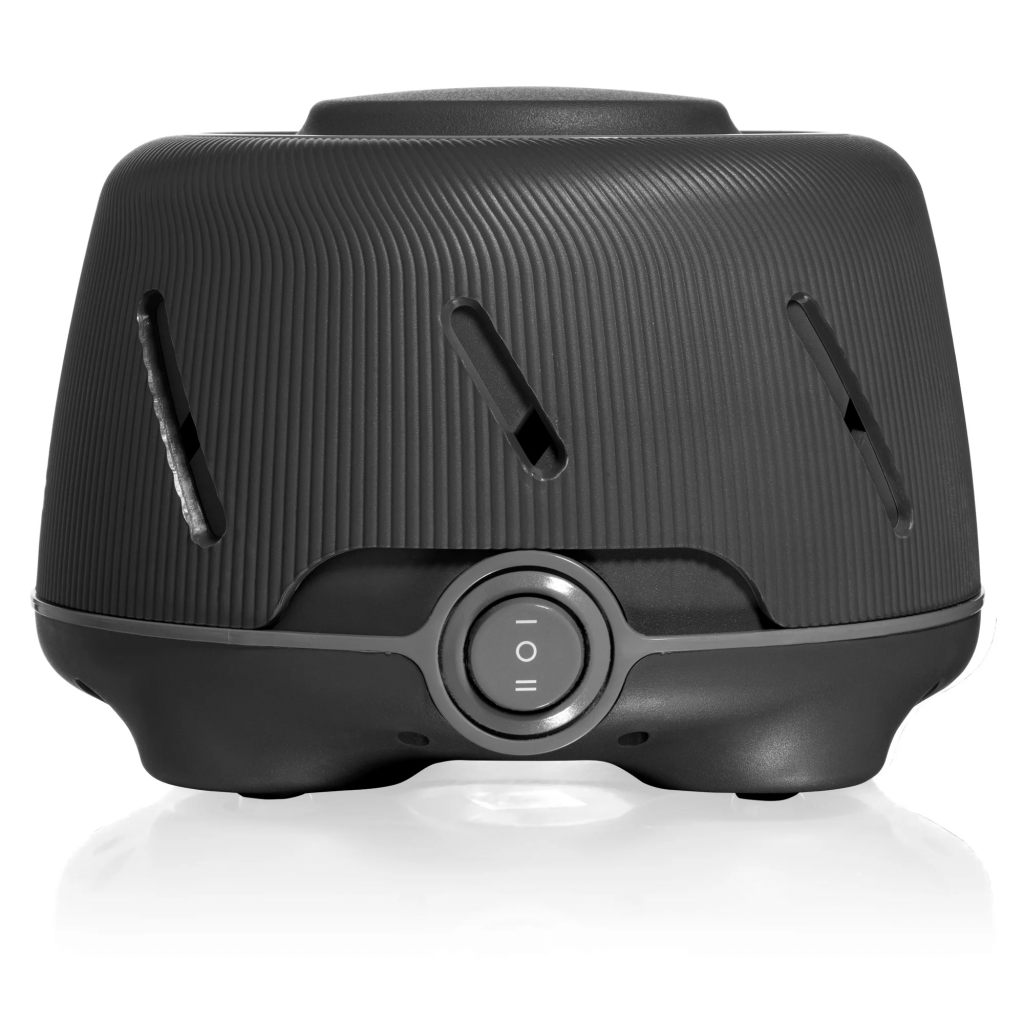
What it is and why it matters. The Dohm Classic is a deceptively simple mechanical white noise machine whose timeless design makes an argument against over-engineering. Instead of digital loops, it creates an authentic whoosh by using a fan mechanism. For certain sleepers the result is a natural, less fatiguing mask for disruptive noise than synthesised tracks.
Why it stands out. There is a tactile satisfaction to the Dohm and a durability that many modern devices lack. It is a reminder that effective sleep tech sometimes means getting back to basics. It also does not need firmware updates, app permissions, or subscriptions. The sound envelopes the room in a steady hum that many people find more soothing than dynamic soundscapes.
Real-world tradeoffs. The machine is not customizable in the way digital alternatives are, and it takes up more physical space than pocket-sized earbuds. Some urban users prefer the precision of apps and digital masks. However, for people who find brain-friendly, steady frequencies help them sleep, the Dohm remains a top contender.
Ideal user. People who value reliability, analog solutions, and who prefer environmental masking to earbuds or app generated looped tracks.
Somnox Sleep Robot: Comfort that reaches past logic
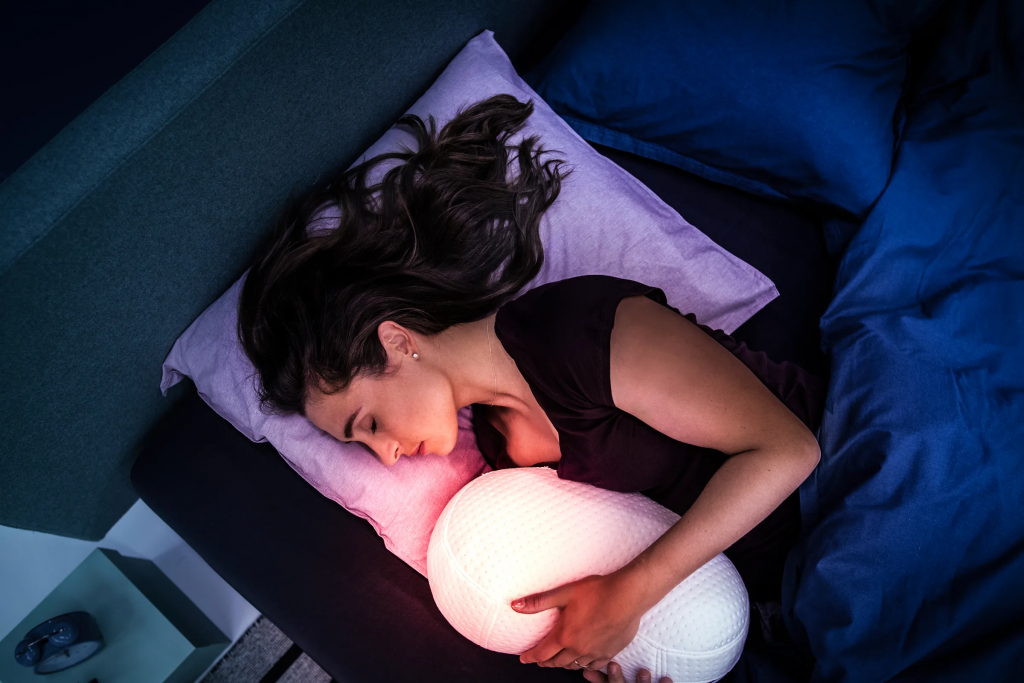
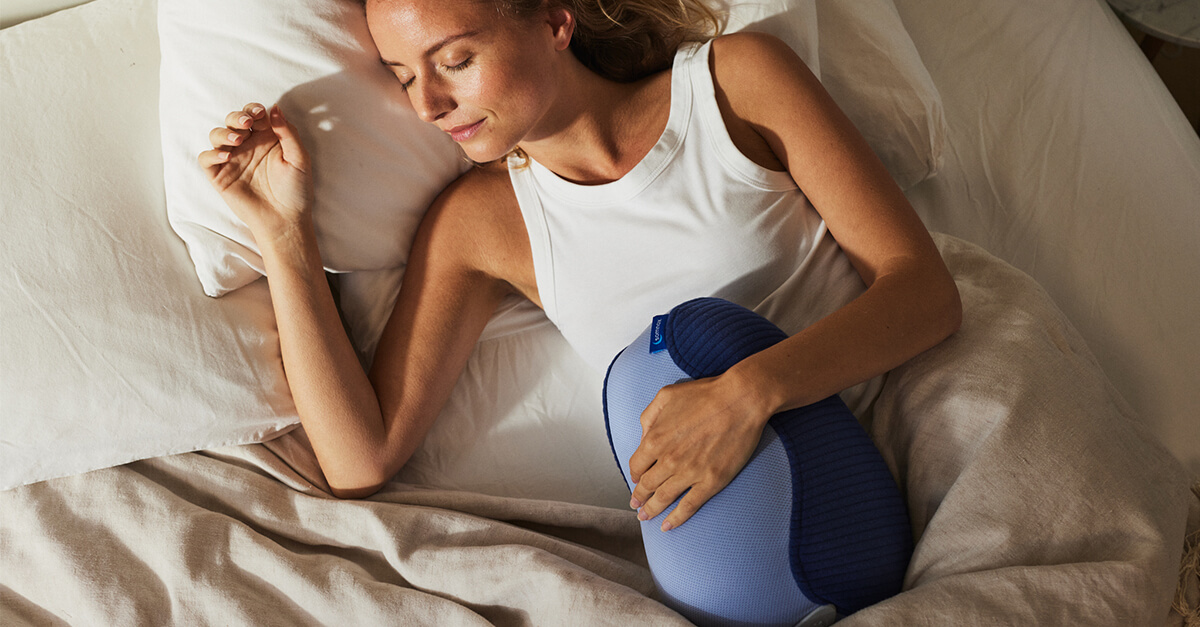
What it is and why it matters. A soft, palm-sized robot designed to be hugged. It breathes with a slow rhythm and plays calming sounds, helping users sync their breathing and lower physiological arousal. This device is less about data and more about human psychology. For anxious sleepers, the Somnox’s tactile presence can be surprisingly effective.
Why it stands out. The power of the device is nearly primal. Human beings respond to rhythm and touch, and Somnox uses this to induce a calmer brain state. It is a reminder that not all sleep aids are about measurement. Sometimes the most effective tech is the one that offers comfort rather than metrics.
Real-world tradeoffs. The product is niche and may feel novel rather than necessary. Some people may find hugging a robot odd, and the Somnox is not a treatment for serious disorders. However, as a behavioral tool it can synergize well with other sleep strategies, serving as a tangible anchor for nightly rituals.
Ideal user. People who struggle with anxiety at bedtime, those who benefit from tactile cues, and anyone open to experimental comfort tech as part of a broader sleep hygiene plan.
Bringing it together: Which sleep tech should you buy
Choosing sleep tech is less about picking the flashiest gadget and more about diagnosing the barrier between you and better sleep. If temperature ruins your nights, invest in thermal solutions like Eight Sleep. If you want passive, stylish data, go for a ring. If noise is the enemy, noise-masking devices and sleep earbuds win. If your problem is consistency, a Hatch Restore helps you build rituals. If you want active brain modulation, consider the Dreem. There is no single silver bullet, but there is a right tool for every sleep obstacle.
One unifying theme across these devices is that they ask for small commitments. Weekly charging, a gentle habit change, or wearing a device to bed can result in outsized returns. The smartest investments tend to be those that fit elegantly into your life rather than requiring a complete overhaul. And if you’re unsure, start small: establish consistent bedtimes, invest in a noise solution, and layer in other tech as you learn what your body responds to.
Conclusion: Sleep tech is finally useful, not just aspirational
We have moved from the era of sleep tech promises to a season of practical, real-world wins. These devices are not magic, but they are effective tools that translate modern science into actionable habits. Whether you are a parent trying to get more rest between the chaos, a professional optimizing cognitive bandwidth, or someone who simply wants fewer sleepless nights, the right gadget will change how you think about bedtime. The best buys are the ones that match your pain point. Pair that clarity with a little patience and you will find that better sleep is not an idealized future. It is a small stack of decisions, and the right tech can be the multiplier that makes them stick.